Far-Right AfD and Russian Hybrid Campaign Pose Twin Threat for Germany’s Merz
AfD gains in state elections would add to internal pressures on the government as it faces a growing external threat from Russia.
By experts and staff
- Published
 Liana FixCFR ExpertSenior Fellow for Europe
- Research Associate, Europe Studies
Liana Fix is a senior fellow for Europe at CFR. She is the author of Germany Rearmed: The Return of War and the End of Illusions. Rafaela Uzan is a research associate for Europe studies at CFR.
Almost a month after it began investigating an attempted drone attack on Leipzig/Halle Airport, the German government announced on September 1 that Russia was responsible. U.S. intelligence had already linked the incident, in which an airport worker found a drone carrying military-grade explosives near a Ukrainian cargo plane, to Russia. The attempted attack appears to be part of an escalating Russian hybrid campaign against Europe that has seen intensifying disinformation efforts, drone incursions, cyberwarfare, and other acts of sabotage.
Despite rhetoric about deterring such attacks, European leaders have been cautious about their response out of fear of Russian escalation. In Germany, the government response has been modest so far. Officials have emphasized that they do not consider Germany to be at war with Russia and have announced primarily diplomatic measures, such as the closing of the Russian consulate general in Bonn.
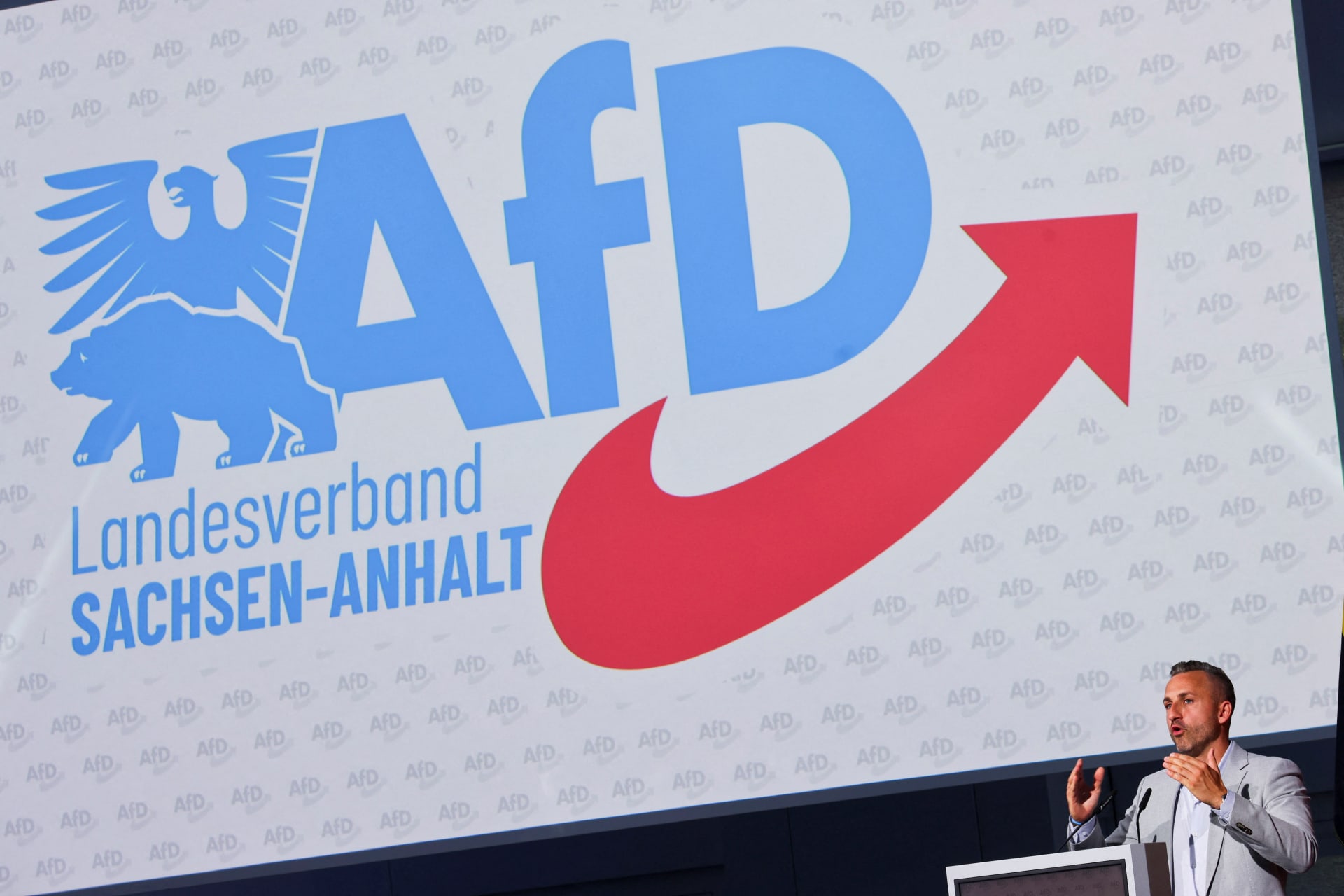
Domestic politics are further complicating Germany’s response, particularly upcoming state elections in the east of the country, which are expected to see strong gains for the far-right—and Russia-friendly—Alternative for Germany (AfD). The first of those elections, on September 6, takes place in Saxony-Anhalt, where the AfD is polling above 40 percent, far ahead of Chancellor Friedrich Merz’s Christian Democratic Union (CDU). A recent national poll, meanwhile, found that the AfD was the most popular party, drawing 28 percent support compared with 21 percent for the CDU and its sister party in Bavaria, the Christian Social Union, and 12 percent for the Social Democratic Party, which is in a coalition with the CDU.
Will the Firewall Hold?
All centrist parties have so far vowed to uphold the so-called firewall against the AfD, which means not entering a coalition with the party and not allowing it to support a minority government. However, should the AfD perform as strongly as the polls suggest, it will be challenging for centrist parties to form a government that excludes the party. In the worst-case scenario, the AfD could even gain an absolute majority and install its own state premier. In that case, its lead candidate, Ulrich Siegmund, would become the first far-right leader of a German state since World War II.
Since it was established thirteen years ago, the AfD has grown in popularity—and become further radicalized. Its initial appeal was its Euroskepticism, though its brand is now marked by strong opposition to migration, LGBTQ+ rights, and pro-climate legislation (as well as its close ties to Russia and China). Siegmund’s platform reflects these priorities. He has, for example, made deportation a key electoral issue, and his party has vowed to change the state’s history curriculum to place more emphasis on the century preceding the two world wars rather than the Nazi era, and announced plans to withdraw the state from the regional public broadcaster.
The AfD would regard a victory in Saxony-Anhalt as a significant regional foothold from which to expand its influence and disrupt federal governance. In May 2025, Germany’s domestic intelligence agency classified the AfD as a confirmed right-wing extremist organization, though a court provisionally blocked the designation in February 2026 after the party sued. Several of its state branches, including the one in Saxony-Anhalt, have already been designated right-wing extremist.
Rising Discontent
The election in Saxony-Anhalt—and Russia’s escalating hybrid warfare—comes at a pivotal moment for Chancellor Merz, for Germany, and for Europe. Polls suggest Merz is extremely unpopular; one survey found around 85 percent of voters were dissatisfied with his chancellorship, the highest figure of any chancellor in recent German history. Even within Merz’s own party, more than half of those surveyed in one poll disapproved of his leadership. Voters are unhappy with the country’s slow economic growth and the rising cost of energy. Merz is particularly disliked in eastern Germany and among young people.
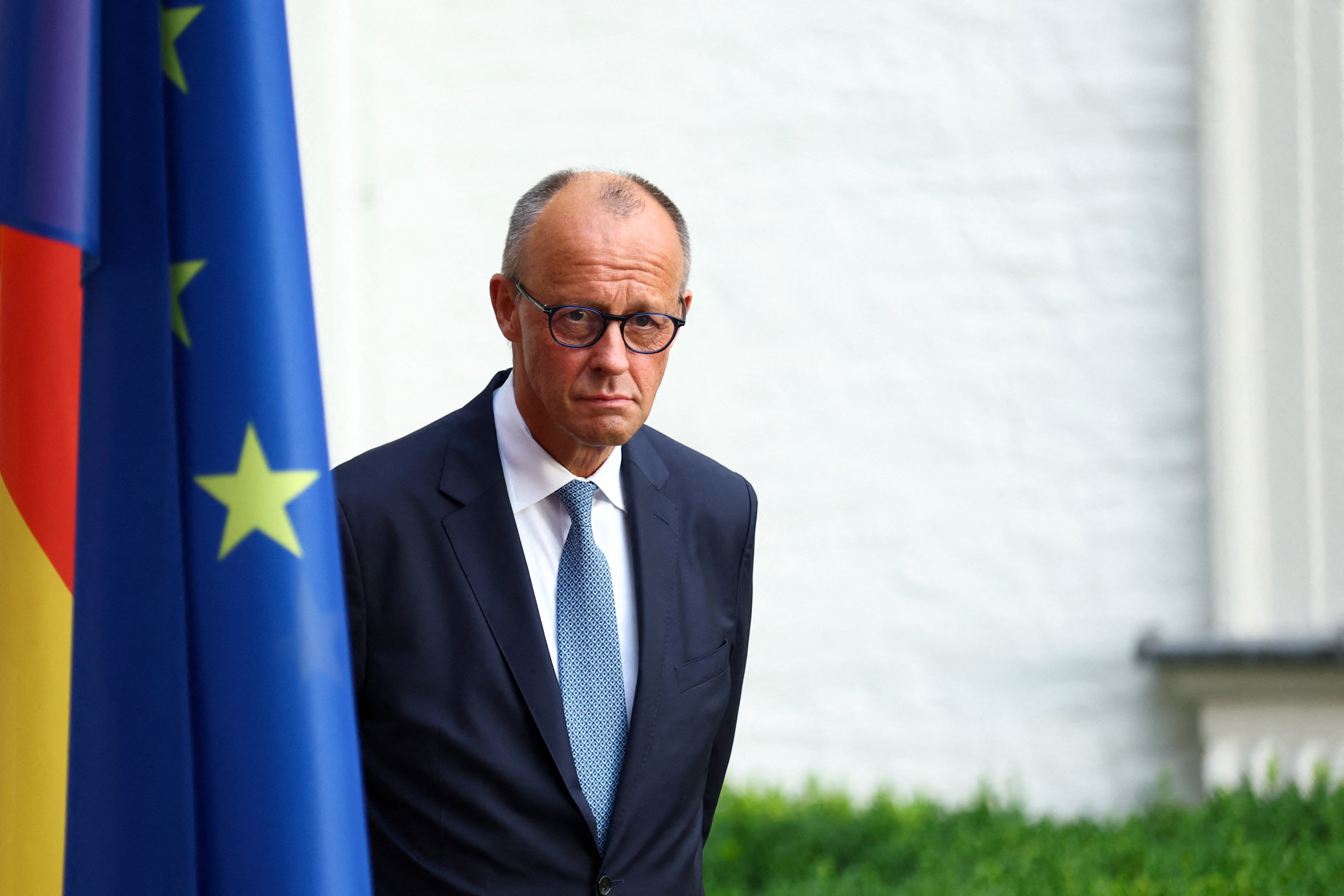
In addition to Saxony-Anhalt, voters in Berlin and Mecklenburg-Vorpommern will head to the polls on September 20, with further successes for the AfD expected. A bad showing for Merz’s party in these races would complicate his ability to govern, including responding to crises abroad. His authority within his own party has already suffered from a mishandled government reshuffle. A leadership challenge would destabilize Germany at the exact moment when it needs to project stability to its European partners and across the Atlantic.
The rise of the far right and Russia’s escalating hybrid warfare are creating a serious test not just for Merz but for German democracy.
This work represents the views solely of the author(s). The Council on Foreign Relations is an independent, nonpartisan membership organization, think tank, and publisher, and takes no institutional positions on matters of policy.