• United States
    Overcoming a Culture of Secrecy: Can the United States Kick its National Security Over-Classification Habit?
    Play
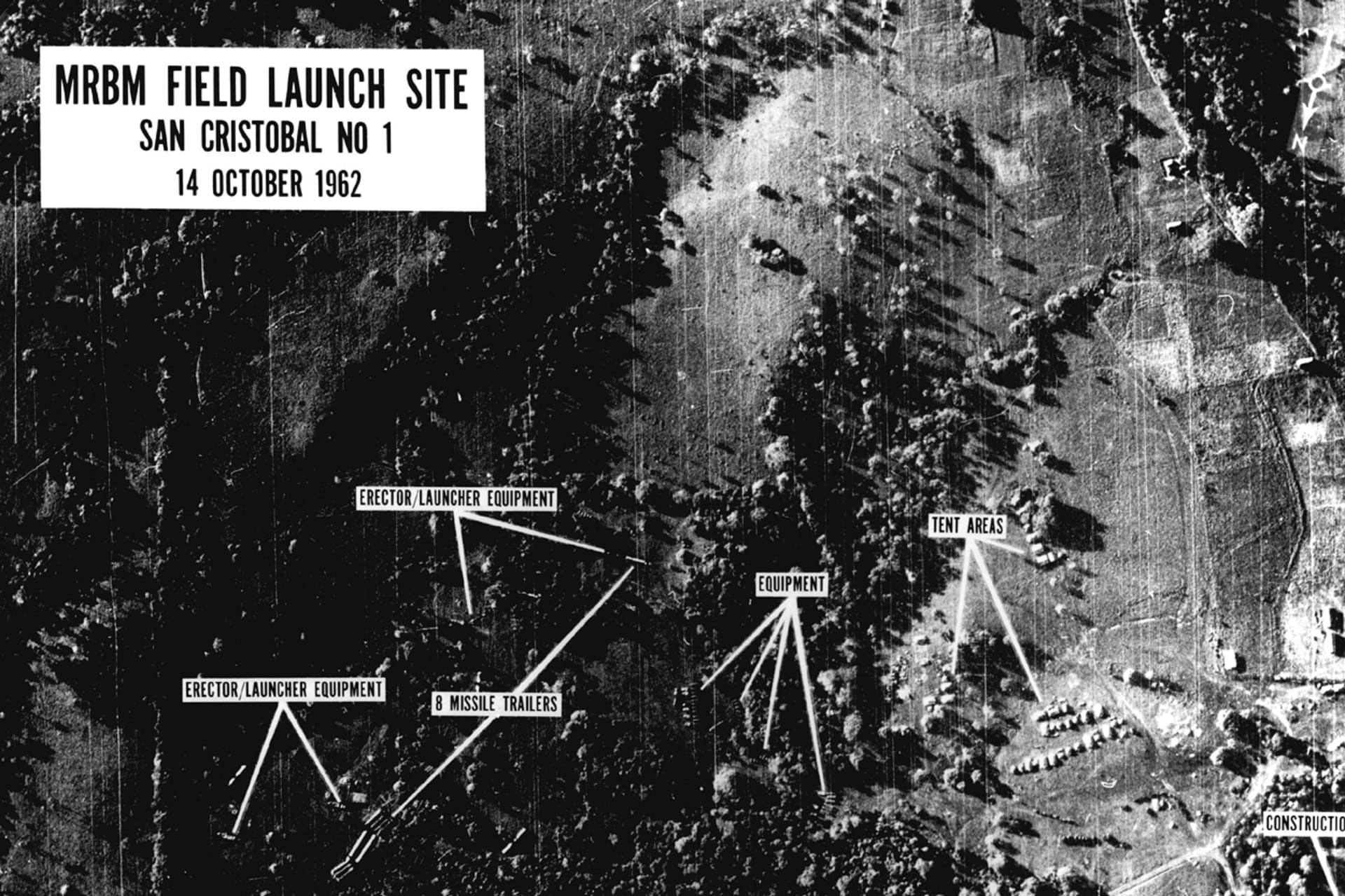
    The United States faces evolving threats from China, Russia, Iran, and North Korea, but a culture of overclassification of intelligence results in the routine failure to share vital information at speed and scale. In an example of bipartisanship, panelists discuss how the United States can reform its national security information policies, regulations, and laws to ensure crucial insights are shared quickly and effectively across government. Please note there is no Zoom component to the meeting. 
  • United States
    Women, Peace, and Security: A Bipartisan Conversation With Representatives Lois Frankel and Jen Kiggans
    Play
    Representatives Lois Frankel (D) and Jen Kiggans (R), cochairs of the bipartisan congressional Women, Peace, and Security Caucus discuss the role of women in advancing democracy and stability worldwide. Please note there is no virtual component to the meeting.
  • G20 (Group of Twenty)
    What Does the G20 Do?
    The Group of Twenty, an informal gathering of many of the world’s largest economies, is the premier global forum for discussing international economic issues. Its 2025 summit marks the first time the forum is hosted in Africa, but questions loom about the group’s continued relevance. 
  • Jamaica
    Trump’s Disaster Aid Rebound
    The Trump administration’s response to Hurricane Melissa offers a glimpse into a possible new paradigm for the deployment of U.S. aid abroad.
  • United States
    The Post-COP30 World of Energy Technology, Competition, and Cooperation to Address the Climate Crisis
    Play
    Former U.S. Secretary of State and former U.S. Special Presidential Envoy for Climate John Kerry discusses the state of global and U.S. climate policy, the opportunities and challenges of advancing energy innovation, and the potential for economic growth through clean technology leadership. For those attending virtually, log-in information and instructions on how to participate during the question-and-answer portion will be provided the evening before the event to those who register.
  • United States
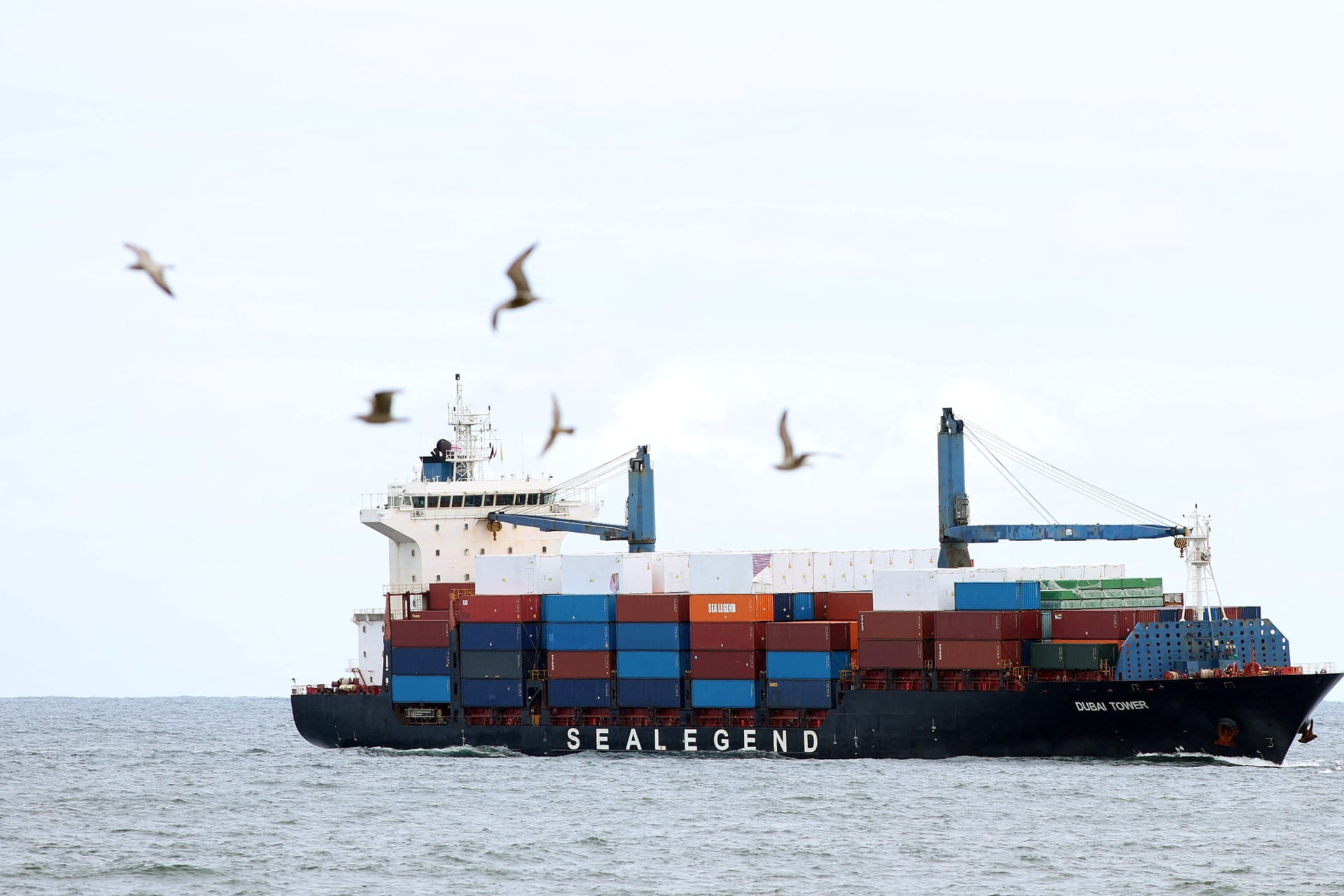
    A Guide to Trump’s Section 232 Tariffs, in Maps
    President Donald Trump has launched a wave of Section 232 tariffs and investigations, seeking to protect U.S. national security. These graphics show the scale and structure of U.S. reliance on foreign suppliers for products ranging from cars to copper.
  • United States
    North American Leaders ‘Take a Deep Breath’ Ahead of USMCA Review
    Government tensions have upended the economic relationships between the United States, Canada, and Mexico. Despite this, public- and private-sector North American members of the Trilateral Commission appeared committed to finding a path forward.
  • United States
    ‘America First’ Meets the National Security and Defense Strategies
    Will the two congressionally mandated documents provide some clarity about President Trump’s priorities and strategy?     
  • Economics
    CFR Task Force Report: U.S. Economic Security—Winning the Race for Tomorrow's Technologies
    Play
    In its important new report, U.S. Economic Security: Winning the Race for Tomorrow’s Technologies, the CFR Task Force on Economic Security finds that strategic competition over the world’s next generation of foundational technologies is underway, and U.S. advantages in artificial intelligence, quantum, and biotechnology are increasingly contested. The high-level, bipartisan Task Force warns that economic security risks, especially overconcentration of critical supply chains in China and underinvestment in strategically important areas at home, threaten American leadership in these three crucial sectors of the future. The Task Force report provides a comprehensive view of vulnerabilities that the United States must address and offers practical recommendations for mobilizing the resources needed to prevail.  For those attending virtually, log-in information and instructions on how to participate during the question-and-answer portion will be provided the evening before the event to those who register.  This Task Force is part of RealEcon: Reimagining American Economic Leadership, a CFR initiative of the Maurice R. Greenberg Center for Geoeconomic Studies. Members may bring a guest to this event.
  • United States
    From COP3 to COP30 and Beyond: The Future of Climate Negotiations
    Play
    As leaders gather in Brazil to discuss international climate policy for COP30, panelists discuss the future of global climate negotiations and reflect on lessons learned from past climate diplomacy efforts, including the legacy of COP3's 1997 Kyoto Protocol. The Royal Shakespeare Company's production of Kyoto is now playing at Lincoln Center Theater in New York. Kyoto tells the story of the tense negotiations during the third COP at the Kyoto Conference Centre in December 1997. A limited number of seats for the performance on November 12 has been offered to CFR members for purchase. If you are interested, please contact [email protected] or look for the invitation on CFR.org/member.   This is a virtual meeting through Zoom. Log-in information and instructions on how to participate during the question-and-answer portion will be provided the evening before the event to those who register. Please note the audio, video, and transcript of this virtual meeting will be posted on the CFR website. This meeting is presented in partnership with CFR's Climate Realism Initiative.
  • United States
    Thanking America’s Veterans
    Veterans Day recognizes those who have served in the U.S. armed forces.
  • Venezuela
    Open to Debate: Should the United States Militarize the War on Drugs?
    Play
    In a collaboration between CFR and Open to Debate, panelists debate the legal, moral, operational, and diplomatic trade-offs of the Trump administration's recently authorized military strikes against suspected drug trafficking vessels and its designation of certain cartels as foreign terrorist organizations. Supporters argue this is a necessary deterrent and part of a broader strategy to treat narcotrafficking as a national security threat. Critics claim it violates domestic and international law, undermines sovereignty, risks civilian harm, and may provoke dangerous escalation. Under what circumstances, if any, is military force justified in combating drug trafficking networks? Open to Debate is the nation’s only nonpartisan, debate-driven media organization dedicated to bringing multiple viewpoints together for a constructive, balanced, respectful exchange of ideas. Open to Debate is a platform for intellectually curious and open-minded people to engage with others holding opposing views on complex issues. Please note there is no virtual component to this meeting. The recording of this debate will be posted on the CFR and Open to Debate websites and broadcast on NPR stations nationwide.