Liana Fix
Senior Fellow for Europe
The Wachenheim Program on Peace and Security at the Council on Foreign Relations is dedicated to conflict prevention and resolution. The program seeks to identify pathways to prevent, mitigate, and end conflict, as well as promote the conditions that engage a just and secure peace. It aims to generate debate on these issues and why they matter to the United States.
This program is made possible by the generous support of the Sue & Edgar Wachenheim Foundation.
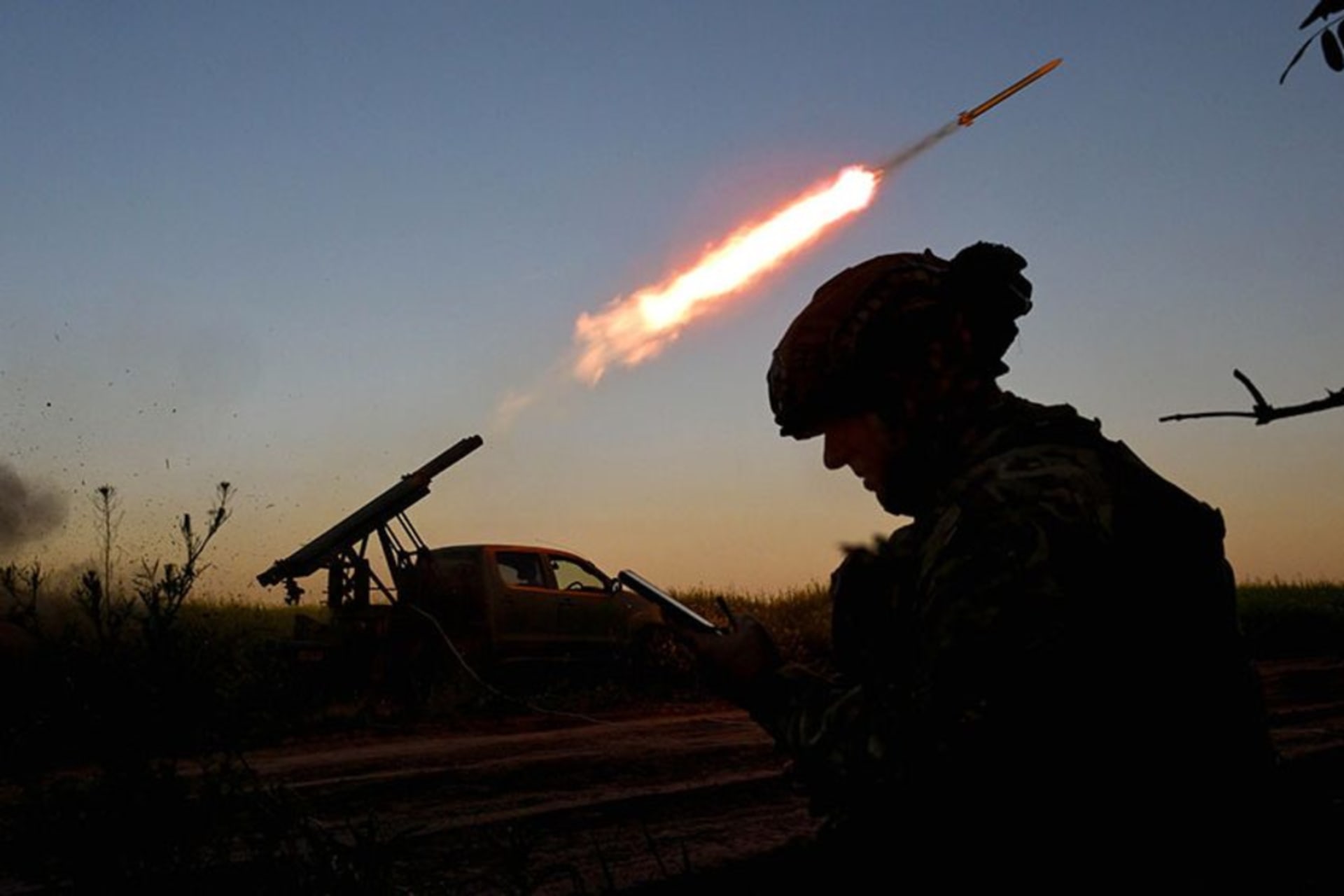
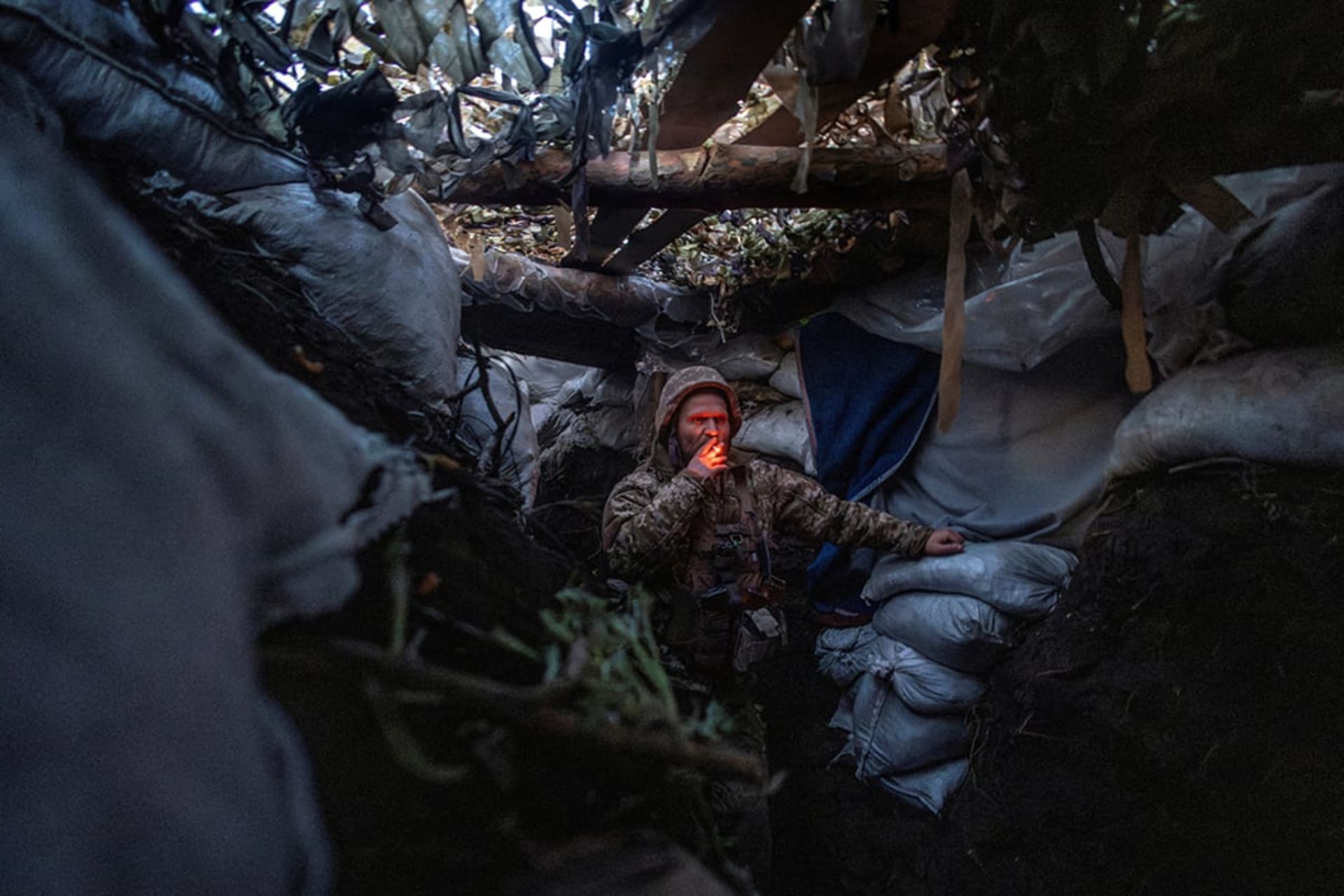
Ensuring that Ukraine resists Russian aggression and survives as a secure, sovereign, democratic state is central to the future of European peace and security.

Recent years have seen cooperation among China, Russia, Iran, and North Korea broadening and deepening, ushering in a new “Axis of Autocracies.” The group is not only cooperating to sustain support for Russia’s war in Ukraine, but also working to divide the United States from its traditional friends, partners, and allies, and to encourage resentment in the Global South toward the West.
The return of great power competition, Russia’s nuclear saber-rattling, China’s rapid build-up of its nuclear arsenal, and the collapse of the arms control architecture pose serious questions for U.S. nuclear strategy, the composition of its nuclear arsenal, and its arms control and non-proliferation policies.
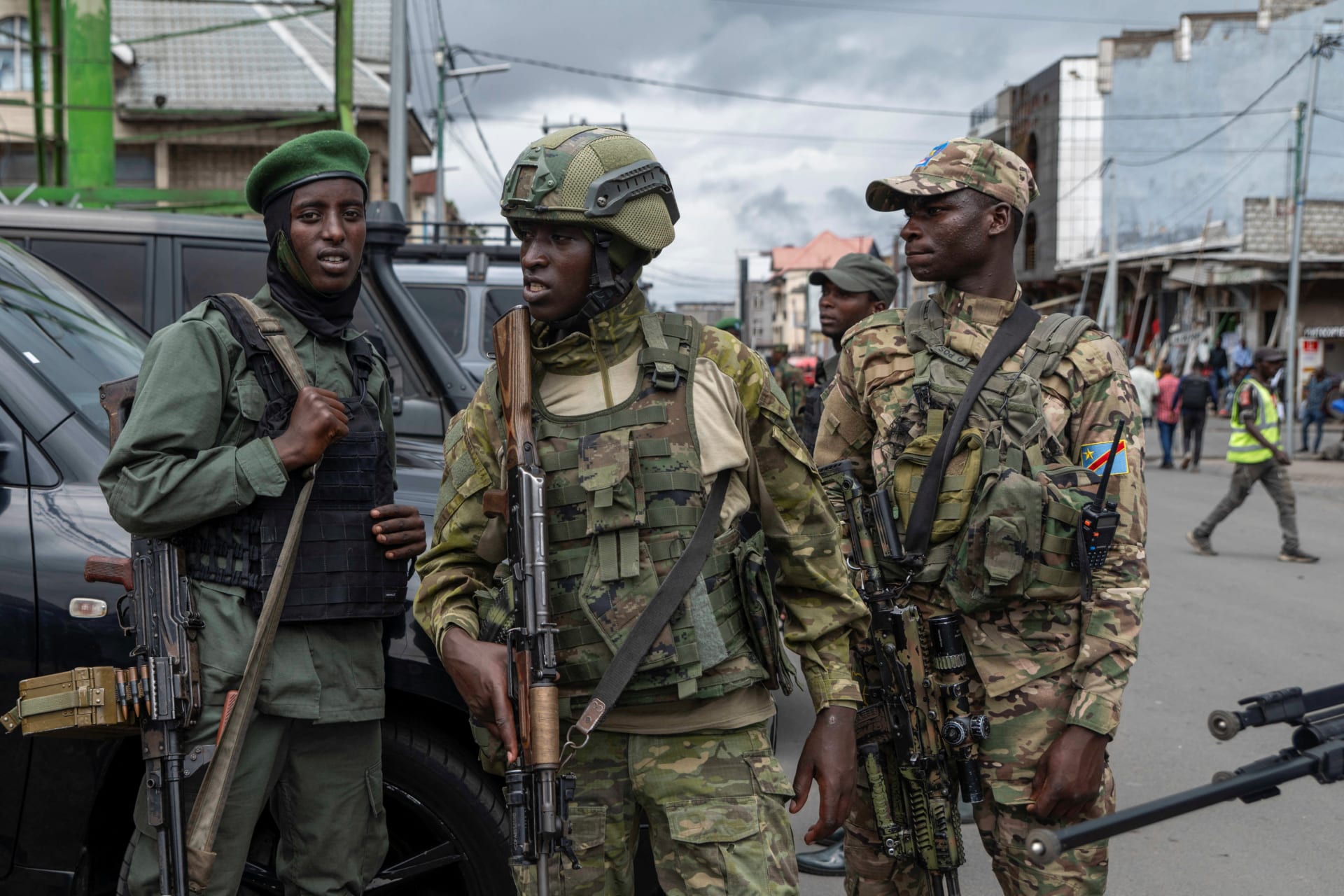
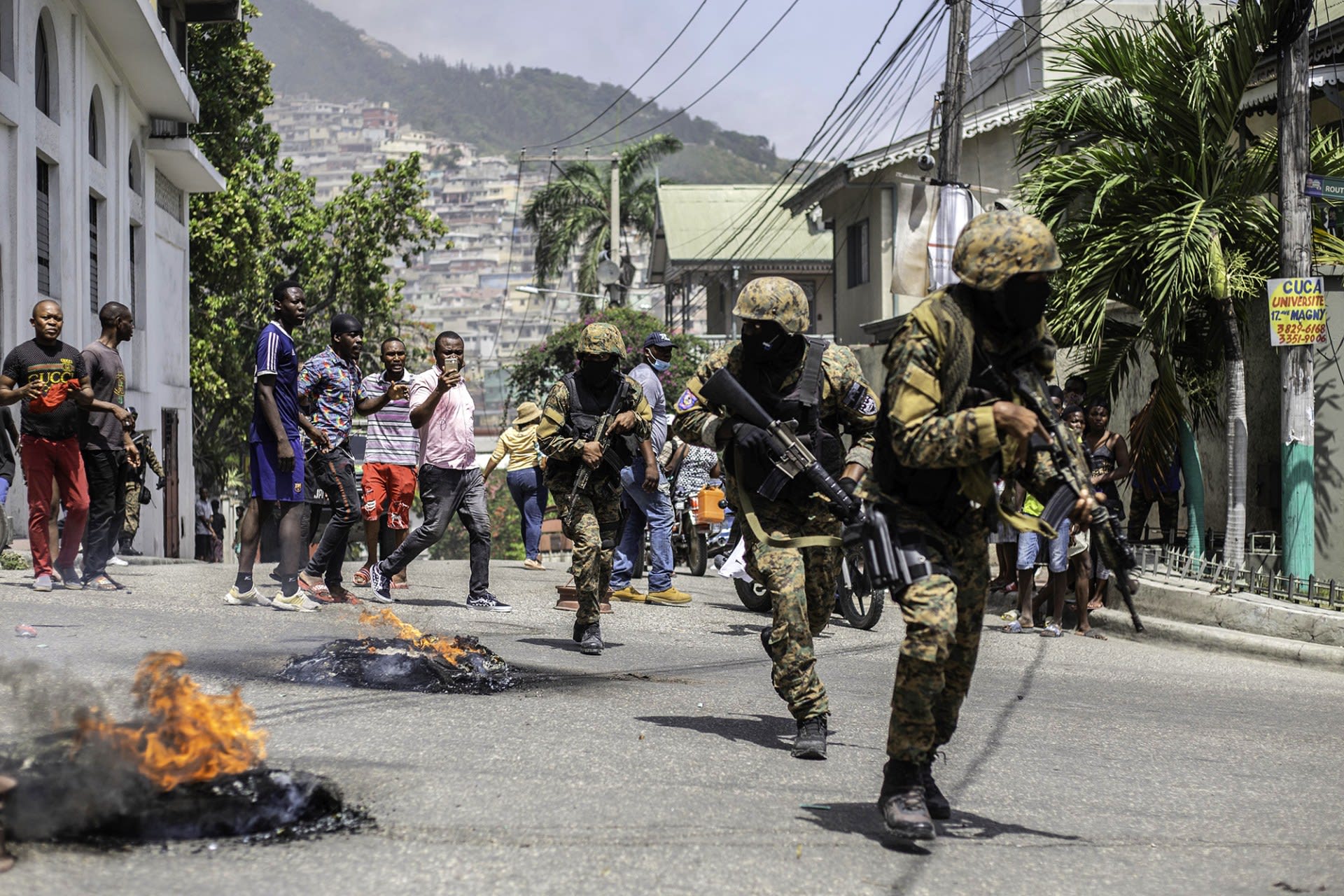
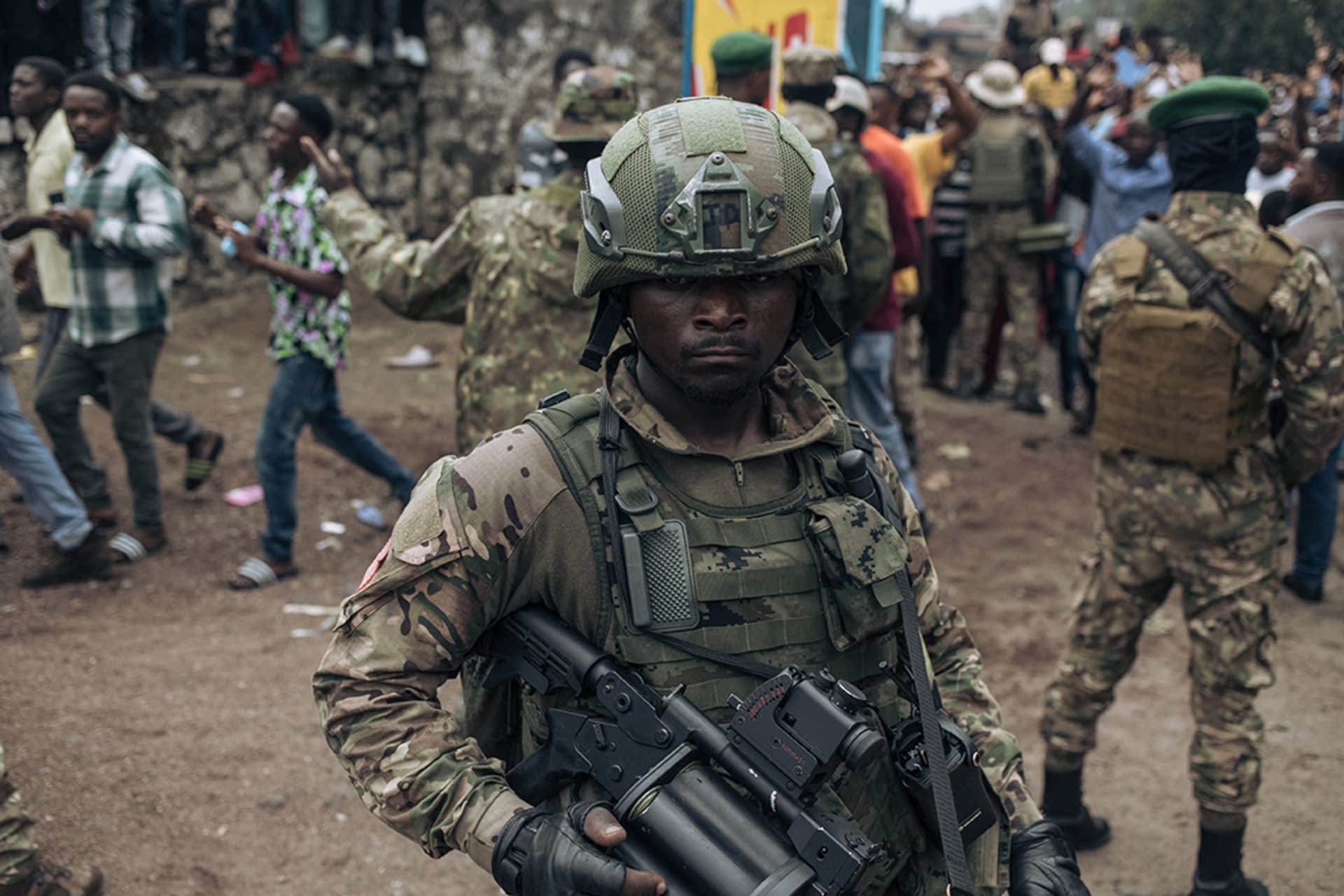
In many places around the world, insecurity and violence are perpetuated not by governments and official armies but by informal militias, militants, and organized crime rings. These non-state armed actors not only terrorize local populations but also undermine government control and even presence, as well as proliferate illicit economies.
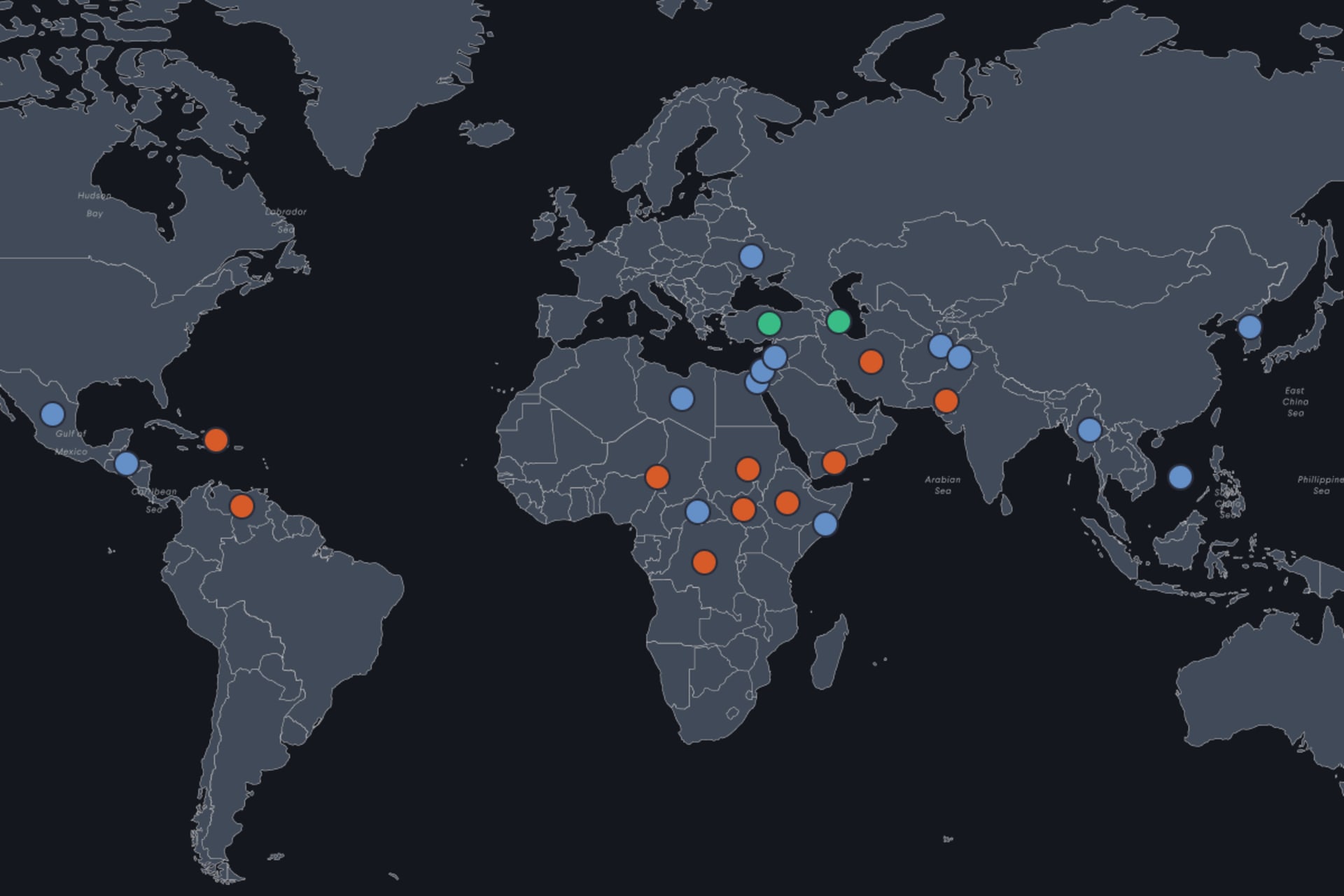
The Center for Preventive Action’s (CPA) Global Conflict Tracker is an interactive guide to ongoing conflicts around the world of concern to the United States. The map displays nearly thirty conflicts with background information and resources on each conflict. Learn About the Methodology.
12 results