Preventive Priorities Survey
2026
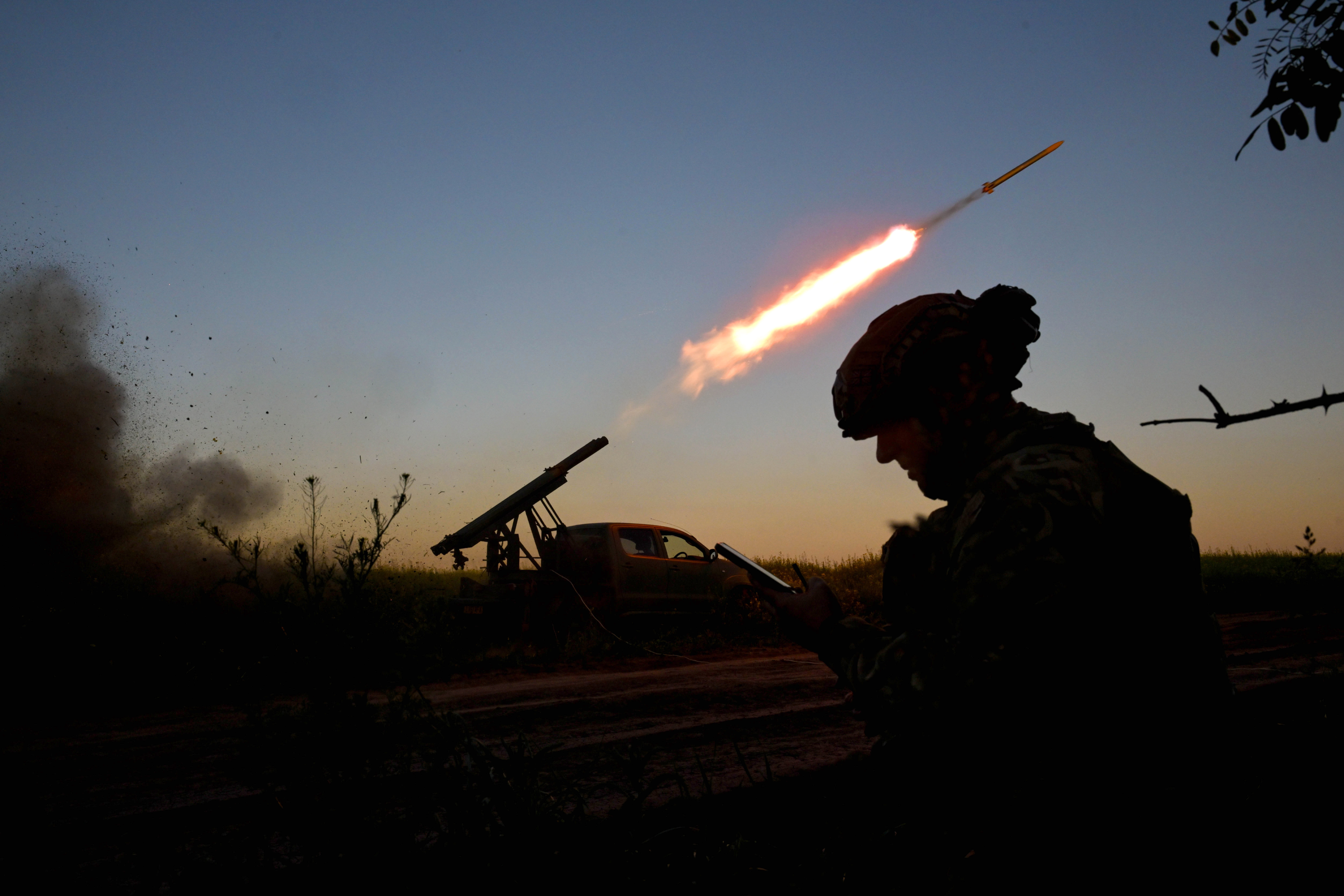
The world continues to grow more violent and disorderly. According to CFR’s annual conflict risk assessment, American foreign policy experts are acutely concerned about conflict-related threats to U.S. national security and international stability that are likely to emerge or intensify in 2026. In this report, surveyed experts rate global conflicts by their likelihood and potential harm to U.S. interests and, for the first time, identify opportunities for preventive action.
2025
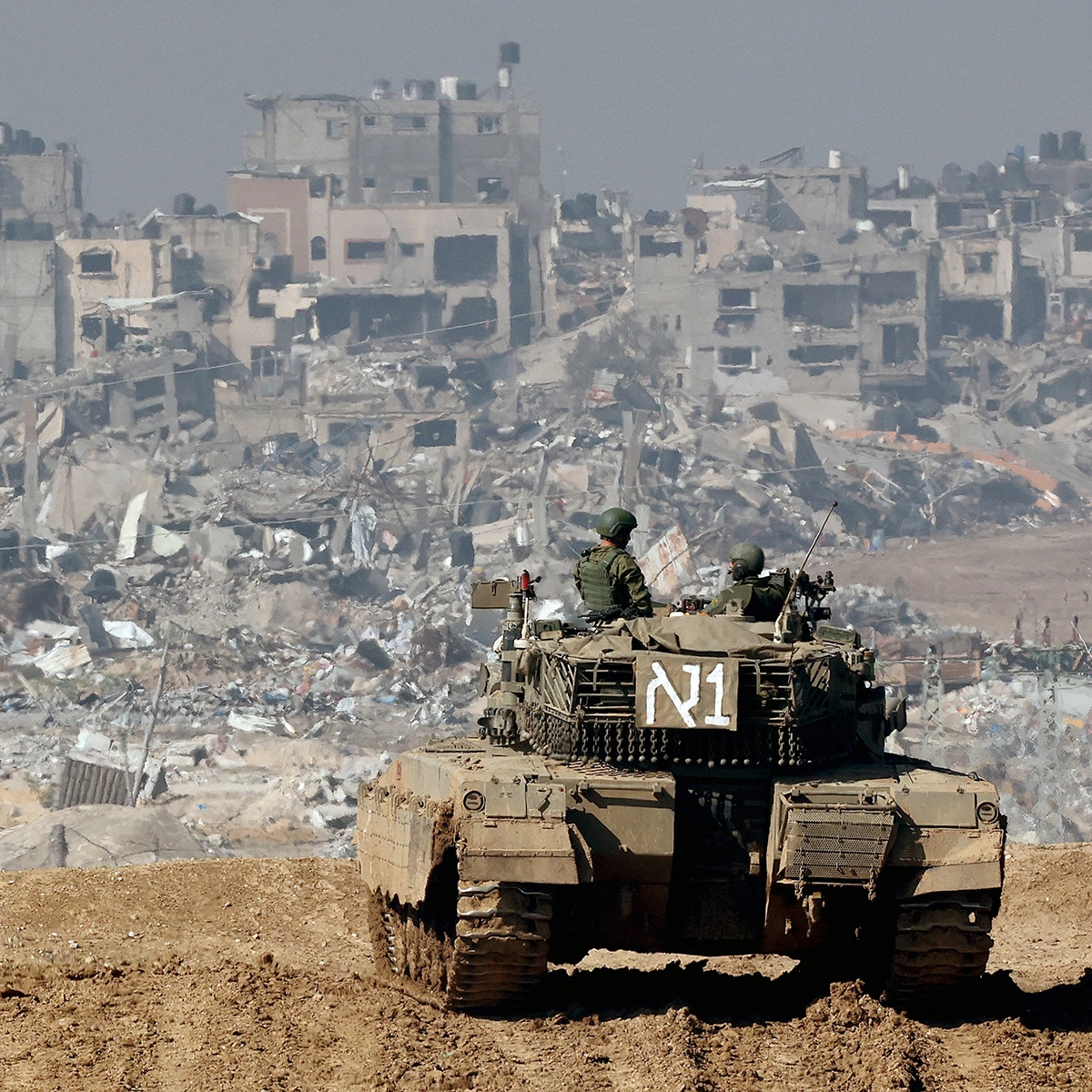
This year could be the most dangerous in the PPS’s seventeen-year history: experts predict that more contingencies have both a high likelihood of occurring and high impact on U.S. interests than ever before. Wars in Gaza and Ukraine, confrontations in the West Bank and at the U.S.-Mexico Border, and hostilities between Iran and Israel were of the greatest concern.
2024
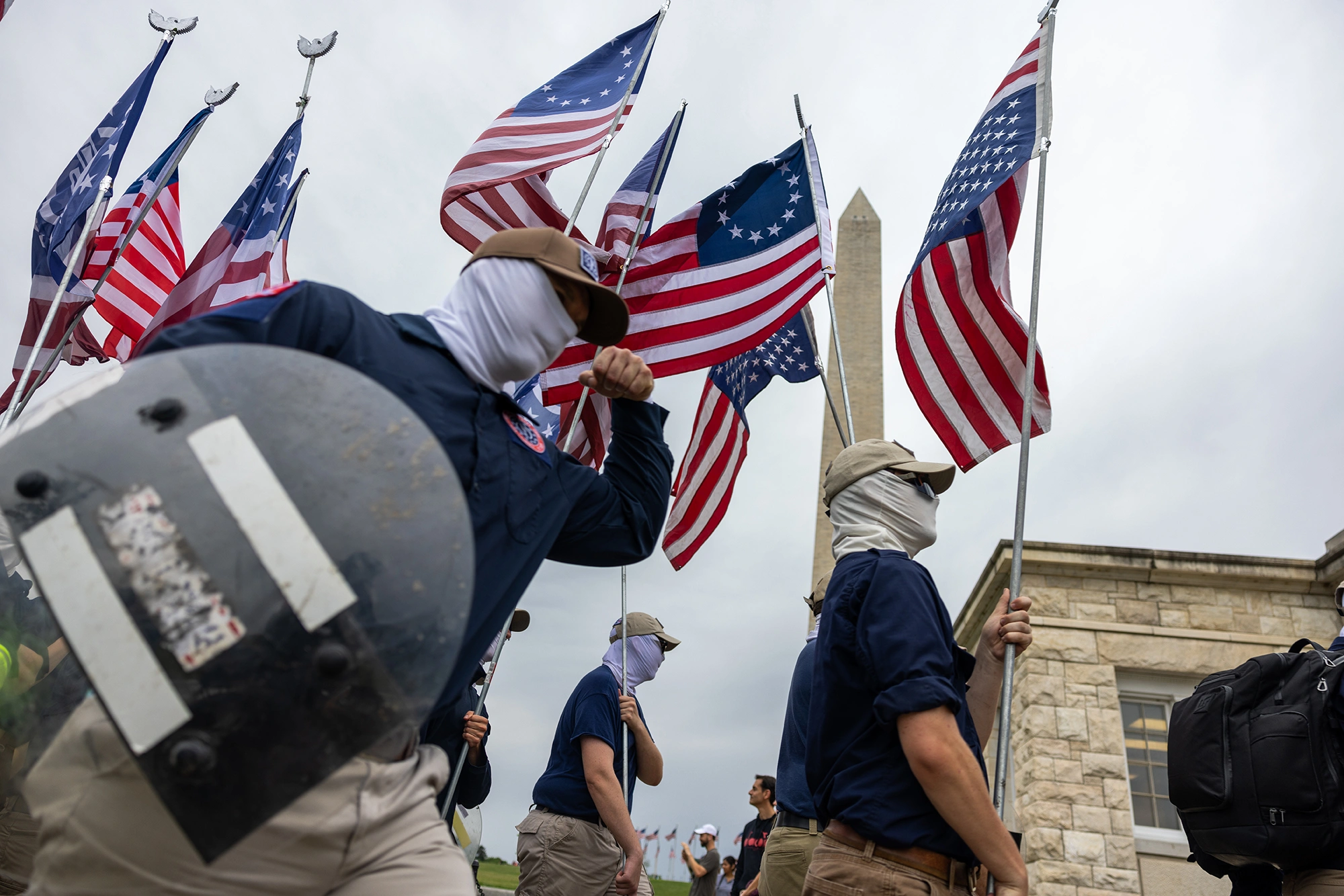
For the first time in its sixteen-year history, the Council on Foreign Relations’ (CFR) annual Preventive Priorities Survey (PPS) found that the leading concern for foreign policy experts is not a foreign threat to U.S. interests, but the possibility of domestic terrorism and acts of political violence in the United States, particularly around the 2024 presidential election.
2023
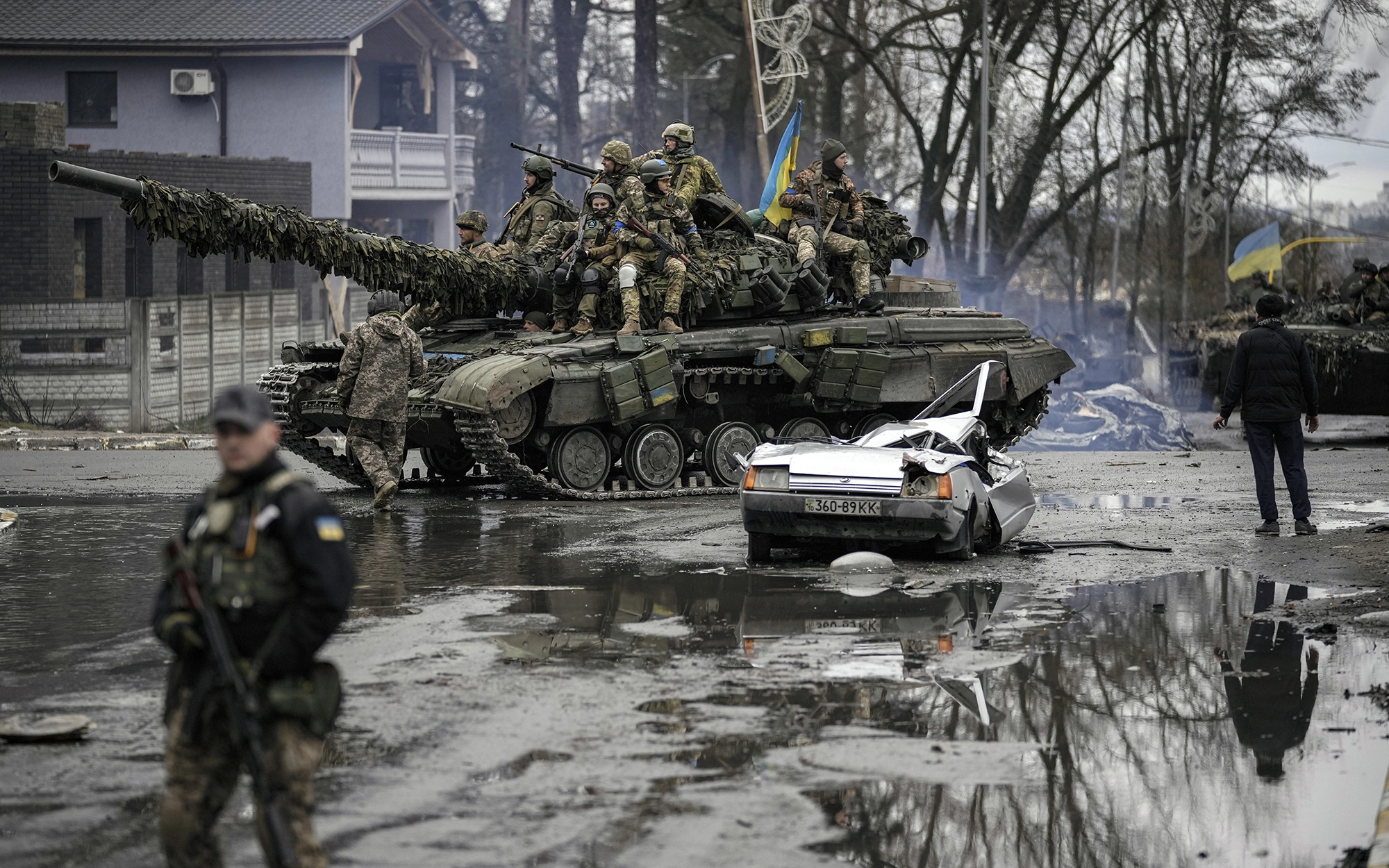
The world took a dangerous turn in 2022. High-intensity conflict broke out in Europe—something widely considered unimaginable just a few years ago—while tensions continue to escalate between the United States and China over Taiwan. Meanwhile, the potential for conflict on the Korean peninsula and between Iran and Israel remains high. Interstate warfare, and the potential for its escalation, features prominantly in the Council on Foreign Relations’ (CFR) fifteenth annual Preventive Priorities Survey.
2022
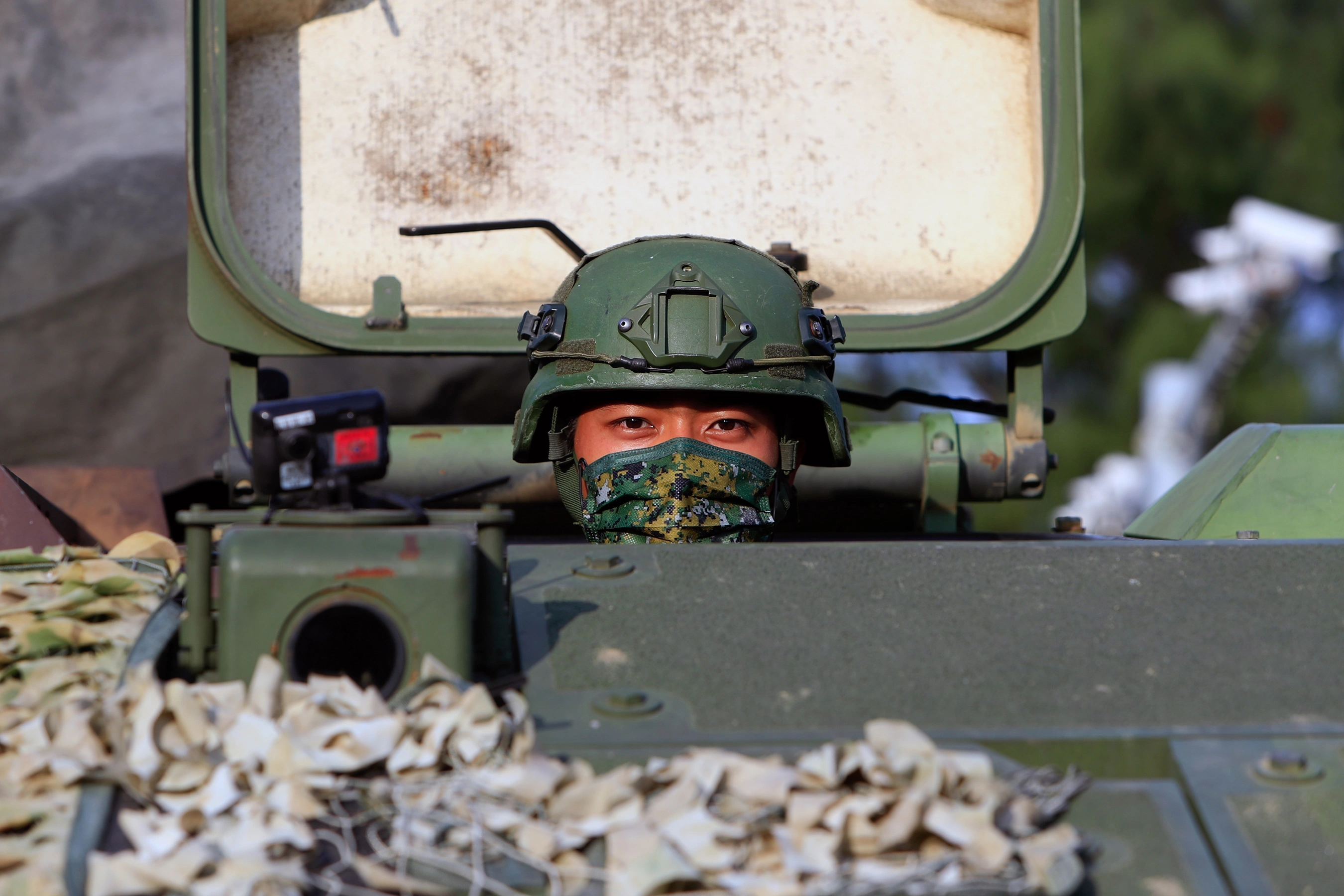
The Joe Biden administration is confronting several acute humanitarian crises this year amid growing tensions with China, Iran, and Russia, according to the Council on Foreign Relations’ (CFR) fourteenth annual Preventive Priorities Survey. The survey finds an alarming trend: severe food shortages, diminished foreign aid, political instability, and deteriorating economic conditions are accelerating humanitarian and refugee crises around the world.

2021
A crisis stemming from North Korea’s continued development of nuclear weapons and ballistic missile testing is the top-ranked conflict concern for 2021, according to the Council on Foreign Relations’ (CFR) thirteenth annual Preventive Priorities Survey. The survey identifies potential violent overseas conflicts where U.S. troops might be deployed in the year ahead.
2020
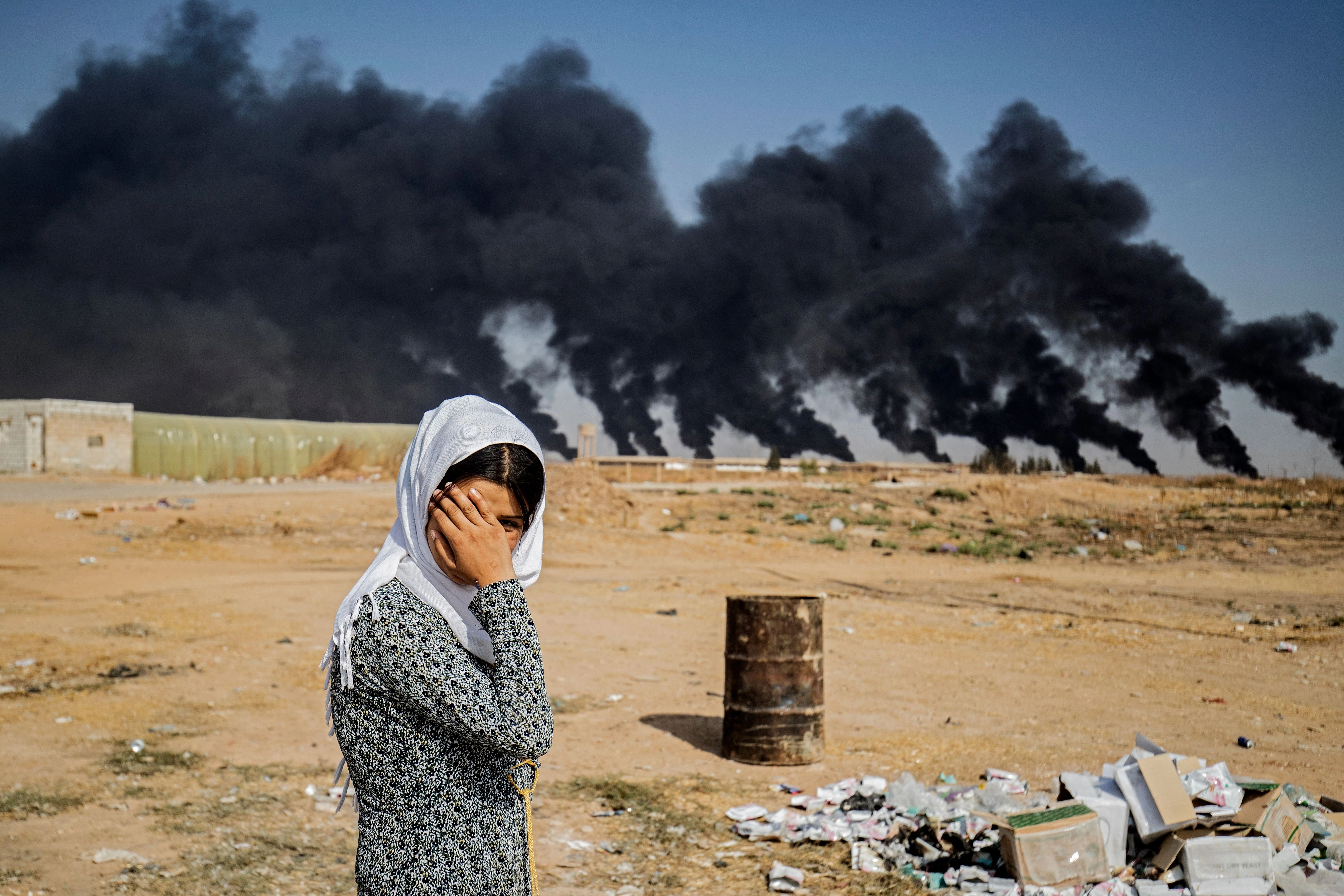
This year, “perhaps as an indication of rising concern about the state of the world, respondents rated more threats as likely to require a U.S. military response for 2020 than in any other Preventive Priorities Survey (PPS) from the last eleven years,” notes Paul B. Stares, CPA director and General John W. Vessey senior fellow for conflict prevention.

2019
Some interesting takeaways were evident in this year’s survey results. For one, threats to the U.S. homeland, including cyberattacks and terrorist attacks, have consistently been ranked as top-tier concerns. Secondly, despite experts’ and policymakers’ growing apprehension over the potential for conflict between the United States and China, only one contingency involving China—an armed confrontation in the South China Sea—was considered a Tier I priority.

2018
The Council on Foreign Relations’ tenth annual Preventive Priorities Survey identified eight top conflict prevention priorities for the United States in the year ahead, highlighting armed confrontations between the United States and North Korea and Iran as serious international concerns.
2017
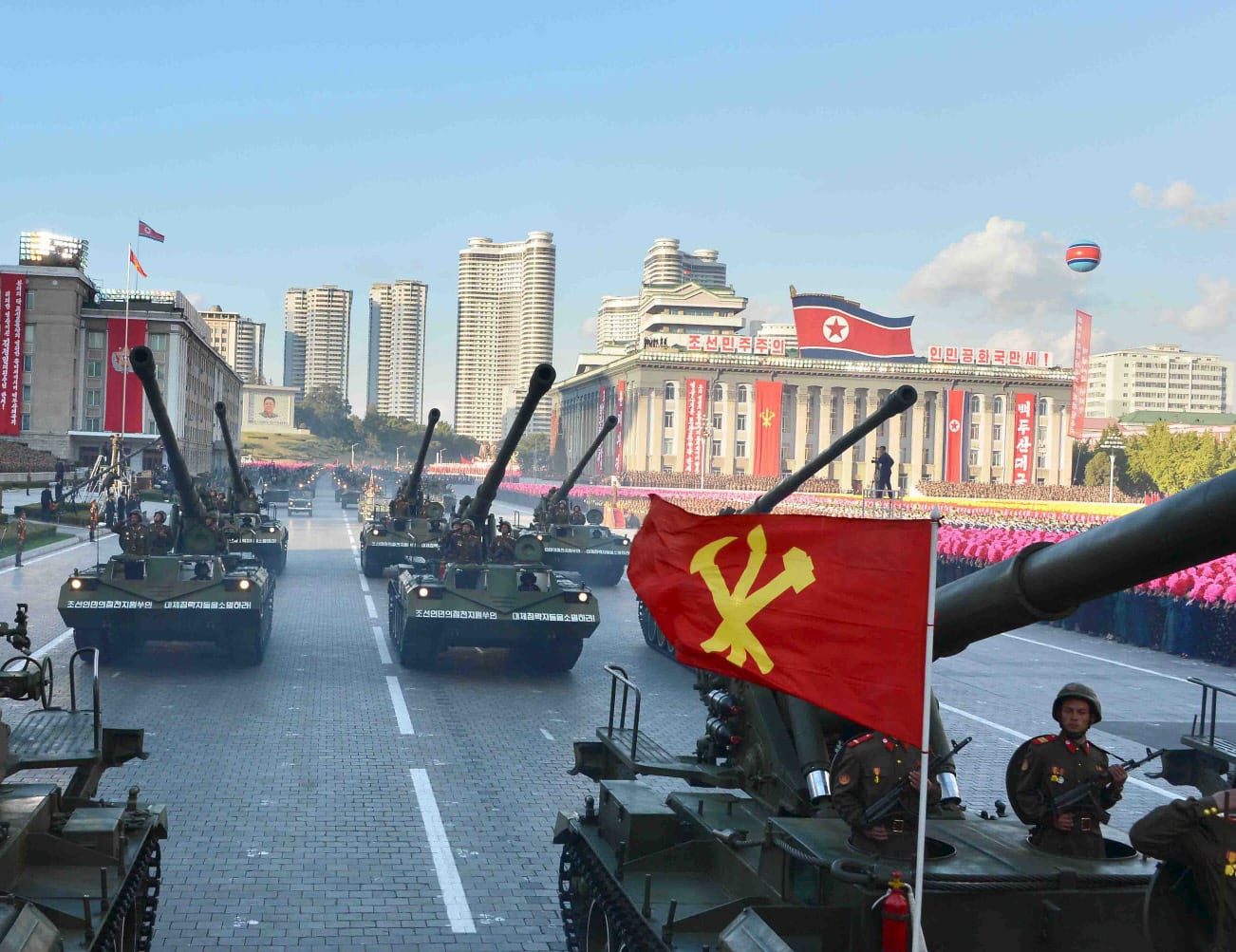
A serious military confrontation between Russia and a North Atlantic Treaty Organization (NATO) member state or a severe crisis in North Korea are among top international concerns for 2017 cited by a new survey of experts. The Council on Foreign Relations’ (CFR) ninth annual Preventive Priorities Survey identified seven top potential flashpoints for the United States in the year ahead.
2016
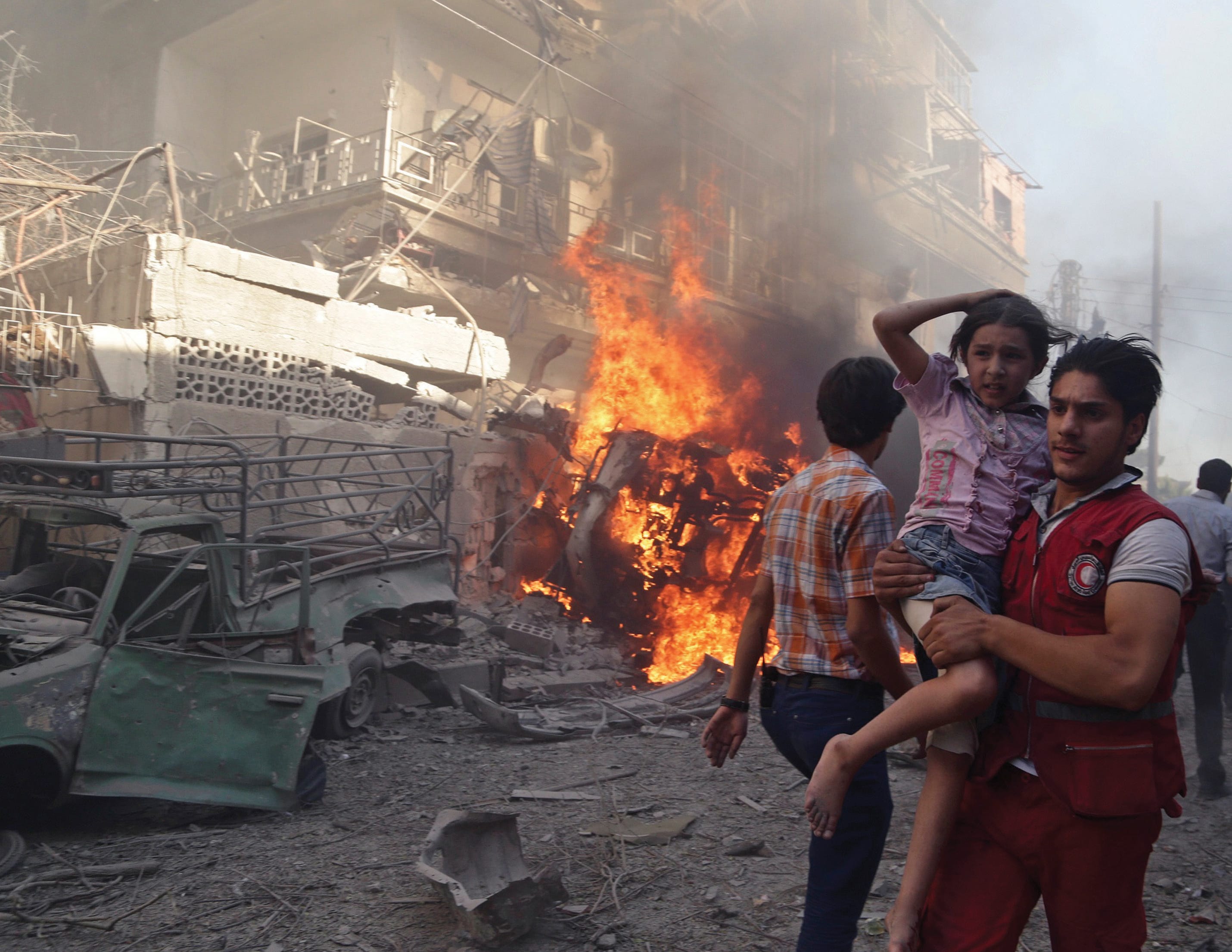
The Council on Foreign Relations’ tenth annual Preventive Priorities Survey identified eight top conflict prevention priorities for the United States in the year ahead, highlighting armed confrontations between the United States and North Korea and Iran as serious international concerns.
2015
A serious military confrontation between Russia and a North Atlantic Treaty Organization (NATO) member state or a severe crisis in North Korea are among top international concerns for 2017 cited by a new survey of experts. The Council on Foreign Relations’ (CFR) ninth annual Preventive Priorities Survey identified seven top potential flashpoints for the United States in the year ahead.
2014
The Council on Foreign Relations’ tenth annual Preventive Priorities Survey identified eight top conflict prevention priorities for the United States in the year ahead, highlighting armed confrontations between the United States and North Korea and Iran as serious international concerns.
2013
A serious military confrontation between Russia and a North Atlantic Treaty Organization (NATO) member state or a severe crisis in North Korea are among top international concerns for 2017 cited by a new survey of experts. The Council on Foreign Relations’ (CFR) ninth annual Preventive Priorities Survey identified seven top potential flashpoints for the United States in the year ahead.

2012
The Council on Foreign Relations’ tenth annual Preventive Priorities Survey identified eight top conflict prevention priorities for the United States in the year ahead, highlighting armed confrontations between the United States and North Korea and Iran as serious international concerns.