Skip to content

Wachenheim Center for Peace and Security

The Wachenheim Center for Peace and Security at the Council on Foreign Relations is dedicated to conflict prevention and resolution. The center seeks to identify pathways to prevent, mitigate, and end conflict, as well as promote the conditions that engage a just and secure peace. It aims to generate debate on these issues and why they matter to the United States.

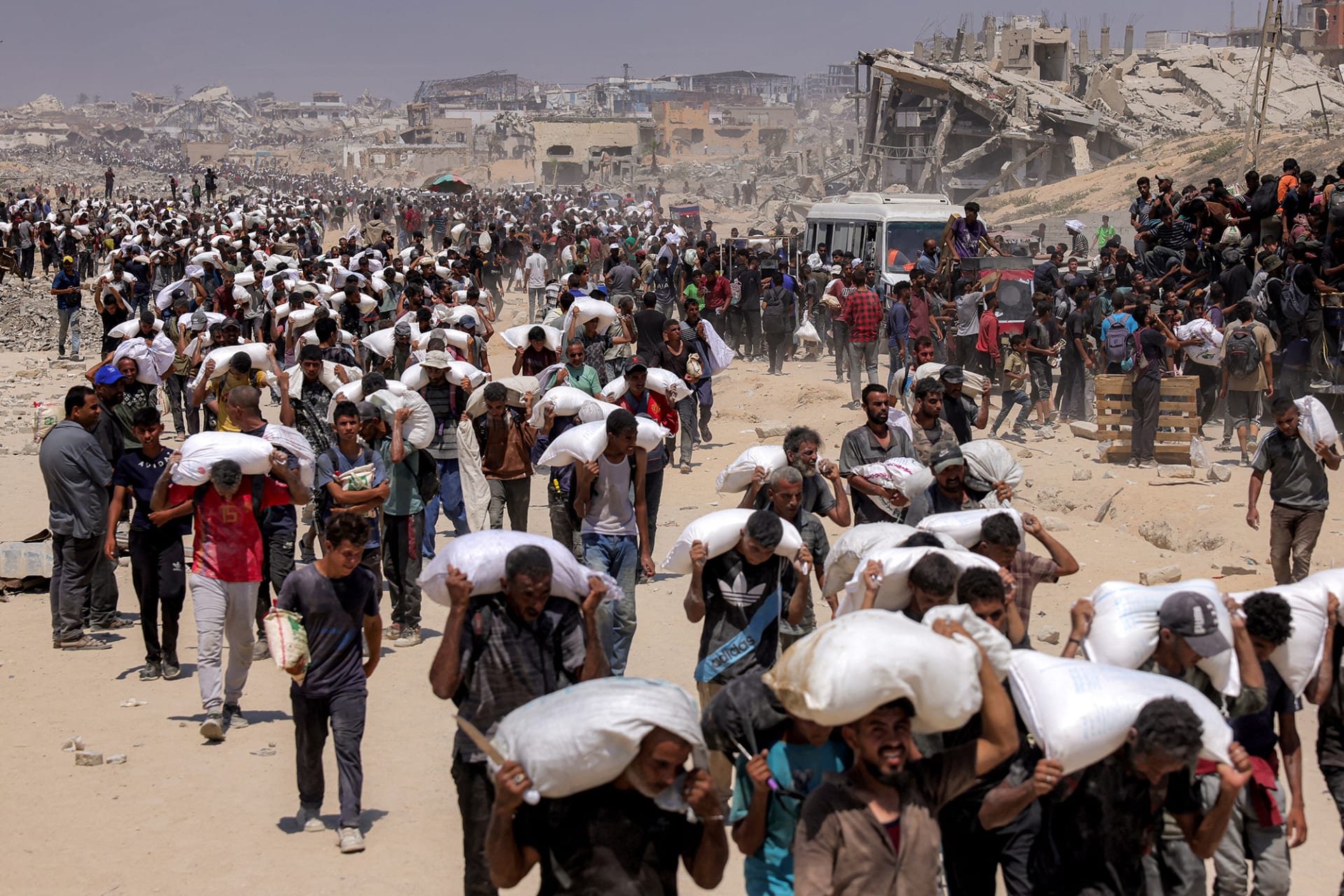
  • People walk with sacks of flour delivered after trucks carrying humanitarian aid entered northern Gaza on July 27, 2025 coming from the Zikim border crossing.

As the number, magnitude, and complexity of armed conflicts grow around the world, the means to address them remain rooted in past practices and challenged multilateral institutions. The Wachenheim Center on Peace and Security accomplishes its mission by producing forward-looking assessments and in-depth policy analysis, and by convening regular consultations with representatives of leading international institutions, civil society groups, corporations, and other research organizations.

This center is made possible by the generous support of the Sue & Edgar Wachenheim Foundation.

Projects

GCT tease

Global Conflict Tracker

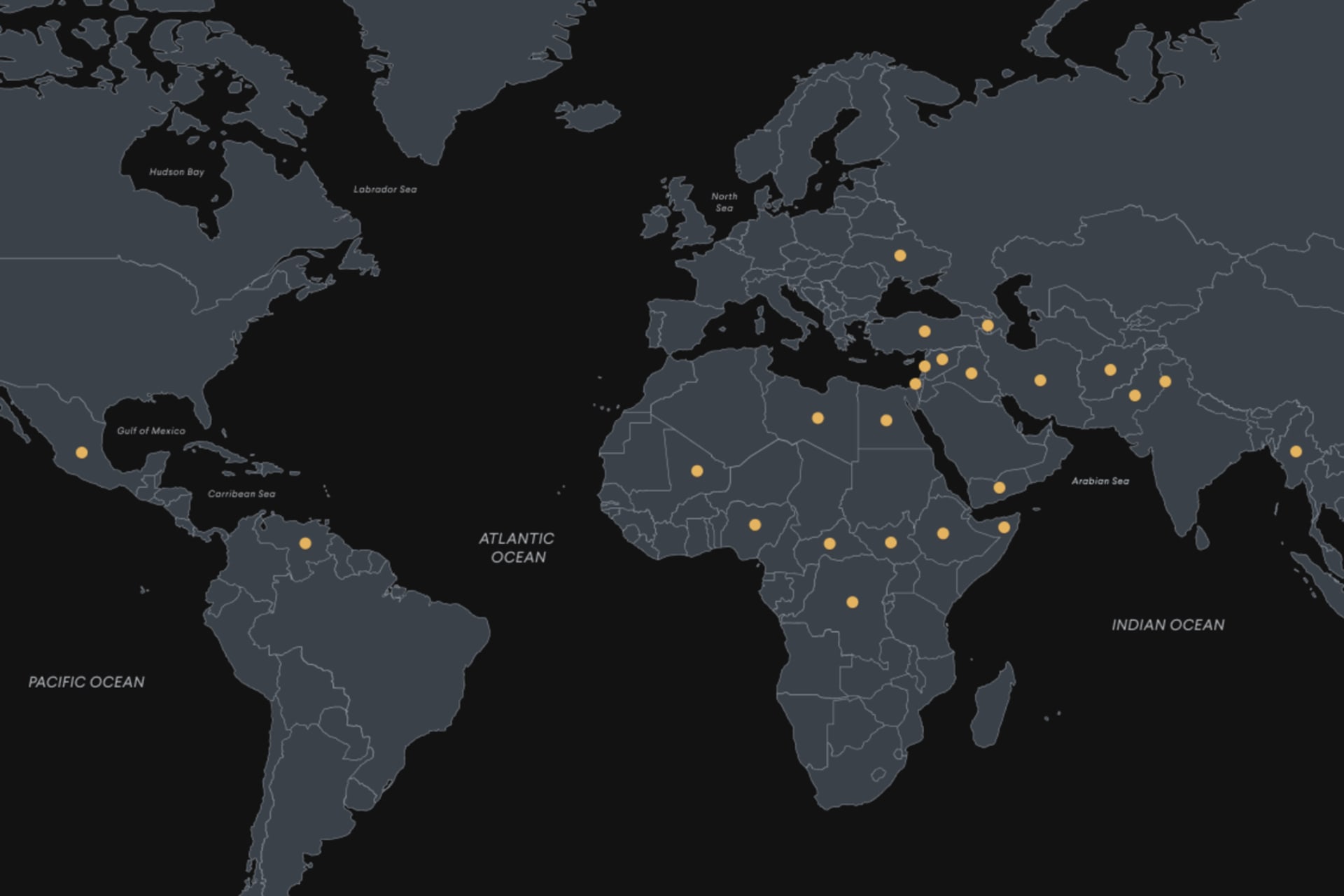
The Center for Preventive Action’s (CPA) Global Conflict Tracker is an interactive guide to ongoing conflicts around the world of concern to the United States. The map displays nearly thirty conflicts with background information and resources on each conflict.

Visit the Global Conflict Tracker

Securing Ukraine’s Future

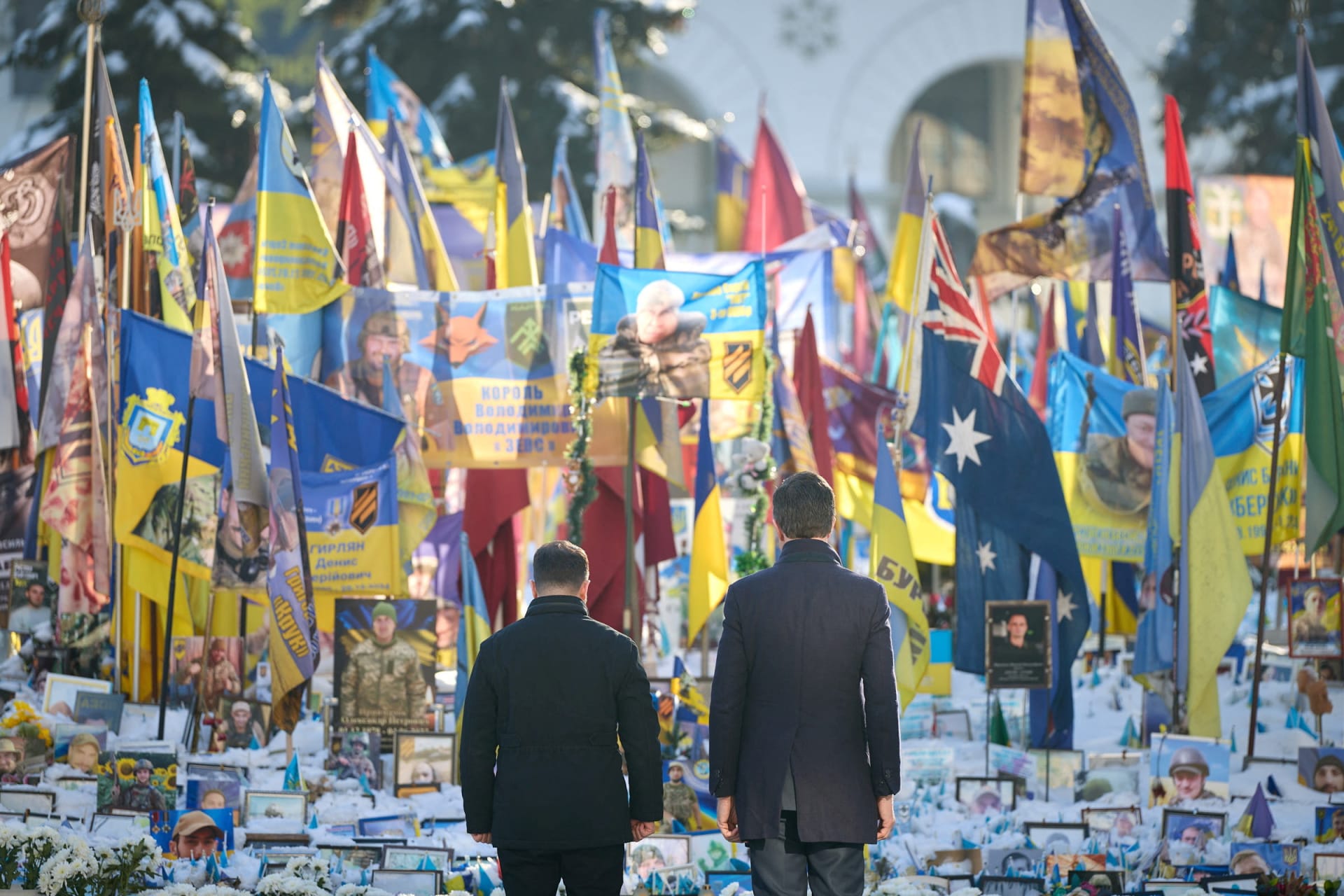
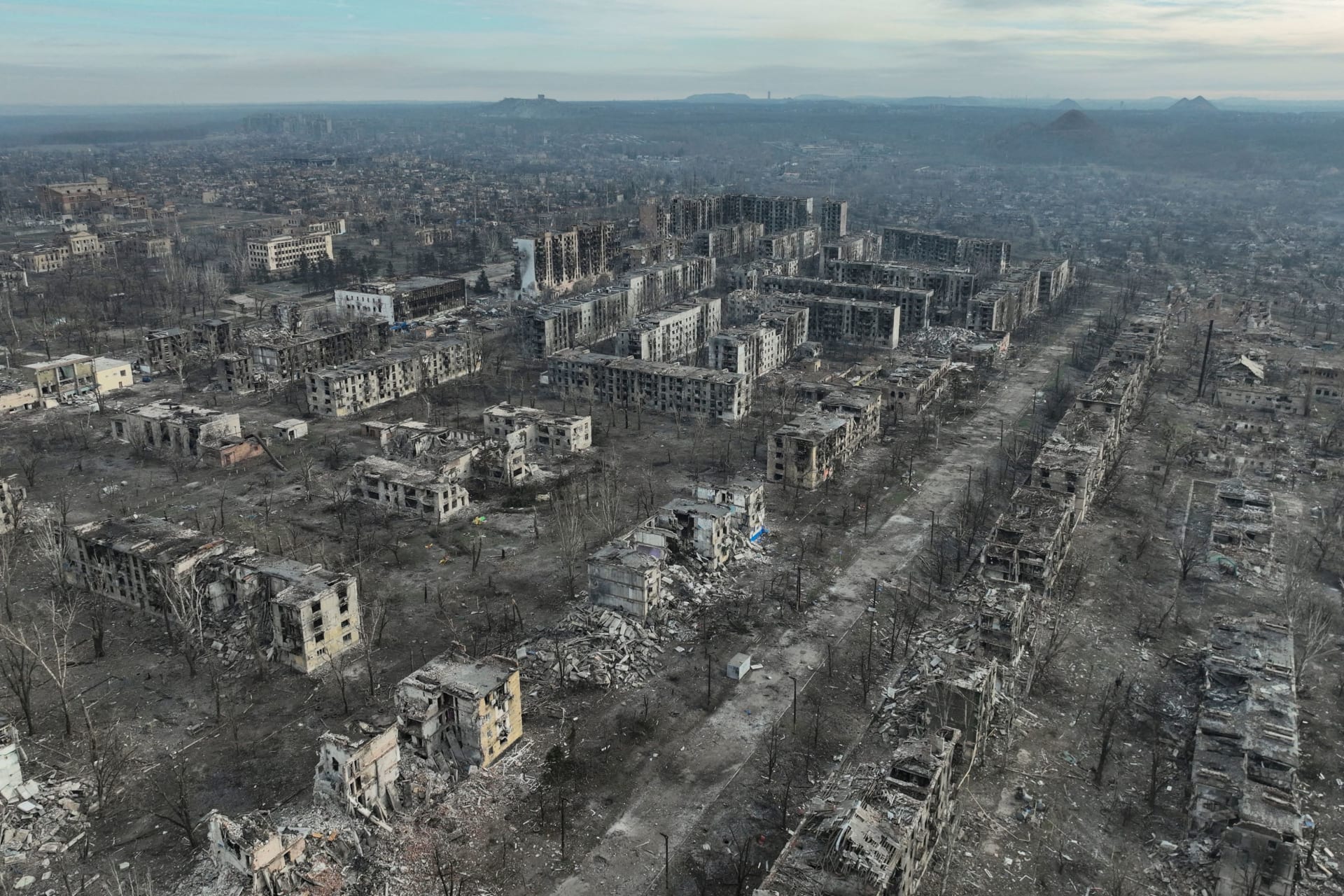
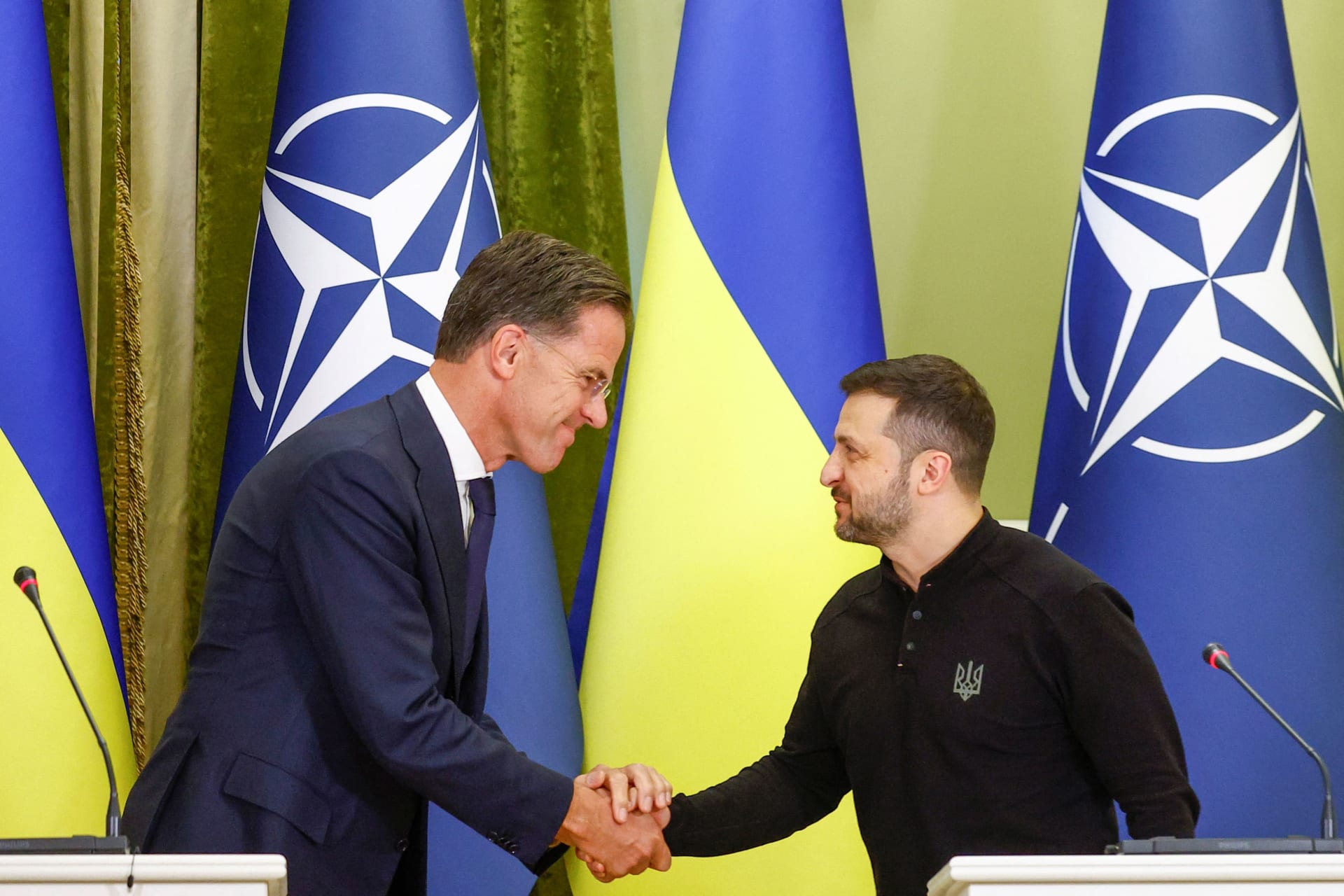
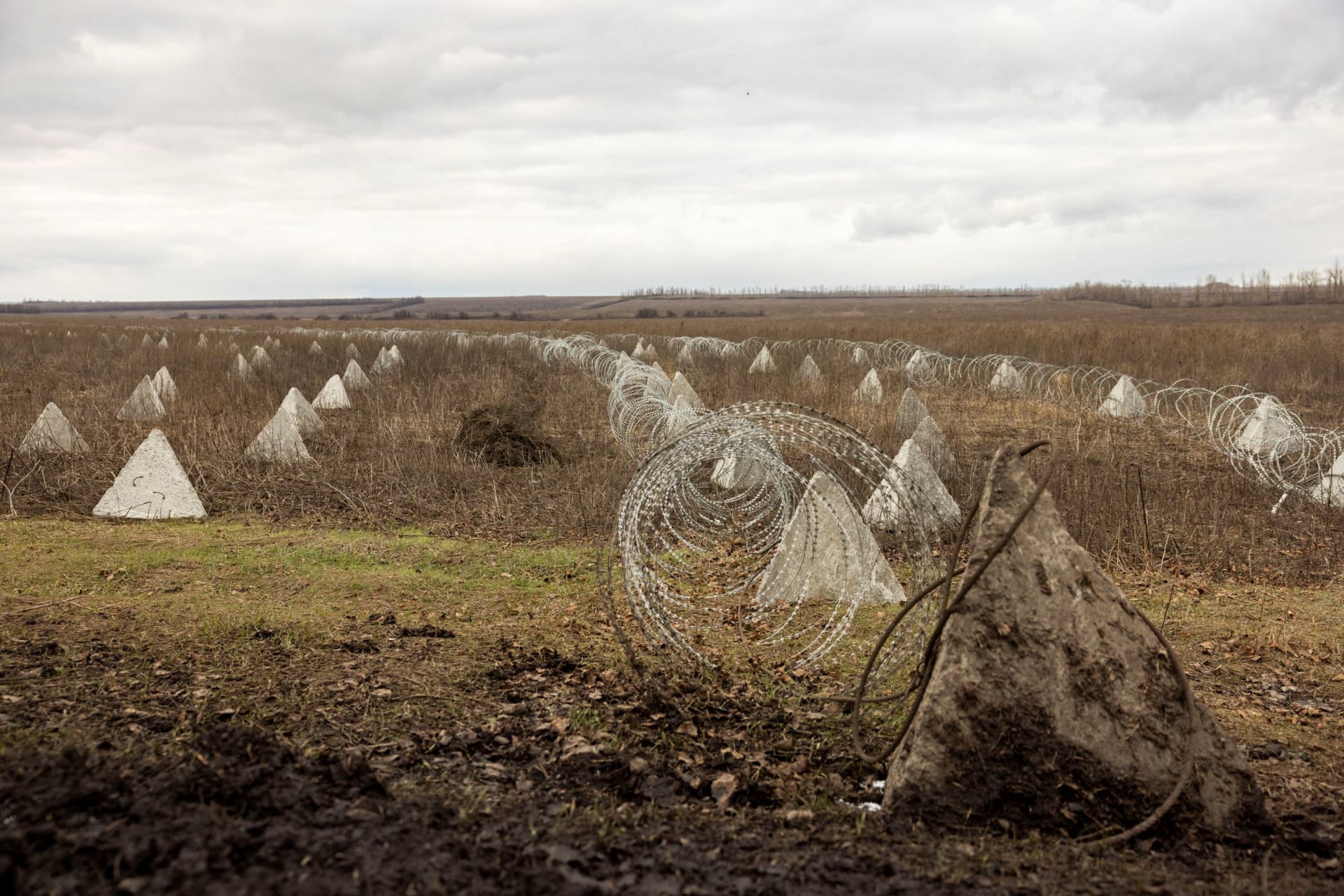
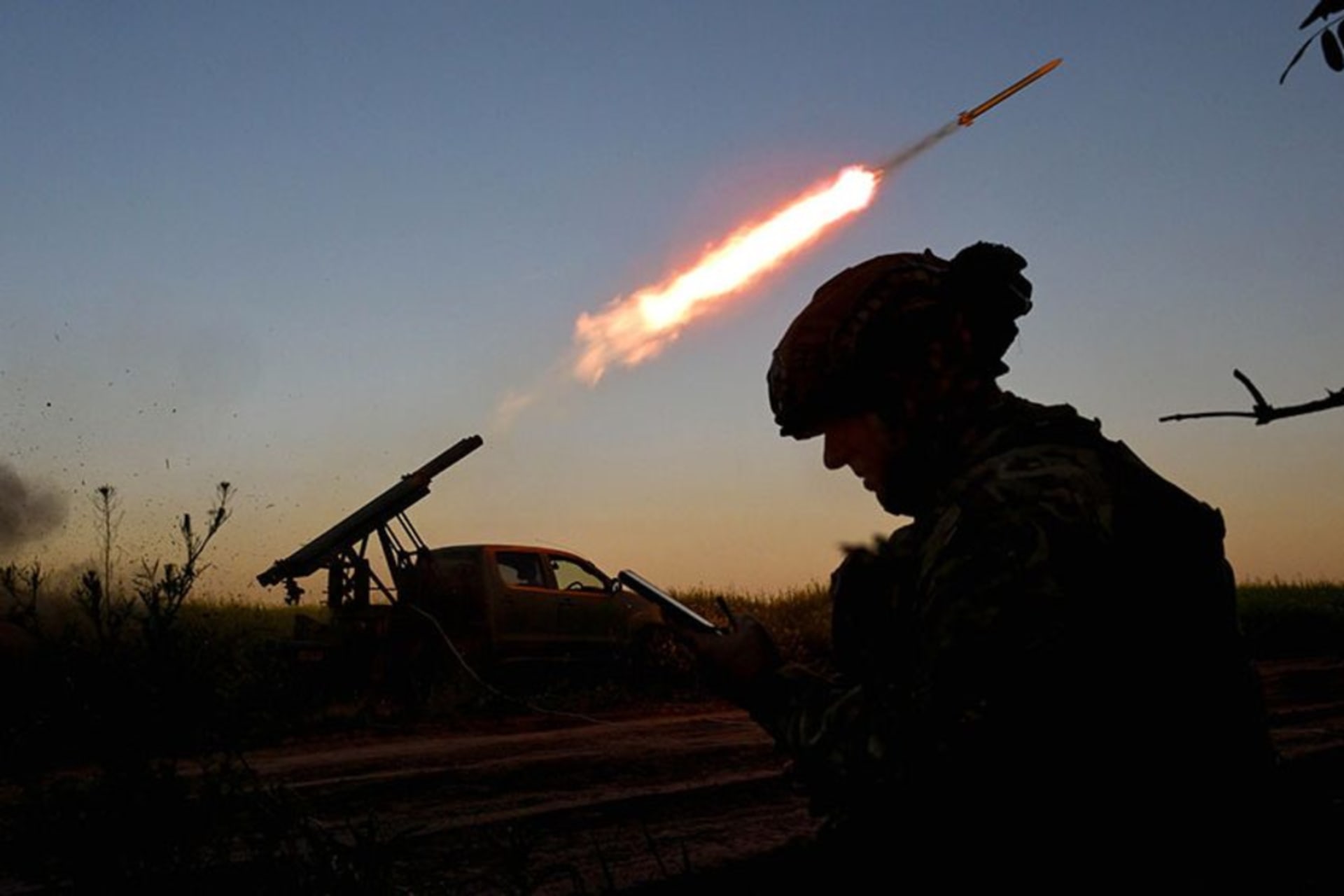
CFR’s Special Initiative provides timely, informed analysis and practical policy recommendations for U.S. policymakers and the public. Ensuring that Ukraine is able to resist and survive Russia’s full-scale invasion such that peace and security is restored to Europe will thus remain a policy priority for the United States.

Read More
WIM 261218

Preventive Priorities Survey

The annual Preventive Priorities Survey draws upon the informed judgments of government officials, foreign policy experts, and academics to identify thirty contingencies requiring U.S. attention over the next twelve months. Preventive Priorities Surveys are made possible by a generous grant from the Carnegie Corporation of New York.

Conflicts to Watch in 2026

Featured Work

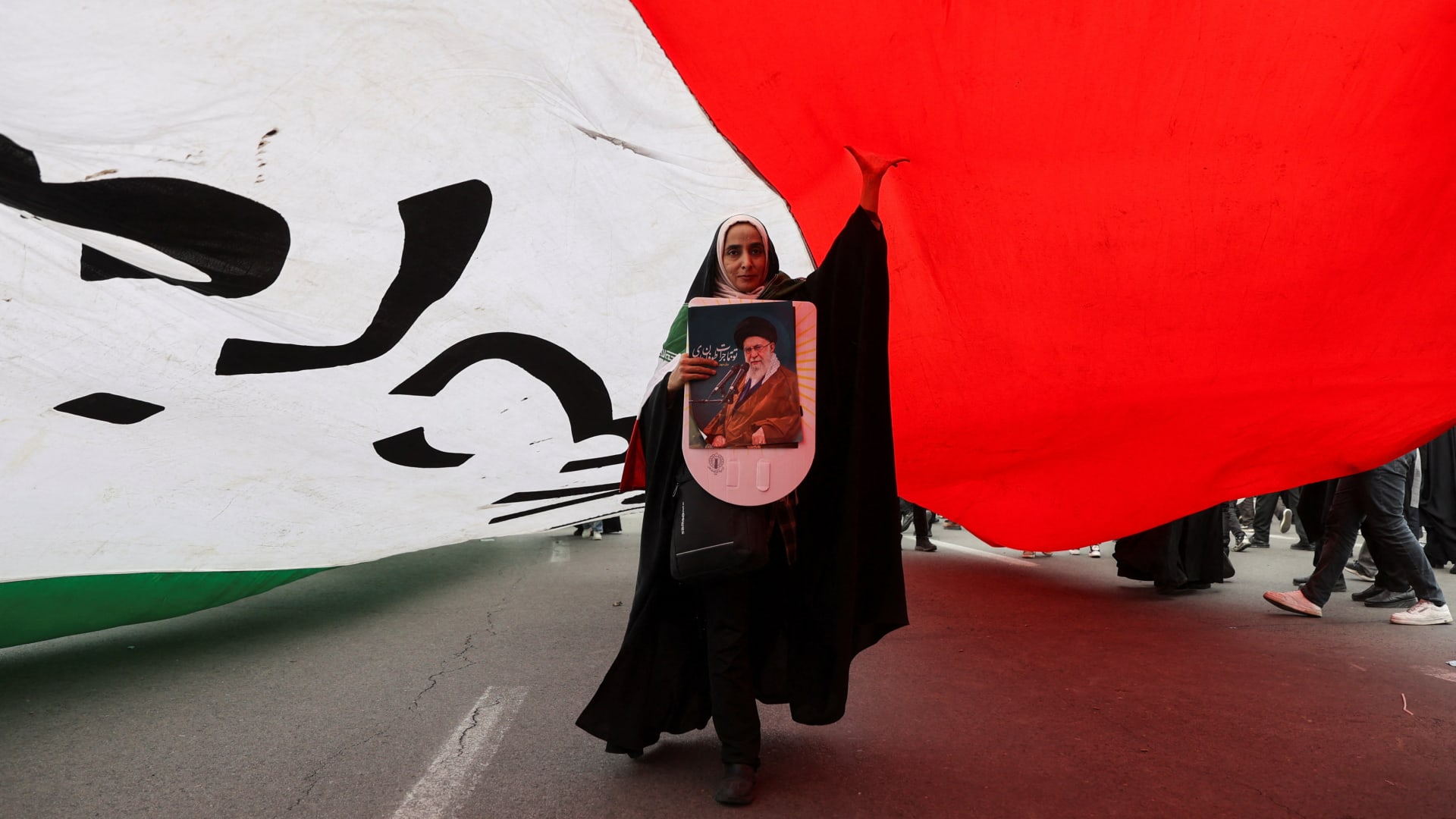
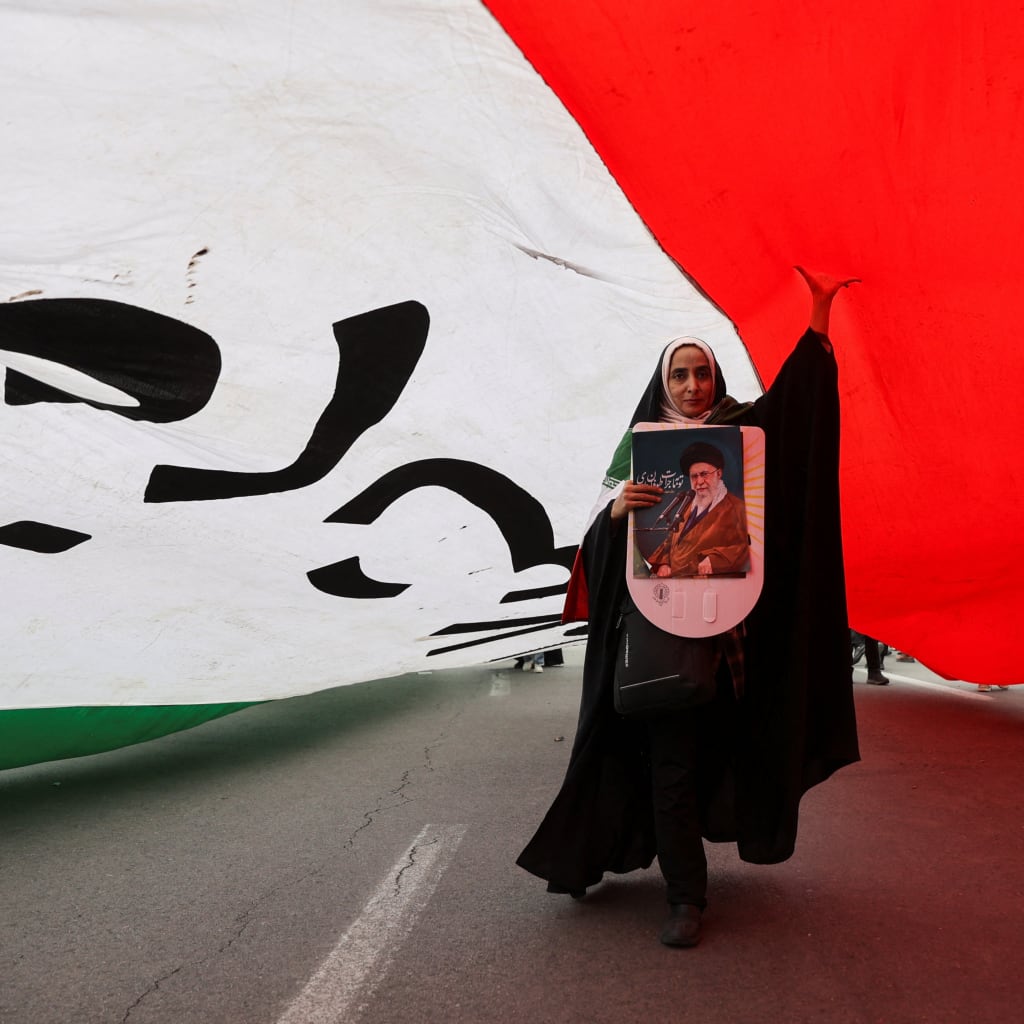
An Iranian woman holding a poster depicting Iran's Supreme Leader Ayatollah Ali Khamenei walks under a large flag during the forty-seventh anniversary of the Islamic Revolution in Tehran, Iran on February 11, 2026. Majid Asgaripour/West Asia News Agency via Reuters

Suzanne Maloney, vice president and director of the Brookings Institution’s Foreign Policy Program, recommends that the United States reconsider its assumptions around eventual leadership change in Tehran, revive regime accountability efforts, prepare for opportunistic escalation by proxy groups, and ready itself for renewed nuclear diplomacy.
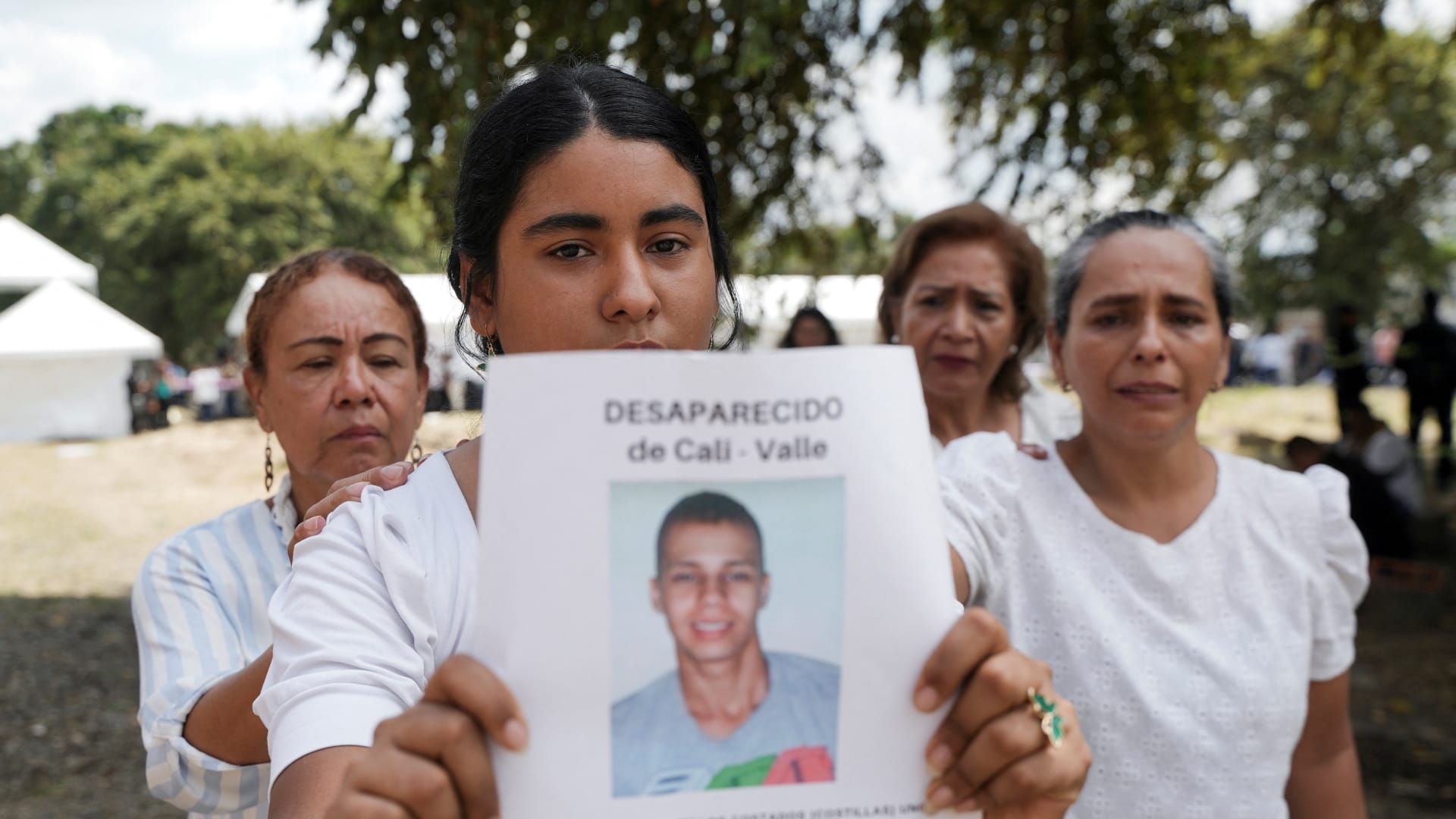
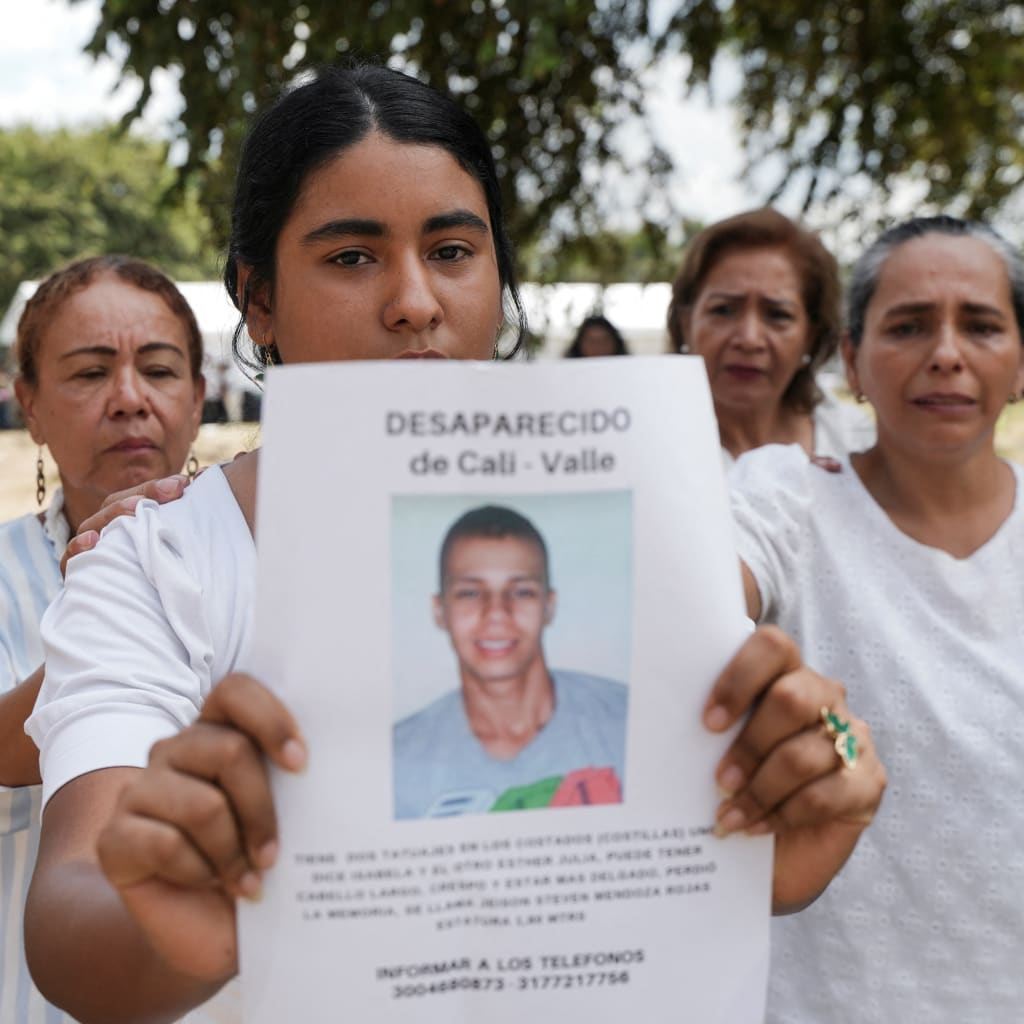
A woman holds a picture of a victim of forced disappearance during a 2025 ceremony in Colombia to honor loved ones who remain missing.

CFR International Affairs Fellow in National Security Roxanna Vigil argues that the United States should engage early with Colombia’s next administration to signal support for full implementation of the 2016 Peace Accords and provide targeted assistance.

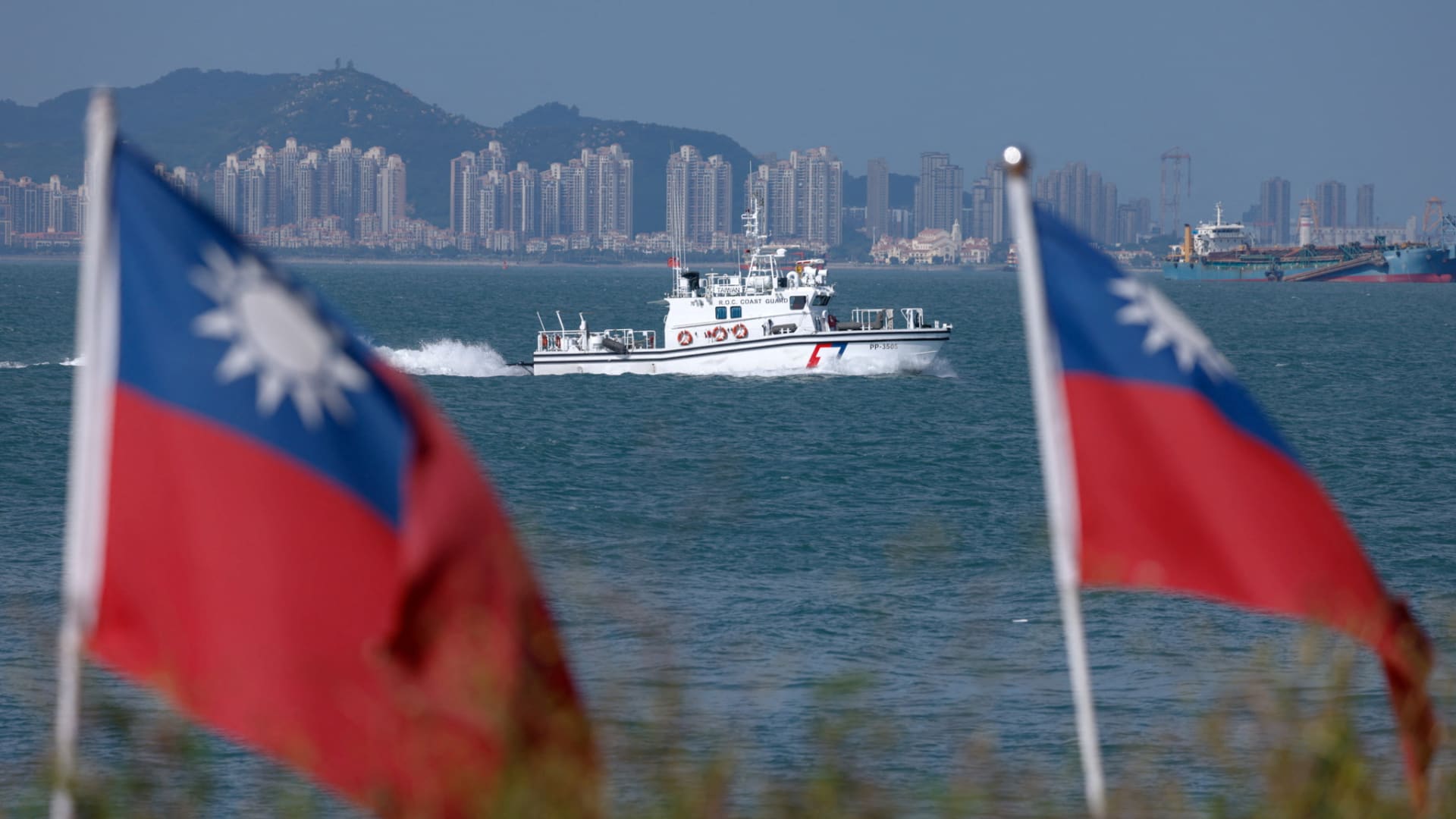
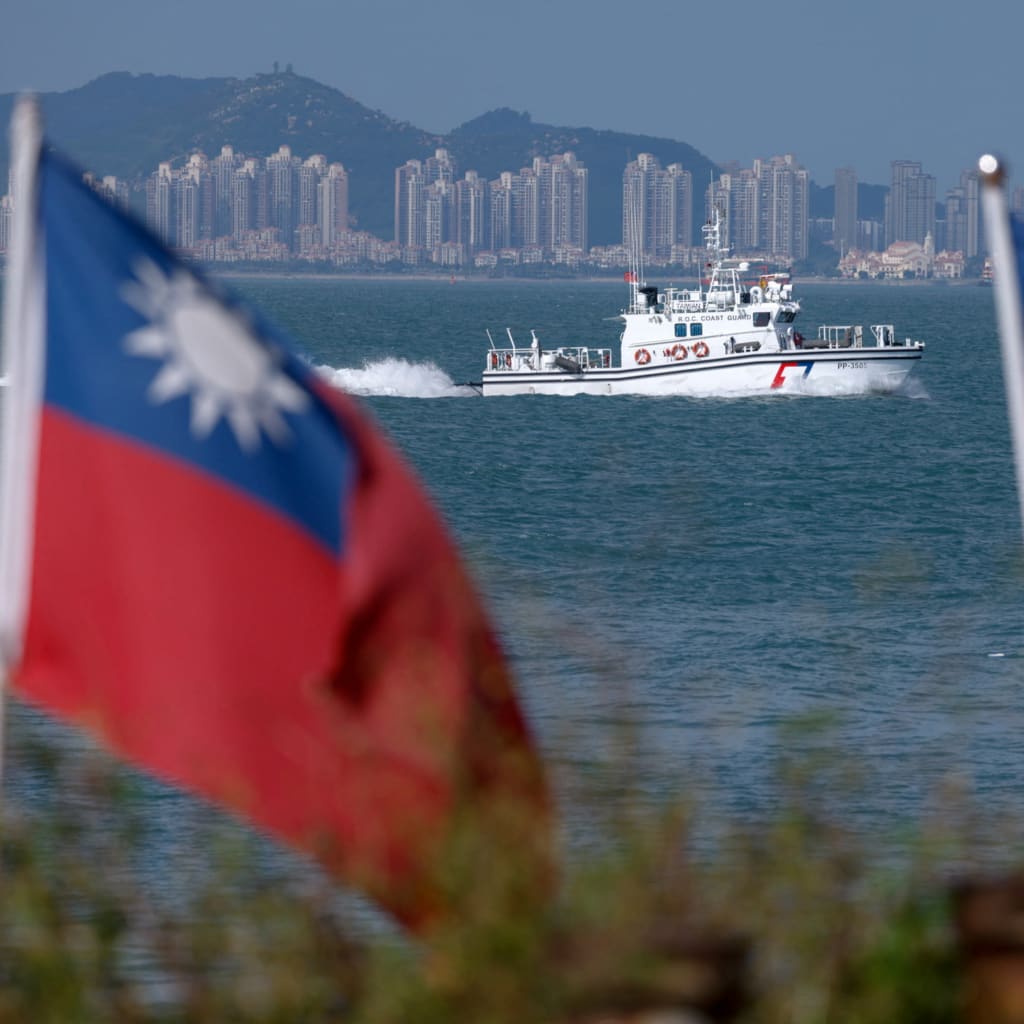
<p>A Taiwan Coast Guard ship patrols near Dadan Island in October 2025. </p>

Assumptions about how a potential conflict between the United States and China over Taiwan would unfold should urgently be revisited. Such a war, far from being insulated, would likely draw in additional powers, expand geographically, and escalate vertically.
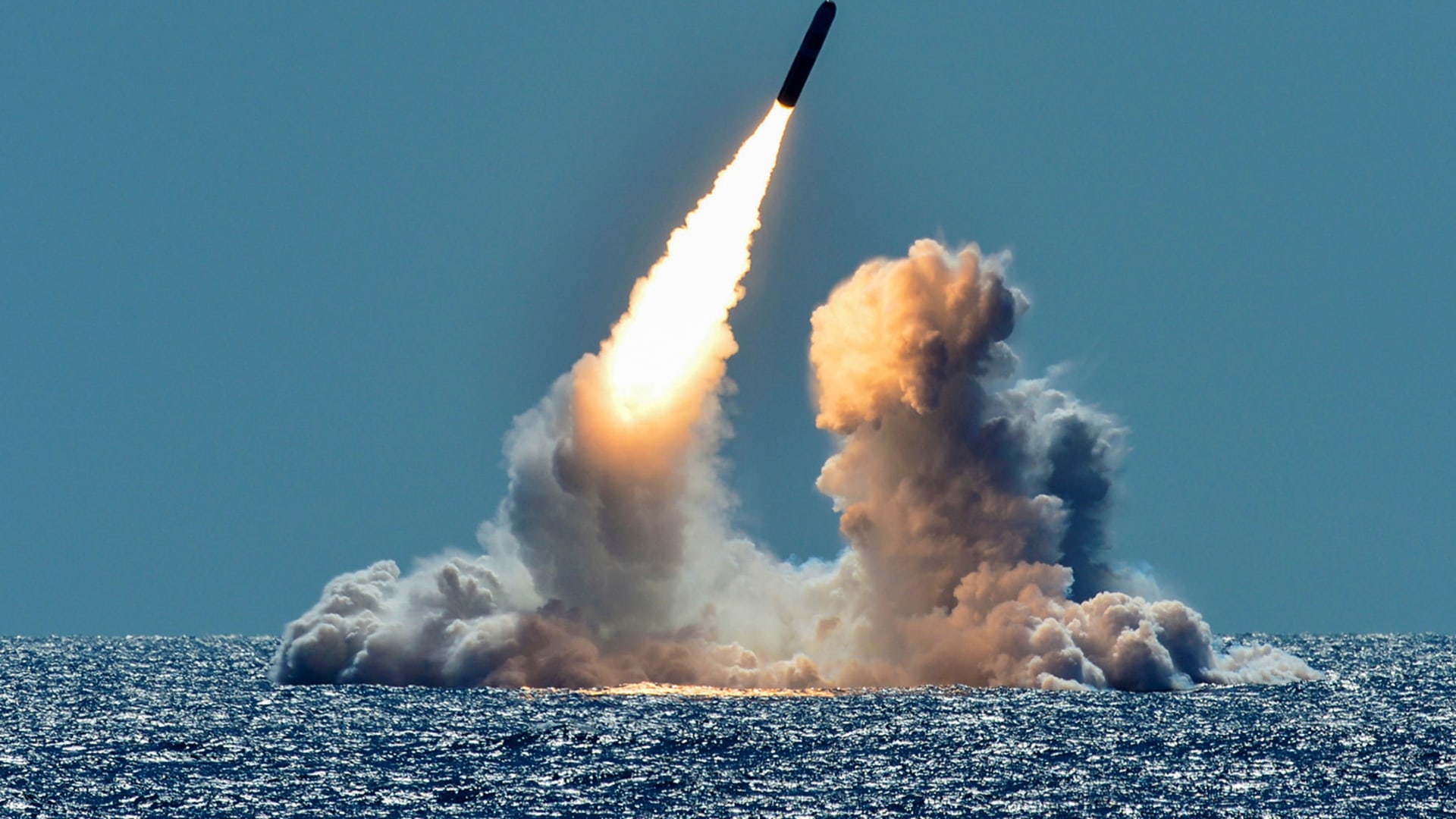
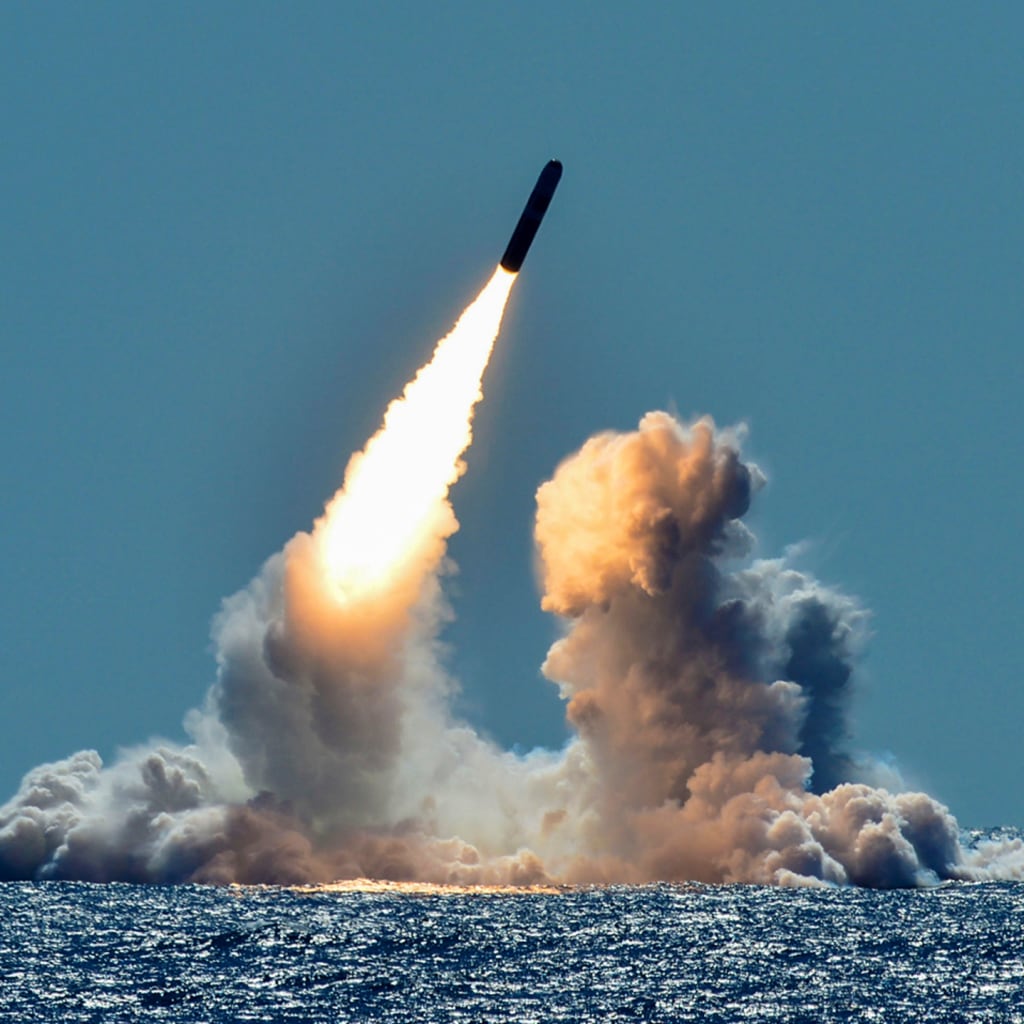
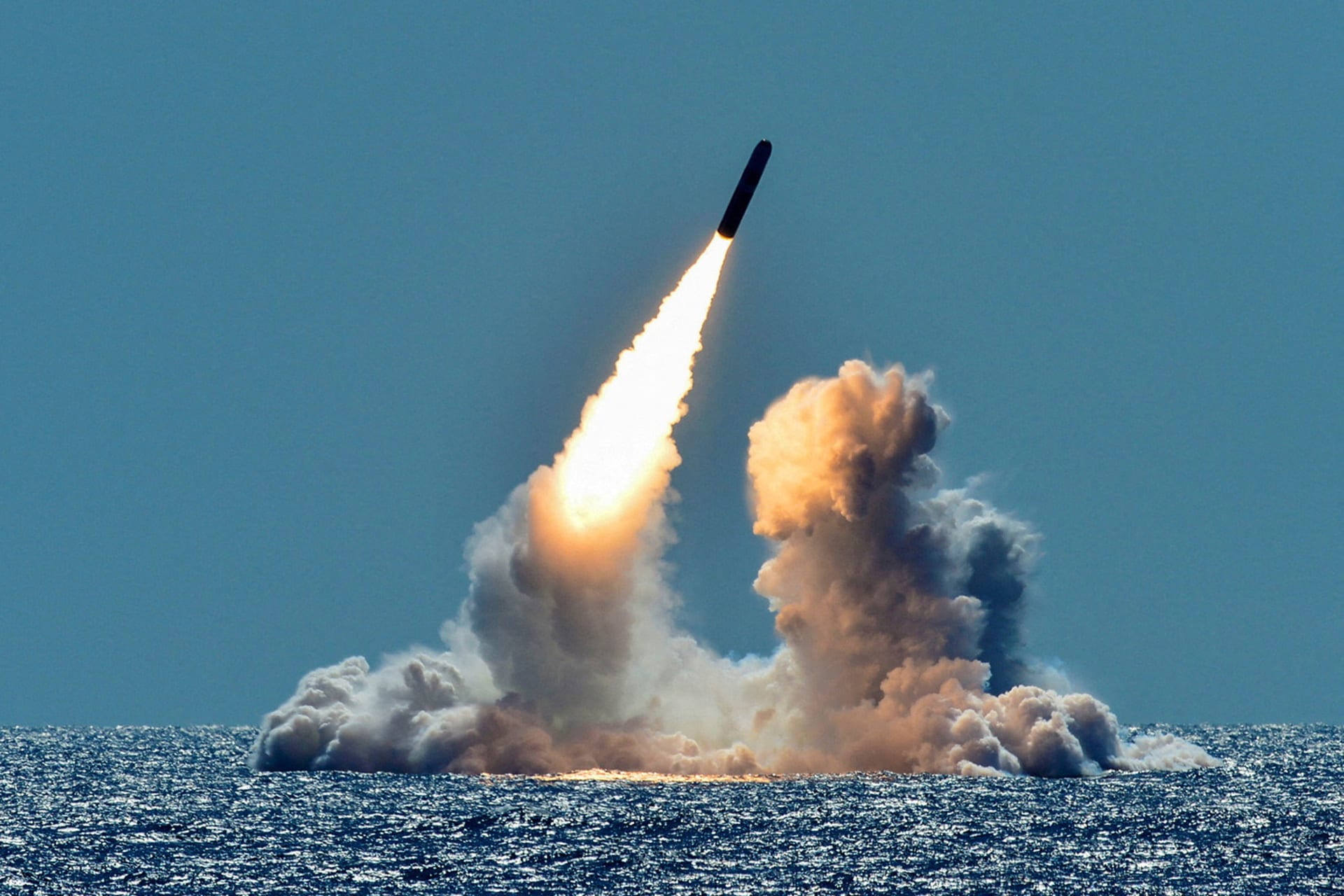
<p>An unarmed Trident II D5 missile is test launched from the U.S.S. Nebraska, an Ohio-class U.S. Navy ballistic missile submarine, off the coast of California in March 2018.</p>

The United States faces growing dangers of nuclear escalation, a new arms race, and proliferation. This report recommends an improved strategy for “optimal deterrence” and a path to rebuilding relationships with allies without allowing them to dictate U.S. force requirements.

Experts

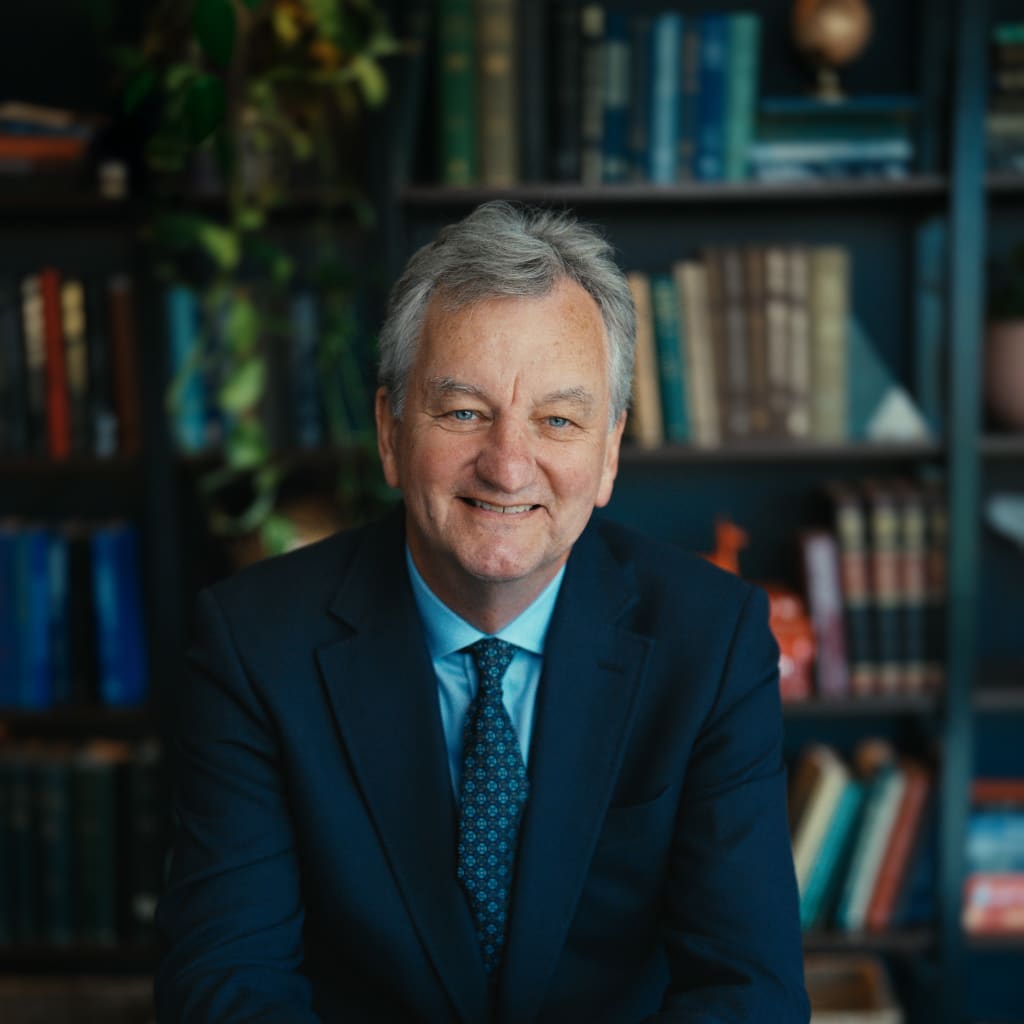
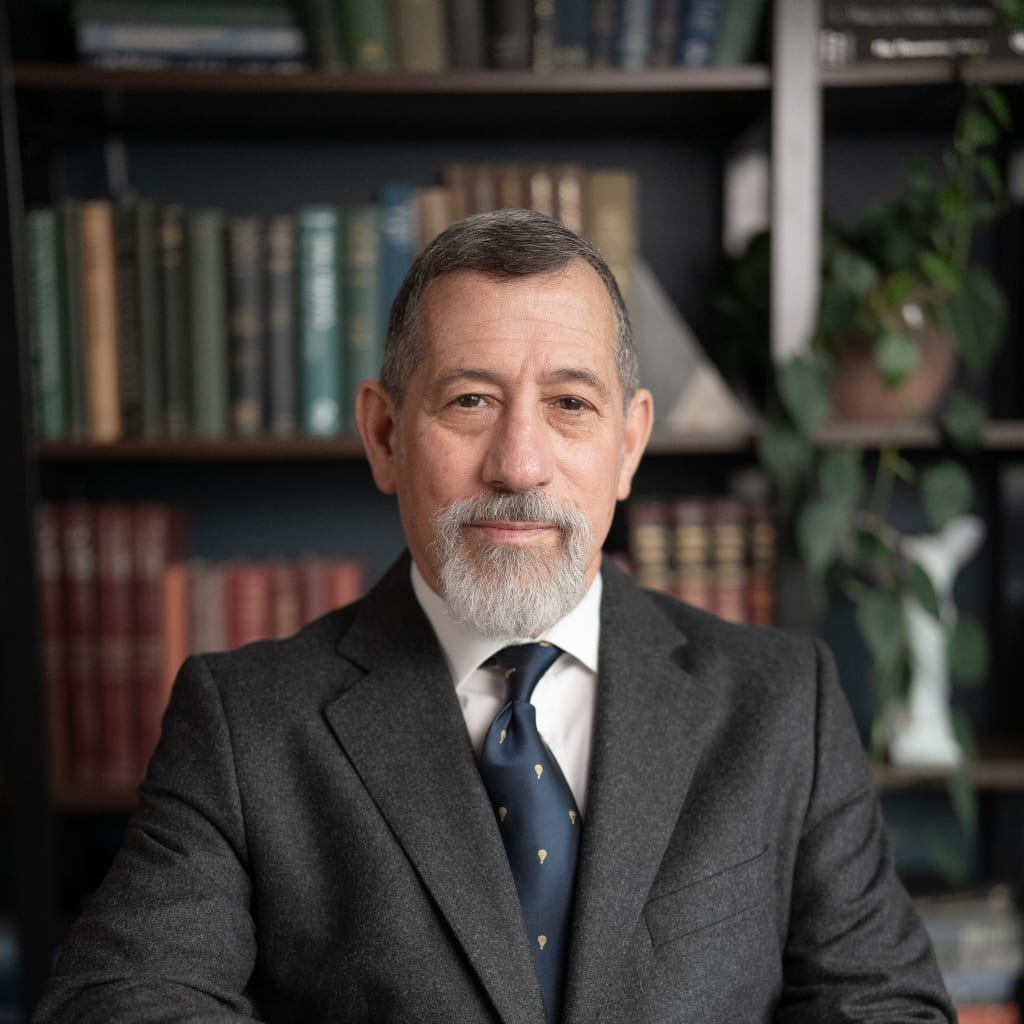
0004_Paul Stares-004-edit

Paul B. Stares

General John W. Vessey Senior Fellow for Conflict Prevention and Director of the Wachenheim Center for Peace and Security

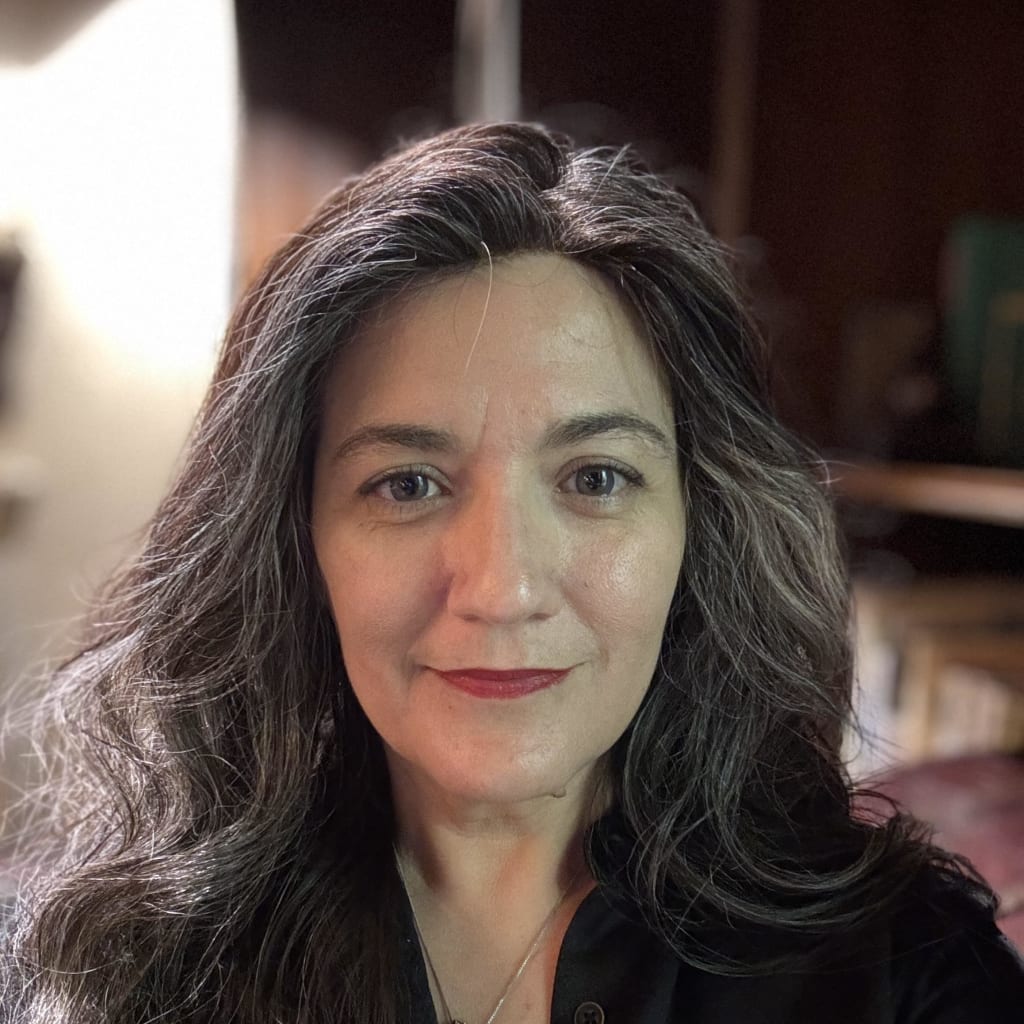
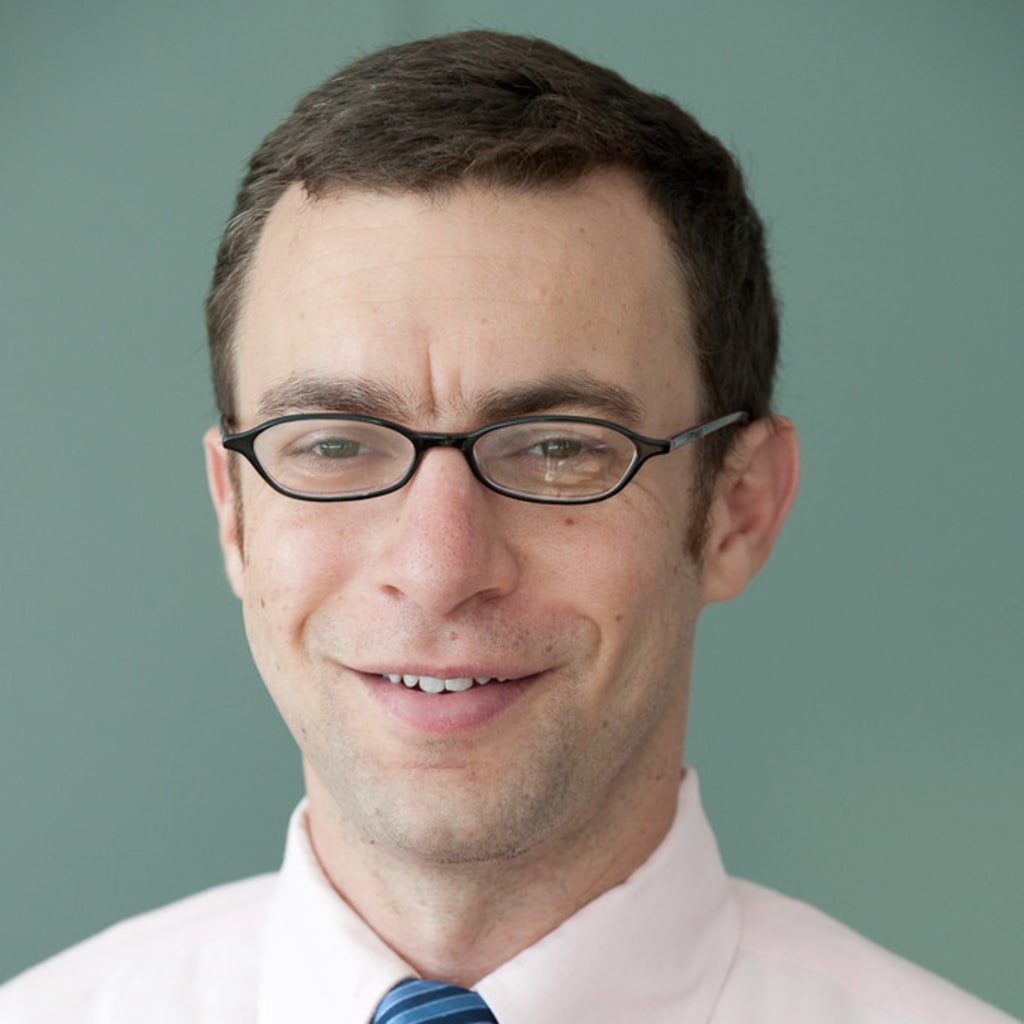
Bruce Hoffman-036

Bruce Hoffman

Shelby Cullom and Kathryn W. Davis Senior Fellow for Counterterrorism and Homeland Security

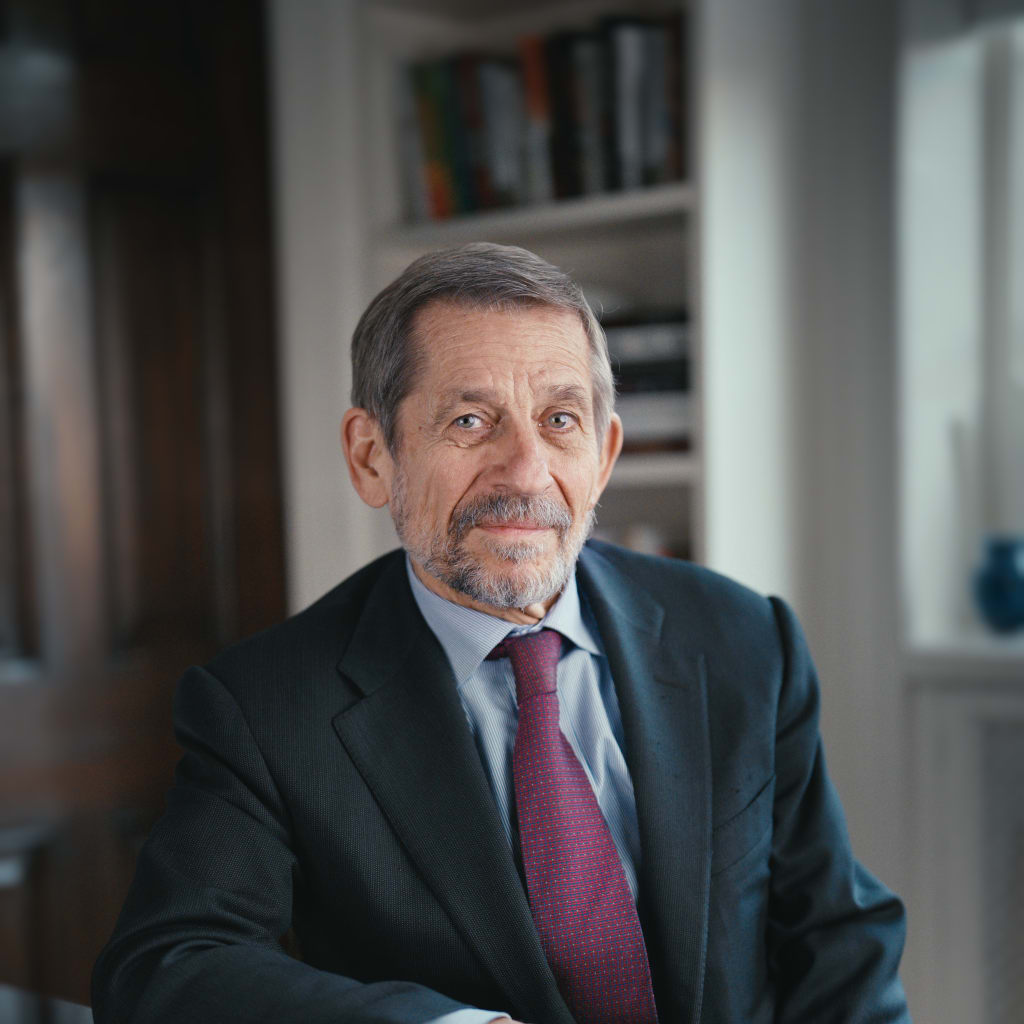
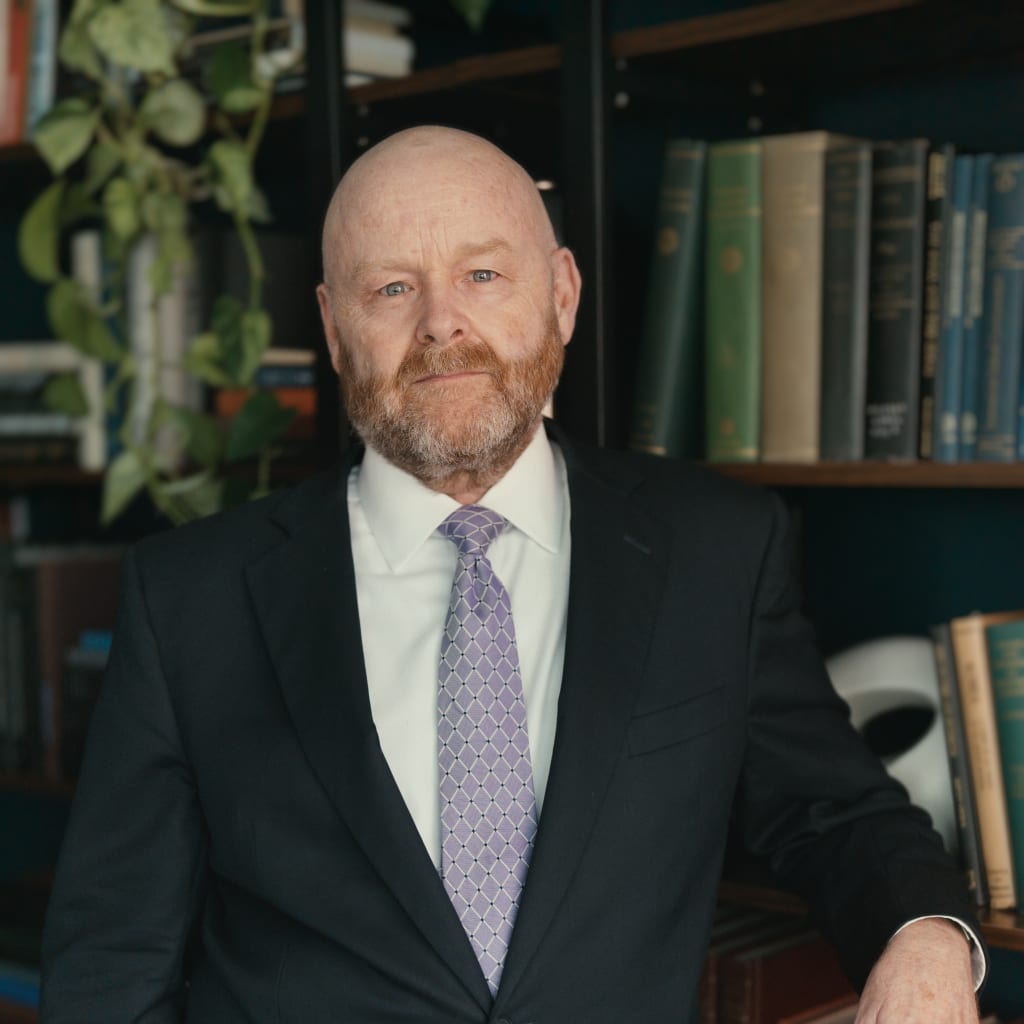
0014_James Lindsay DSC01669 copy

James M. Lindsay

Mary and David Boies Distinguished Senior Fellow in U.S. Foreign Policy

Research Areas

Nuclear Security

Archive

22 results