Are the U.S. Midterms Vulnerable to Foreign Meddling?
The Trump administration has scaled back efforts to limit foreign disinformation and misinformation in U.S. elections even as Russia, China, and Iran continue to push secret influence campaigns.
By experts and staff
- Published
 James M. LindsayCFR ExpertMary and David Boies Distinguished Senior Fellow in U.S. Foreign Policy
In July, President Donald Trump delivered a primetime address warning the nation that U.S. election infrastructure was vulnerable to foreign attack. He specifically alleged that China had sought to influence the 2020 election.
Trump did not provide any evidence that elections had been disrupted or that ballots had been miscounted. Instead, the Chinese actions he cited involved the legal acquisition of voter rolls. And despite the warning, Trump did not publicly raise the issue of China’s meddling in U.S. elections when Xi Jinping visited Washington, DC, last month.
Although Trump’s charges have receded from the headlines since July, foreign efforts to influence and potentially disrupt elections or change their outcomes remain a real concern. Russia has led the way over the past decade in using social media to amplify social and racial divisions in the United States—most famously with its effort to help Trump and hurt Hillary Clinton in 2016.
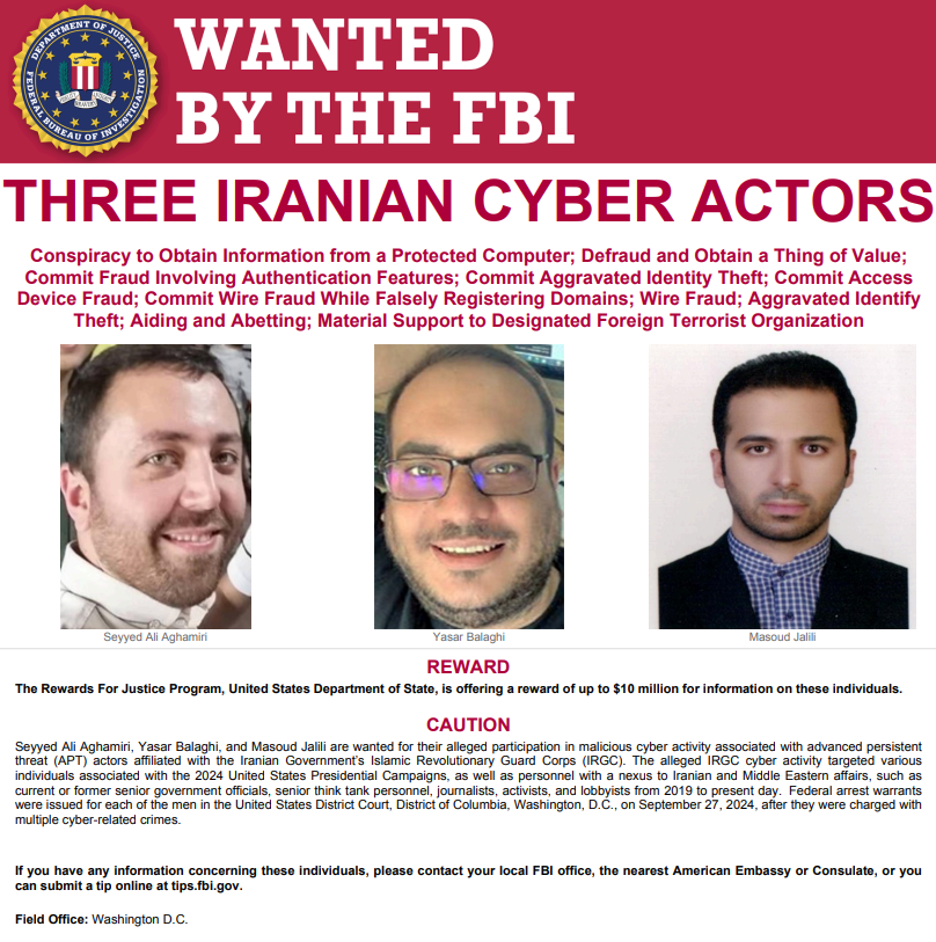
China has dabbled in influence operations as well, though at a smaller scale, and it has typically focused on down-ballot candidates who have criticized the Chinese government. Iran has been another culprit; it successfully hacked the Trump campaign in 2024.
All three countries are still pursuing influence operations and could be aided this time by the development of artificial intelligence, which could make such operations more effective and easier to conduct. In the nightmare scenario, these efforts could go beyond poisoning the information environment to disrupting an election or changing vote counts.
To limit foreign influence and election interference, the Obama, first Trump, and Biden administrations took steps to prevent foreign governments from exploiting social media and to shore up the integrity of U.S. election infrastructure. The second Trump administration, however, has rolled back many of these changes.
With the midterm elections less than four weeks away and control of Congress hanging in the balance, the stakes for the United States are immense. Democracies rest on the ability of their citizens to choose their leaders. If foreign powers can distort the public debate, or worse, change election outcomes, democratic governance is imperiled.
To better understand the potential foreign influence and interference threats to the upcoming midterms, I sat down with my Council on Foreign Relations colleague Jessica Brandt for the latest episode of The President’s Inbox podcast. She has deep practical experience facing these challenges, having served as director of the Foreign Malign Influence Center at the Office of the Director of National Intelligence during the 2024 U.S. election cycle, where she led the U.S. intelligence community’s efforts to mitigate foreign influence threats.
[Video: https://vimeo.com/1233887297]
Jessica and I had a wide-ranging conversation. Here are my three main takeaways:
1. Foreign influence operations and foreign interference efforts are two different things. Foreign influence operations are efforts by foreign governments (or their agents) to shape elections, whether by influencing voter views or preferences, what candidates say or do, or how political parties operate. Influence operations run the gamut: state media, such as China’s Xinhua News Agency and Russia’s RT, that broadcast propaganda; covert media campaigns, such as Russia’s efforts in 2016 [PDF], that push disinformation and misinformation; covert campaign funding, which violates U.S. law and typically relies on noncitizens donating to super PACs and dark money groups; and perception hacking, which uses social media to question the legitimacy of election procedures or their outcomes, including by promoting claims of imaginary election interference.
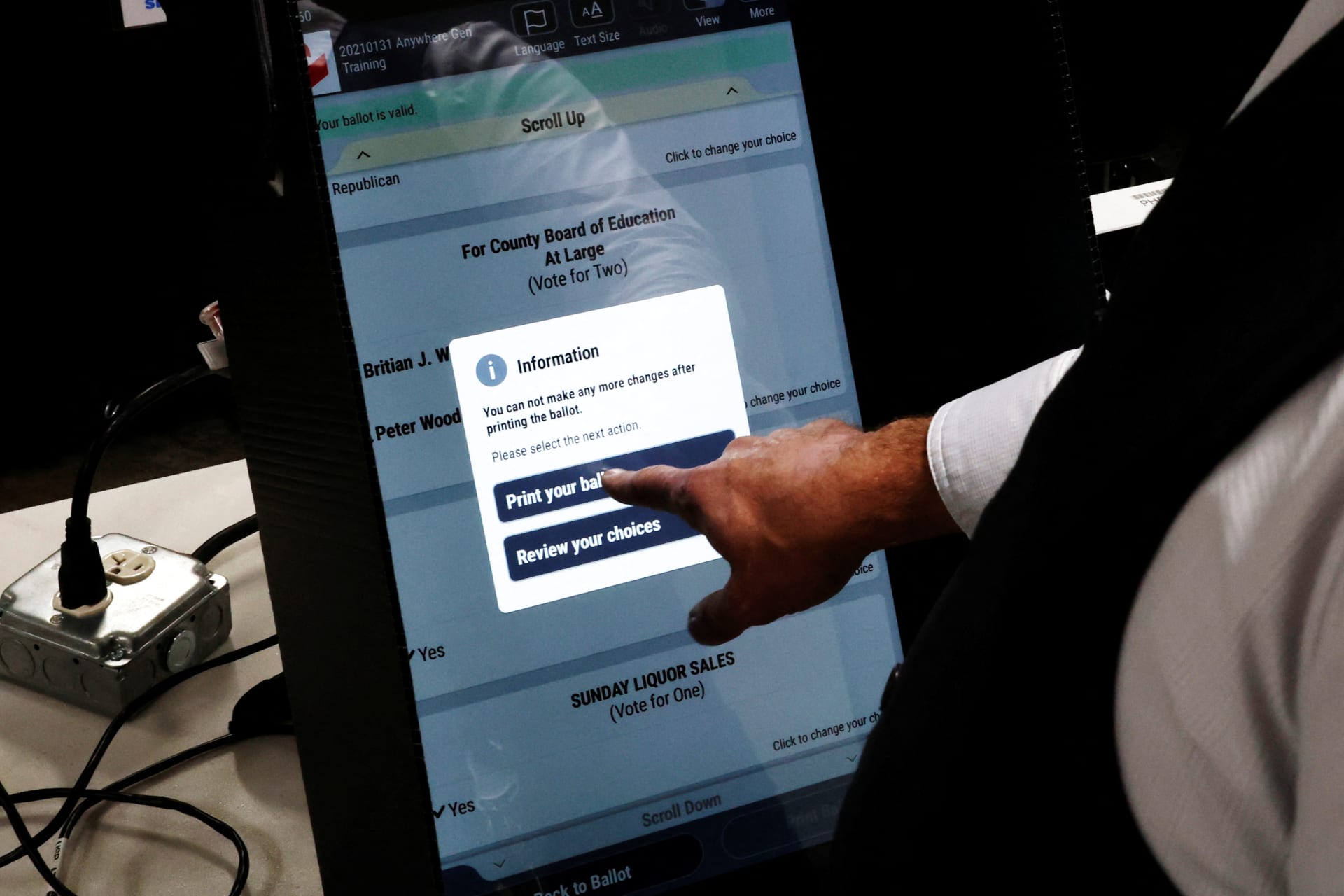
Election interference, on the other hand, refers to covert efforts by foreign governments to disrupt the conduct of elections or the counting of ballots. The first set of actions could include calling in bomb threats to polling places, ransomware attacks that lock up voting data, or hacking into voting databases to alter who is eligible to vote. The second set involves changing or spoiling vote counts by hacking into electronic vote-counting systems.
2. Foreign influence operations have a long history; election interference operations do not. Foreign influence operations in the United States date back to the beginning of the American Republic as foreign governments have periodically sought to shape U.S. elections. The rise of social media, however, has made them far more common. Russia led the way in 2016, with China and Iran soon following its lead. Whether these campaigns have ever swayed an election is notoriously difficult to determine. Too many factors drive voter behavior to isolate the effect of any influence operation. That is why the U.S. government’s investigations of foreign influence operations have focused on their prevalence and methods rather than on [PDF] how effective they might be.
No evidence exists that any foreign government has ever run a substantial election interference operation, notwithstanding the allegations of conspiracy theorists. That is not because countries such as Russia, China, and Iran lack the technical capacity to hack at least some election-related databases, networks, and systems. Rather, two practical barriers discourage such efforts. First, states and localities rather than the federal government administer U.S. elections, and as a result, the United States employs a diverse array of voting systems rather than following a single national standard. That diversity greatly complicates any widespread interference campaign. Second, and perhaps more important, foreign governments recognize that election interference operations are exceedingly high-risk. Any attempt to disrupt or change an election could be detected and seen as an act of war. As Jessica put it, foreign governments know that election interference is “a red line for us.”
3. The second Trump administration has canceled or rolled back many of the initiatives that its predecessors launched to discourage influence campaigns and secure U.S. election infrastructure. Jessica noted that the work of groups such as the Foreign Malign Influence Center, the Foreign Influence Task Force at the FBI, and the Cybersecurity and Infrastructure Security Agency have all “been scaled back . . . or stood down entirely.” She views these decisions as a major mistake given that Russia, China, and Iran see influence operations as a “low cost” way to sow dissension in the United States and “because they believe it’s working.” As with past elections, it will be impossible to determine to what extent, if at all, these campaigns have succeeded in shaping what voters think.
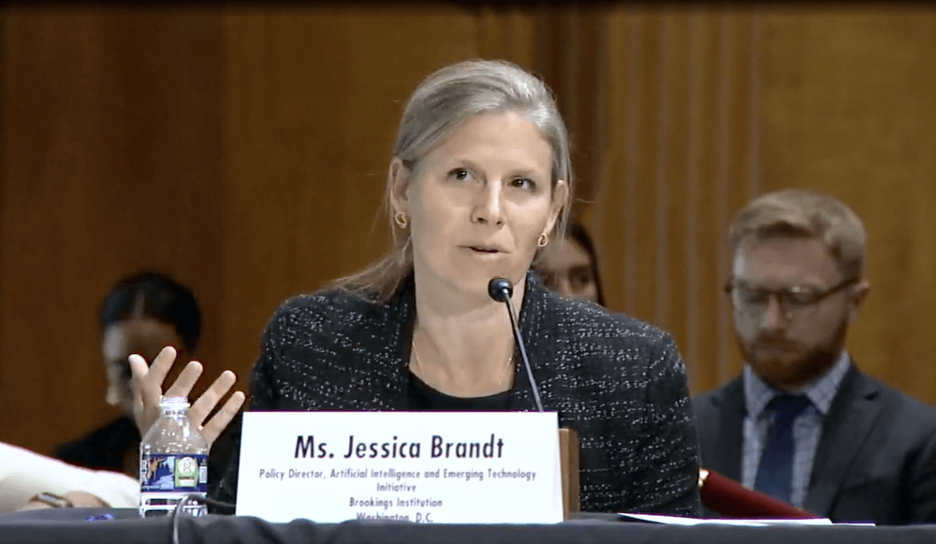
Jessica and I covered a lot of other topics along the way, including the federal government’s efforts to find vulnerabilities in election systems, what role state and local authorities play in keeping U.S. elections secure, and whether artificial intelligence will turbocharge influence operations. I encourage you to give the episode a listen.
Oscar Berry, Jack Patton, and Asher Ross assisted in the preparation of this article.
Other posts in this series on the 2026 U.S. midterm elections:
This work represents the views solely of the author(s). The Council on Foreign Relations is an independent, nonpartisan membership organization, think tank, and publisher, and takes no institutional positions on matters of policy.