Ten Poll Numbers That Explain the 2026 Midterm Elections
Recent polling shows why Democrats think that Election Day could put them back in charge of Congress.
By experts and staff
- Published
 James M. LindsayCFR ExpertMary and David Boies Distinguished Senior Fellow in U.S. Foreign Policy
Election Day is one week away. Here are ten recent poll results that explain why Democrats see a blue wave coming and why Republicans fear they are right.
13—The percentage of Americans who mention the Iran War (7 percent), war generally (2 percent), foreign policy (2 percent), national security (1 percent), international issues (1 percent), or terrorism (1 percent) as the most important issue facing the United States. That compares with the 31 percent who name an economic challenge and the 30 percent who name government and poor leadership as the most important issue. As happens with most national elections, domestic problems rather than international ones are front of mind for voters.
21—The percentage of registered voters who are unhappy with both parties. The comparable number was 12 percent in 2024 and 13 percent in 2022. These so-called double haters voters tend to be male (61 percent), under 44 years old (58 percent), think the country is headed in the wrong direction (92 percent), and think the economy is not strong (84 percent). It is hardly a sign of a healthy democracy when one in five voters dislikes both parties.
29—The percentage of likely Republican voters who say that the economy is better today than a year ago. That number was 72 percent in January.
34—The percentage of self-identified Republican or Republican-leaning voters who said last month that they consider themselves to be primarily a supporter of President Donald Trump rather than of the Republican Party. When asked the same question in February 2025, 63 percent of self-identified Republican or Republican-leaning voters said Trump. That flip points to how Trump has become a drag on Republican candidates.
46-—The percentage of self-identified Democrats who say they will vote on Election Day mainly to oppose Trump. In comparison, 37 percent of self-identified Democrats say will be voting mainly to support a candidate in their area. These numbers highlight how Democrats are more unified in what they are against than what they are for. That lack of consensus on what Democrats want to accomplish could become a major stumbling block for Democratic lawmakers should divided government return to Washington, DC.
47—The percentage of registered voters who say that the cost of living will be the single most important factor determining how that will vote in the midterms.
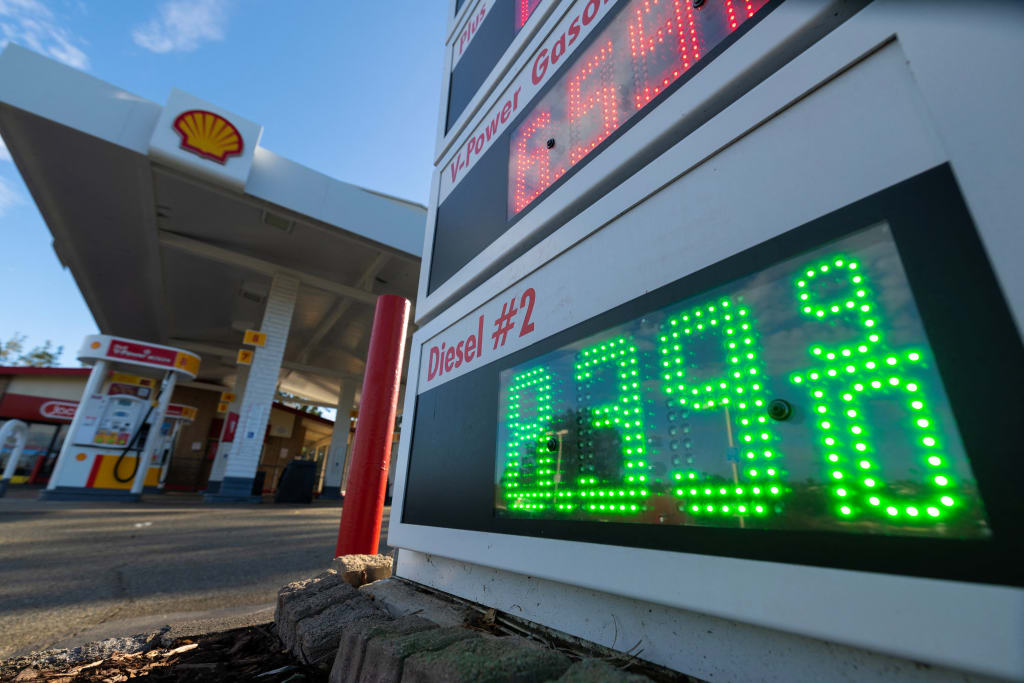
51—The percentage of Americans who do not have confidence in the honesty of U.S. elections. That leaves 49 percent saying they do have confidence. The partisan split on this question is dramatic. Sixty-three percent of Democrats have confidence in the honesty of U.S. elections, while just 37 percent of Republicans and 35 percent of Independents do. Gallup, which has been asking people around the globe about their faith in the honesty of their country’s election, reports that the results for the United States this year mark the first time that it has found that trust in election integrity to be significantly higher among those who disapprove of their national leaders than those who approve.
62.9—The percentage of U.S. adults in an average of national polls who think the country is on the “wrong track.” That is up nearly twelve percentage points from eighteen months ago. It is never a good sign for the president’s party heading into the midterms when more voters are becoming pessimistic about the future.
73-— The percentage of American adults in an AP-NORC poll conducted last month who disapproved of Trump’s handling of the economy. That number is the lowest rating of his two presidencies, and lower than the lowest rating President Joe Biden ever had.
81-—The percentage of Americans who say that Trump’s tariffs have raised the cost of living in the United States. The partisan breakdown is 94 percent of Democrats, 86 percent of Independents, and 62 percent of Republicans.
Oscar Berry and Jack Patton assisted in the preparation of this article.
Other posts in this series on the 2026 U.S. midterm elections:
- A Dozen Numbers That Explain the Midterms
- Five Things to Know About the Midterms
- Are the U.S. Midterms Vulnerable to Foreign Meddling?
- The U.S. Supreme Court Rules on Mail Ballots, Congressional Maps, and the SAVE Database
- The Battle Over Mail-in Voting May Disrupt the 2026 Midterm Elections
- Voters Worry About Election Integrity
- The Supreme Court, Mail-in Voting, Campaign Spending, and the 2026 Midterm Elections
- What Do Voters Think of Operation Epic Fury After Three Months?
- Gerrymandering, the Supreme Court, and the 2026 Midterm Elections
- Will Operation Epic Fury Affect the Midterm Elections?
- Midterm Elections Are Eight Months Away
- Midterm Elections Are Nine Months Away
This work represents the views solely of the author(s). The Council on Foreign Relations is an independent, nonpartisan membership organization, think tank, and publisher, and takes no institutional positions on matters of policy.