China Strategy Initiative
China 360°
China 360°
China 360° pulls expertise from across CFR to understand China’s global activities and how countries respond.
Featured Content
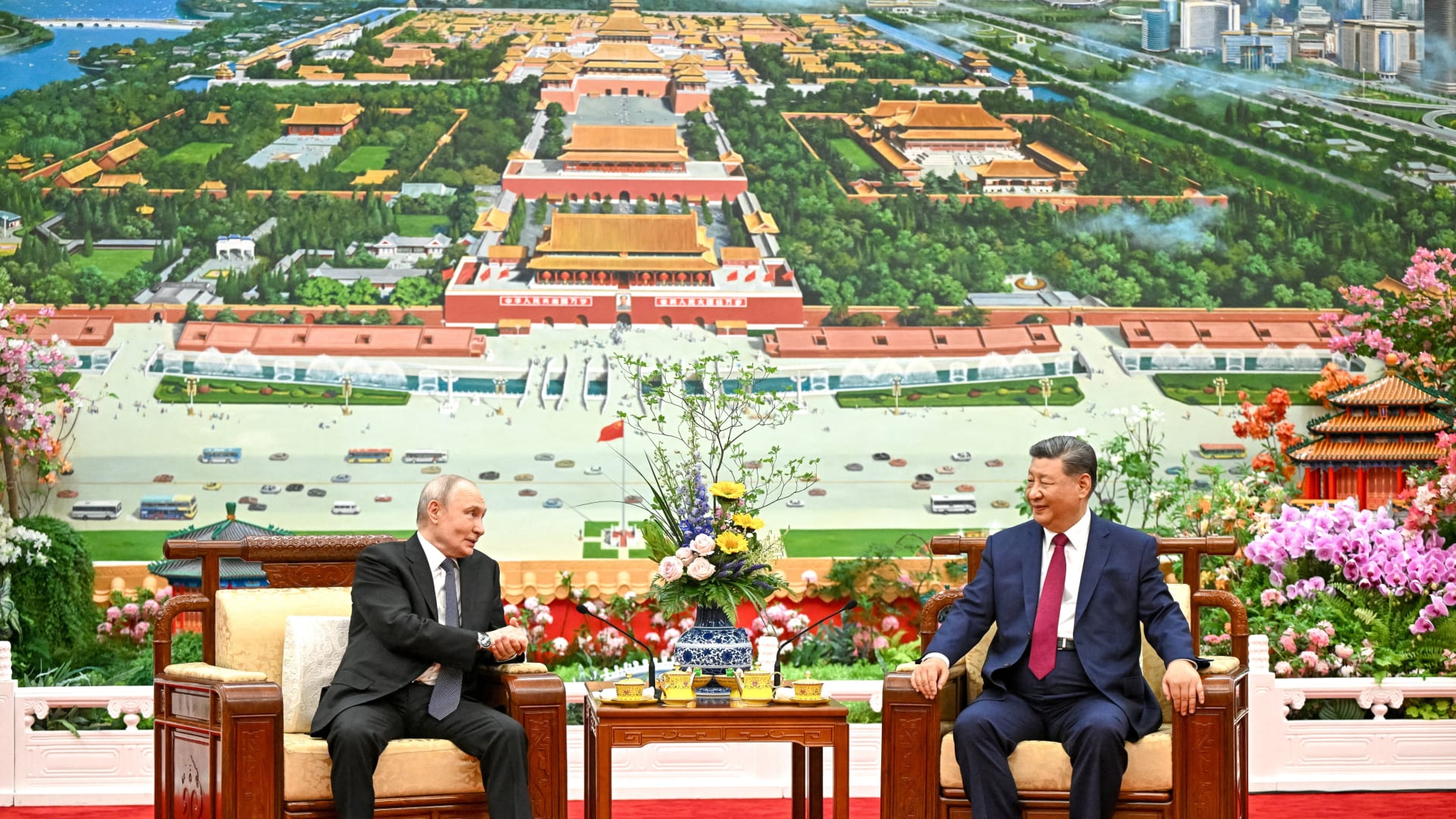
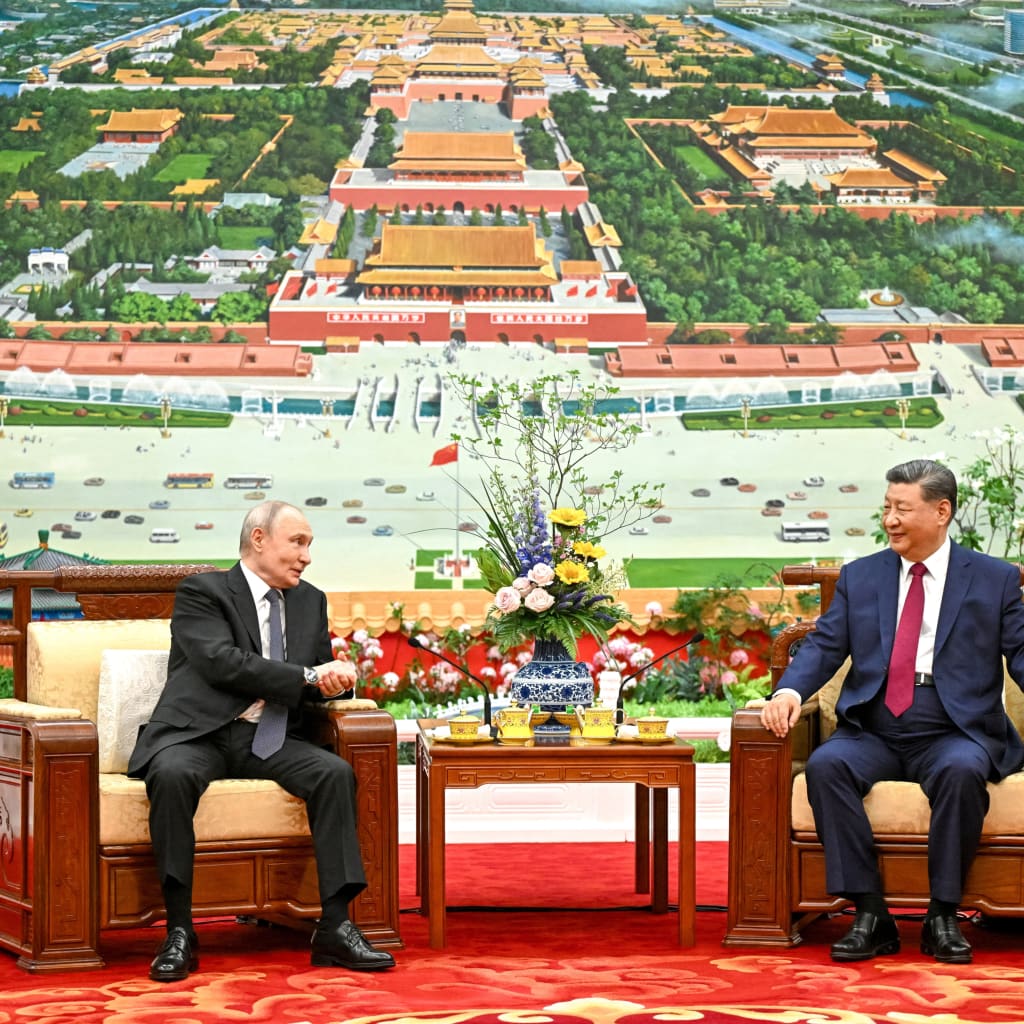
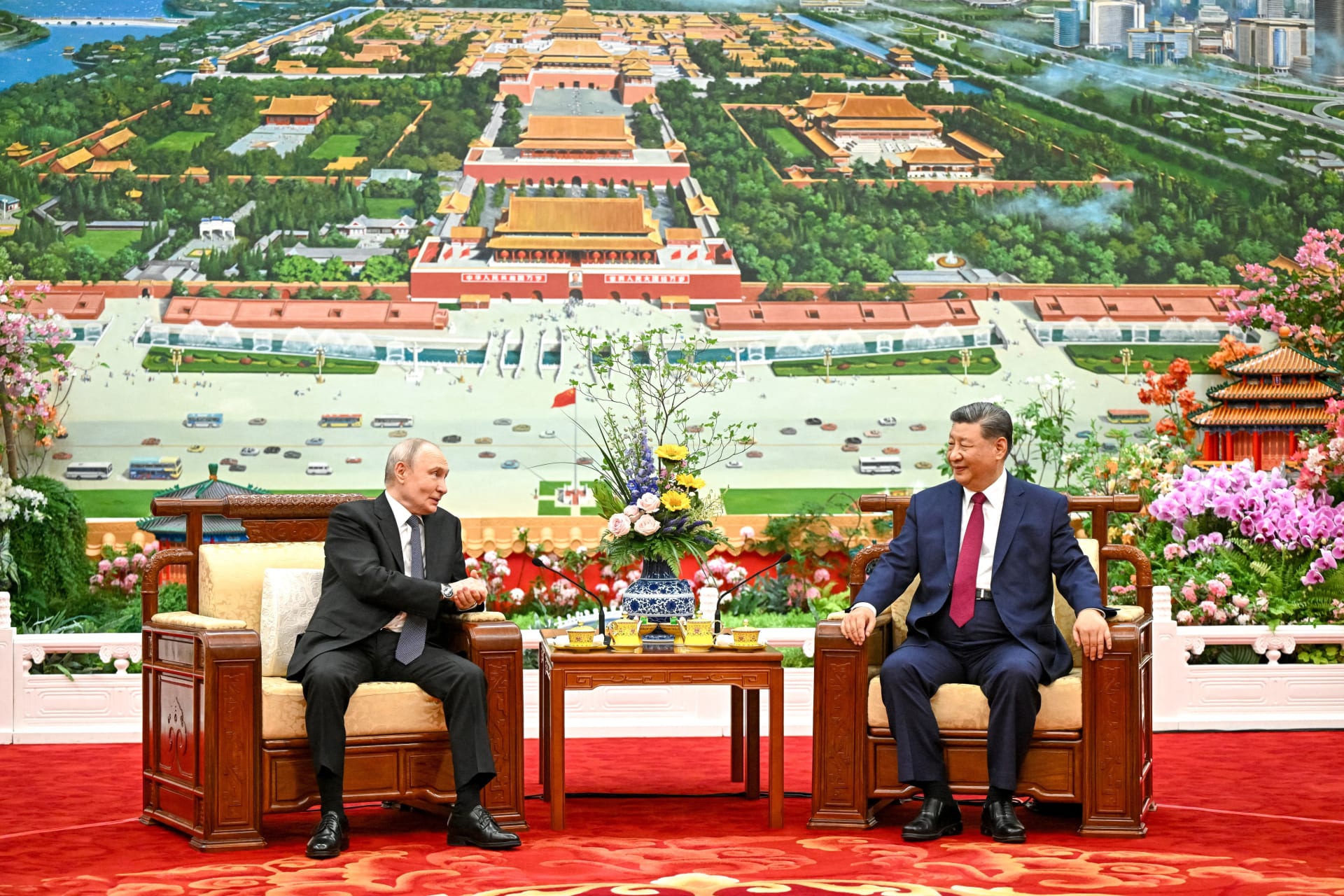
China and Russia’s quasi-alliance endangers U.S. national interests. Its management will prove a generational task for American policymakers—but there are grounds for optimism, argue CFR Senior Fellow Robert Blackwill and Center for a New American Security CEO Richard Fontaine.
China 360° Highlights
China Around the World
Monthly Updates on China's Engagement Across Various Regions
Africa
China in Africa: June 2025
Article by Nathan Schoonover
China in Africa: May 2025
Article by Nathan Schoonover
China in Africa: April 2025
Article by Nathan Schoonover, Research Associate and Giulio Bianco, Contributor
Europe
China in Europe: October 2025
Article by Turner Ruggi
China in Europe: September 2025
Article by Turner Ruggi
China in Europe: August 2025
Article by Turner Ruggi
Indo-Pacific
Middle East
China in the Middle East: March 2025
Article by Benjamin M. Holtzman
China in the Middle East: February 2025
Article by Benjamin M. Holtzman, Research Associate
China in the Middle East: January 2025
Article by Benjamin M. Holtzman, Research Associate
Latin America
Russia and Ukraine
Recent Work
-
In October 2025, the Netherlands took temporary control of Chinese-owned chipmaker Nexperia, the European Parliament resumed interparliamentary talks with China, and the EU sanctioned four major Chinese oil firms.
-
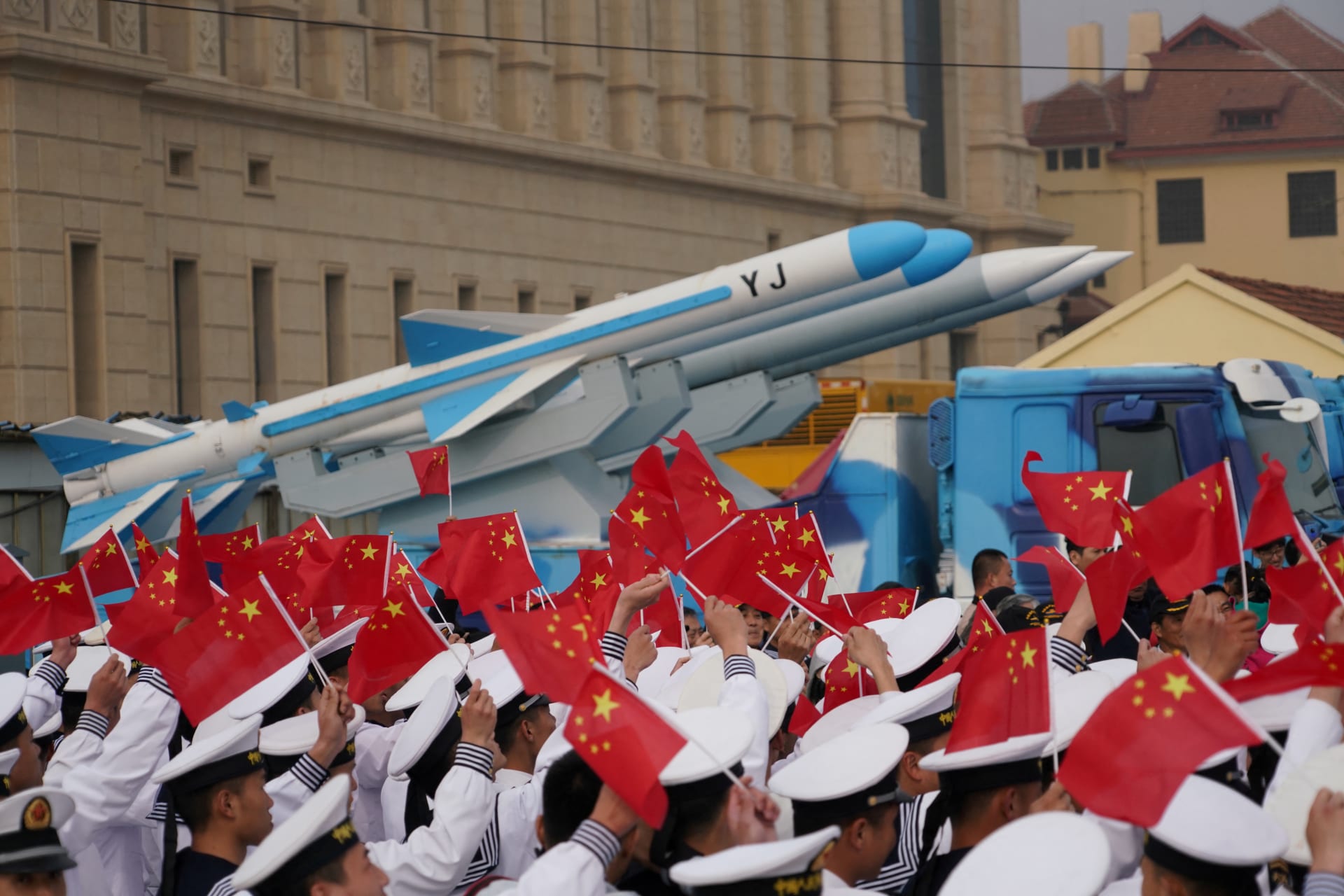
In October, China deepened its support for Russia’s war effort through intelligence sharing, expanded drone supplies, and closer military cooperation, while strengthening diplomatic and economic ties with Russia. China’s moves drew criticism from Ukraine and its Western allies, even as China sought to manage sanctions risks and defend its diplomatic posture on the conflict.
-
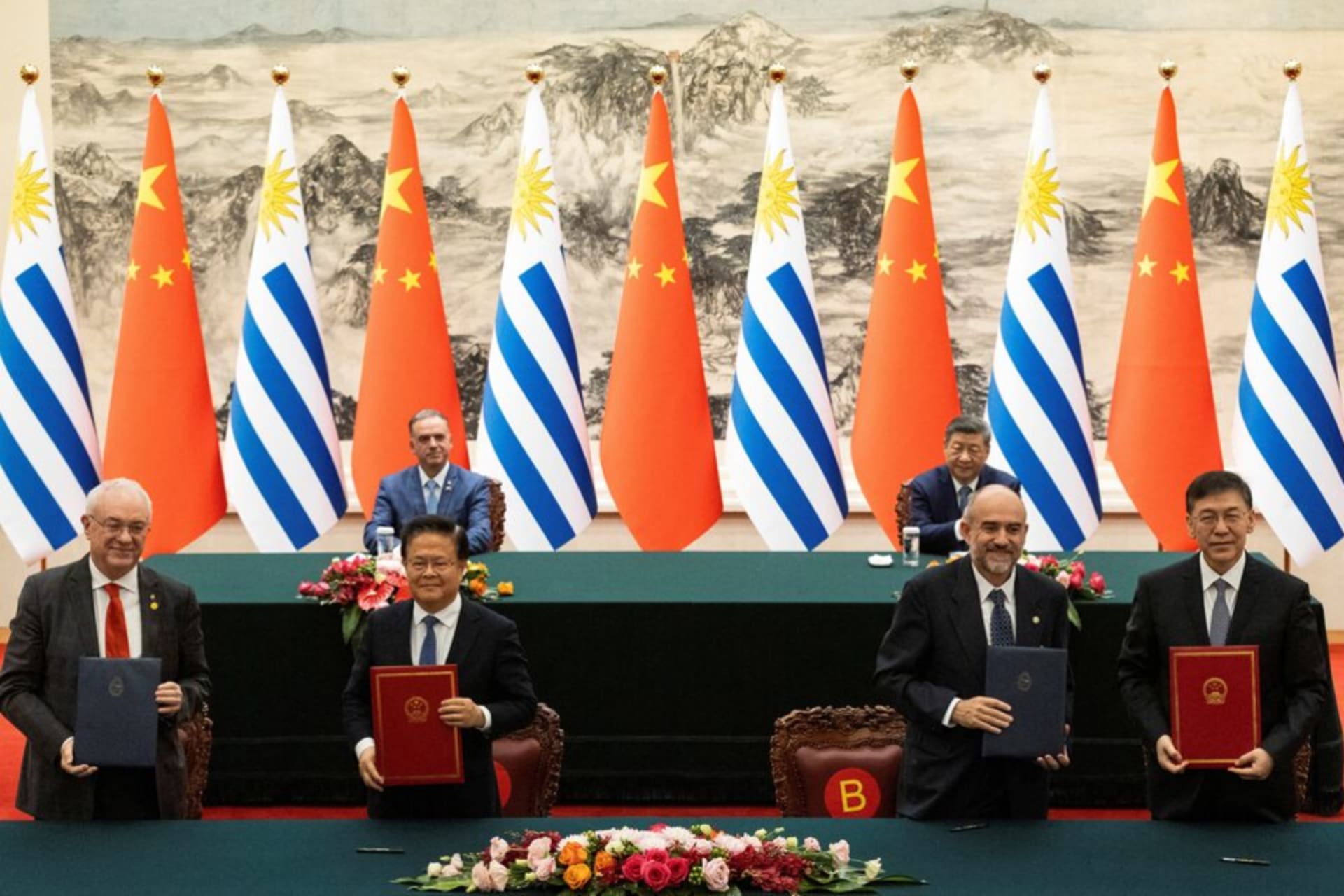
In November, China took a leading role at the thirtieth United Nations Climate Change Conference (COP30) in Brazil, as it sought to deepen diplomatic ties with countries in the region. At the same time, China positioned itself against the United States in its military buildup near Venezuela and called for peace in Latin America and the Caribbean.
-
In September, tensions escalated between Mexico and China over proposed tariff hikes. China denounced U.S. strikes in the Caribbean as a threat to regional security. Cuban President Miguel Díaz-Canel met with Chinese President Xi Jinping in Beijing.
-
In October, Chinese soy imports from Brazil and Argentina increased as U.S. soy was shut out prior to a U.S.-China trade truce at the end of the month. Discussion on Mexico’s proposed tariff on imports from China was paused until November. BYD launched sales of its electric vehicle in Argentina and a Chinese food delivery service started operating in Brazil.
-
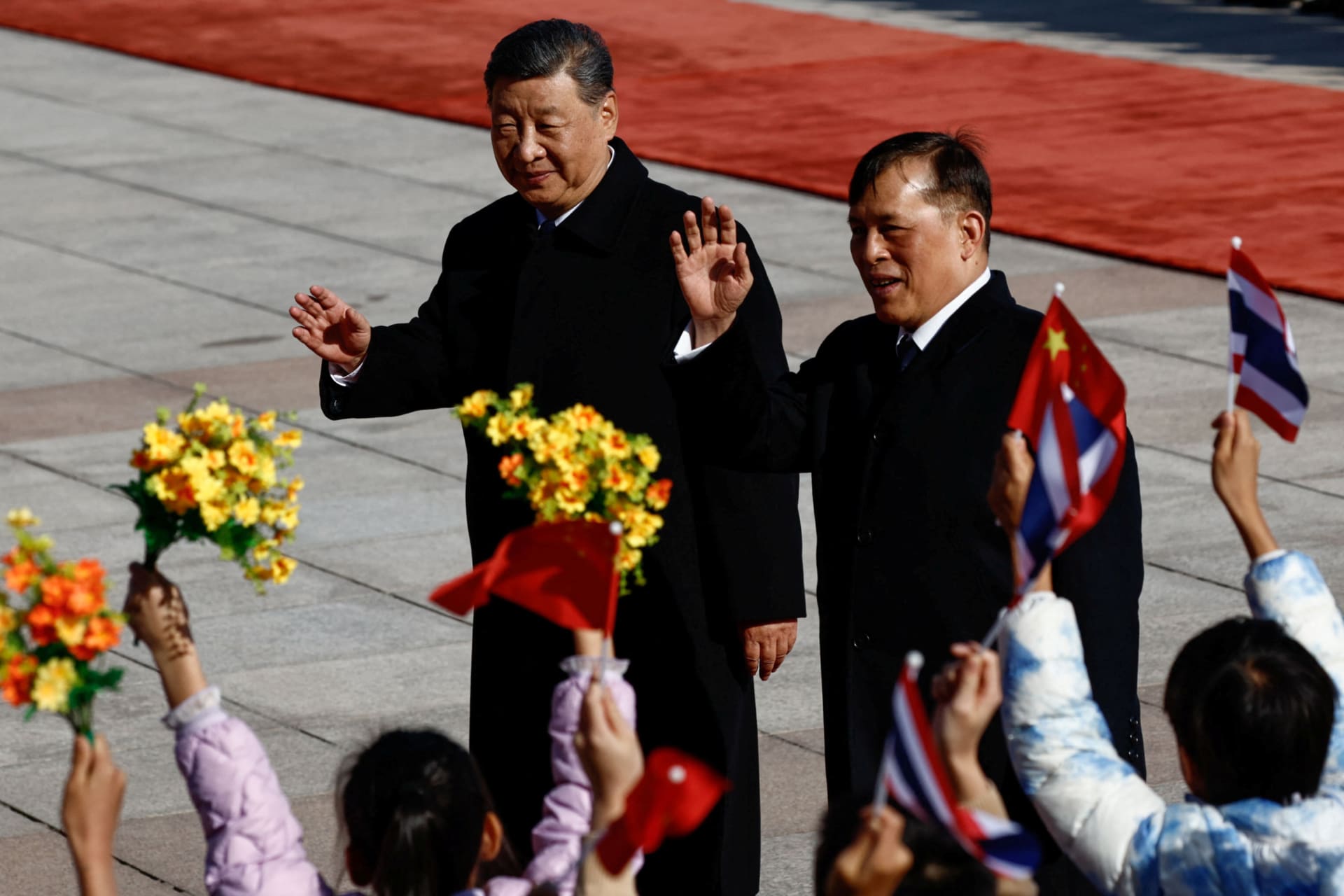
In October, China intensified coercive activities in the South China Sea while expanding military sales, diplomatic engagement, and economic initiatives across various states in South and Southeast Asia, underscoring its push for regional influence despite persistent geopolitical frictions.
-
In September, China coupled sharper maritime pressure on the Philippines with widening regional diplomacy and investment, spanning security cooperation, infrastructure development, and high-tech industries.
-
In September, China and Russia strongly signaled their opposition to the Western-led global order by expanding their diplomatic, economic, and military ties.
-
In September 2025, China imposed steep tariffs on EU pork, Foreign Minister Wang Yi toured Central Europe amid rising tensions with Russia, and accusations of spying were dropped in London.
-
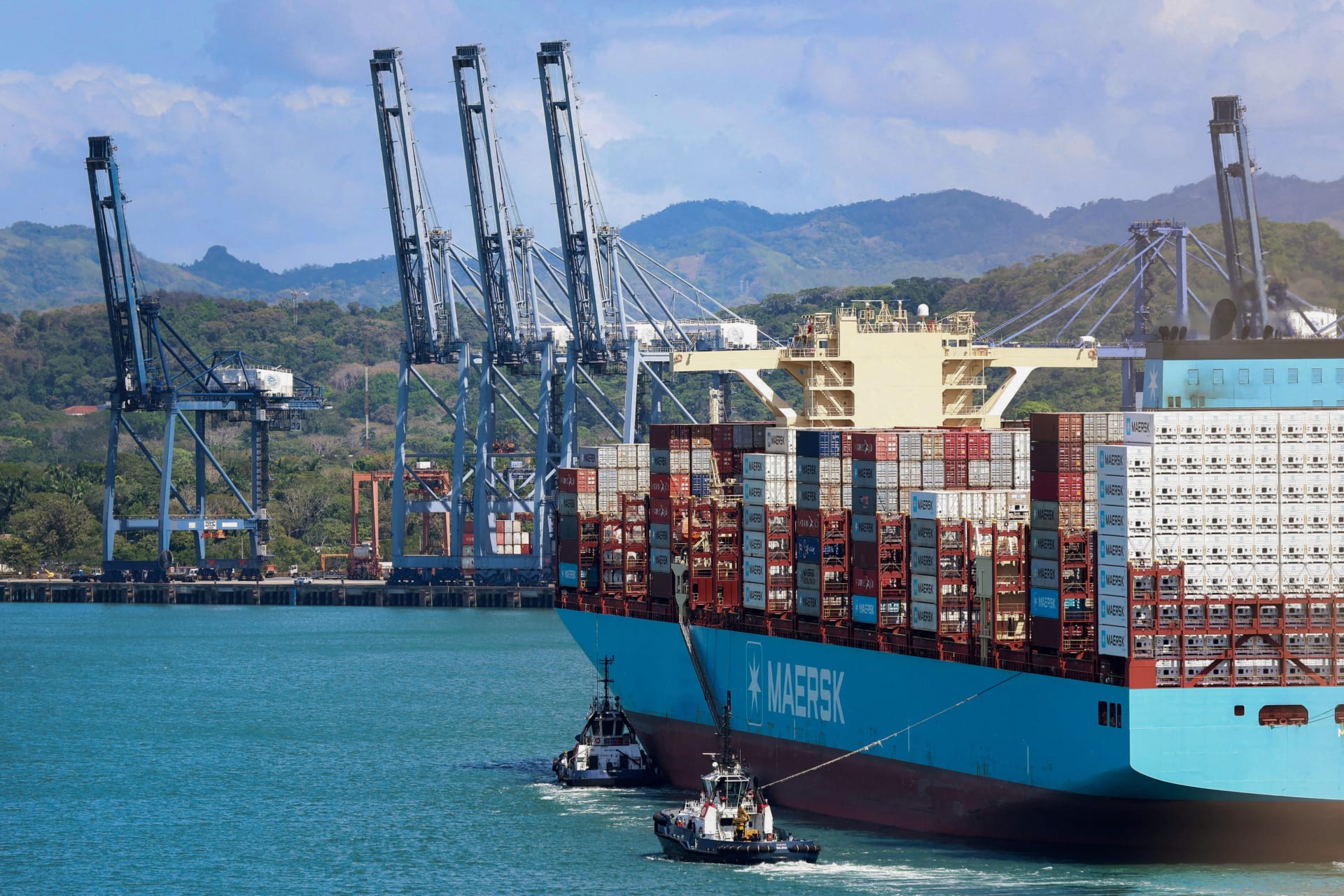
Several Latin American countries’ trade deficits with China widened, and some mulled over trade measures to stem the surge in Chinese imports. A new report showed China is deprioritizing Latin America as an investment destination. The Panama ports saga continued.
-
China's engagement in the Indo-Pacific was dominated by the Shanghai Cooperation Organization Summit.
-
August 2025 saw worsening EU-China frictions with sanctions, trade disputes, cyberattacks, and diplomatic clashes, alongside Europe’s struggles over relevance and reducing reliance on Beijing.