Foreign Policy and the 2026 Midterms: A CFR Guide
A guide to CFR’s analysis, polling, videos, and podcasts on voter priorities, the global issues on the ballot, and the stakes after November 3.
By experts and staff
- Published
- CFR Editors
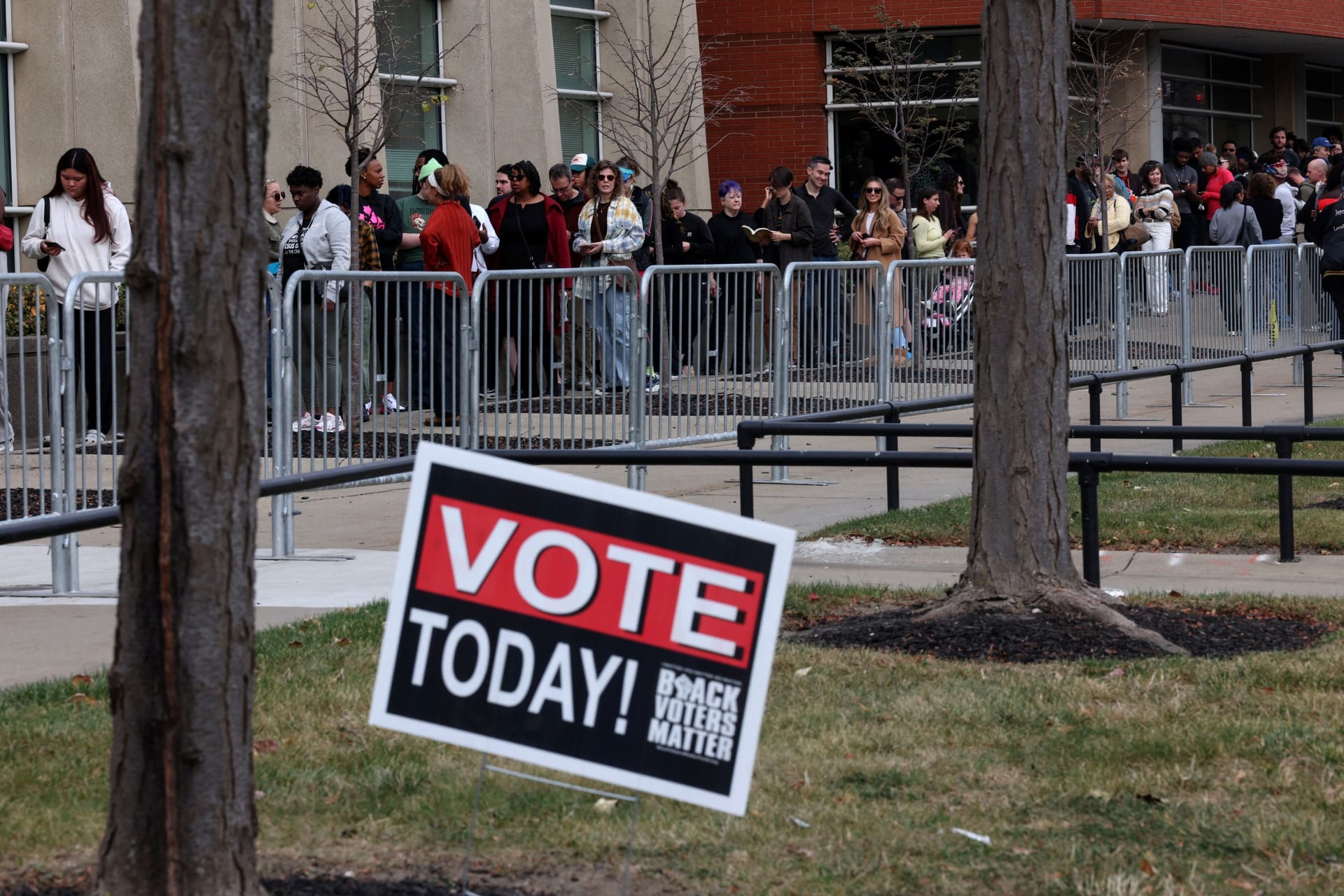
Recent polling suggests that the cost of living remains the top concern for most voters ahead of the U.S. midterm elections. However, the war with Iran, tariffs, and other foreign policy issues appear to be feeding directly into gas prices, grocery bills, and household budgets this year. That could give U.S. foreign policy issues outsized weight at the ballot box in 2026.
Experts at the Council on Foreign Relations have been unpacking these issues for months. Below is a breakdown of the articles, videos, and podcasts they have produced to better understand what voters think about U.S. foreign policies, what global issues are at play, and what could happen after Election Day.
How Voters View U.S. Foreign Policy
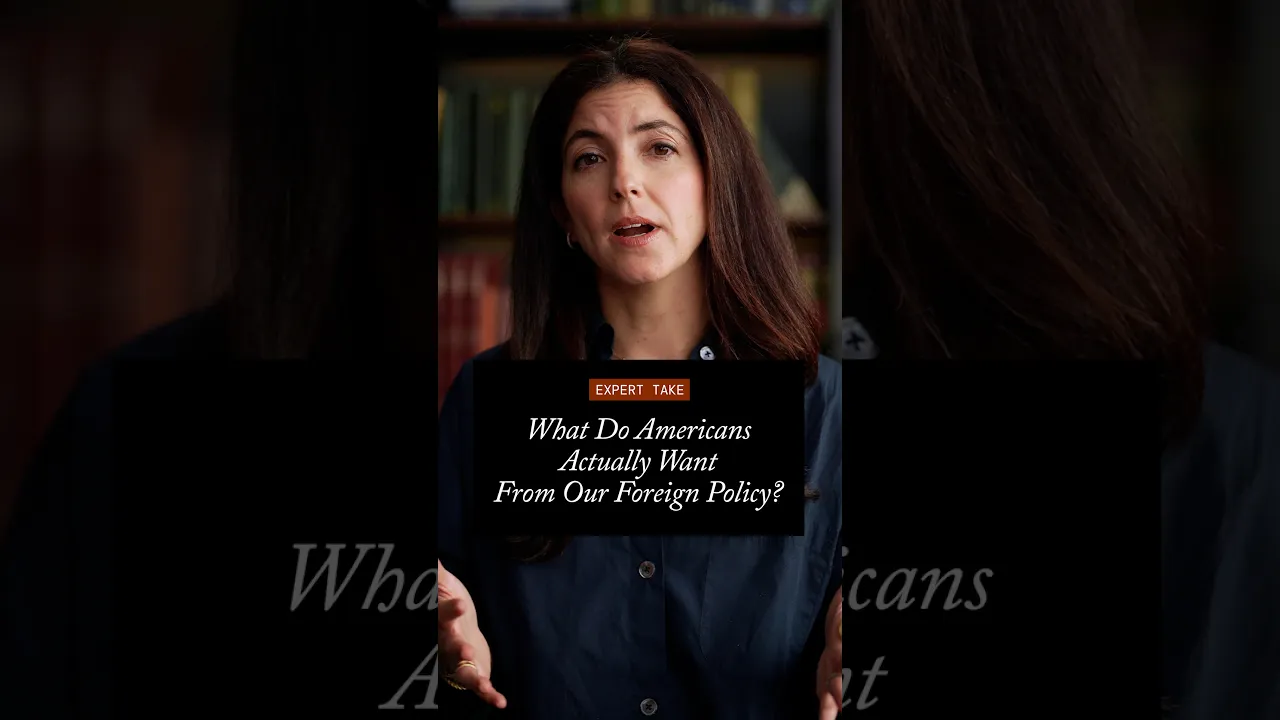
CFR Senior Fellow Rebecca Lissner, who leads CFR’s Future of American Strategy Initiative, began a nationwide listening tour in Maricopa County, Arizona, in September. She found that affordability was at the top of Arizonans’ concerns, along with a shared worry that the United States is “now disrespected around the world.”
“Iran has been messing with us for 47 years. Why now, when diesel is $6.35?”
—A veteran in Maricopa County, Arizona
Lissner traveled to Wisconsin in October as part of CFR’s ongoing efforts to understand what Americans think about the United States’ global role. She spent time in two counties—Kenosha and Milwaukee—and met nearly one hundred people, including students, farmers, union members, and clergy.
“When trade stabilized, then immigration made it hard. All we did was get squeezed.”
—A local business leader in Wisconsin
[Video: https://www.youtube.com/shorts/qhEwQALLwwM]
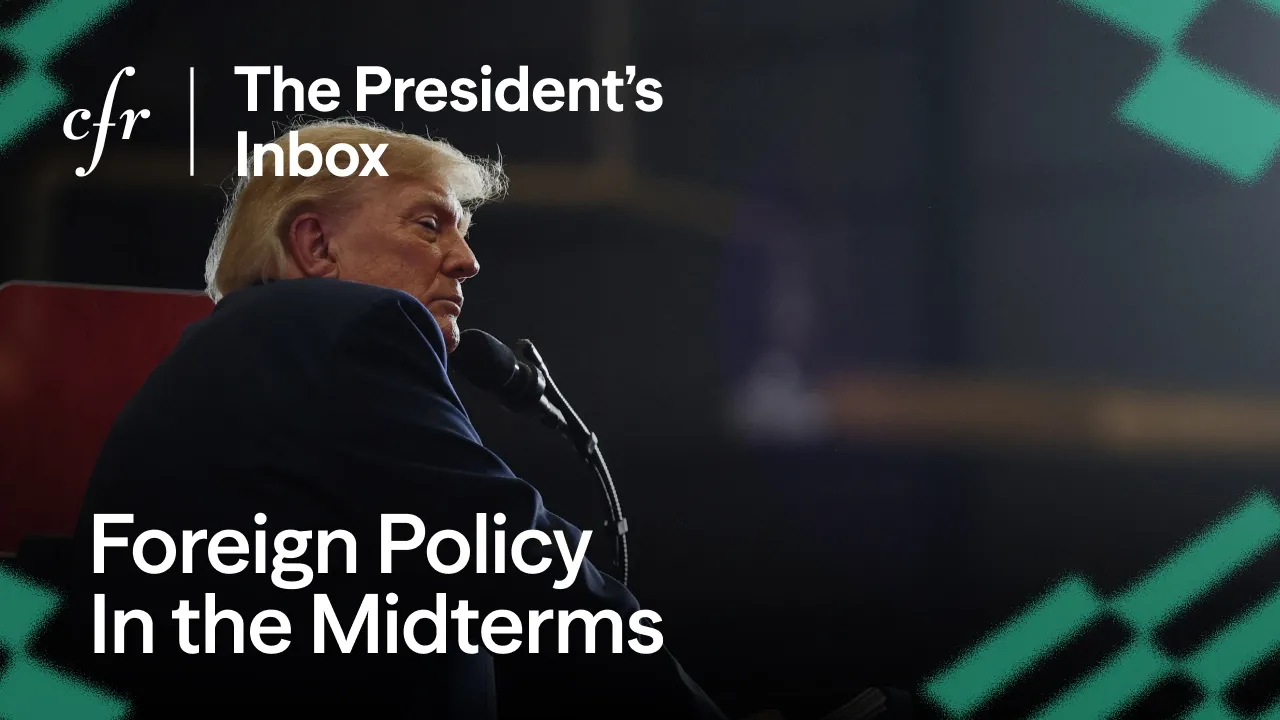
A week before the election, CFR Distinguished Fellow James M. Lindsay reviewed ten recent poll results that explain why Democrats see a blue wave coming and why Republicans fear they are right.
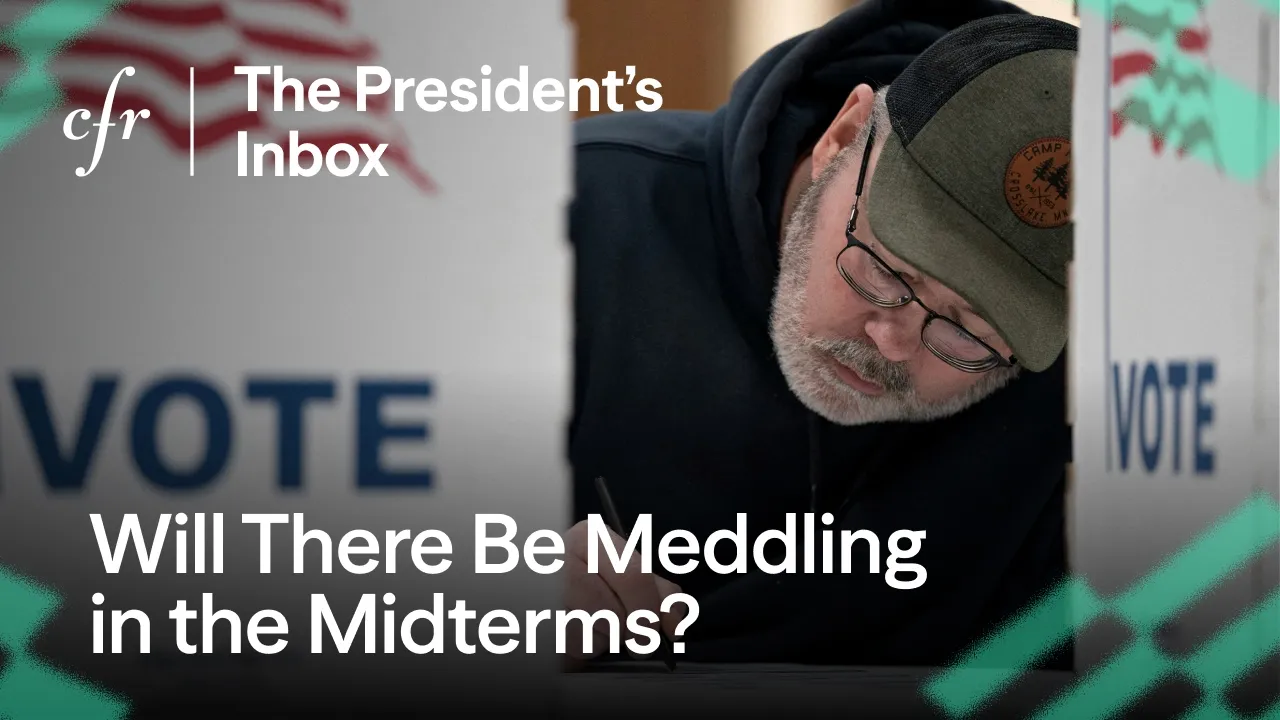
What is on voters’ minds as they head to the polls? How do pocketbook issues such as jobs and gas prices rank alongside foreign policy issues such as Iran, Ukraine, and Israel? The President’s Inbox host James M. Lindsay sits down with Hannah Hartig, a senior researcher at Pew Research Center, and Jessica Huseman, editorial director at Votebeat, which provides nonpartisan local reporting on elections and voting, to discuss these issues for the latest episode of the CFR podcast.
[Video: https://www.youtube.com/watch?v=Hv3x_DAJiT8]
Global Issues at the Ballot Box
The affordability question, which directly ties to the economy and direction of the country, appears to be the core issue driving voter sentiment. What is notable this year is how foreign policy issues have affected those economic issues. CFR experts and data visualizations help break down how the Iran war, U.S. trade policy, artificial intelligence (AI), and immigration could be shaping voters’ perceptions of the economy and the United States’ role in the world.
Allison J. Smith, deputy director for geoeconomics at CFR, writes that a growing number of Americans believe that tariffs are driving up prices, but they remain split on what to do. Smith argues that higher tariffs will likely be long-lasting, no matter which party wins in the midterms.
[Video: https://www.youtube.com/shorts/owel2gjxVFQ]
Writing from Toronto, CFR Senior Fellow Edward Alden explains why Canada has refused to fold to the Trump administration’s trade pressure, and why the midterm elections in northern border states are exposing cracks in the White House trade strategy.
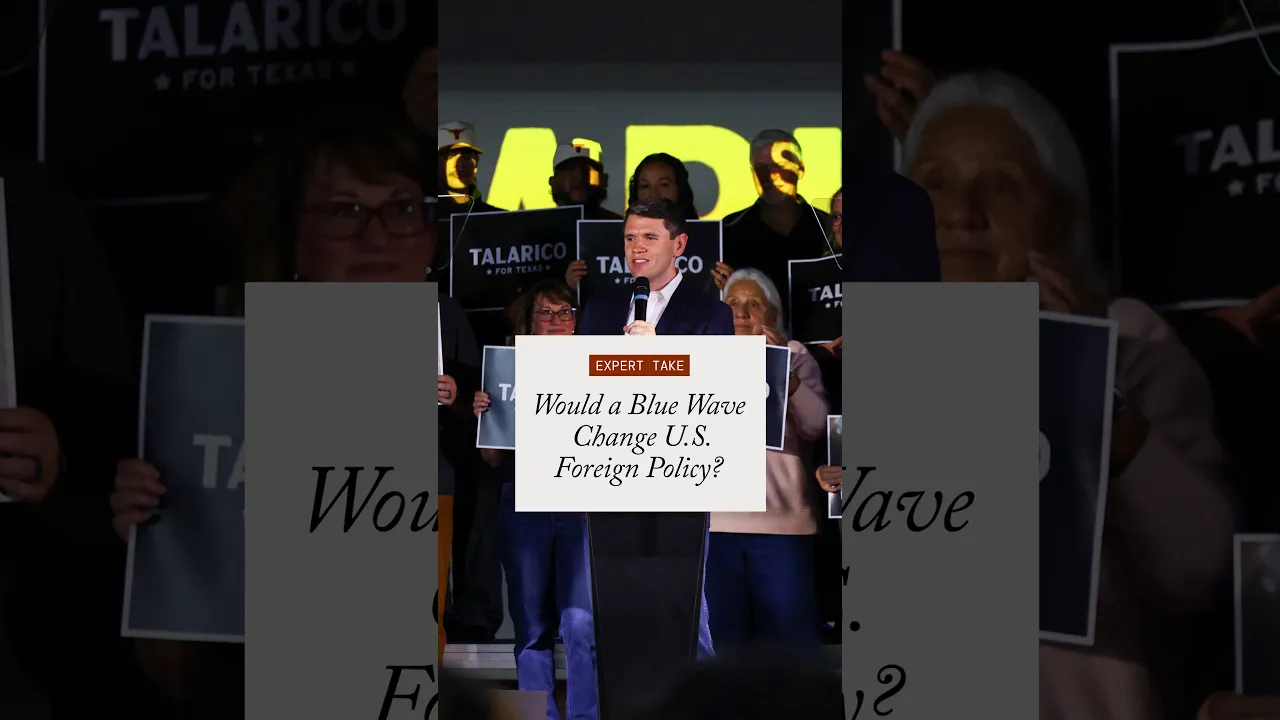
CFR Senior Fellow Jessica Brandt looks into a Russia-linked fake video that accused Texas Senate nominee James Talarico of misconduct. The false claim was repeated by Google’s and Microsoft’s AI tools in the hours after the video was released, giving the allegation unearned authority. The episode shows how chatbots can lend influence operations credibility that no social media post could match, Brandt writes.
[Video: https://www.youtube.com/watch?v=kXSrbEPK6Cg]
What Comes After November 3?
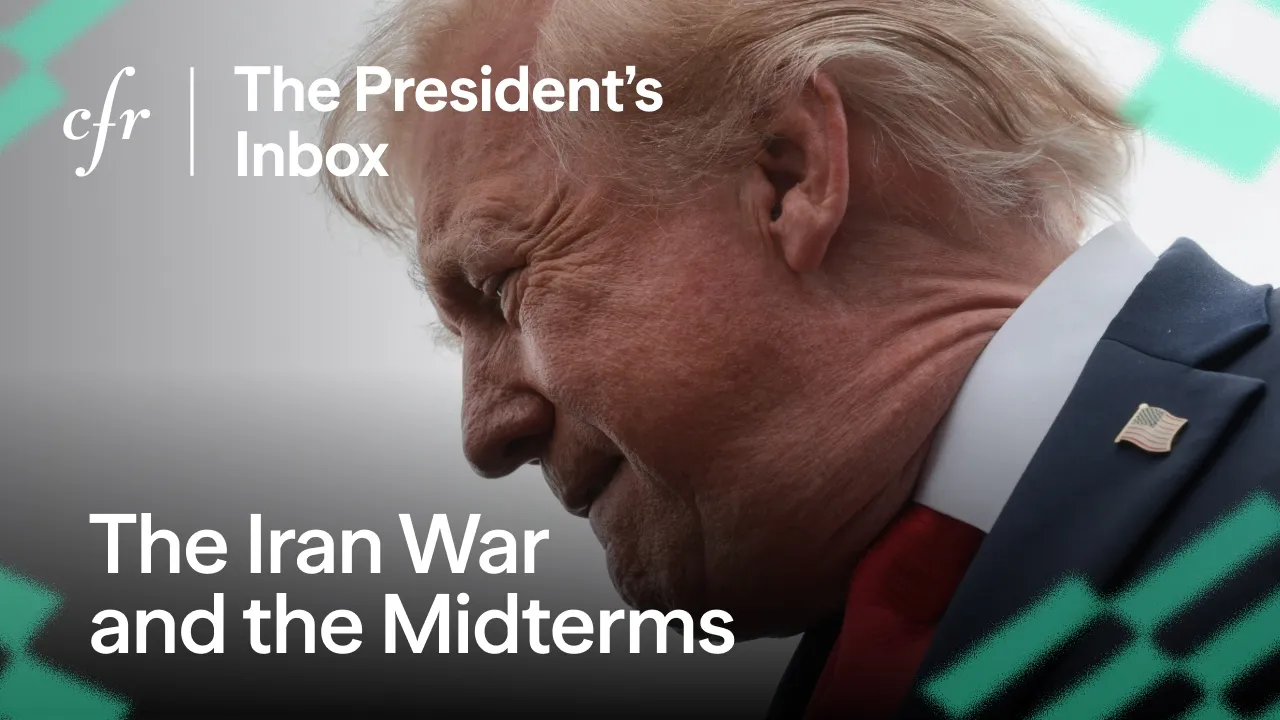
President Donald Trump has suggested that the United States could escalate its war with Iran after the U.S. midterms on November 3. Lindsay discusses the president’s options with Cole Bucy and Nate Swanson, authors of a recent article in Foreign Policy titled “Trump Unleashed: How the U.S. President Might Escalate Against Iran After the Midterm Elections,” on a recent episode of The President’s Inbox. Bucy is a former CIA analyst who served as director for Iran on the staff of the U.S. National Security Council from 2015 to 2016. Swanson is the director of the Iran Strategy Project at the Atlantic Council.
[Video: https://www.youtube.com/watch?v=5gISw3NPRJk]
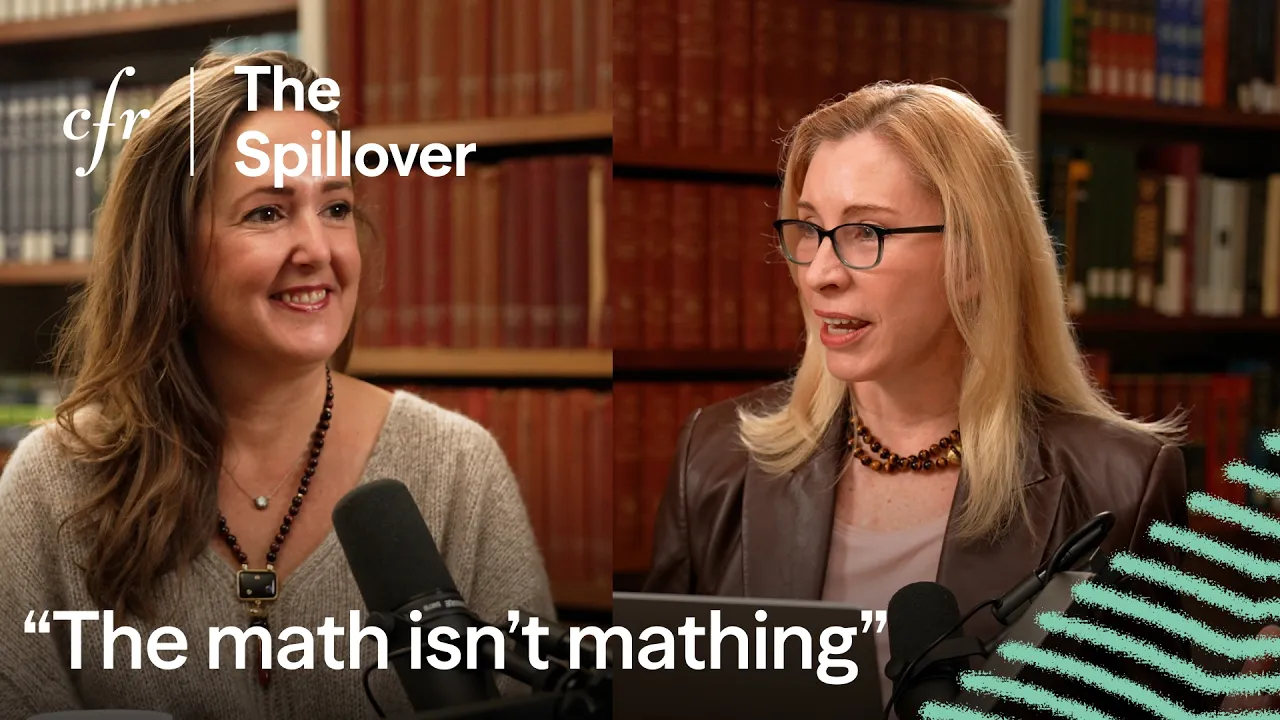
Ahead of the U.S. midterms, Rebecca Patterson—a CFR senior fellow and host of The Spillover—and Veda Partners cofounder Henrietta Treyz discuss an impending confrontation over the debt ceiling in the lame-duck session on a recent episode of the podcast. They warn that a 2011-style standoff could unfold if political brinkmanship and a lack of serious effort to stabilize the country’s debt trajectory continue.
[Video: https://www.youtube.com/watch?v=bZIXcFDkr2k&t=1s]
This work represents the views solely of the author(s). The Council on Foreign Relations is an independent, nonpartisan membership organization, think tank, and publisher, and takes no institutional positions on matters of policy.