John Scali Has Lunch With a Soviet Spy—Cuban Missile Crisis, Day Eleven
The Soviets offer an olive branch that President John F. Kennedy is eager to accept even as Cuba’s Castro raises the stakes for confrontation.
By experts and staff
- Published
 James M. LindsayCFR ExpertMary and David Boies Distinguished Senior Fellow in U.S. Foreign Policy
Journalists live for scoops. Being the first to break major news is the ticket to journalistic fame and fortune. But what if you become a player rather than a spectator in the biggest story of your lifetime? Do you tell the world what you have learned, or do you sit on it? ABC News diplomatic correspondent John Scali found himself in just such a predicament on Friday, October 26, 1962, the eleventh day of the Cuban Missile Crisis.
Scali’s journalistic dilemma came just as the chances to resolve the crisis peacefully appeared to be dimming. But Scali’s decision on what to do, combined with the arrival of a surprising letter from Soviet Premier Nikita Khrushchev to President John F. Kennedy, created an opening to avoid the nuclear armageddon that Cuban leader Fidel Castro seemed all too eager to embrace.
Let’s Have Lunch
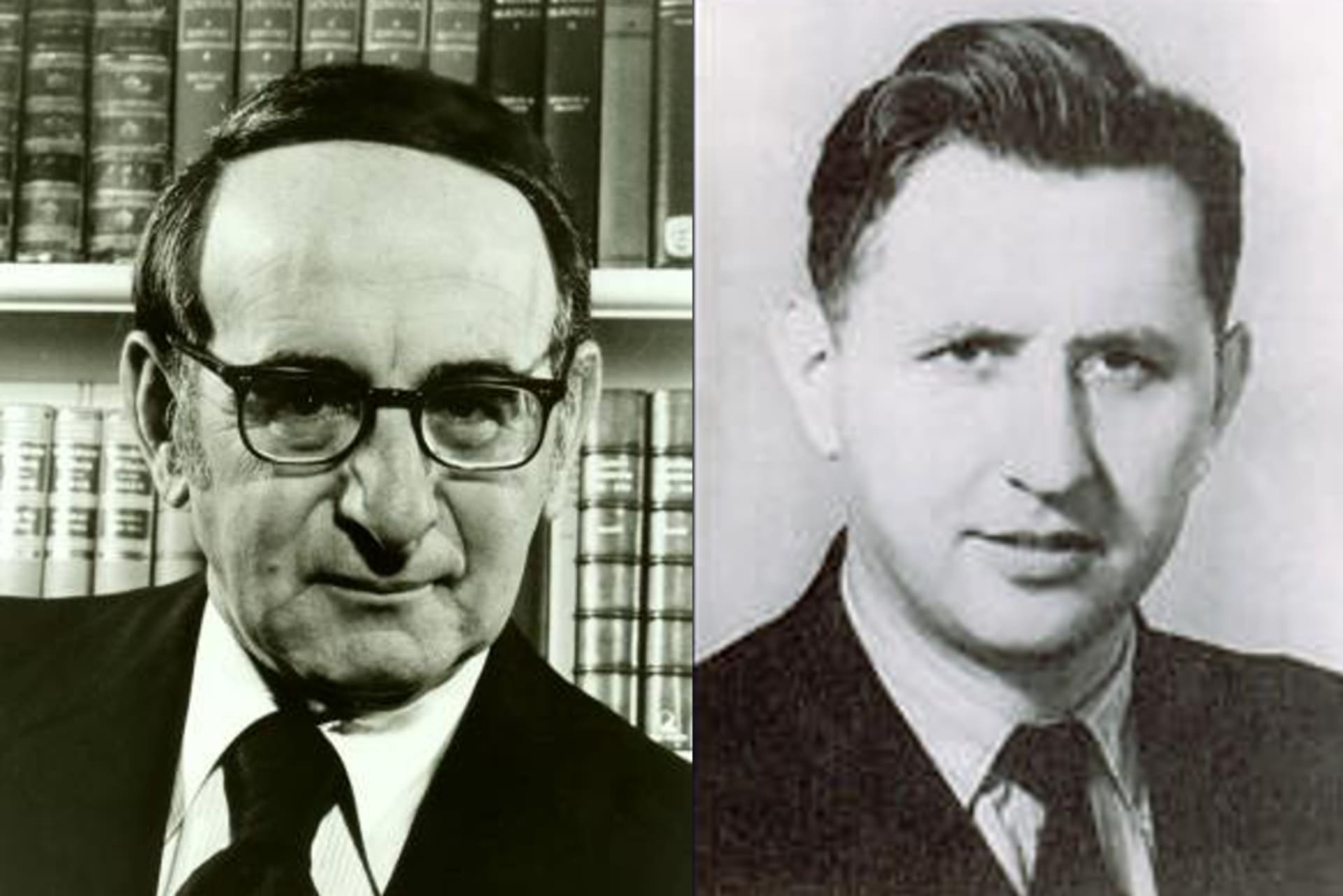
Scali received a call shortly after noon from Alexander Fomin. Fomin was officially a diplomatic counselor at the Soviet embassy in Washington. His actual job, though, was KGB station chief. His real name was Alexander Feklisov, and he was good at his craft. He had run the Klaus Fuchs and Rosenberg spy ring that passed along the Manhattan Project’s atomic secrets to the Soviet Union.
Fomin’s reason for calling was simple: he wanted to have lunch. Scali was just finishing a baloney sandwich and was not inclined to eat more. But the urgency he detected in Fomin’s voice persuaded Scali that food was not the point of the call. So he agreed to meet at the Occidental Restaurant, located just two blocks from the White House.
“War Seems About to Break Out”
Scali’s instincts were right. This was not an ordinary lunch. As he later told the story:
After the waiter had taken our order, he [Fomin] came right to the point and said, “War seems about to break out; something must be done to save the situation.”
And I said, “Well, you should have thought of that before you introduced the missiles.”
He then said, “There might be a way out; what would you think of a proposition whereby we would promise to remove our missiles under United Nations inspection, where Mr. Khrushchev would promise never to introduce such offensive missiles into Cuba again? Would the President of the United States be willing to promise publicly not to invade Cuba?”
I said I didn’t know, but I would be willing to try and find out.
The rest of the meal was eaten in silence, and incidentally he got my crab cakes and I wound up with his pork chop, but he didn’t notice it.
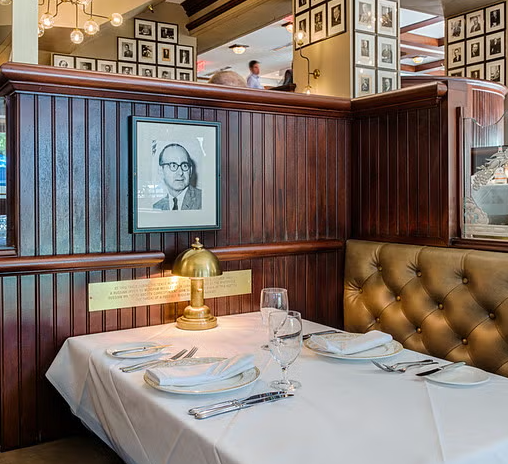
Scali returned immediately to his office in the State Department press room and penned a short memo summarizing what Fomin had told him. He gave the memo to Roger Hilsman, the director of the State Department’s Bureau of Intelligence and Research. Hilsman recognized the significance of Fomin’s comments and passed the memo along to Secretary of State Dean Rusk. The secretary in turn passed it on to the White House.
“You Have to Be Goddamn Careful”
Scali’s memo arrived as Kennedy was becoming increasingly pessimistic about resolving the crisis diplomatically. The Soviet ships carrying missile parts to Cuba had turned back, but more of the missiles already in Cuba were becoming operational every day. At the morning ExComm meeting, Kennedy predicted that the missiles would be removed only if the United States invaded Cuba or offered to trade their removal for something the Soviets wanted.
Concerns about maintaining the administration’s message discipline also weighed on Kennedy. He dressed down the State Department spokesperson for encouraging reporters to believe that the White House was ready to take “further action” in Cuba. “You have to be goddamn careful” with such talk, Kennedy said, because it “moves this escalation up couple of days when we’re not ready for it.”
[Video: https://www.youtube.com/watch?v=0jdwSuM61lI]
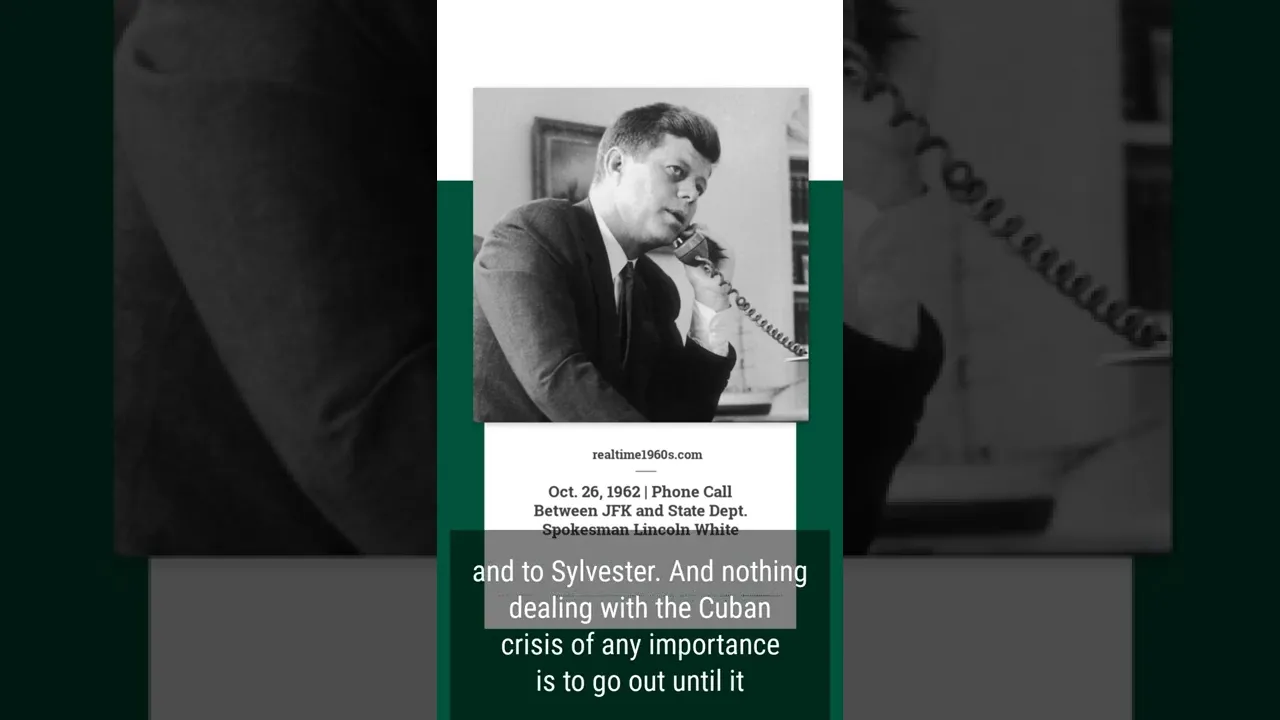
For Kennedy, Fomin’s overture was what he was looking for: a possible way out of the bind he was in.
First Lunch, Now Coffee
After Scali finished his appearance on ABC News’s 6:00 p.m. network broadcast—he did not mention his lunch with Fomin—he was summoned to the State Department and ushered into Rusk’s office. The secretary pulled a sheet of yellow, legal-size paper out of his pocket and began reading. The gist of the message was that Scali should tell Fomin that “the highest officials in the United States Government” saw possibilities in his offer.
Scali then arranged to meet Fomin in the coffee shop of the Statler Hotel, a half-block from the Soviet embassy. He passed along Rusk’s message. After being convinced that Scali was leveling with him, Fomin picked up the thirty-cent tab for the two cups of coffee they had ordered. When the cashier continued talking to a friend rather than take payment, the Soviet spy chief slapped a five-dollar bill on the counter and disappeared into the night.
Untying the Knot of War
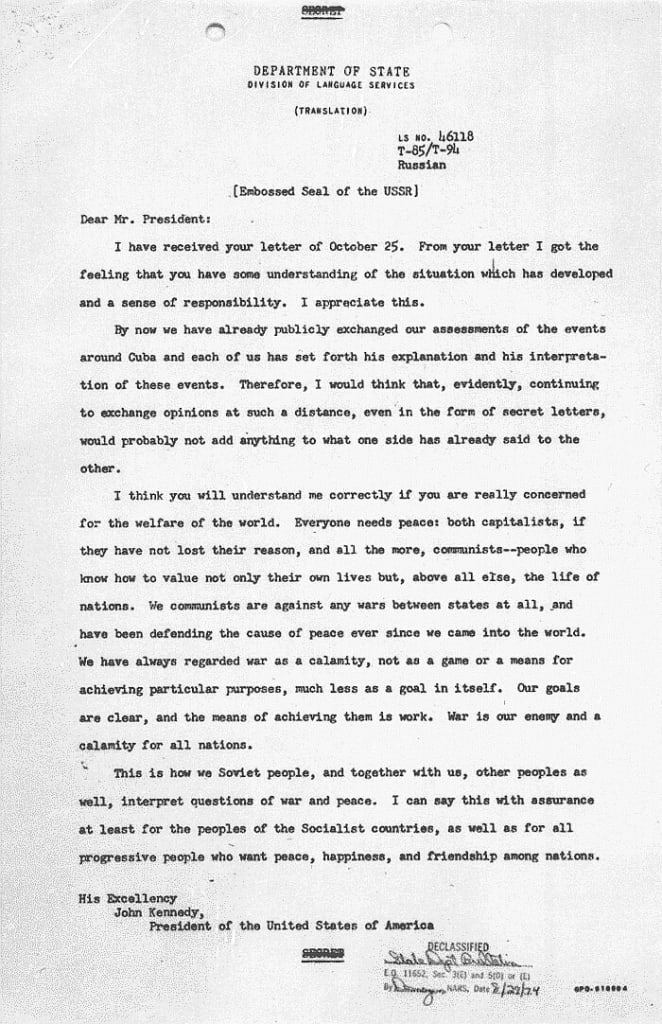
As Scali was having coffee with Fomin, the White House was reviewing a long, emotional letter from Khrushchev that looked to confirm the proposal Fomin had floated. The letter had been delivered to the U.S. embassy in Moscow at 9:43 a.m. Washington time. It had taken more than eleven hours to translate the letter, transmit it to the State Department, and then deliver it to the White House.
Khrushchev began with an indignant defense of why the Soviet Union had sided with Cuba. He then shifted gears and put an offer on the table:
Let us therefore show statesmanlike wisdom. I propose: We, for our part, will declare that our ships, bound for Cuba, will not carry any kind of armaments. You would declare that the United States will not invade Cuba with its forces and will not support any sort of forces which might intend to carry out an invasion of Cuba. Then the necessity for the presence of our military specialists in Cuba would disappear.
He went on to add:
Mr. President, we and you ought not now to pull on the ends of the rope in which you have tied the knot of war, because the more the two of us pull, the tighter that knot will be tied. And a moment may come when that knot will be tied so tight that even he who tied it will not have the strength to untie it, and then it will be necessary to cut that knot, and what that would mean is not for me to explain to you, because you yourself understand perfectly of what terrible forces our countries dispose.
Consequently, if there is no intention to tighten that knot and thereby to doom the world to the catastrophe of thermonuclear war, then let us not only relax the forces pulling on the ends of the rope, let us take measures to untie that knot. We are ready for this.
Kennedy and his advisors inferred from Khrushchev’s letter and Fomin’s overture that the Soviets were making a coordinated effort to extend an olive branch. In fact, Fomin had acted on his own initiative; the two developments were serendipitous rather than coordinated. Nonetheless, the break Kennedy had been hoping for appeared to have arrived.
“Comrade Khrushchev”
As the White House mulled over how to respond to Khrushchev’s overture, Castro was becoming convinced that a U.S. invasion of Cuba was imminent. El Comandante had no intention of going down to defeat at the hands of the “yanqui imperialists” without striking back. Late that night he sent “Comrade Khrushchev” a telegram urging the Soviet premier to launch a preemptive nuclear first strike on the United States if it attacked Cuba, “however harsh and terrible the solution, there would be no other.” Castro also ordered Cuban forces to fire on any U.S. aircraft that entered Cuba’s airspace.
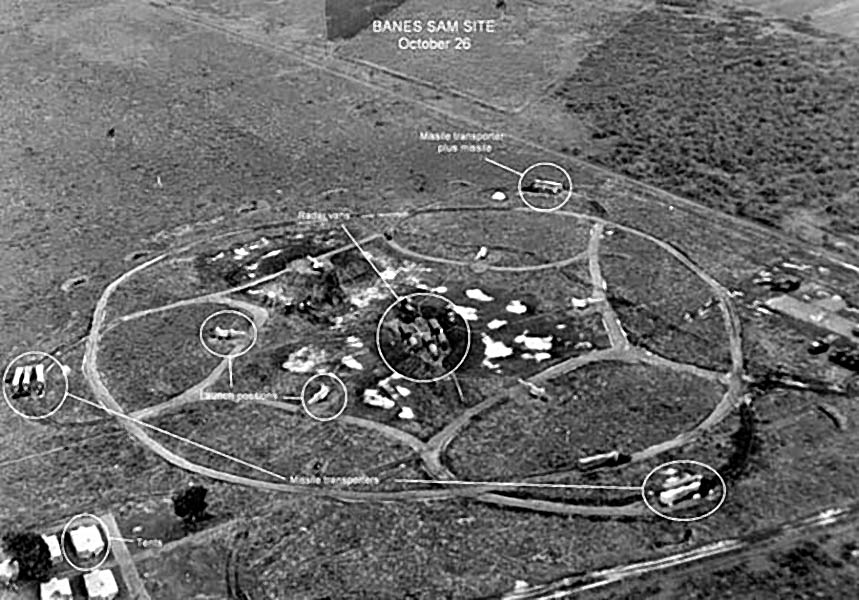
Kennedy knew nothing of Castro’s telegram. As far as he could tell that Friday night, he had a possible way out of the missile crisis on terms that served U.S. interests. What he would discover when he awoke the next morning, however, was that the crisis had entered its most dangerous day: “Black Saturday.” The decisions he and Khrushchev made—and more importantly, events that neither man anticipated nor controlled—would determine whether the world would go over the nuclear brink.
Oscar Berry and Jack Patton assisted in the preparation of this article.
The United States celebrates its 250th anniversary in 2026. To mark that milestone, I am resurfacing essays I have written over the years about major events in U.S. foreign policy. A version of this essay was published on October 26, 2012.
Other Posts in This Series:
- “Andrei Gromyko Tells a Lie at the United Nations,” September 21, 1962
- “Major Richard S. Heyser’s U-2 Mission Discovers Soviet Missiles in Cuba,” October 14, 1962
- “The United States Discovers Soviet Missiles in Cuba,” October 15, 1962
- “JFK Learns That Soviet Missiles Are in Cuba—The Cuban Missile Crisis, Day One,” October 16, 1962
- “John F. Kennedy Solicits Dwight D. Eisenhower’s Advice—The Cuban Missile Crisis, Day Two,” October 17, 1962
- “Soviet Foreign Minister Andrei Gromyko Lies to President John F. Kennedy—The Cuban Missile Crisis, Day Three,” October 18, 1962
- “John F. Kennedy Campaigns While the ExComm Debates—The Cuban Missile Crisis, Day Four,” October 19, 1962
- “President John F. Kennedy Fakes a Fever—The Cuban Missile Crisis, Day Five,” October 20, 1962
- “President John F. Kennedy Prepares to Tell the Nation About Soviet Missiles in Cuba—Cuban Missile Crisis, Day Six,” October 21, 1962
- “President John F. Kennedy Tells the World That Soviet Missiles Are in Cuba—Cuban Missile Crisis, Day Seven,” October 22, 1962
- “Soviet Premier Nikita Khrushchev Warns President John F. Kennedy of “Catastrophic Consequences”—Cuban Missile Crisis, Day Eight,” October 23, 1962
- “‘Eyeball to Eyeball’—Cuban Missile Crisis, Day Nine,” October 24, 1962
- “Adlai Stevenson Dresses Down the Soviet Ambassador to the UN—Cuban Missile Crisis, Day Ten,” October 25, 1962
This work represents the views solely of the author(s). The Council on Foreign Relations is an independent, nonpartisan membership organization, think tank, and publisher, and takes no institutional positions on matters of policy.