Soviet Foreign Minister Andrei Gromyko Lies to President John F. Kennedy—The Cuban Missile Crisis, Day Three
JFK keeps quiet about the discovery of Soviet missiles in Cuba as he meets a Soviet diplomat and the secret becomes increasingly harder to keep.
By experts and staff
- Published
 James M. LindsayCFR ExpertMary and David Boies Distinguished Senior Fellow in U.S. Foreign Policy
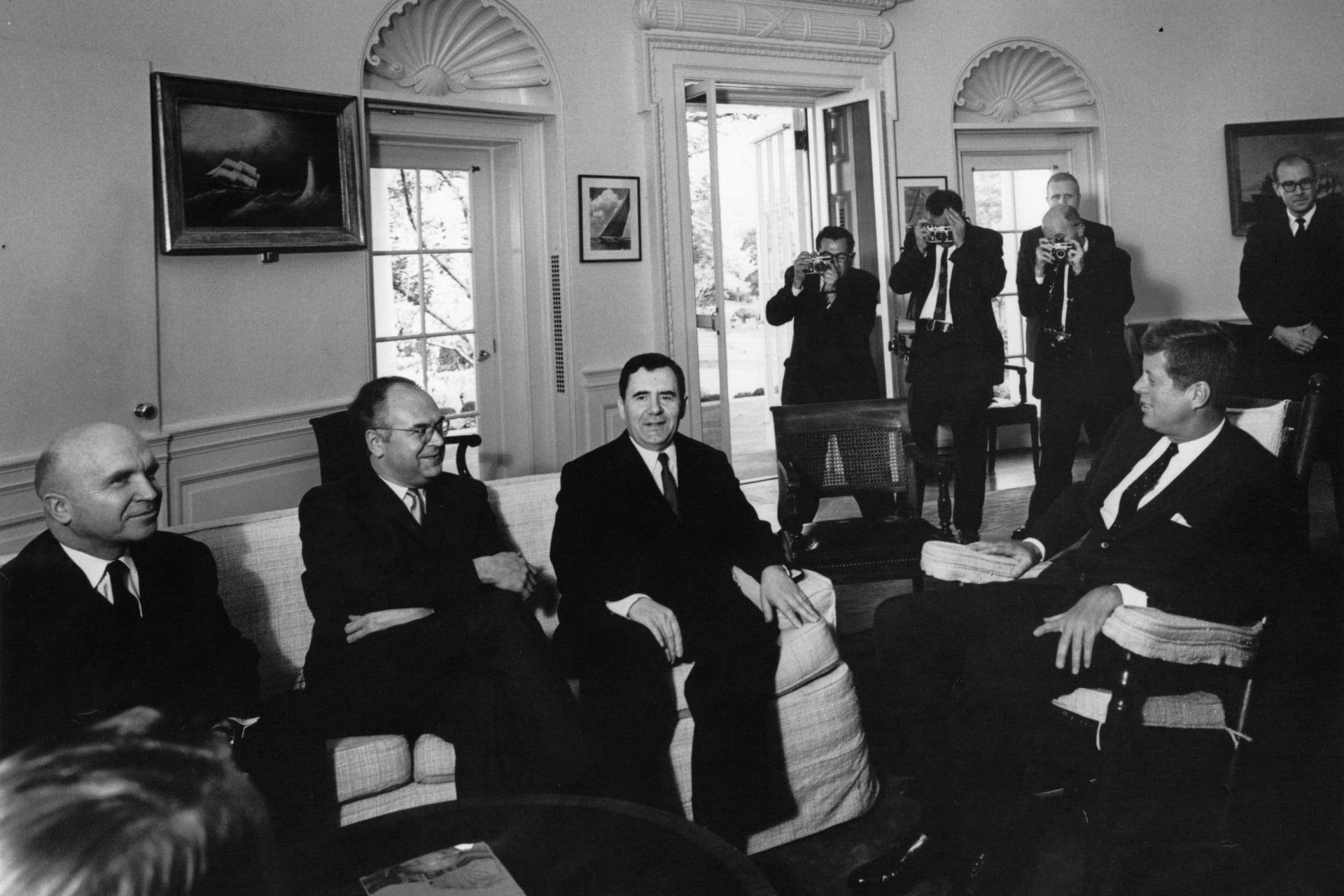
Could you sit through a two-hour meeting with a man who was lying to your face without letting on that you knew he was lying? President John F. Kennedy faced just that challenge on Thursday, October 18, 1962, the third day of the Cuban missile crisis, when he met with Soviet Foreign Minister Andrei Gromyko at the White House for a previously scheduled meeting. Gromyko knew that the Soviet Union was installing nuclear-capable offensive missiles in communist Cuba. JFK could not afford to let it slip that he now did too.
A Personal Appeal to the President
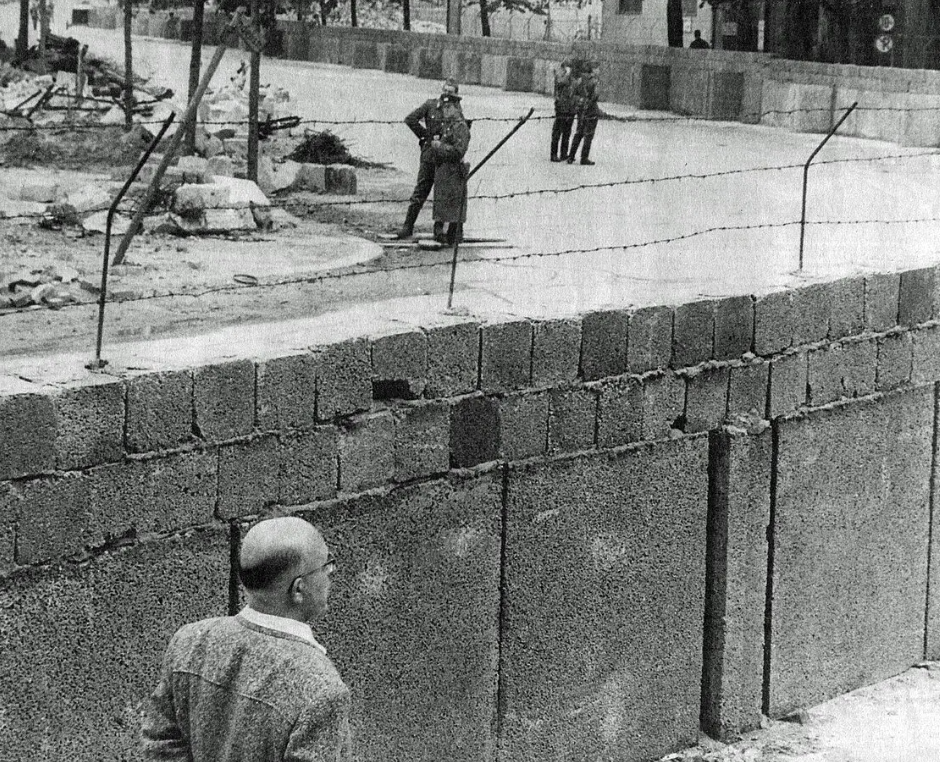
The meeting with Gromyko began at 5:00 p.m. The Soviet foreign minister had requested the meeting so he could the Kremlin’s position on Berlin directly to Kennedy. However, the discovery just days earlier that the Soviet Union was installing medium-range ballistic missiles in Cuba added a new dimension to their discussions. Gromyko had publicly (and falsely) insisted in an address to the United Nations General Assembly three weeks earlier that the Soviet Union had no intention of giving Cuba weapons that threatened the United States.
After discussing Germany, Gromyko turned to Soviet concerns about Cuba. Reading from a prepared text, he told Kennedy that the Soviet Union favored peaceful coexistence and opposed countries interfering in the domestic affairs of others. As such:
The Soviet Government and Mr. Khrushchev personally appealed to the President and the United States Government not to allow such steps as would be incompatible with peace, with relaxation of tensions, and with United Nations Charter under which both the US and the USSR had solemnly affixed their signatures.
Gromyko repeated what he and other Soviet officials had said many times before: all Soviet military assistance to Havana was intended only for “the defensive capabilities of Cuba.”
“The Gravest Issues”
Still unsure how he would respond to the discovery of the Kremlin’s duplicity, Kennedy did not reveal that he knew Gromyko was lying. The president instead stressed that contrary to the presumption underlying the foreign minister’s remarks, the United States had no intention of attacking Cuba and that the April 1961 Bay of Pigs invasion had been a mistake.
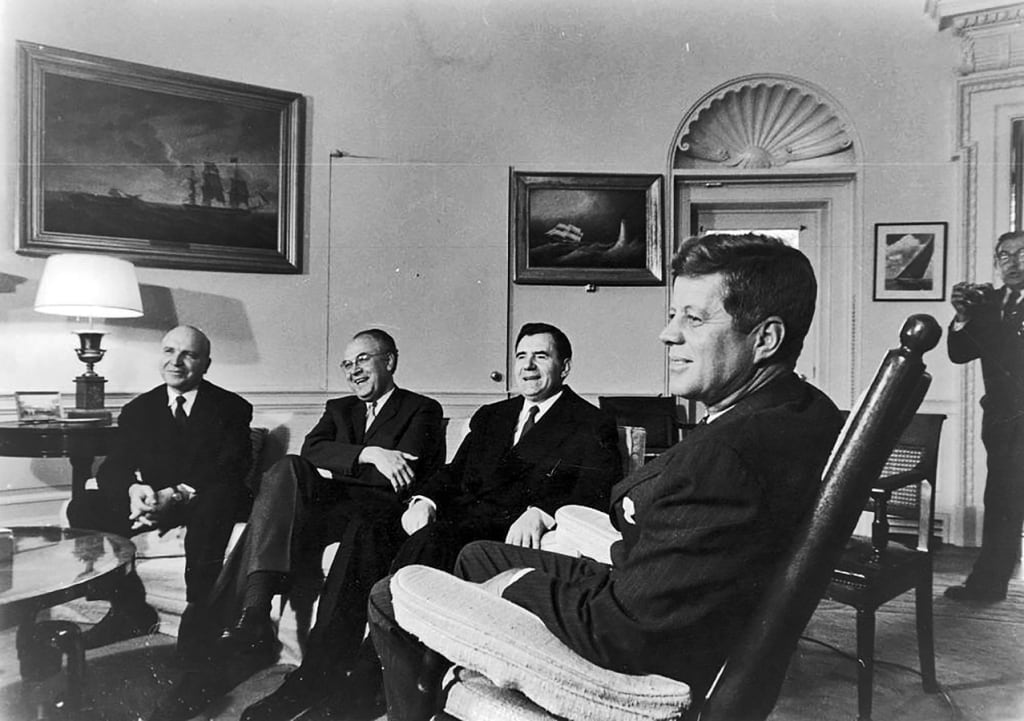
JFK did not stop there. He read a portion of a public statement he had made on September 4 saying that “the gravest issues would arise” if the Soviets gave Cuba weapons that threatened the United States. When the meeting broke up, Secretary of State Dean Rusk and several other U.S. officials took Gromyko and his entourage to the State Department for a formal dinner that lasted until after midnight.
Three Options
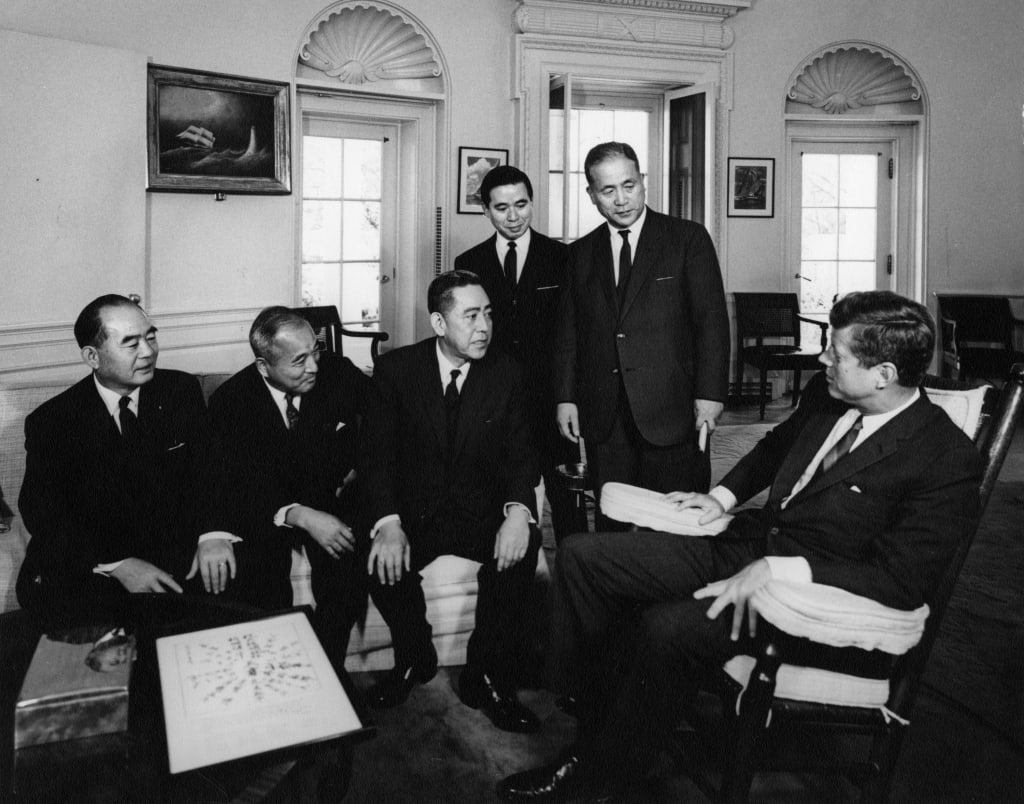
The Gromyko meeting had come after a long day in which Kennedy had kept to his public schedule, which had him presenting aviation trophies, presiding over a routine Cabinet meeting, and meeting with a former Japanese cabinet minister. He had two Cuba-specific meetings, one in the late morning and the other in the mid-afternoon. But for the most part, the ExComm met without him present, in part so that the White House could maintain an air of normalcy, but also so that the ExComm’s members could talk freely rather than guess what the president wanted them to say.
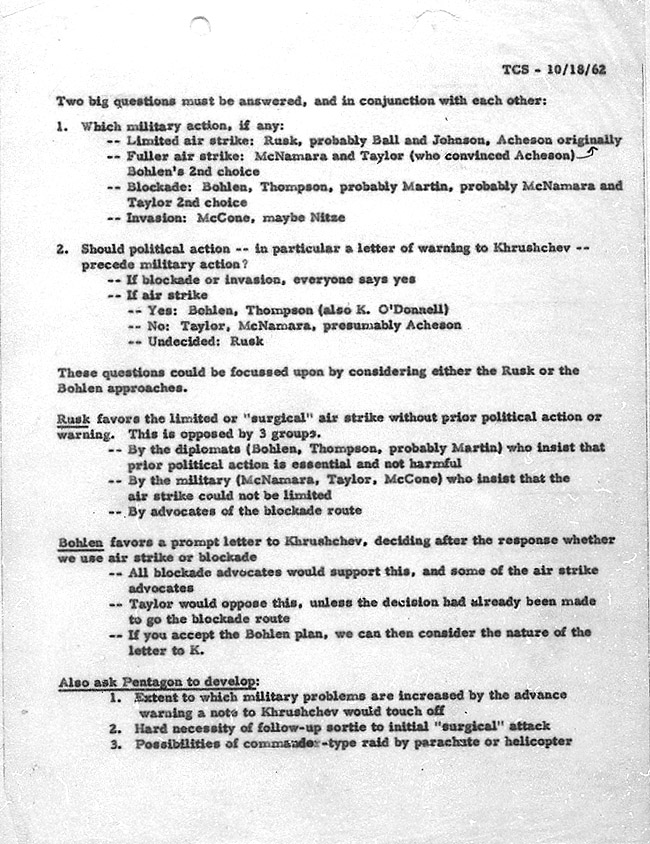
With Gromyko off at the State Department dinner, Kennedy convened an ExComm meeting at 9:15 p.m. He discovered that his advisers were debating three options: a robust set of air strikes against the missile sites and related infrastructure, a more limited set of air strikes, and a naval blockade. Kennedy made no decision, though several of his advisers thought he was leaning toward a blockade as a first step.
Secrets Are Hard to Keep
As Kennedy retired for the night, the American public (and the rest of world) remained in the dark about the crisis that was brewing. But the façade of secrecy was beginning to crack. Several newspapers had run stories that morning about military movements in the southeastern United States. The Defense Department used a regular press briefing to insist that all troop and materiel movements were part of a regularly scheduled training exercise.
When Secretary of Defense Robert McNamara and CIA director John McCone arrived at the State Department in the early evening to continue discussions about the crisis, reporters asked if they were there for the Gromyko dinner. The two men kept the journalists from asking more questions by saying they were. Hours later, nine officials traveled to the White House from the State Department for the 9:15 p.m. meeting in a single limousine because earlier in the day people had noticed an unusually high number of government cars outside the State Department. Why, they wondered, were so many high-ranking officials convening in one spot? The world would soon find out.
Oscar Berry and Jack Patton assisted in the preparation of this article.
The United States celebrates its 250th anniversary in 2026. To mark that milestone, I am resurfacing essays I have written over the years about major events in U.S. foreign policy. A version of this essay was published on October 18, 2012.
Other Posts in This Series:
- “Andrei Gromyko Tells a Lie at the United Nations,” September 21, 1962
- “Major Richard S. Heyser’s U-2 Mission Discovers Soviet Missiles in Cuba,” October 14, 1962
- “The United States Discovers Soviet Missiles in Cuba,” October 15, 1962
This work represents the views solely of the author(s). The Council on Foreign Relations is an independent, nonpartisan membership organization, think tank, and publisher, and takes no institutional positions on matters of policy.