“Black Saturday” Threatens a Calamity as President John F. Kennedy Makes Two Offers—Cuban Missile Crisis, Day Twelve
Sometimes luck and personal courage matter as much as skillful diplomacy in preventing catastrophes.
By experts and staff
- Published
 James M. LindsayCFR ExpertMary and David Boies Distinguished Senior Fellow in U.S. Foreign Policy
Murphy’s Law holds that if anything can go wrong, it will. On Saturday, October 27, 1962, the twelfth day of the Cuban Missile Crisis, President John F. Kennedy might have been thinking about that famous law’s corollary: Murphy was an optimist. JFK had gone to bed the night before thinking that a solution to the crisis was in sight. But he awoke on what later became known as “Black Saturday” to a series of events that he had not anticipated and that threatened to plunge the world into the nuclear abyss. His day would end with him making two offers to Soviet Premier Nikita Khrushchev, one that became public immediately and one that would remain secret for years.
Radio Moscow Ups the Ask
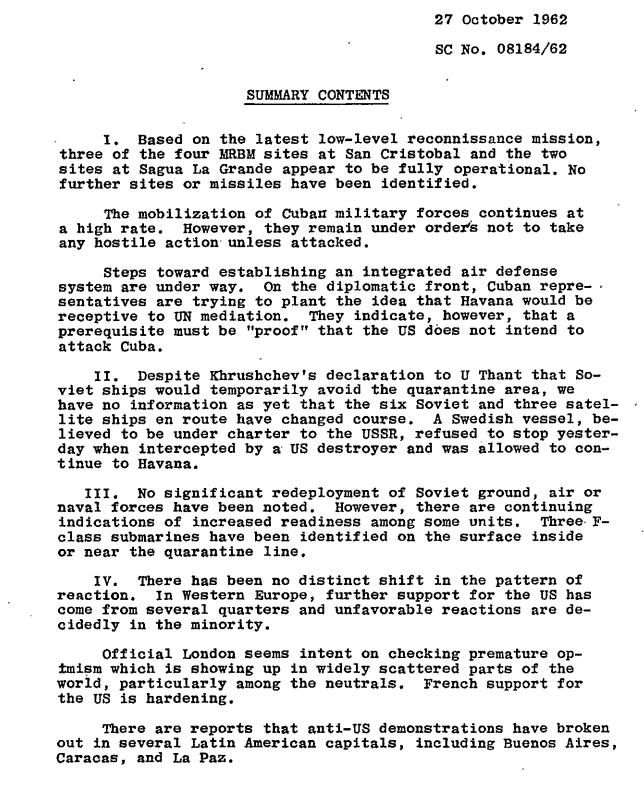
The bad news started arriving early. At 9:00 a.m., Radio Moscow began broadcasting a message from Khrushchev: the Soviet Union would remove its missiles from Cuba if the United States agreed to remove its Jupiter missiles from Turkey. The Soviets appeared to have raised the price of a deal. Khrushchev’s letter the day before had conditioned the withdrawal of Soviet missiles solely on a U.S. pledge not to invade Cuba. The CIA believed that the shift in demands reflected the pressure Khrushchev felt from within the Soviet Politburo to defy Washington, making the prospect of a diplomatic settlement more challenging.
The news out of Moscow dominated the ExComm’s 10:00 a.m. meeting, the first of three times the group met that day. CIA director John McCone began the meeting by informing the group that five SS-4 sites were operational and a sixth would be ready within twenty-four hours. JFK then learned that although a Soviet ship in route to Cuba was one hundred miles from the U.S. quarantine line and headed straight for it, the United States had not told Moscow precisely where the line was located. The president’s solution was to pass a message through acting United Nations Secretary-General U Thant to Soviet officials in New York telling them where the line was.
Khrushchev Writes Again
As the ExComm was discussing the sudden change in tone out of Moscow, a new letter arrived from Khrushchev. It repeated the radio demand that the United States withdraw the Jupiter missiles as the price for resolving the crisis. Such a trade was only fair, Khrushchev argued:
You are disturbed over Cuba. You say that this disturbs you because it is 90 miles by sea from the coast of the United States of America. But Turkey adjoins us; our sentries patrol back and forth and see each other. Do you consider, then, that you have the right to demand security for your own country and the removal of the weapons you call offensive, but do not accord the same right to us? You have placed destructive missile weapons, which you call offensive, in Turkey, literally next to us. How then can recognition of our equal military capacities be reconciled with such unequal relations between our great states? This is irreconcilable.
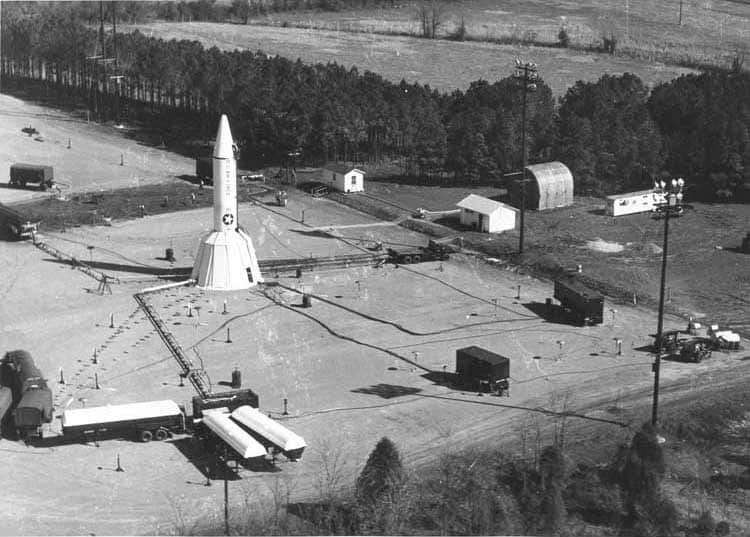
The United States had deployed Jupiter missiles to Italy and Turkey only a year earlier. Technological change quickly rendered the missiles obsolete, and by October 1962 they offered little military benefit. U.S. officials had actually been discussing whether to remove them before the Cuban Missile Crisis even began. The ExComm agreed, however, that withdrawing them now, under Soviet pressure, would be a diplomatic disaster. It would shake the confidence of NATO allies, encourage Moscow to push for the denuclearization of Europe, and undermine U.S. deterrence.
A U-2 Strays into Soviet Airspace
Kennedy took a break from the discussions on the crisis for his usual midday swim. Upon returning to the Oval Office, he received a phone call from Secretary of Defense Robert McNamara. The news was bad. A U-2 pilot flying a routine mission to collect air samples over the North Pole for evidence of Soviet nuclear tests had become disoriented by the aurora borealis and strayed more than three hundred miles into Soviet airspace. The Soviet air force had scrambled planes to intercept it. JFK responded to the news with gallows humor: “There is always some son of a bitch who doesn’t get the word.”
By the time Kennedy cracked his joke, the U-2 had already exited Soviet airspace. The pilot, Major Charles Maultsby, had eluded the Soviet interceptors because his U-2 flew at an altitude they could not reach. He eventually landed his plane, which had run out of fuel, at an isolated airfield in Alaska. While he was still in Soviet airspace, the U.S. Air Force scrambled two F-102 fighters to provide a possible escort if the Soviet fighters pursued him into international airspace. Because the United States had gone to DEFCON 2, the fighters were not equipped with their normal conventional air-to-air missile interceptors. Instead, they carried nuclear-tipped missiles designed to take out an entire fleet of Soviet bombers. Had the F-102 fighters engaged the Soviet interceptors, their only weapons would have been nuclear ones.
The Soviets did not know why the U-2 had entered their airspace or whether it prefigured other U.S. military operations. Khrushchev did not let the perceived provocation pass unmentioned. In a letter he sent to Kennedy the next day, he warned: “Is it not a fact that an intruding American plane could be easily taken for a nuclear bomber, which might push us to a fateful step?”
A U-2 Is Downed Over Cuba
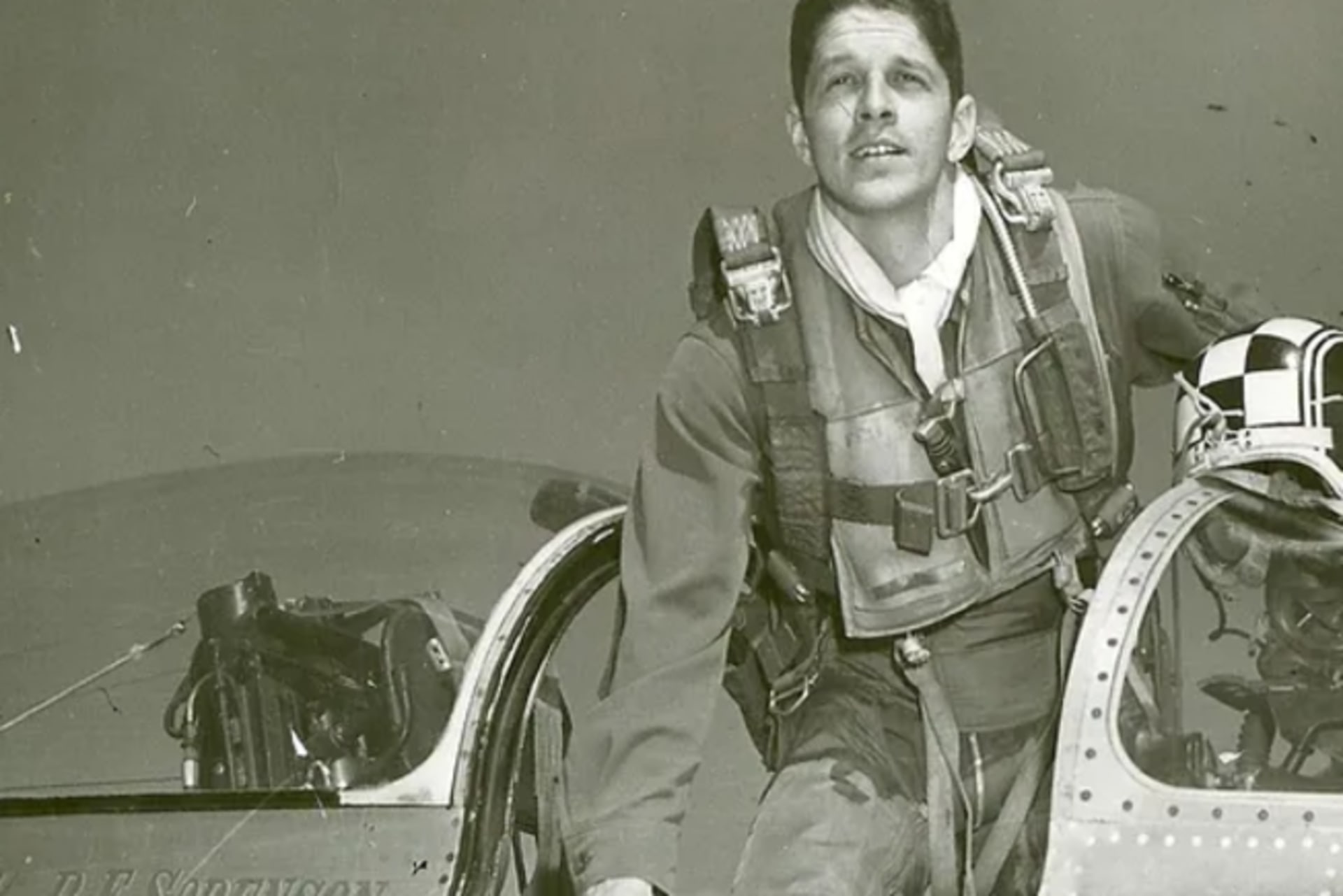
Although Major Maultsby landed safely, halfway around the world, another U-2 pilot was not as fortunate. Major Rudolph Anderson was piloting his U-2 on a reconnaissance mission over eastern Cuba when his plane was struck by a Soviet surface-to-air missile (SAM). He became the only person to die from enemy fire during the crisis. Kennedy posthumously awarded him the Distinguished Service Medal.
The decision to fire on Anderson’s U-2 was made by Soviet officers in Cuba and ran contrary to Khrushchev’s orders. The Soviets had deployed short-range nuclear-armed cruise missiles to Cuba. On October 27, they were positioned fifteen miles from the U.S. naval base at Guantánamo Bay and right under Anderson’s flight path. Soviet officers on the ground feared that he would discover the deployments. With the commanding Soviet general in Cuba nowhere to be found and with no time to contact Moscow for directions, the local commanding officer decided to fire on the U-2.
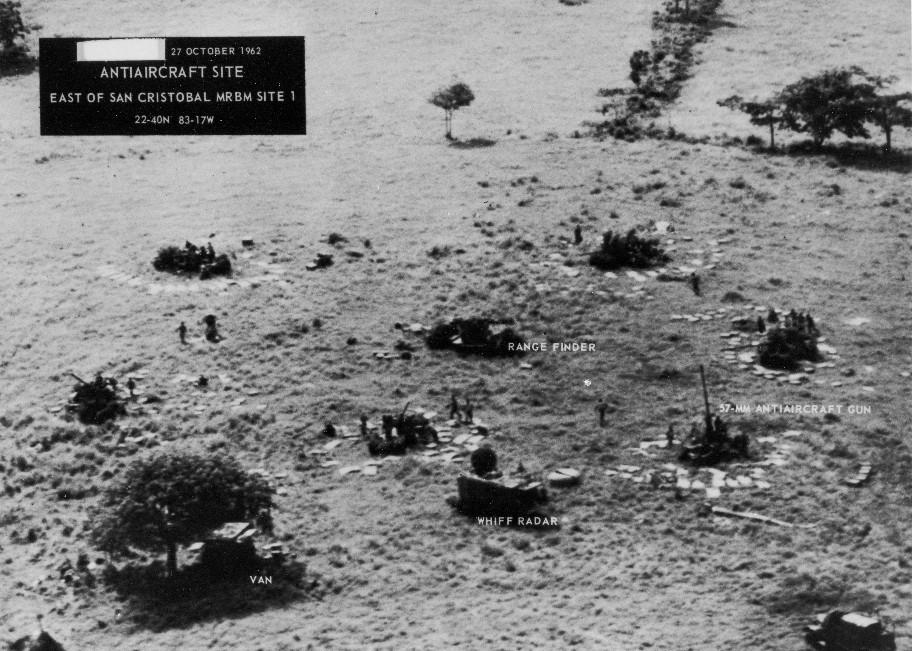
Kennedy learned of Anderson’s death at the second ExComm meeting of the day, which began at 4:00 p.m. The tone of the discussion immediately turned dark. Chairman of the Joint Chiefs of Staff General Maxwell D. Taylor recommended that the United States strike the SAM site the next day. Secretary McNamara argued that an invasion of Cuba had become inevitable. Kennedy adjourned the meeting without making a decision on either point.
Vasili Arkhipov Saves the World
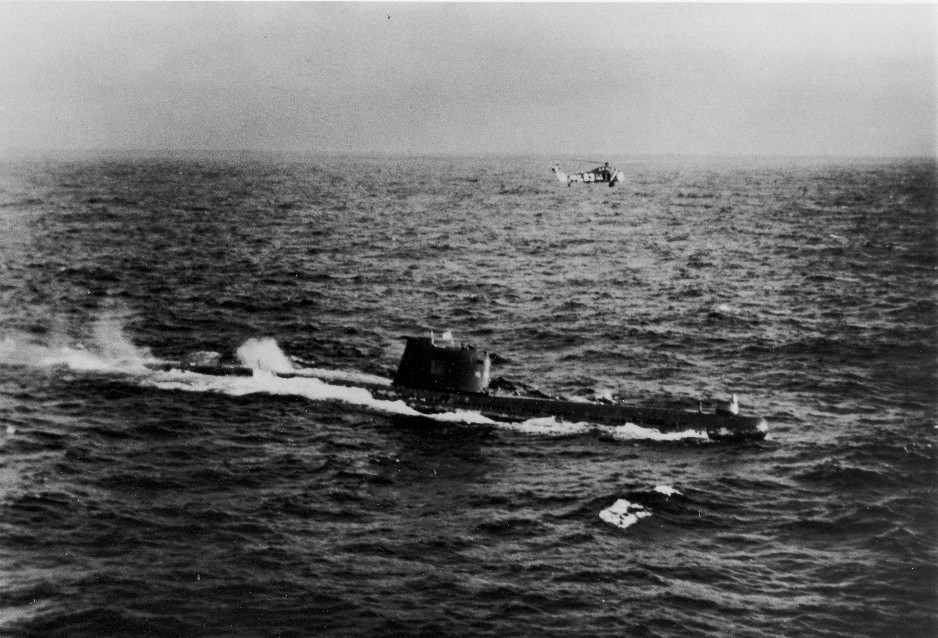
The U-2 incidents were not the only ones that day that came close to triggering a war. They were just the ones that Kennedy and his advisors knew about at the time. As they were grappling with how to respond to the downing of Anderson’s U-2, the destroyer USS Cony was pounding Soviet submarine B-59 in international waters near the quarantine line with amplified sound waves to force it to surface. What neither the Cony’s commander nor U.S. officials back in Washington knew was that B-59 carried a nuclear-armed torpedo with an explosive power equivalent to the bombs dropped on Hiroshima and Nagasaki. The submarine could not contact Moscow while submerged and under pursuit, and it had standing authorization to launch the torpedo if were fired upon.
B-59’s commanding officer believed that war had started and wanted to fire his nuclear-armed torpedo at his pursuers. The vessel’s political officer agreed. Under normal circumstances, their joint agreement would have been sufficient under Soviet military protocols to fire the torpedo. By happenstance, however, Vasili Arkhipov, the chief of staff of the Soviet submarine flotilla, was on board. He argued vehemently against launching the torpedo, arguing that the submarine should surface and contact Moscow for orders.
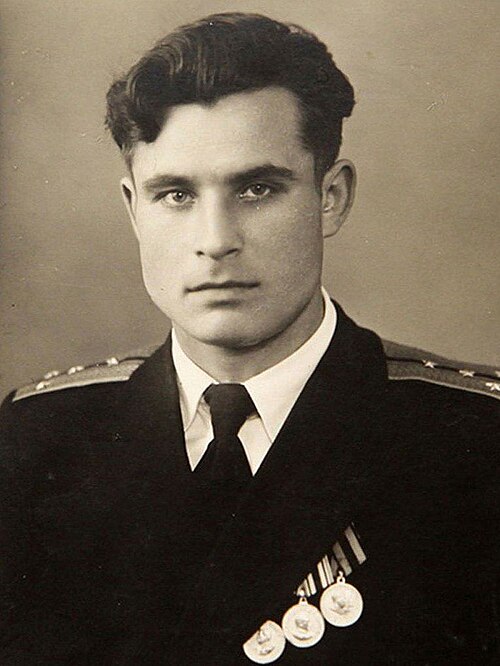
Arkhipov prevailed. The sub surfaced, opened its hatch, and Soviet sailors poured out onto the deck. The newfound calm was then broken by a passing Navy reconnaissance plane that dropped flares near the submarine to illuminate it for surveillance photography. Calm was restored after the Cony’s captain apologized for the explosions and provided the Soviets with bread and cigarettes. The next morning the submarine moved away from the quarantine line trailed by another U.S. destroyer and disappeared beneath the waves.
The Trollope Ploy
While events in the air, at sea, and on the ground threatened to spin out of Washington’s control, JFK was struggling with a dilemma: how to respond to the two conflicting letters that Khrushchev had sent about a possible deal to end the crisis. Over the course of the day, the ExComm gravitated toward an idea that Attorney General Robert Kennedy had suggested and that came to be known as the “Trollope ploy” after a plot device the Victorian writer Anthony Trollope had used in which a single woman deliberately construed a bachelor’s harmless words as evidence of a marriage proposal. JFK would respond to the more conciliatory letter he had received from Khrushchev the day before and ignore the second, harsher letter demanding the removal of U.S. missiles from Turkey.
So JFK instructed his brother to personally deliver a letter that night to Soviet Ambassador Anatoly Dobrynin. It stated that if the Soviet Union agreed to a verified withdrawal of its nuclear missiles and bombers from Cuba, the United States would agree “(a) to remove promptly the quarantine measures now in effect and (b) to give assurances against an invasion of Cuba.”
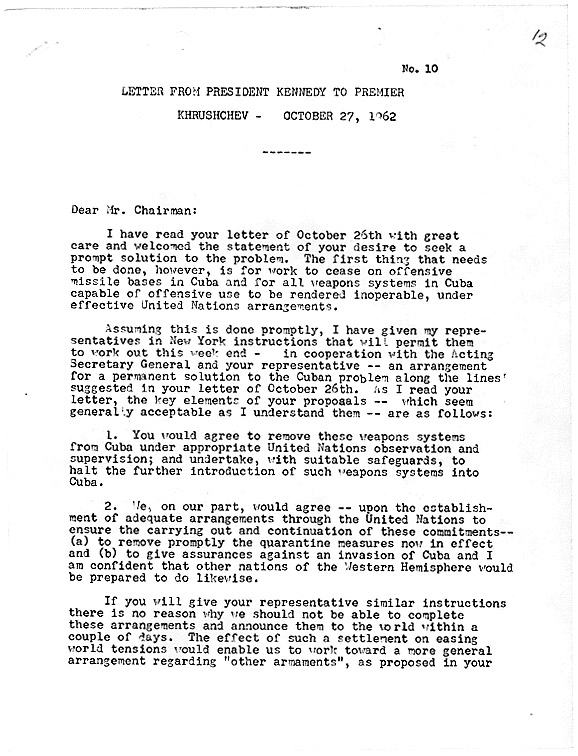
That was the story that was told for many decades about how the Cuban Missile Crisis was resolved peacefully. JFK and his advisors would hail the Trollope ploy for resolving the crisis on U.S. terms.
A Secret Concession
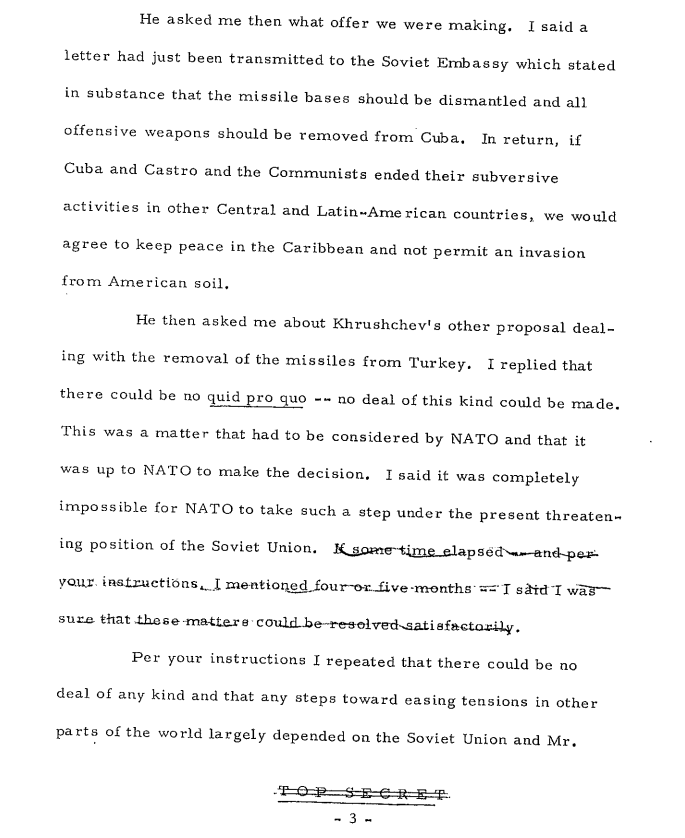
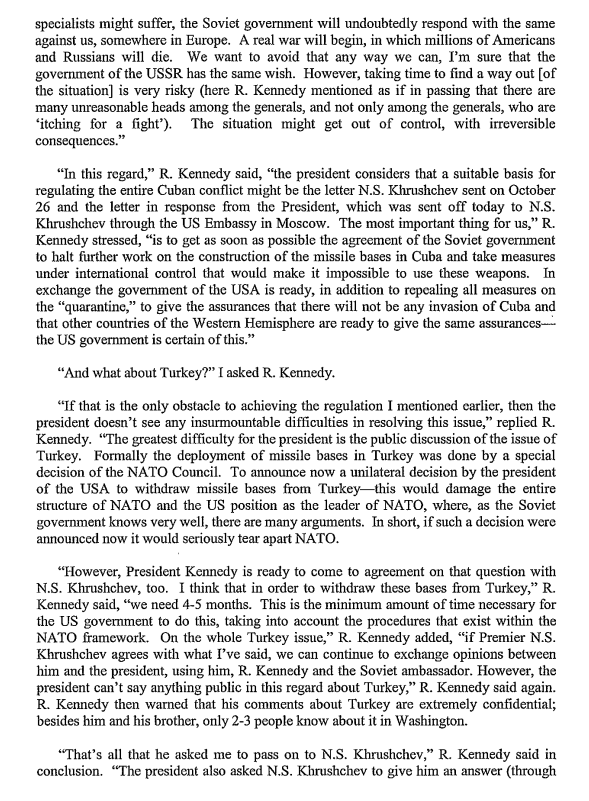
RFK, however, delivered more than a letter that night to Dobrynin. He also passed along a private message for Khrushchev: the United States would remove its Jupiter missiles from Turkey within six months if the Soviets removed their missiles from Cuba. While many of JFK’s advisors insisted that the invasion pledge alone would be sufficient, he believed that the public nature of Khrushchev’s demands that morning signaled that the Soviet leader needed more before he could agree to a deal. Kennedy kept his decision to sweeten his offer to Khrushchev secret from many of his advisors.
In offering this concession, Kennedy was acting in the spirit of the advice that UN Ambassador Adlai Stevenson had offered in the early days of the crisis. That fact, however, would not stop JFK from later going on background to tell reporters for the Saturday Evening Post that “Adlai wanted a Munich. He wanted to trade U.S. bases for Cuban bases.”
RFK and Dobrynin met in the attorney general’s office at 7:45 p.m. RFK then returned to the White House for the third and final ExComm meeting of the day. There, JFK approved McNamara’s activation of twenty-four air reserve squadrons and agreed that the U.S. Air Force should return fire if U.S. reconnaissance planes were fired upon again.
“The President Was Not Optimistic”
RFK recorded his impression of his brother’s mood as Black Saturday came to a close:
The President was not optimistic... He had not abandoned hope, but what hope there was now rested with Khrushchev’s revising his course within the next few hours. It was a hope, not an expectation. The expectation was a military confrontation by Tuesday and possibly tomorrow.
There was nothing to do now but wait.
Oscar Berry and Jack Patton assisted in the preparation of this article.
The United States celebrates its 250th anniversary in 2026. To mark that milestone, I am resurfacing essays I have written over the years about major events in U.S. foreign policy. A version of this essay was published on October 27, 2012.
Other Posts in This Series:
- “Andrei Gromyko Tells a Lie at the United Nations,” September 21, 1962
- “Major Richard S. Heyser’s U-2 Mission Discovers Soviet Missiles in Cuba,” October 14, 1962
- “The United States Discovers Soviet Missiles in Cuba,” October 15, 1962
- “JFK Learns That Soviet Missiles Are in Cuba—The Cuban Missile Crisis, Day One,” October 16, 1962
- “John F. Kennedy Solicits Dwight D. Eisenhower’s Advice—The Cuban Missile Crisis, Day Two,” October 17, 1962
- “Soviet Foreign Minister Andrei Gromyko Lies to President John F. Kennedy—The Cuban Missile Crisis, Day Three,” October 18, 1962
- “John F. Kennedy Campaigns While the ExComm Debates—The Cuban Missile Crisis, Day Four,” October 19, 1962
- “President John F. Kennedy Fakes a Fever—The Cuban Missile Crisis, Day Five,” October 20, 1962
- “President John F. Kennedy Prepares to Tell the Nation About Soviet Missiles in Cuba—Cuban Missile Crisis, Day Six,” October 21, 1962
- “President John F. Kennedy Tells the World That Soviet Missiles Are in Cuba—Cuban Missile Crisis, Day Seven,” October 22, 1962
- “Soviet Premier Nikita Khrushchev Warns President John F. Kennedy of “Catastrophic Consequences”—Cuban Missile Crisis, Day Eight,” October 23, 1962
- “‘Eyeball to Eyeball’—Cuban Missile Crisis, Day Nine,” October 24, 1962
- “Adlai Stevenson Dresses Down the Soviet Ambassador to the UN—Cuban Missile Crisis, Day Ten,” October 25, 1962
- “John Scali Has Lunch With a Soviet Spy—Cuban Missile Crisis, Day Eleven,” October 25, 1962
This work represents the views solely of the author(s). The Council on Foreign Relations is an independent, nonpartisan membership organization, think tank, and publisher, and takes no institutional positions on matters of policy.