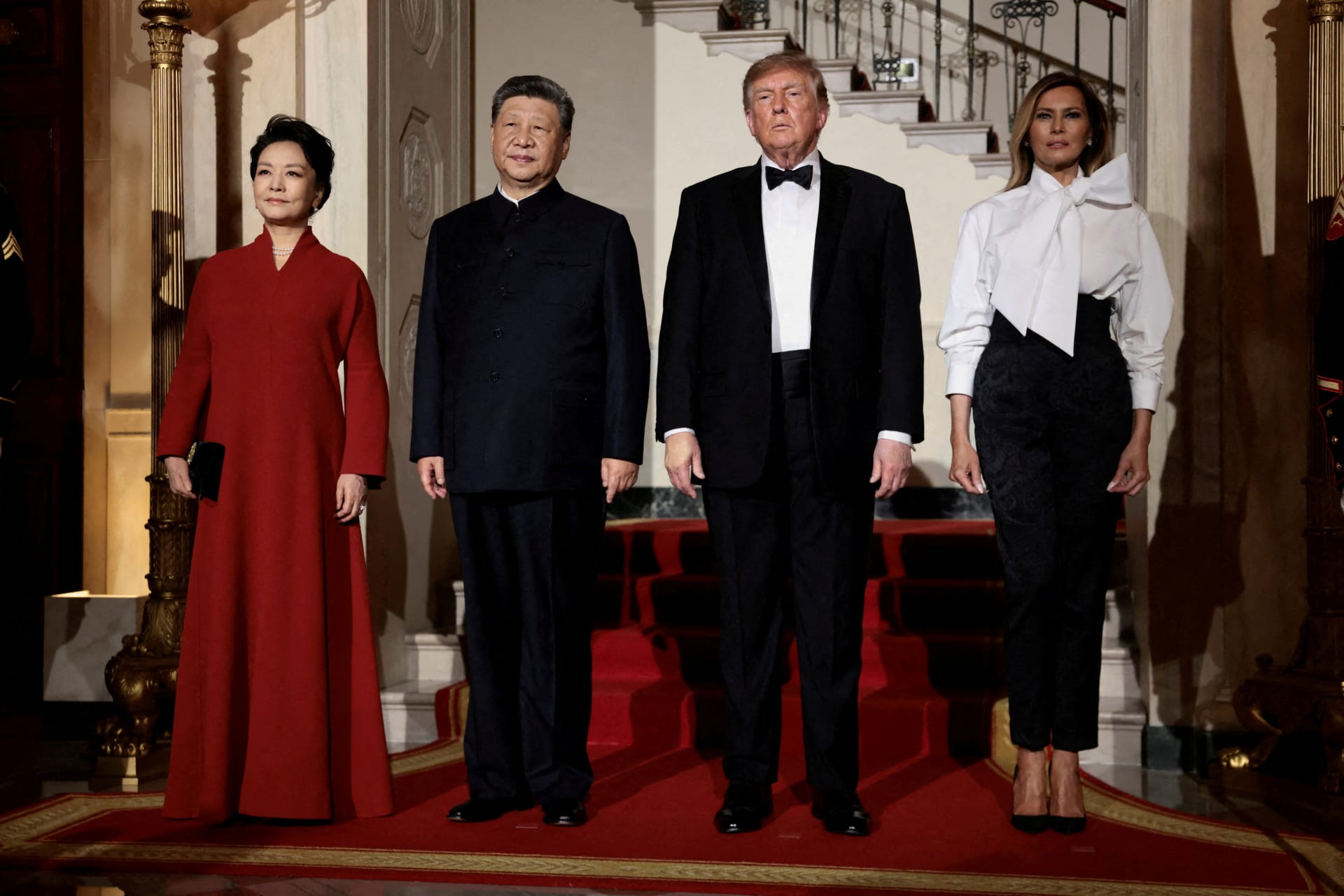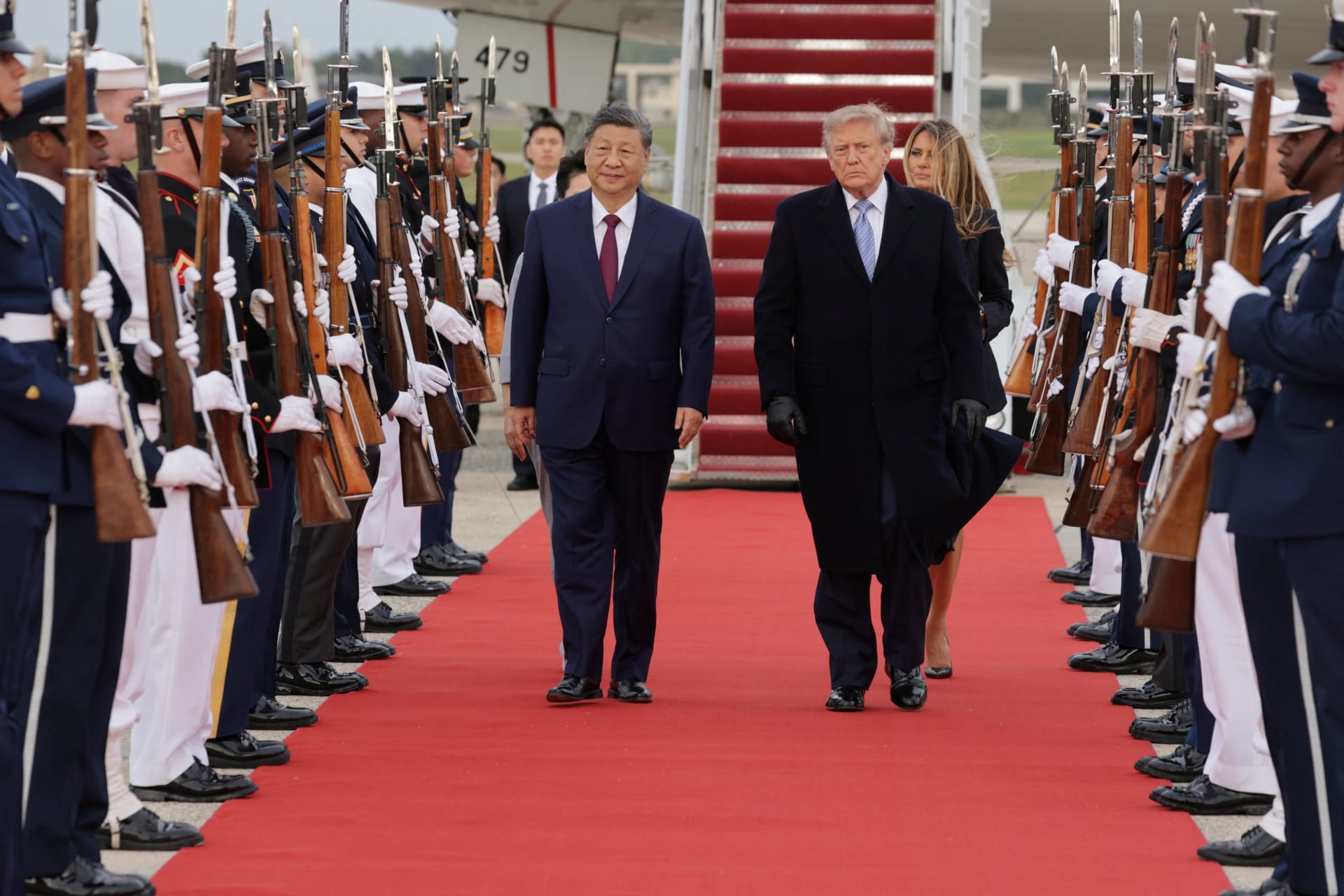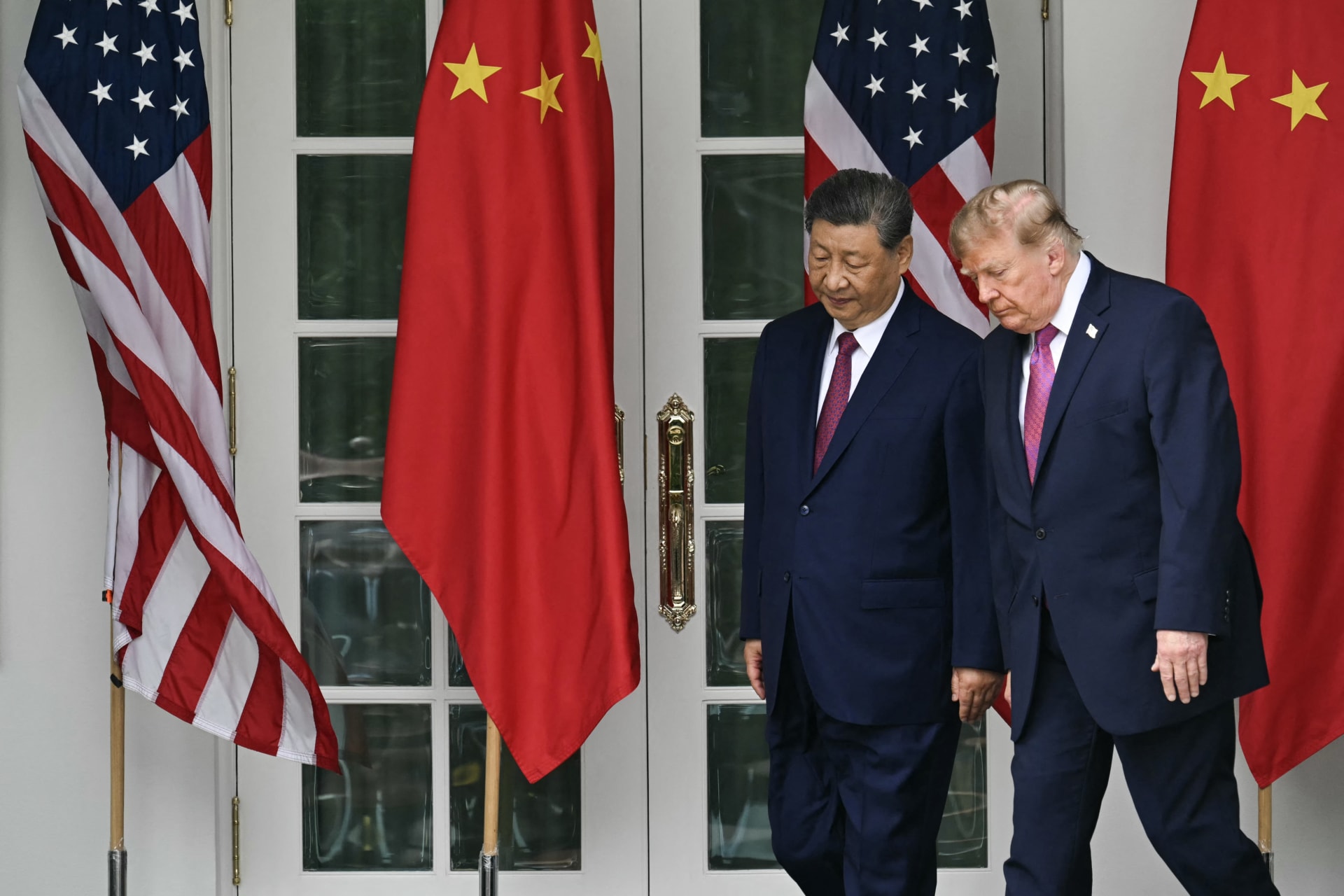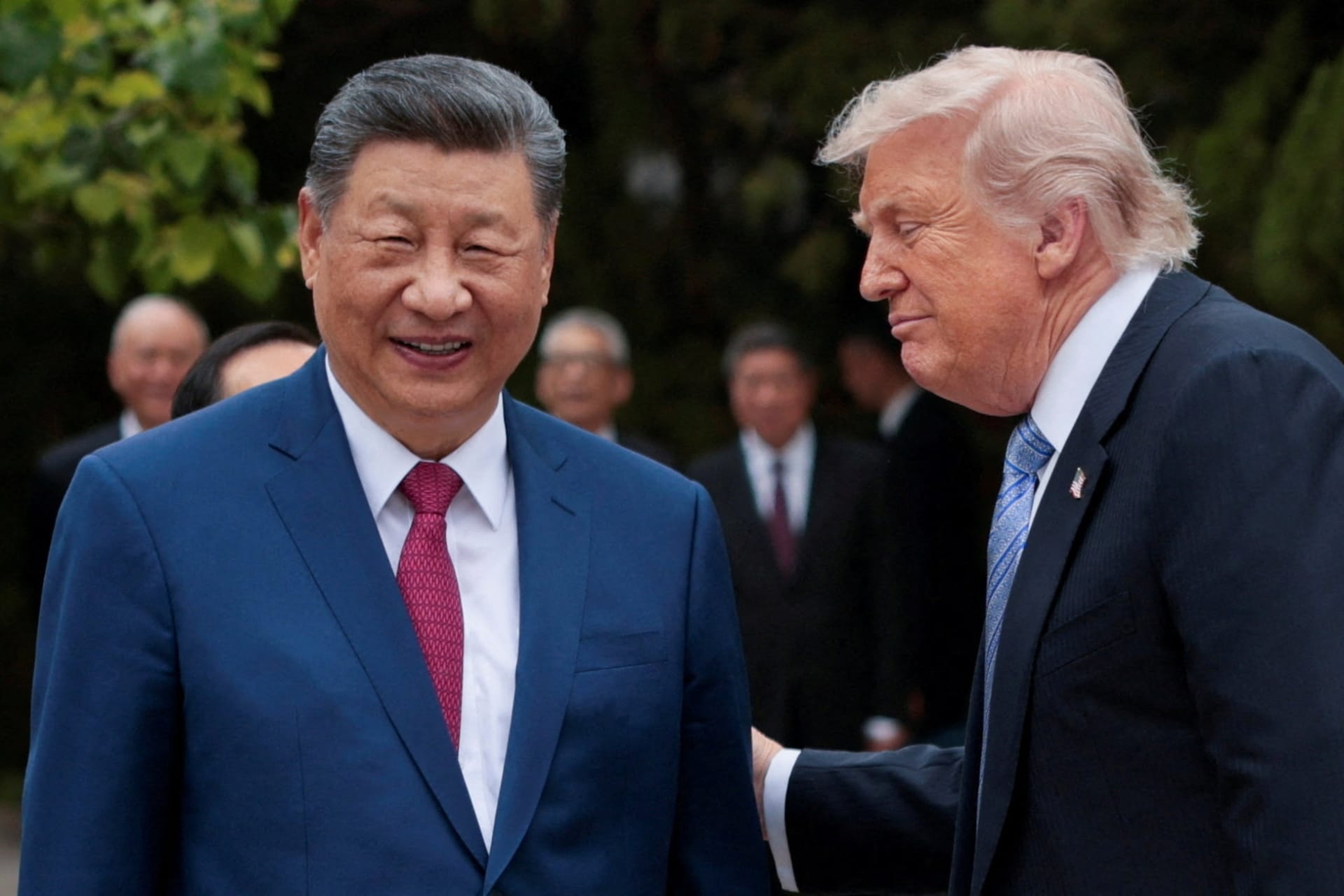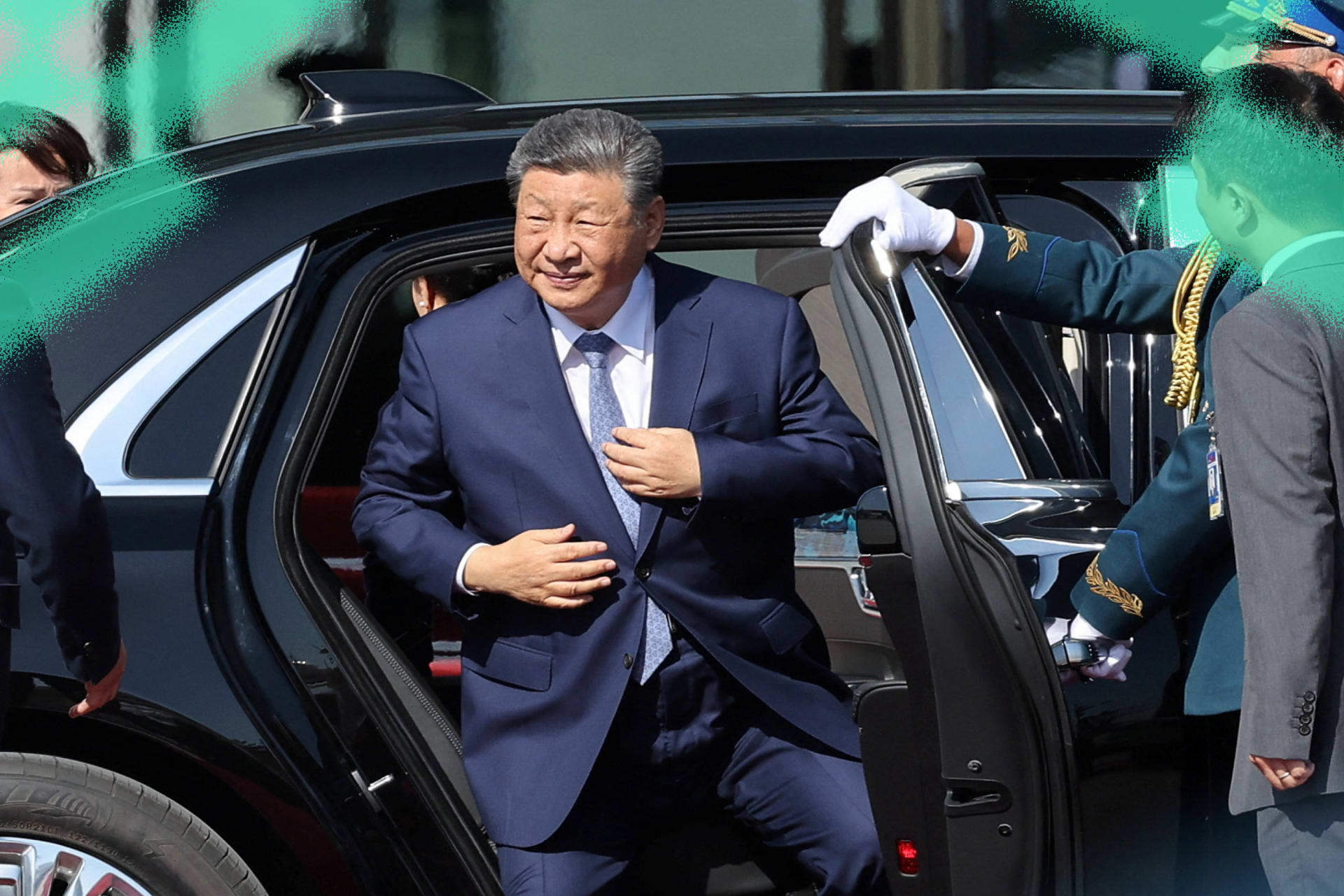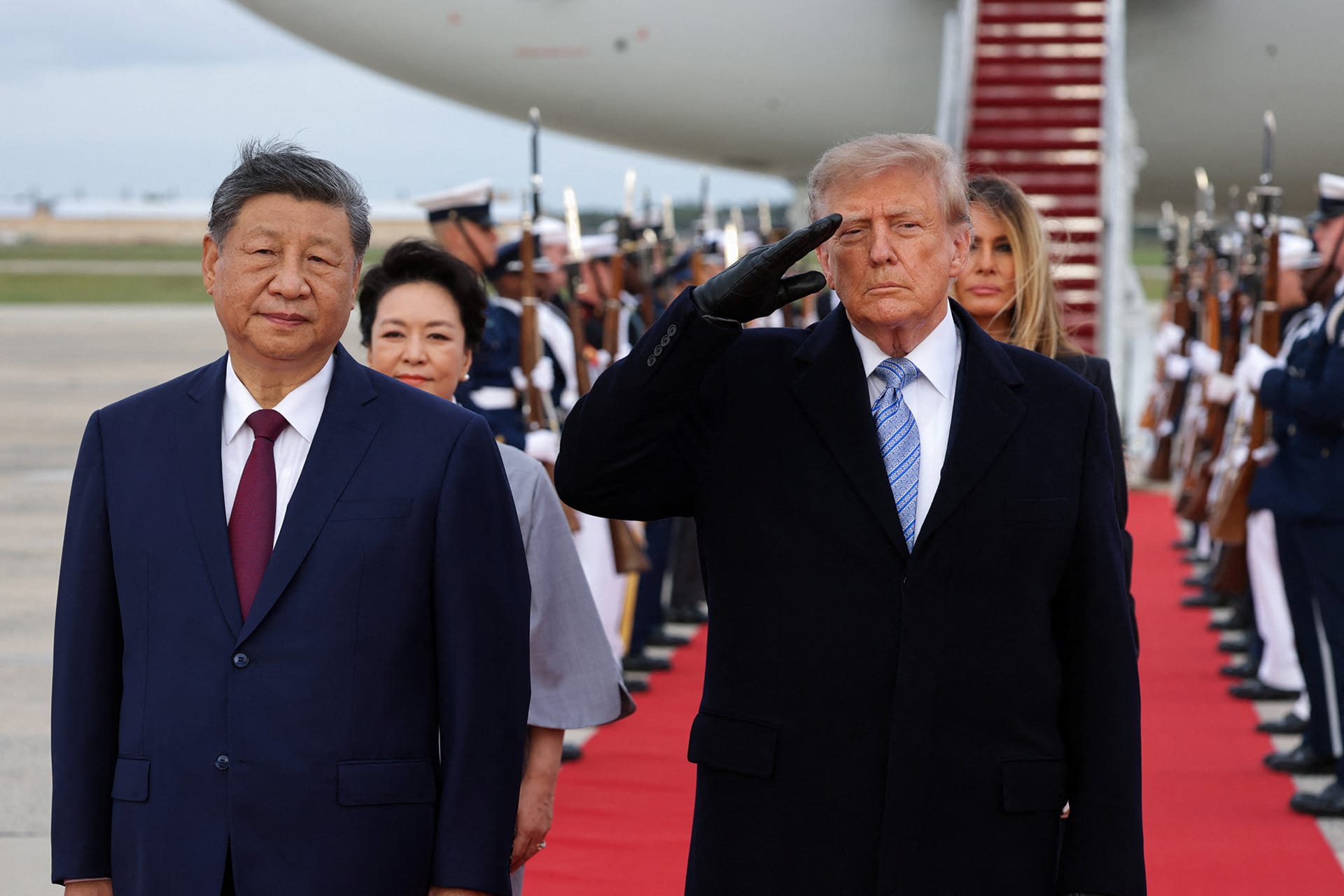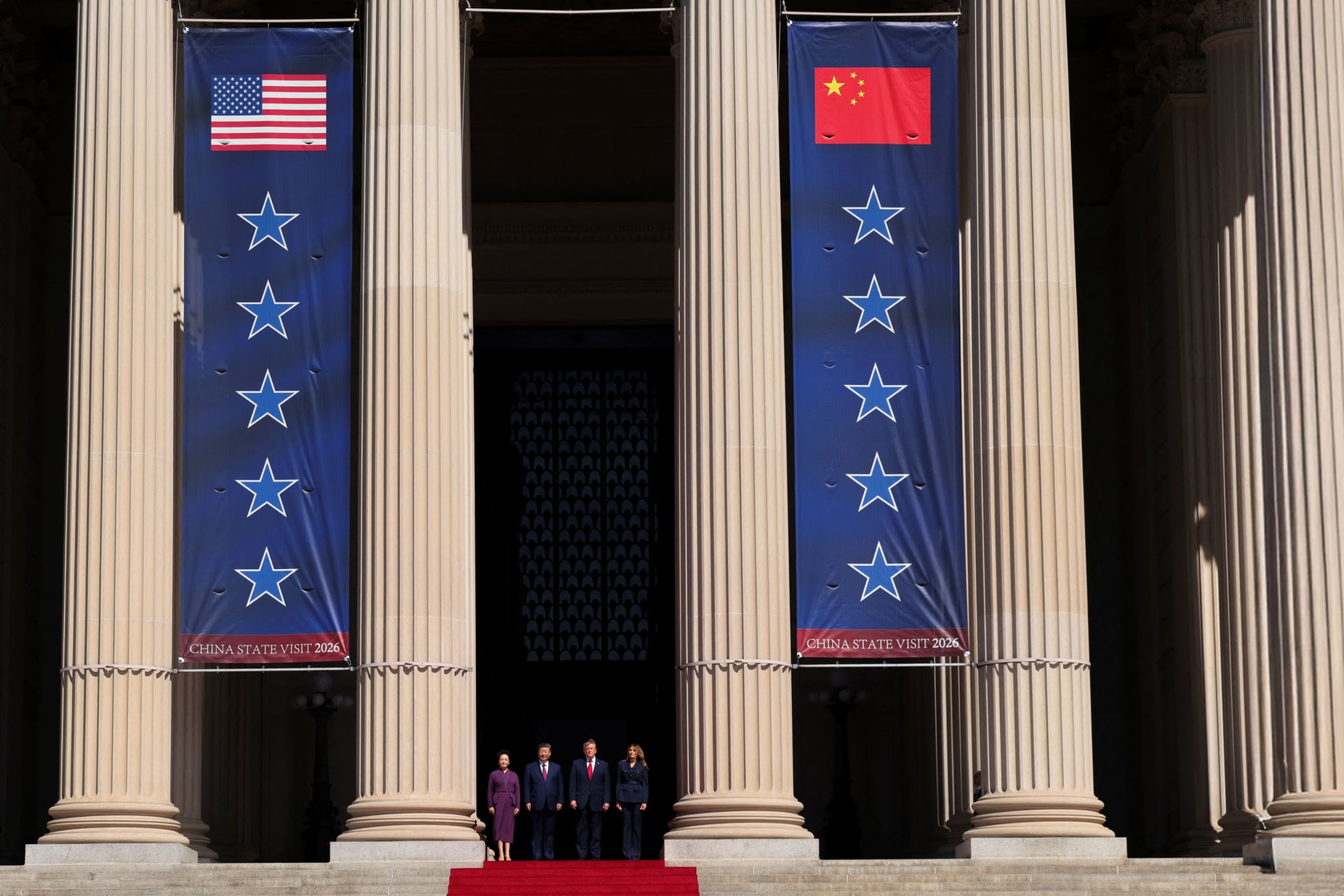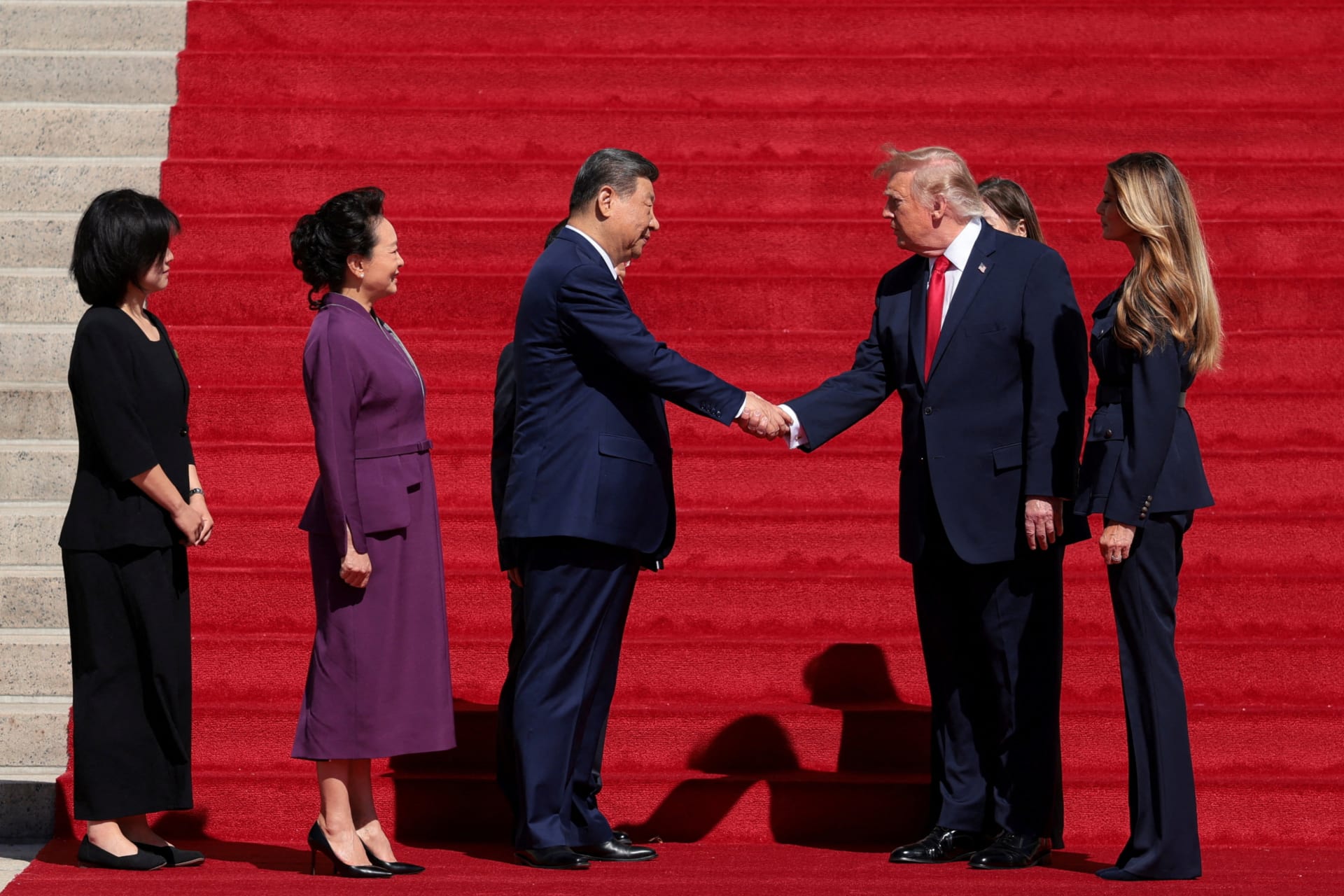
The Trump-Xi meeting and a string of international summits this fall will show that Putin did not just gamble the Russian economy with his war in Ukraine but also his country’s relevance.
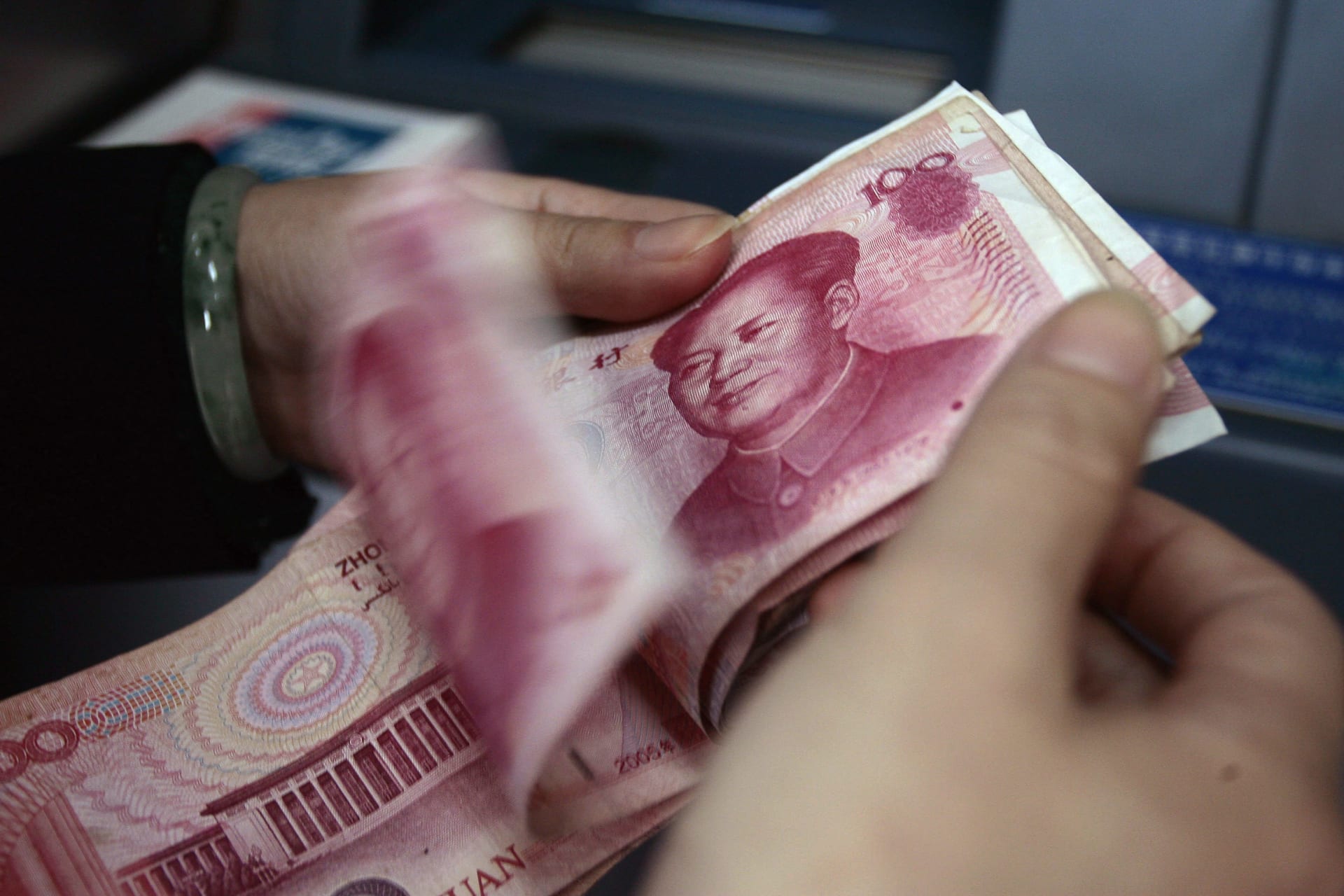
The Chinese economy has shown resilience despite external headwinds as the Trump administration ramps up its trade war, but long-term structural challenges remain.
Youth-led movements have challenged and even overturned governments across South and Southeast Asia but, in most countries, have struggled to translate protest into effective governance.
During their October 26–28 meeting, the Association of Southeast Asian Nations is slated to discuss economic shifts and will likely promise more collaboration. But the bloc still lacks a coherent approach to internal conflicts, international tensions, and its position in the U.S.-China trade war.
Rush Doshi, the C.V. Starr senior fellow for Asia Studies and director of the China Strategy Initiative at the Council, sits down with James M. Lindsay to discuss how the United States is reckoning with the rise of China and a world of renewed geopolitical competition.
The H-1B visa program has helped fill gaps in critical sectors like health care and technology, though it has faced criticism that it adversely affects American workers. The Trump administration’s move to sharply increase the fee for new H-1B petitions has raised concerns about its potential effects on the U.S. economy.
The Association of Southeast Asian Nations is a regional organization that brings together disparate neighbors to address economic and security issues, but the group’s impact remains limited.
Jessica Bissett, senior director of government engagement at the National Committee on United States-China Relations, examines how subnational engagement shapes U.S.-China relations and what these dynamics mean for local economic resilience amid ongoing trade tensions. Zongyuan Zoe Liu, the Maurice R. Greenberg senior fellow for China studies at CFR, discusses recent developments in bilateral trade policy, including the effects of U.S. tariffs and China’s retaliatory measures.
In September 2025, China imposed steep tariffs on EU pork, Foreign Minister Wang Yi toured Central Europe amid rising tensions with Russia, and accusations of spying were dropped in London.
Argentina has already gone through more than $50 billion in IMF funds. Despite the assurances of U.S. officials, there is skepticism that Argentina can achieve a different result with this currency swap.
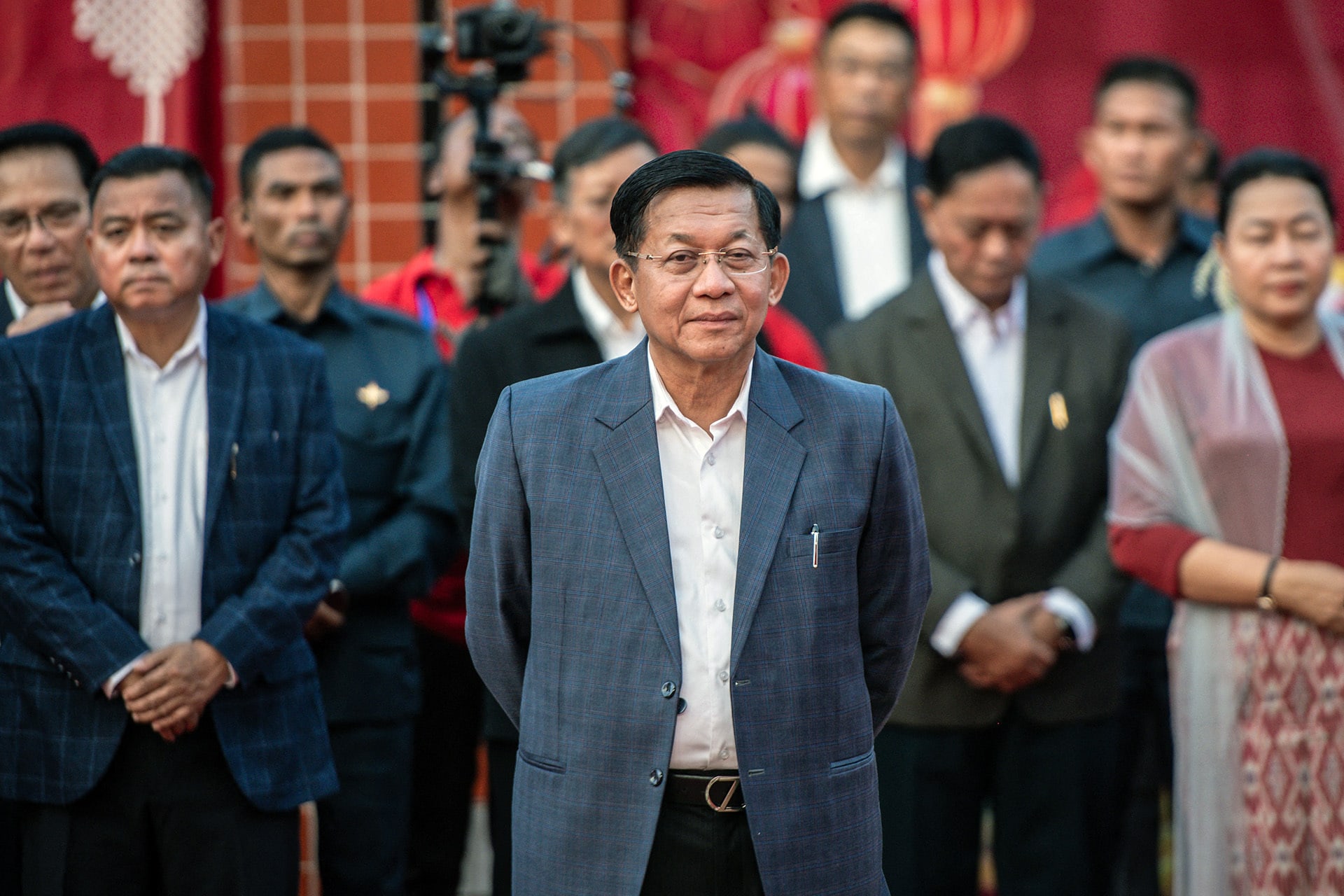
In recent months, Myanmar’s military junta has regained ground lost to organized resistance groups. Ahead of the regime’s plans to hold national elections, continual fighting has pushed the state into a geopolitical quagmire.