Debt Drives a Wedge in Senegal
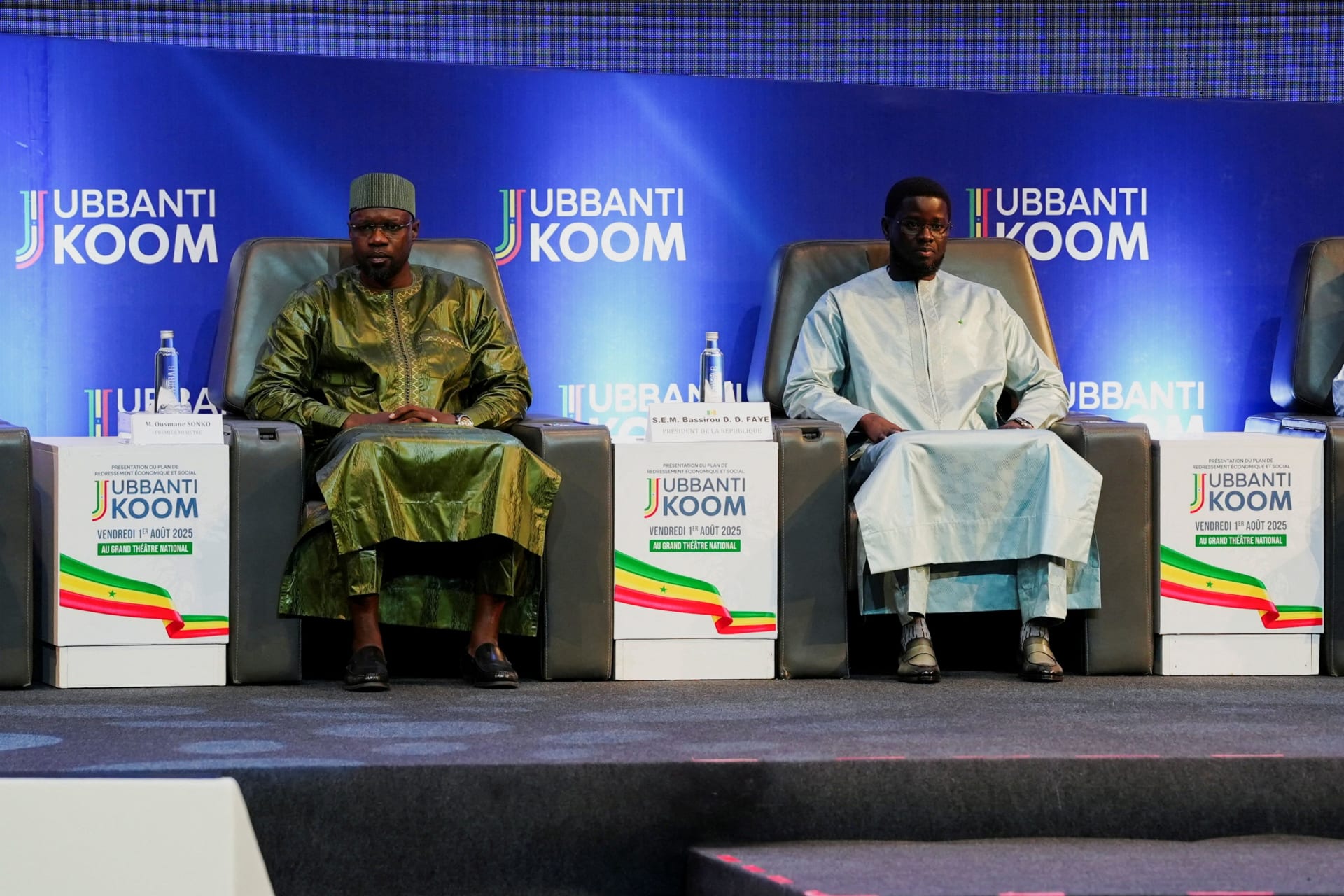
Frustrations rise as newly-public debt threatens PASTEF’s agenda and creates a rift between its two leaders.
By experts and staff
- Published
 Michelle GavinCFR ExpertRalph Bunche Senior Fellow for Africa Policy Studies
In 2024, the youngest elected head of state in Africa assumed office after a volatile and violent political struggle. Resisting both the incumbent’s manipulations of the electoral process and external pressures to abandon democracy altogether, the Senegalese people insisted on democratically driven political change. The demand signals sent from the voters were clear—they want their government to deliver on affordability, accountability, and job creation. Their new President, Bassirou Diomaye Faye of the left-leaning PASTEF party, promised to deliver.
PASTEF’s campaign themes were about dignity, fairness, and sovereignty: dignity for the young population, which is generally better educated than the previous generation but confronted by poorer job prospects; fairness in fighting corruption and insisting that the powerful abide by the same rules as the rest of society; and sovereignty in renegotiating the terms of Senegal’s relationships with external actors, notably former colonial power France, to maximize development opportunities.
As with all high-level agendas, the devil is in the details, but the basic premises were hardly shocking, despite concerns in some quarters about the radicalism of PASTEF’s leader, Ousmane Sonko, who was barred from running for President and was quickly appointed Prime Minister by Faye. Moreover, one didn’t have to align with all of PASTEF’s politics to want to see Senegal succeed. The civic cohesion of citizens who insisted that the Senegalese constitution and democratic principles be respected was an inspiration in an era of democratic decline and social mistrust. Here was a youth-driven uprising that wasn’t pre-empted by a coup or co-opted by the status quo. Senegal, it seemed, could point the way forward.
But thanks to a jaw-dropping hidden debt scandal—a thirteen billion dollar unpleasant surprise—the path ahead is likely to be extremely austere. Senegal’s leaders are resisting debt restructuring, with Sonko declaring that “We will not be treated like a failed state. Mobilizing tax revenue is better than accepting a debt restructuring.” But the notion that Senegal can squeeze significantly more revenue out of its tax base when at least 90% of citizens work in the informal economy is questionable at best. Voters wanted a lower cost of living, not more taxes. Job creation will require more private investment, not scaring investors away with exorbitant tax rates or talk of nationalizing assets.
The pressure building in Senegal has exposed a rift between Faye and Sonko and led to widespread suspicion and finger-pointing as Senegalese try to determine who was responsible, or at least complicit, in the economic malpractice that has tanked the country’s credit rating. Senegal’s plight is not unique. Squeezed between popular demands and unsustainable debt burdens, governments are struggling and citizens are growing more and more frustrated. The urgency of the moment that is so palpable to Africans has yet to galvanize serious international action on debt relief and fiscal transparency.