Clara Fong covers Asia and climate change for CFR.org. She previously conducted research on American democracy issues at the Brennan Center for Justice. Clara holds a bachelor’s degree in public policy and psychology and a master’s degree in international relations from the University of Chicago.
-
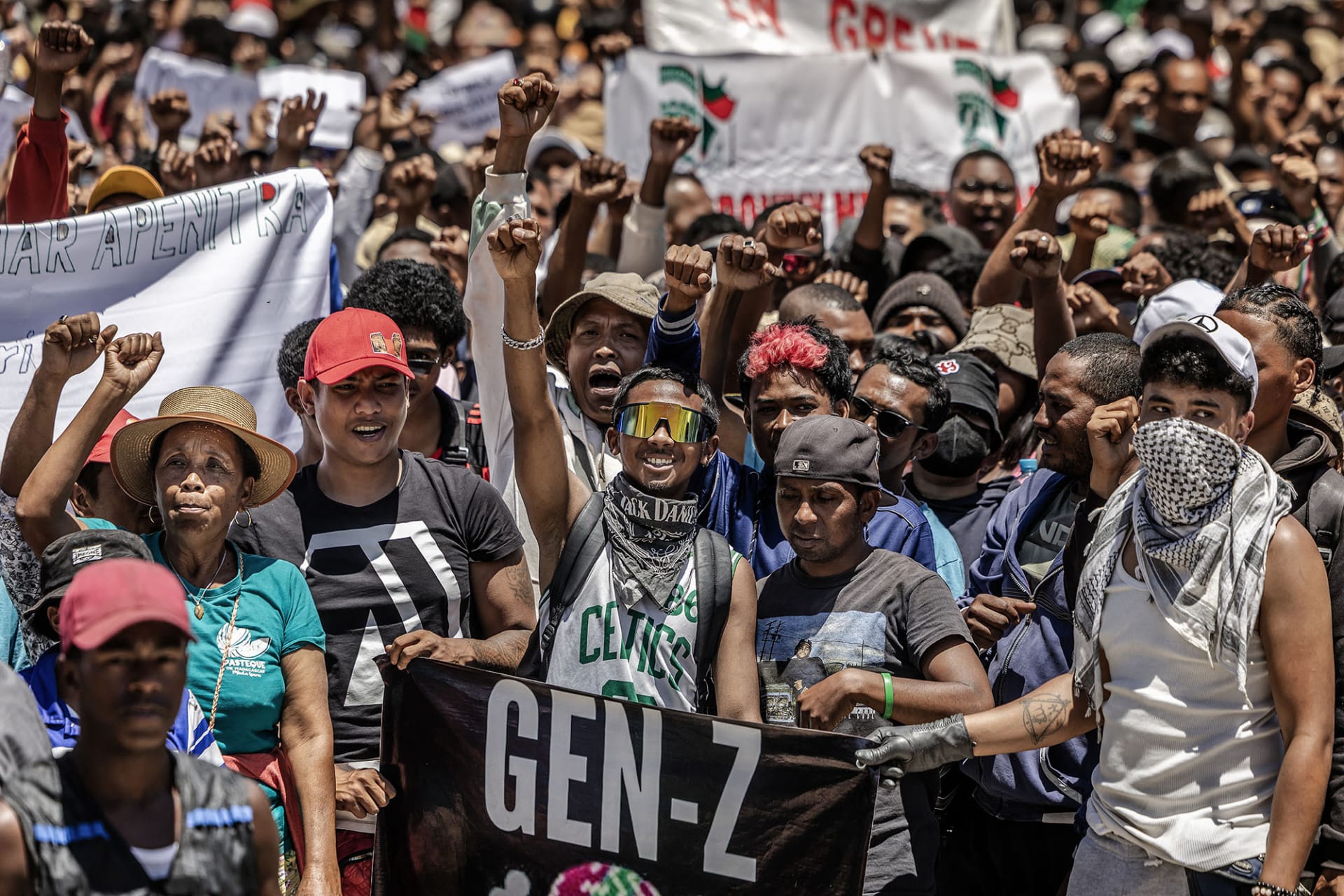
Recent youth-led protests against older politicians, corruption, slow economic growth, and lack of economic opportunity have gained strong momentum on social media. But for many of these movements, the future of policy reforms remain unclear.
-
The H-1B visa program has helped fill gaps in critical sectors like health care and technology, though it has faced criticism that it adversely affects American workers. The Trump administration’s move to sharply increase the fee for new H-1B petitions has raised concerns about its potential effects on the U.S. economy.
-
Tensions between the two nuclear powers and major economic players could have critical implications for security and developments in the Global South.
-
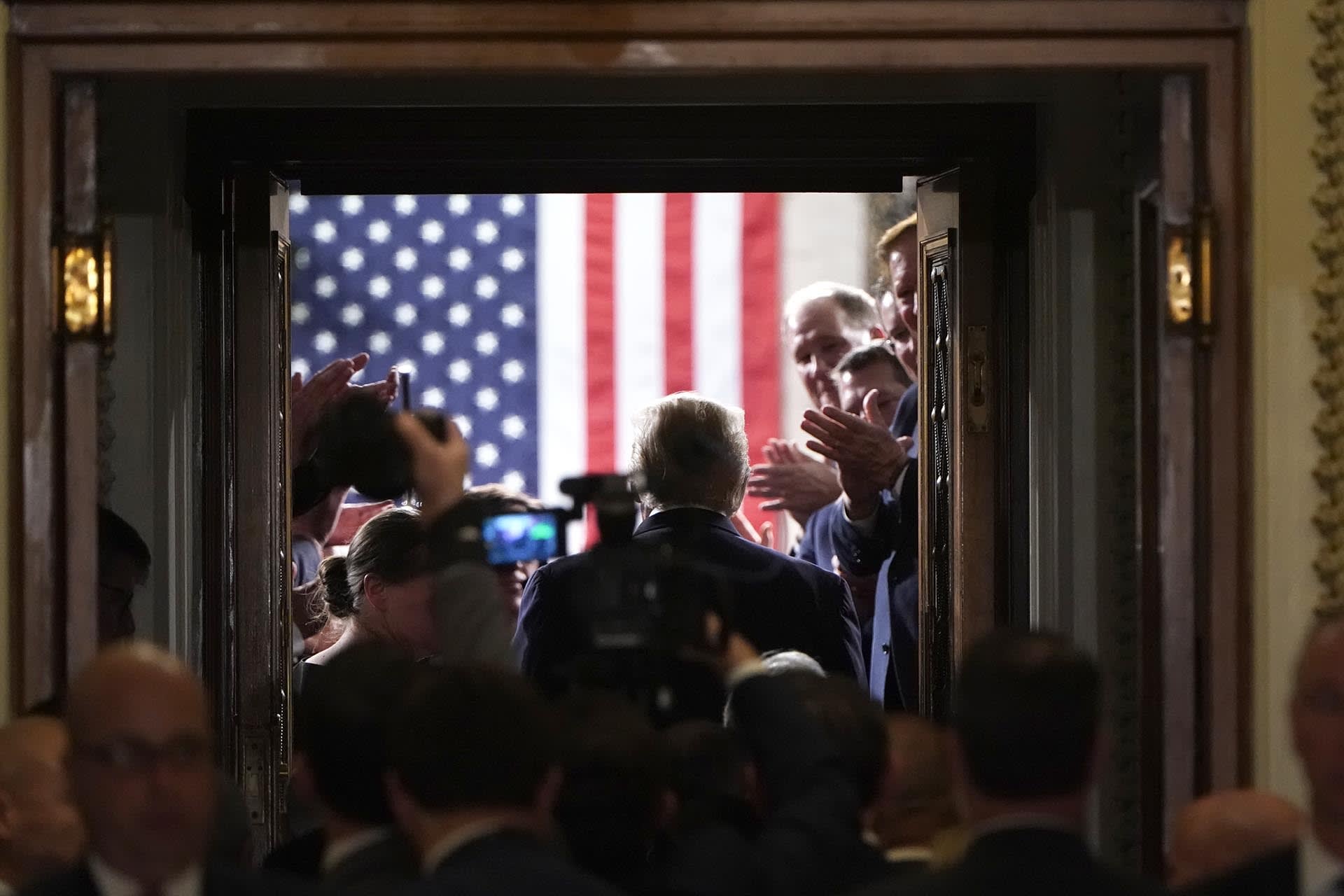
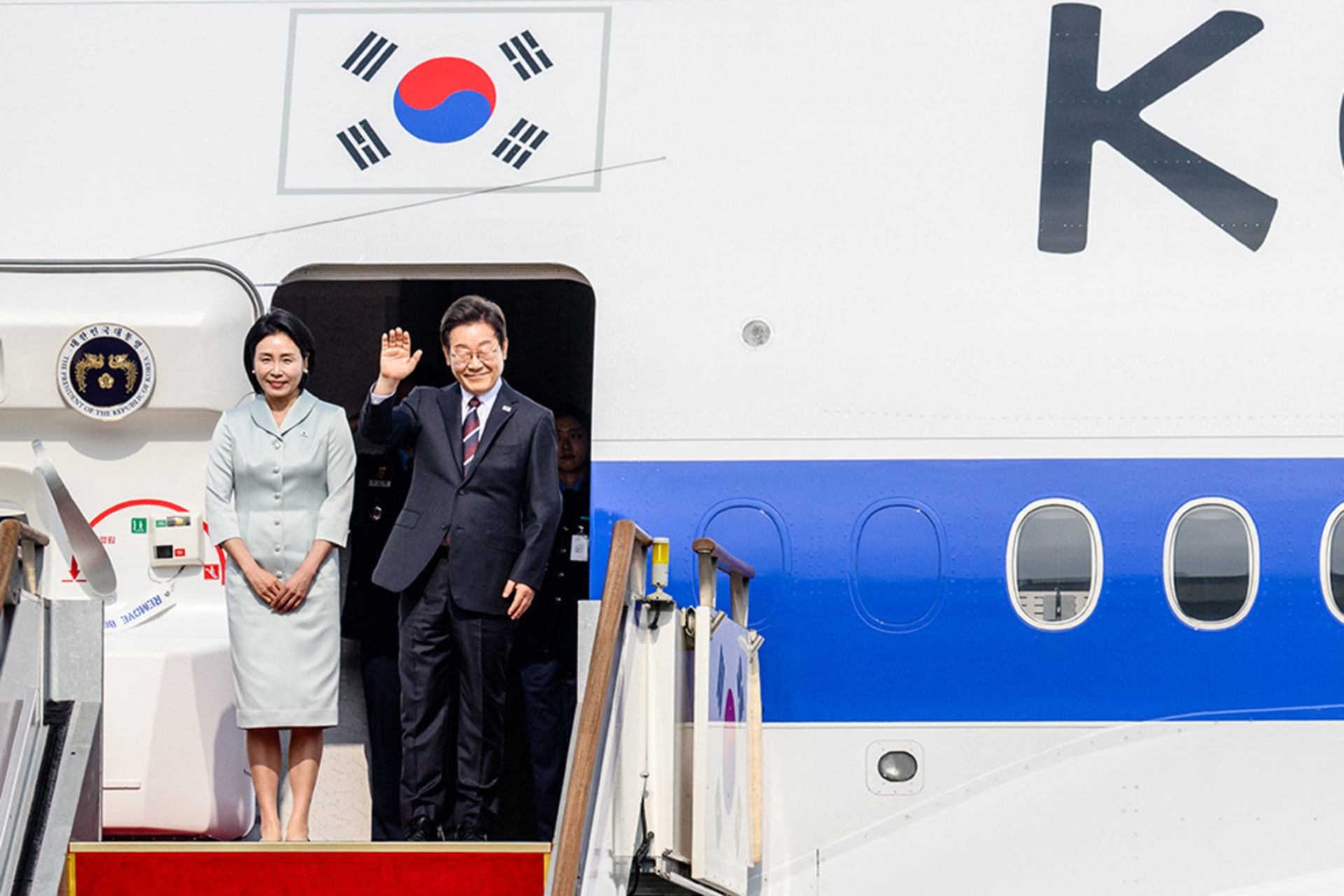
Looming over the first meeting between U.S. President Donald Trump and South Korean President Lee Jae-myung are recent tariff tensions and renewed cost-sharing discussions for their long-standing military alliance.
-
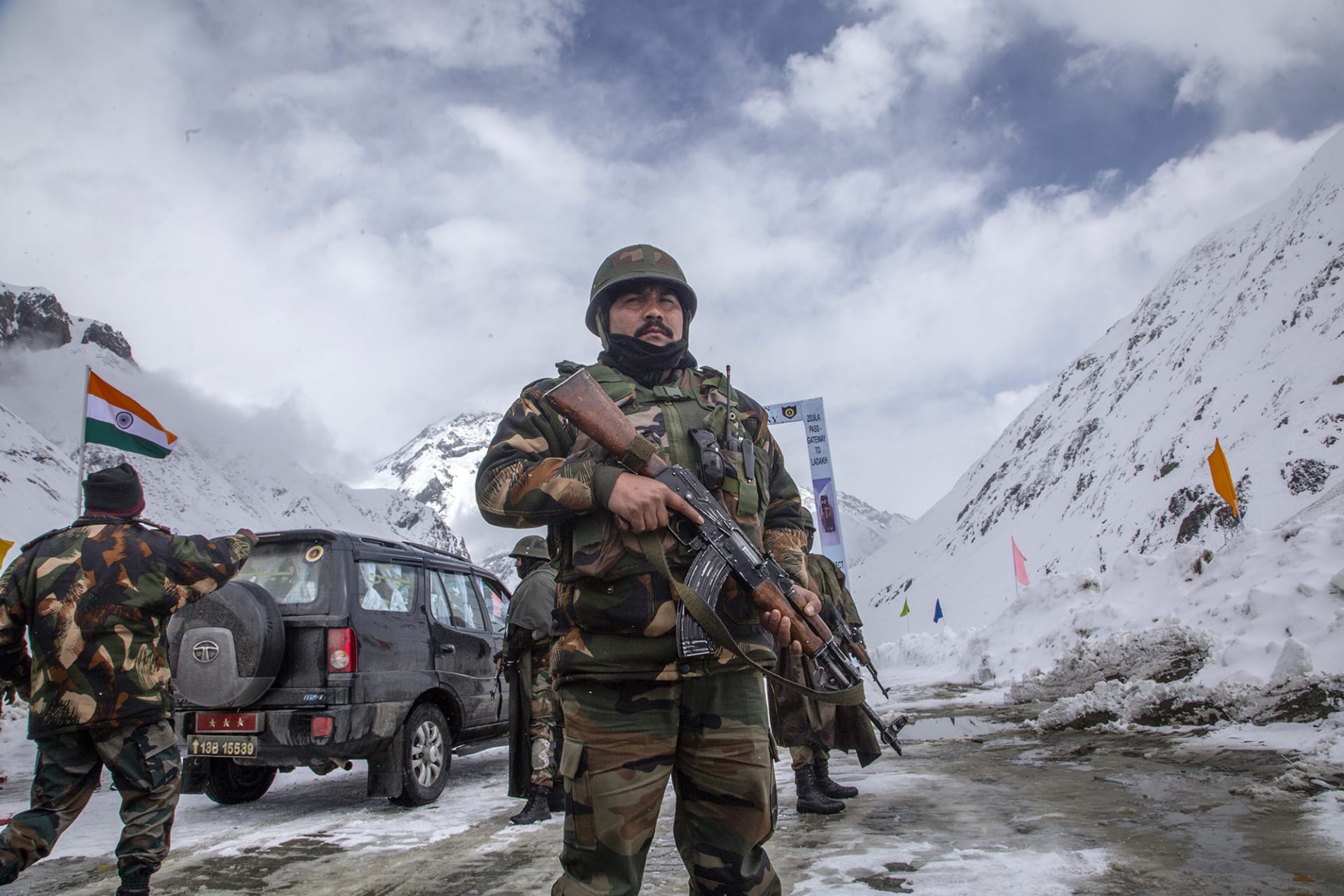
Since India’s independence, ties with the United States have weathered Cold War–era distrust and estrangement over India’s nuclear program. Relations have warmed in recent years and cooperation has strengthened across a range of economic and political areas.
-
-
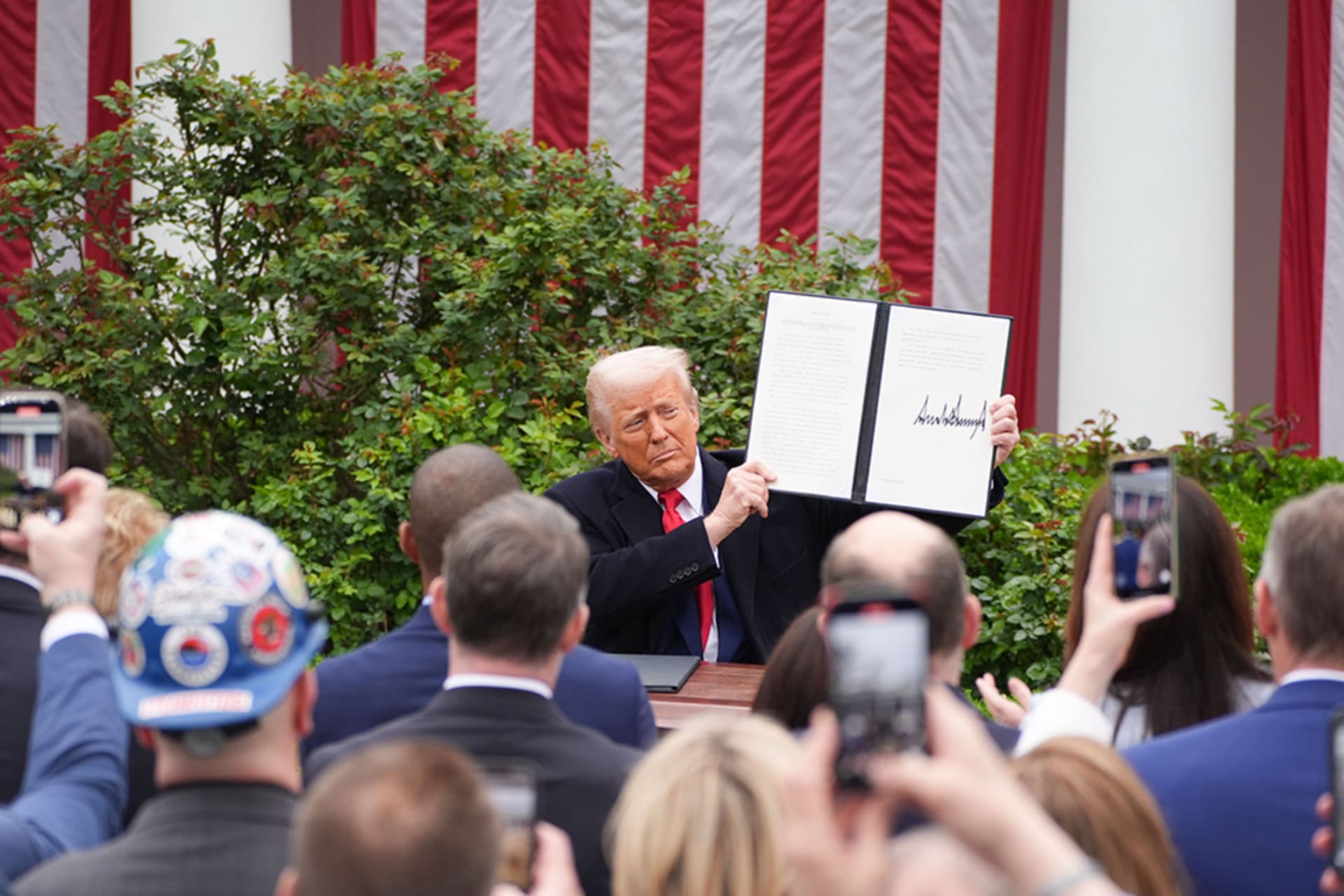
CFR experts weigh in on President Trump’s raft of new tariffs, including their legality, justification, and effect on U.S. consumers.
-
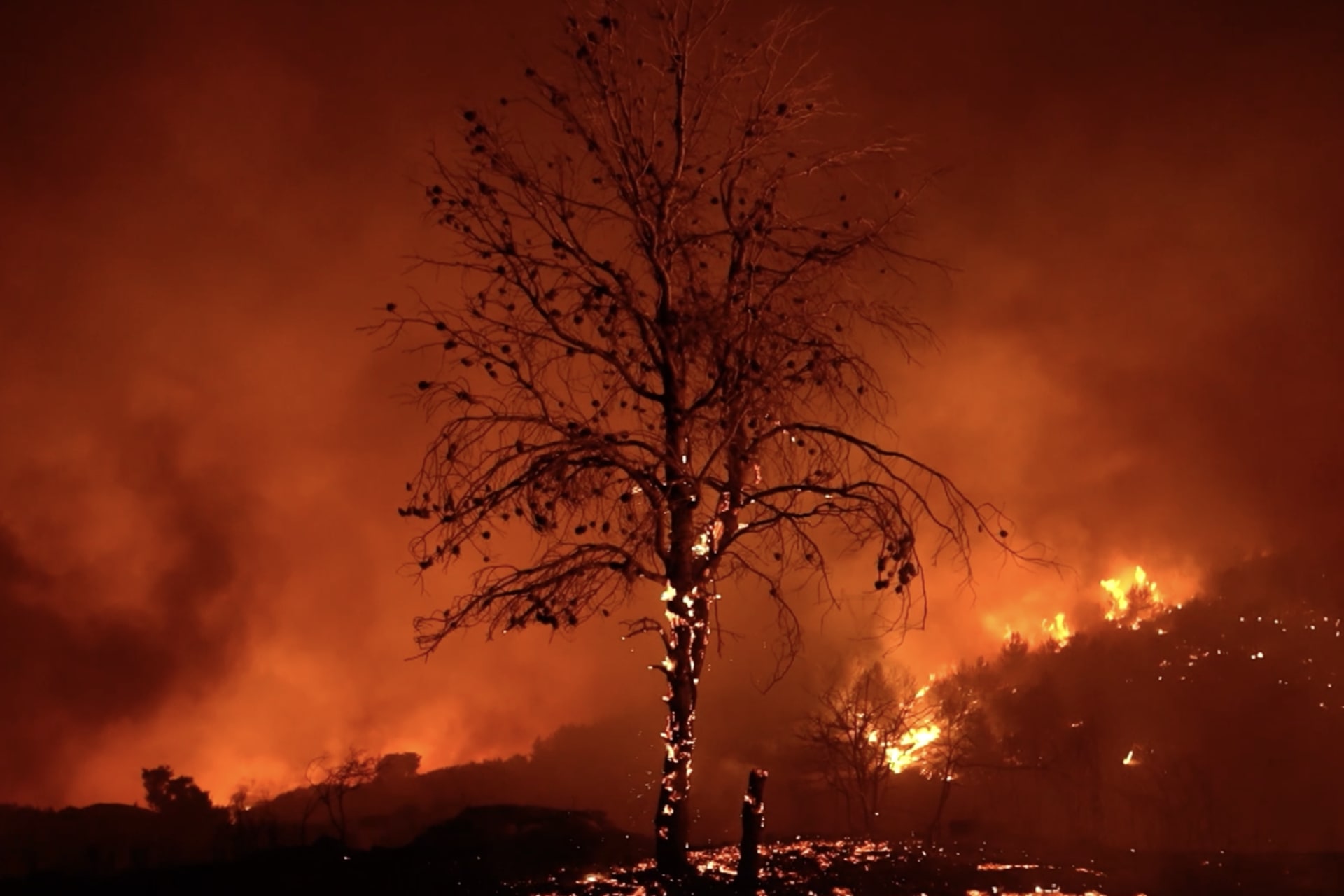
Since 1992, when the United Nations recognized climate change as a serious issue, negotiations among countries have produced notable accords, such as the Paris Agreement. But leaders have struggled to maintain momentum and failed to slow global temperature rise.
-
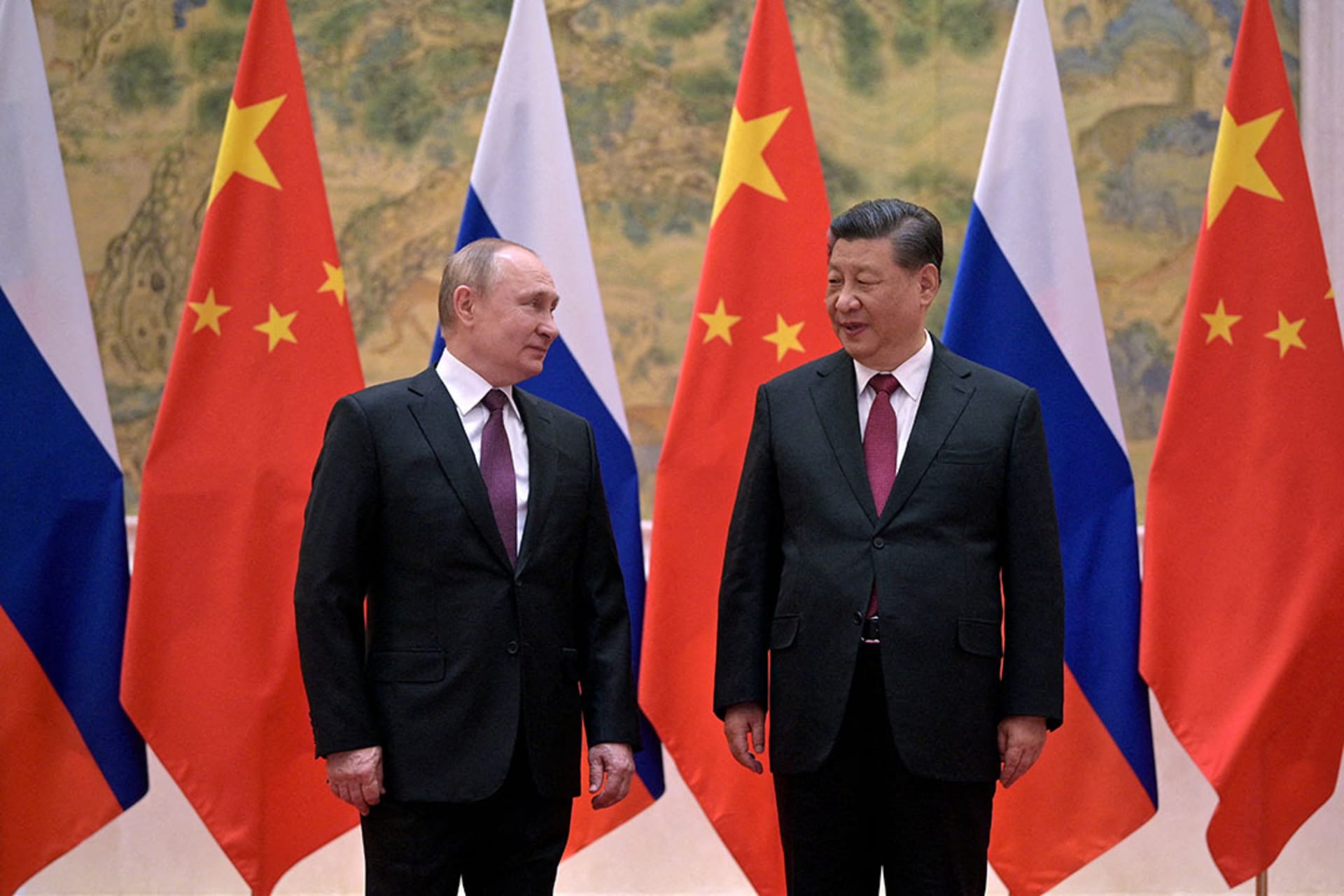
Beijing’s and Moscow’s relationship has strengthened militarily, economically, and diplomatically in the past two decades, demonstrating their commitment to a “no limits” partnership.
-
Countries will collectively need to spend trillions of dollars to reach their decarbonization goals and protect the most vulnerable nations from climate disasters, but experts say that current funding levels lag behind what’s required to stave off and adapt to the worst effects of climate change.
-
The island’s proximity to Asia makes it a critical outpost for the U.S. military and a potential hub in the event of regional conflict.
-
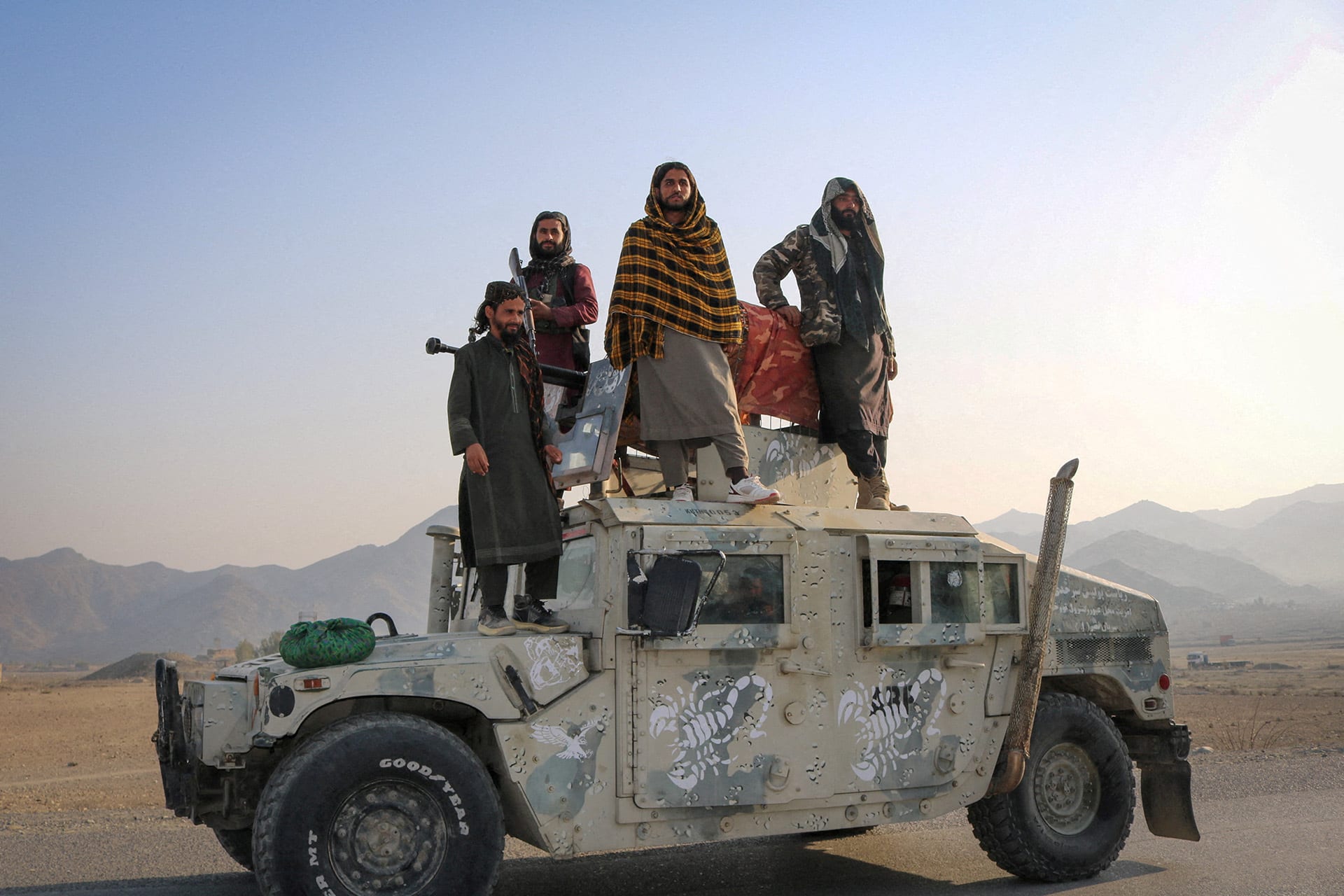
The Taliban’s outright denial of women’s rights in Afghanistan has spurred a global push to combat gender-based oppression.
-
Negotiations between the United States and North Korea have proceeded in fits and starts for decades. But they have failed to halt the advance of North Korea’s nuclear and missile programs.
-
Organized crime groups in Southeast Asia have seized on Myanmar’s instability amid civil war to establish a string of scam centers engaged in global online fraud operations.
-
Disputes over overlapping exclusive economic zones in the South China Sea have intensified in recent decades, while the territorial row over the Senkaku/Diaoyu Islands in the East China Sea dates back to the nineteenth century.
-
Complex dynamics between the two Asian nuclear powers are shifting once again as North Korea deepens ties with Russia and the U.S.-China rivalry intensifies.
-
Pakistan’s military is set to again play kingmaker in elections that will determine how the nuclear-armed country grapples with an economic crisis, political upheaval aggravated by the arrest of Imran Khan, and escalating terrorism.
-
International efforts, such as the Paris Agreement, aim to reduce greenhouse gas emissions. But experts say countries aren’t doing enough to limit dangerous global warming.
-
Scientists say governments need to act with more urgency to keep global warming in check. How much progress is possible at COP28?
-
The United Nations’ ambitious development agenda aims to protect people and the planet via seventeen goals. But experts say governments aren’t doing enough to implement them.
-
Countries will collectively need to spend trillions of dollars to reach their decarbonization goals and protect the most vulnerable nations from climate disasters, but experts say current funding levels fall far short of what’s required to stave off the worst effects of climate change.
-
China and Russia have expanded trade and defense ties over the past decade, but they’re not formal allies. Experts say Russia’s war in Ukraine could be a turning point in the relationship.
-
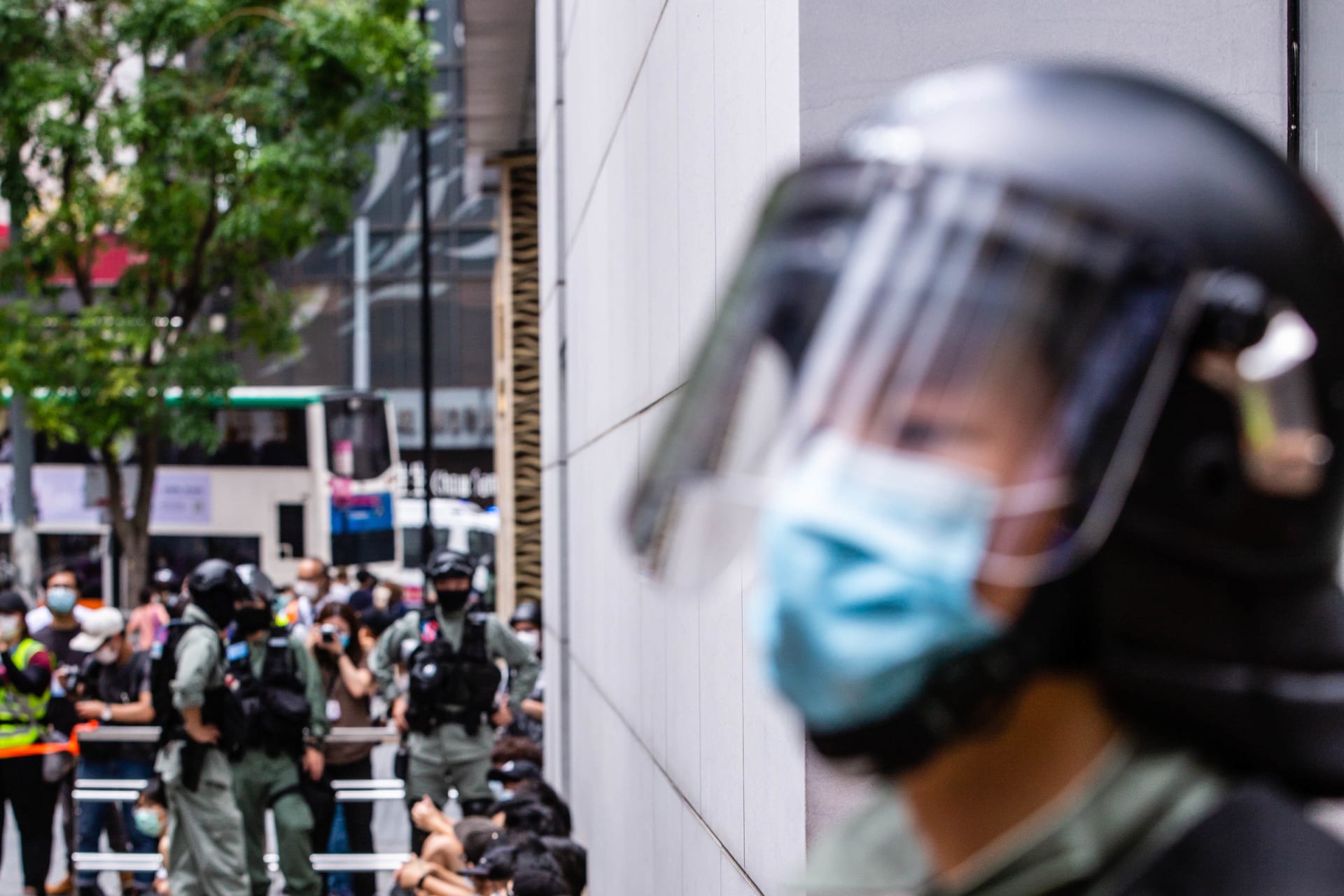
Beijing has tightened its grip on Hong Kong in recent years, dimming hopes that the financial center will ever become a full democracy.
-
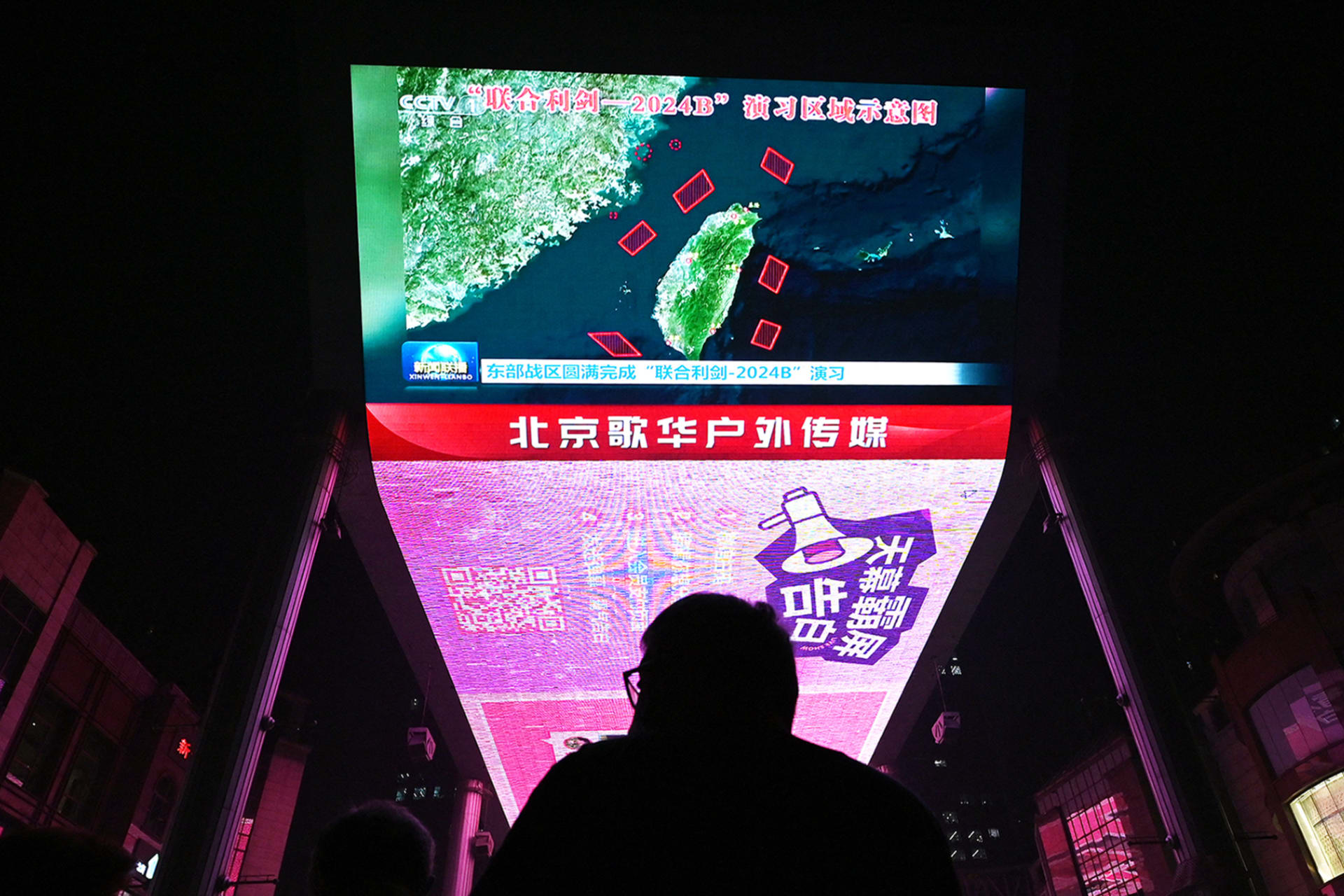
Differences over Taiwan’s status have fueled rising tensions between the island and mainland. Taiwan is the likeliest potential flash point in U.S.-China relations.