Meeting
The Legacy of the Korean War
Kim Hong-Ji
Event date
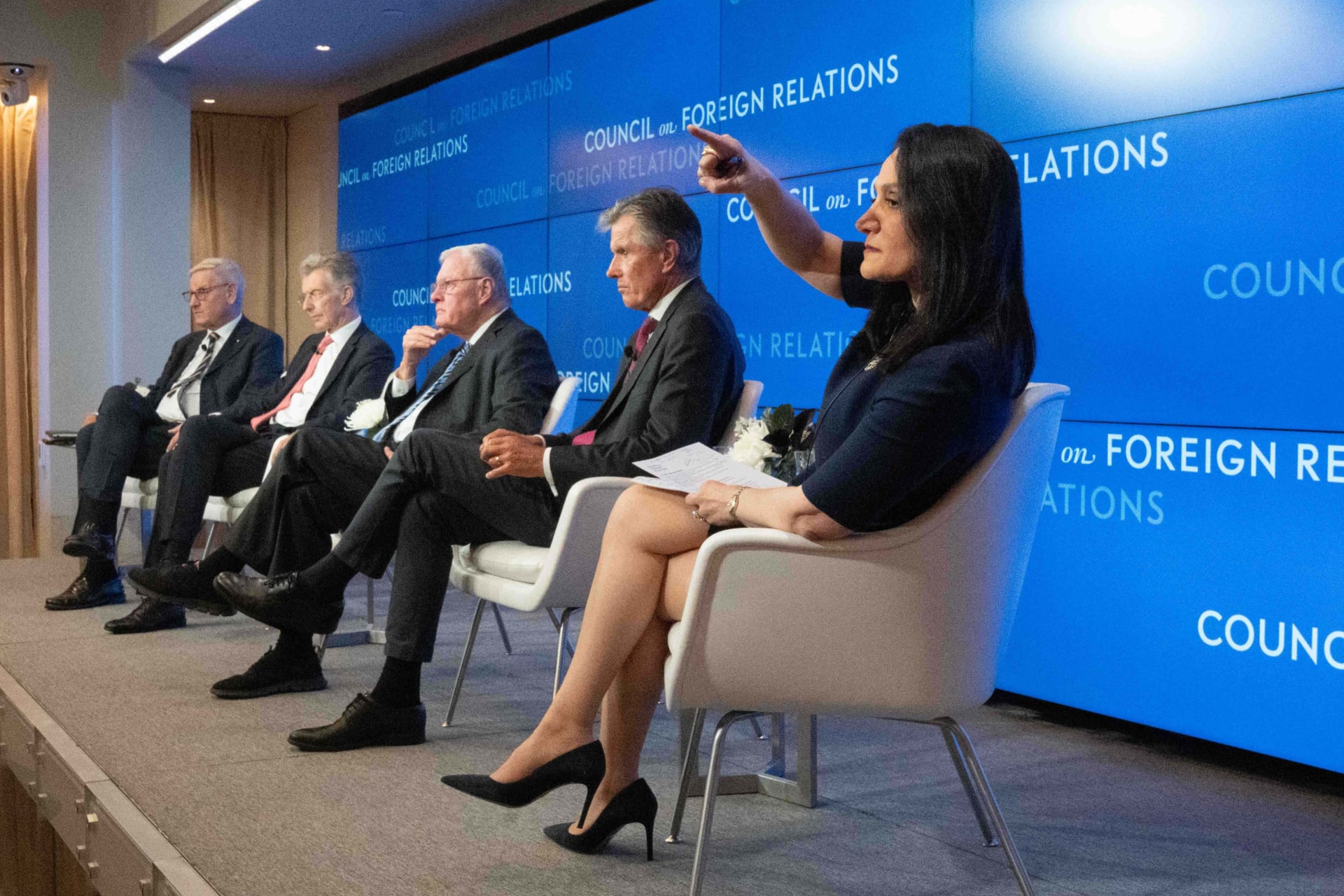
Speakers
- Gustavus F. and Ann M. Swift Distinguished Service Professor of History and the College, University of Chicago
- Senior Fellow for Korea, Center for Strategic and International Studies
- Cold War Fellow, Woodrow Wilson International Center for Scholars; Author, Fearing the Worst: How Korea Transformed the Cold War
Presider
- President and Chief Executive Officer, New-York Historical Society
From Lessons From History.
Editor’s note: On July 16, 2024, the U.S. Department of Justice arraigned CFR Senior Fellow Sue Mi Terry on charges of violating the Foreign Agents Registration Act (FARA). CFR has a rigorous FARA compliance policy and takes these allegations very seriously. Dr. Terry was placed on unpaid administrative leave as soon as CFR was made aware of the indictment.
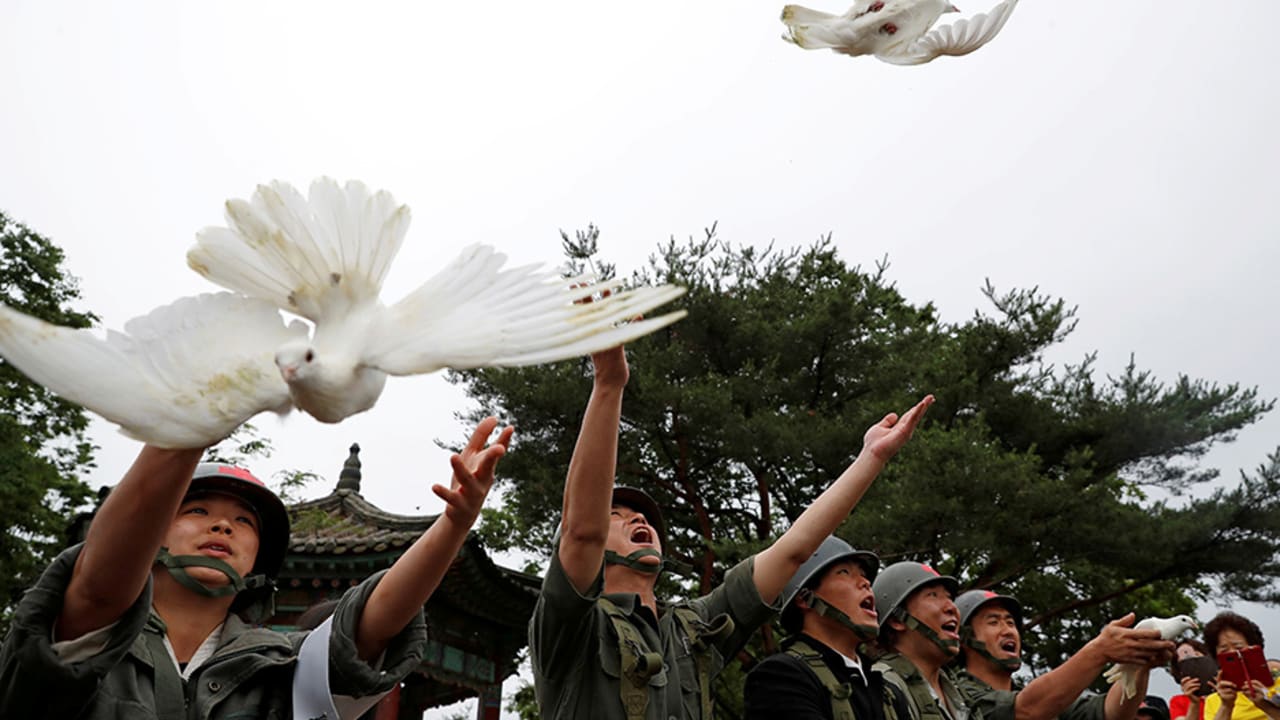
Following the 70th anniversary of the start of the Korean War on June 25, panelists discuss how the war altered U.S. foreign policy, divided Korea, and had long lasting effects in the region.