McKinsey Executive Roundtable Series in International Economics: Inward Investment and U.S. National Security

Event date
Speakers
- Kenneth LieberthalArthur F. Thurnau Professor of Political Science, William Davidson Professor of Business Administration, University of Michigan
- Patrick A. MulloyCommissioner, U.S.-China Economic and Security Review Commission; former General Counsel, U.S. Senate Banking Committee
- William A. ReinschPresident, National Foreign Trade Council; former Undersecretary of Commerce for Export Administration, U.S. Department of Commerce
Presider
- Jeffrey R. ShaferVice Chairman, Global Banking, Head of Economic and Political Strategies, Citigroup, Inc.
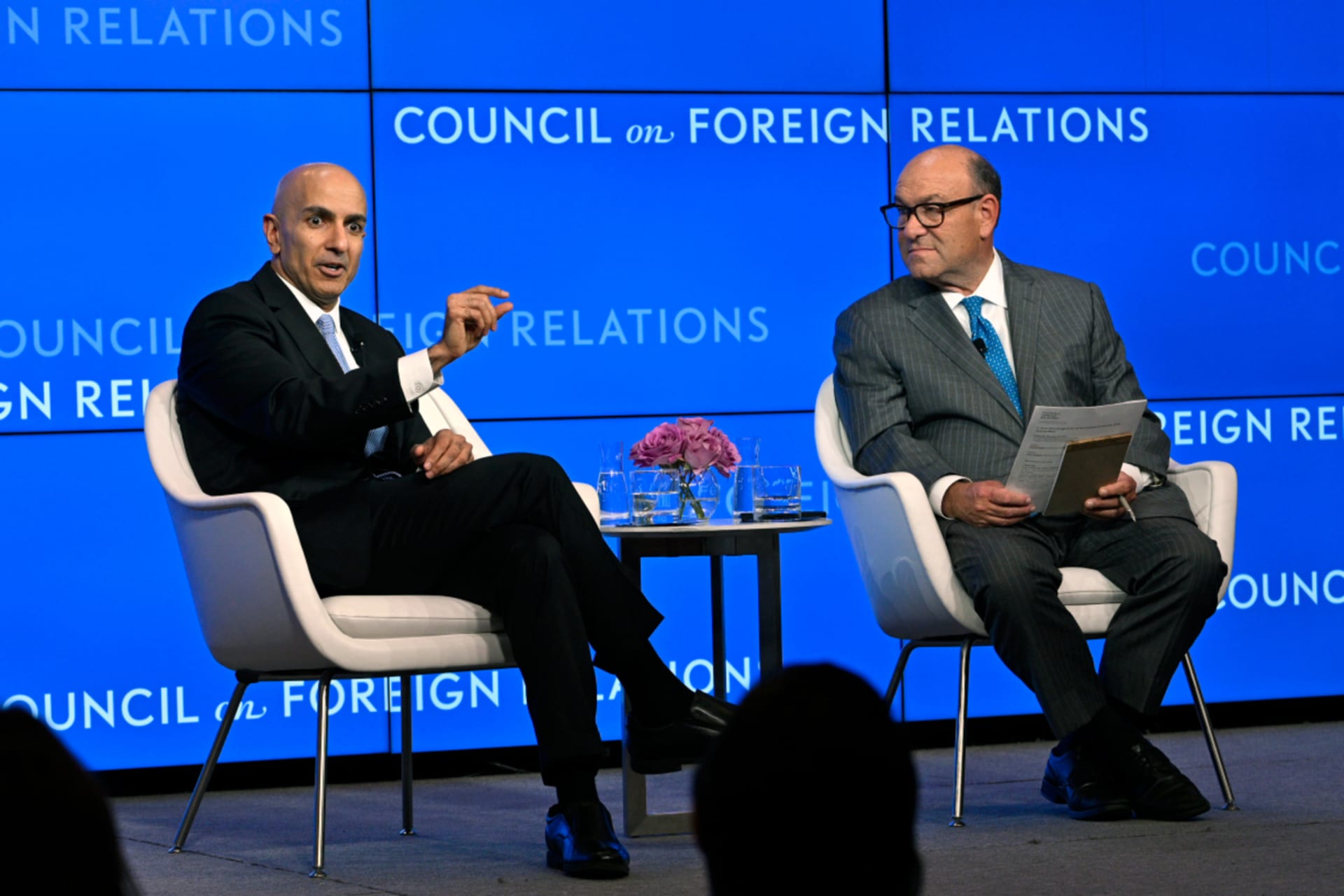
The McKinsey Executive Roundtable Series in International Economics was a quarterly meetings series, which brought together major U.S. and foreign policymakers, business leaders, and independent commentators to discuss and debate current issues in international economics, such as global energy markets, tax policy, global demographic change, and securities regulation.
This meeting series was sponsored by the Corporate Program and the Greenberg Center for Geoeconomic Studies and has been retired.