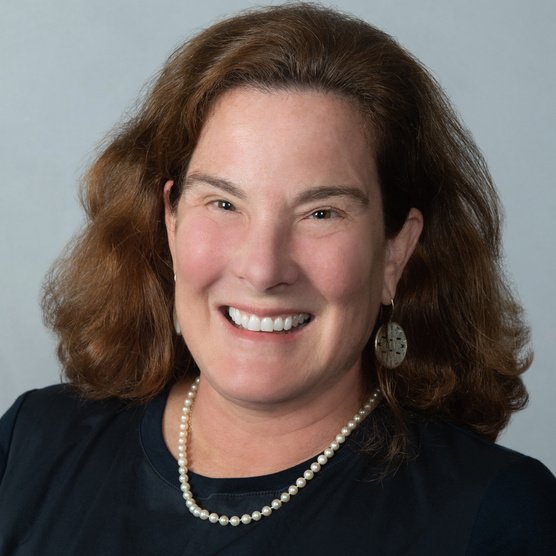
Caroline Netchvolodoff

CFR Staff

Caroline Netchvolodoff

Vice President, Education

Caroline Netchvolodoff joined CFR in 2010 as senior adviser to the president for strategic planning. In her current position as Vice President, Education, Ms. Netchvolodoff oversees the development and marketing of CFR’s multi-media learning materials on the fundamentals of international relations and U.S. foreign policy. Ms. Netchvolodoff holds a Bachelor of Arts from Brown University in East Asian Studies and a Master of Public Policy from Harvard University.

CFR Education aims to close the global literacy gap in our country by providing accessible, accurate, and authoritative resources that build the knowledge, skills, and perspective high school and higher education students need to understand and engage with today’s most pressing global issues. Leveraging best pedagogical practices and Council on Foreign Relations (CFR) expertise, CFR Education’s supplemental resources teach complex global affairs and foreign policy issues to the next generation.

Foreign Affairs

Published by the Council on Foreign Relations since 1922, just a year after the organization’s founding, Foreign Affairs has long been America’s leading forum for serious discussion of foreign policy and international affairs.

Link
Link
Link

Top Stories on CFR

Venezuela

Four CFR experts review the capture of the Venezuelan leader and examine the challenges and uncertainty that the United States, Venezuela, and the region could face.

Iran

The Islamic Republic has experienced multiple mass protests in recent years, but the latest round of demonstrations come at a particularly difficult moment for the regime.

Conflict Prevention

The world continues to grow more violent and disorderly. According to CFR’s annual conflict risk assessment, American foreign policy experts are acutely concerned about conflict-related threats to U.S. national security and international stability that are likely to emerge or intensify in 2026. In this report, surveyed experts rate global conflicts by their likelihood and potential harm to U.S. interests and, for the first time, identify opportunities for preventive action.