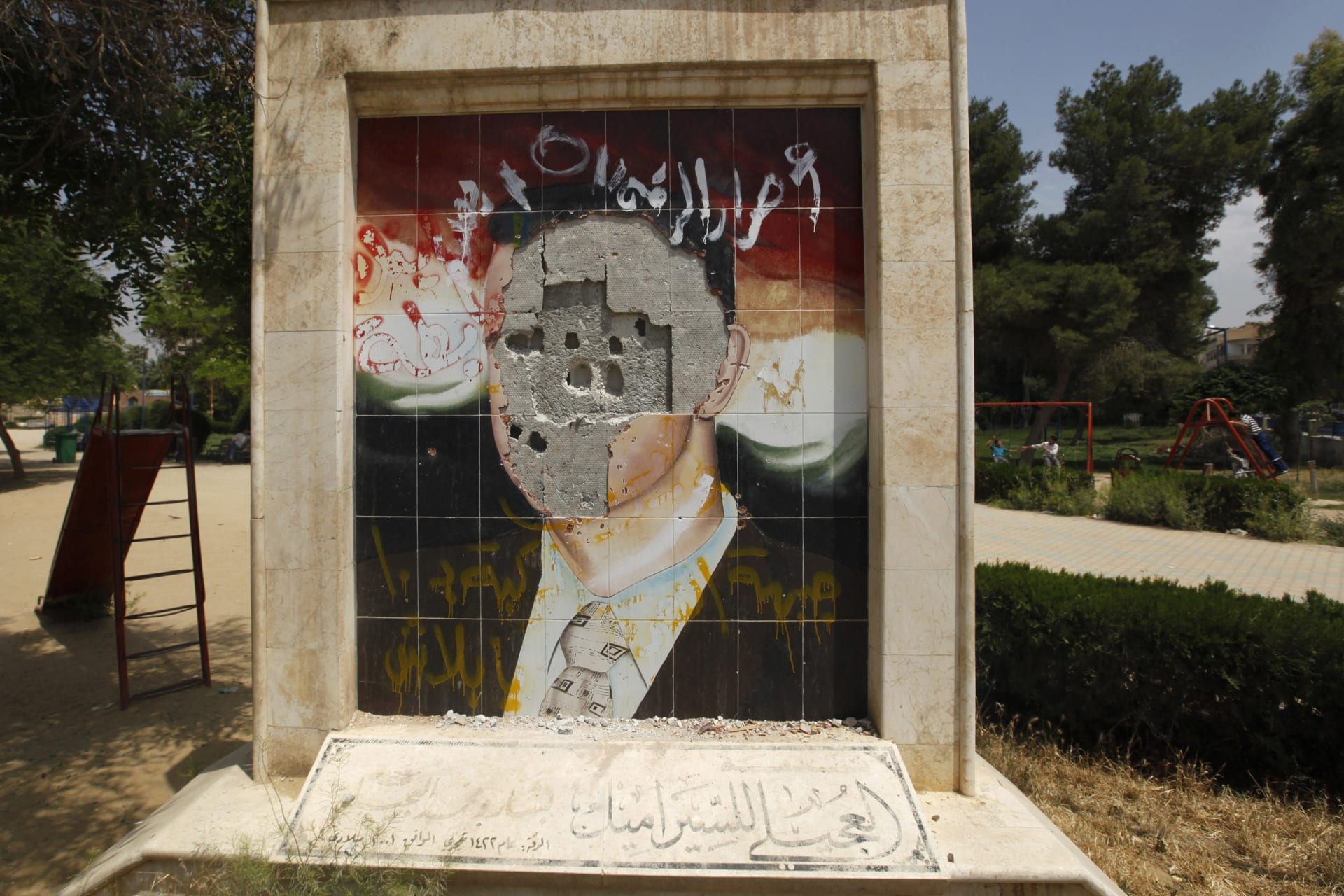
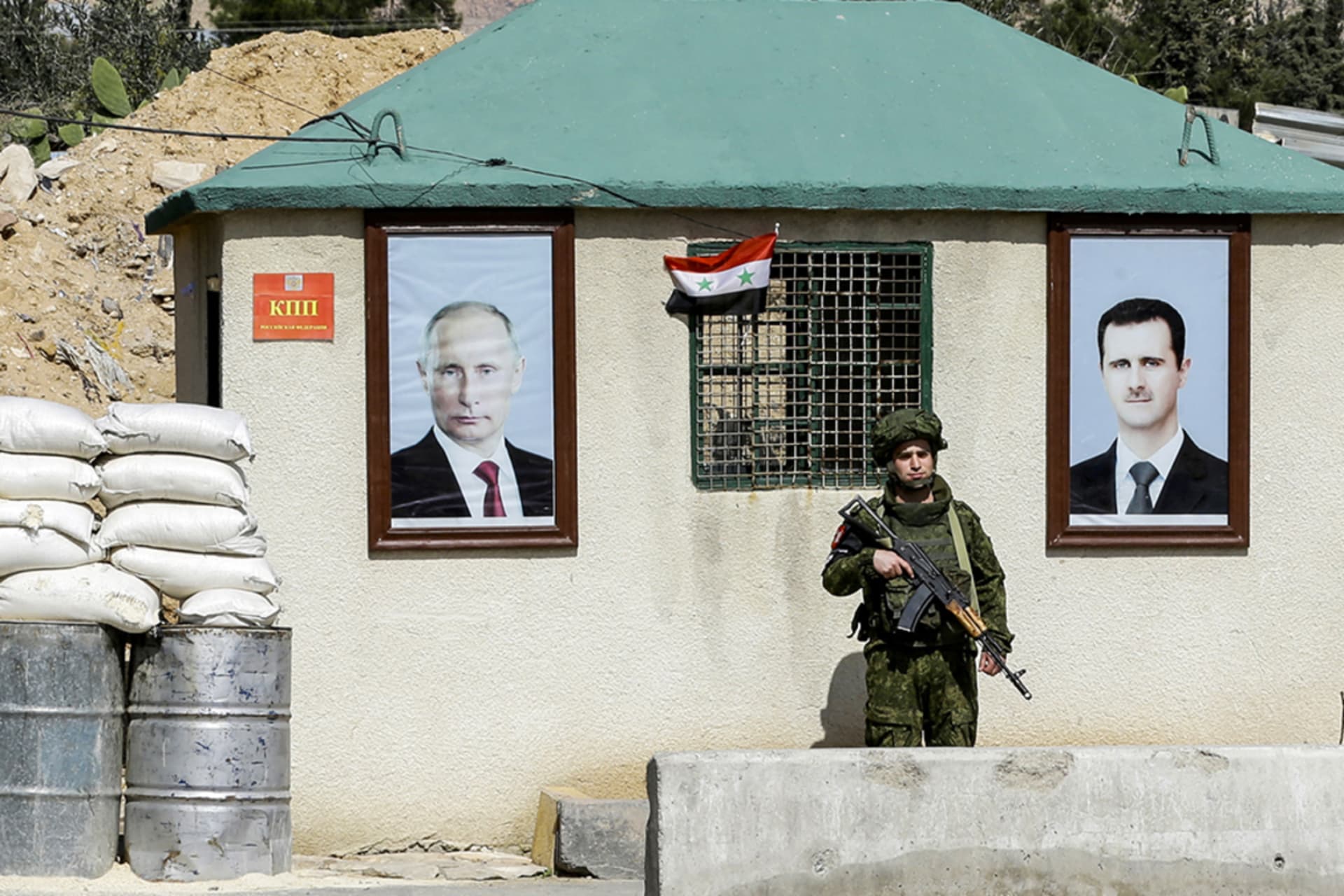
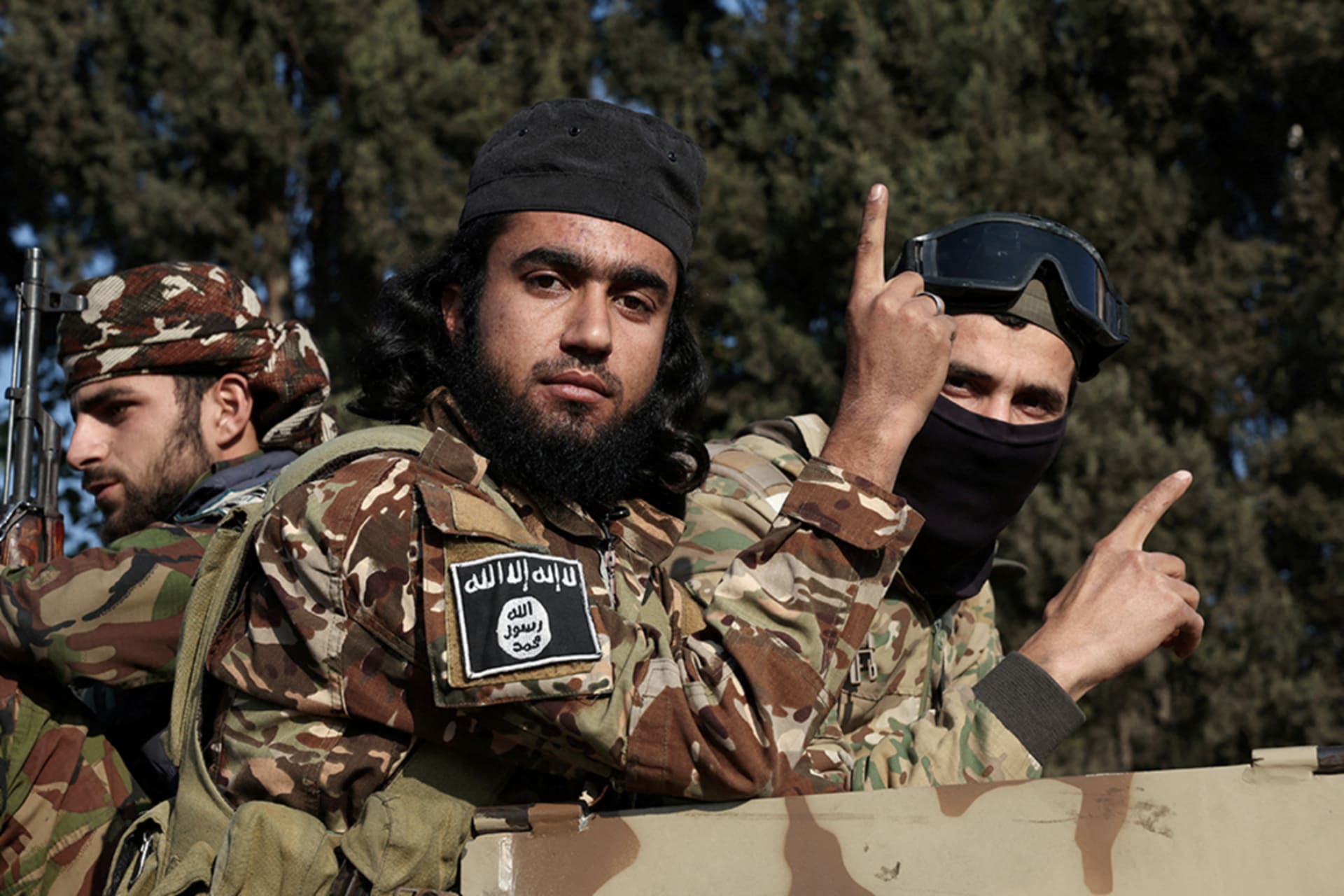
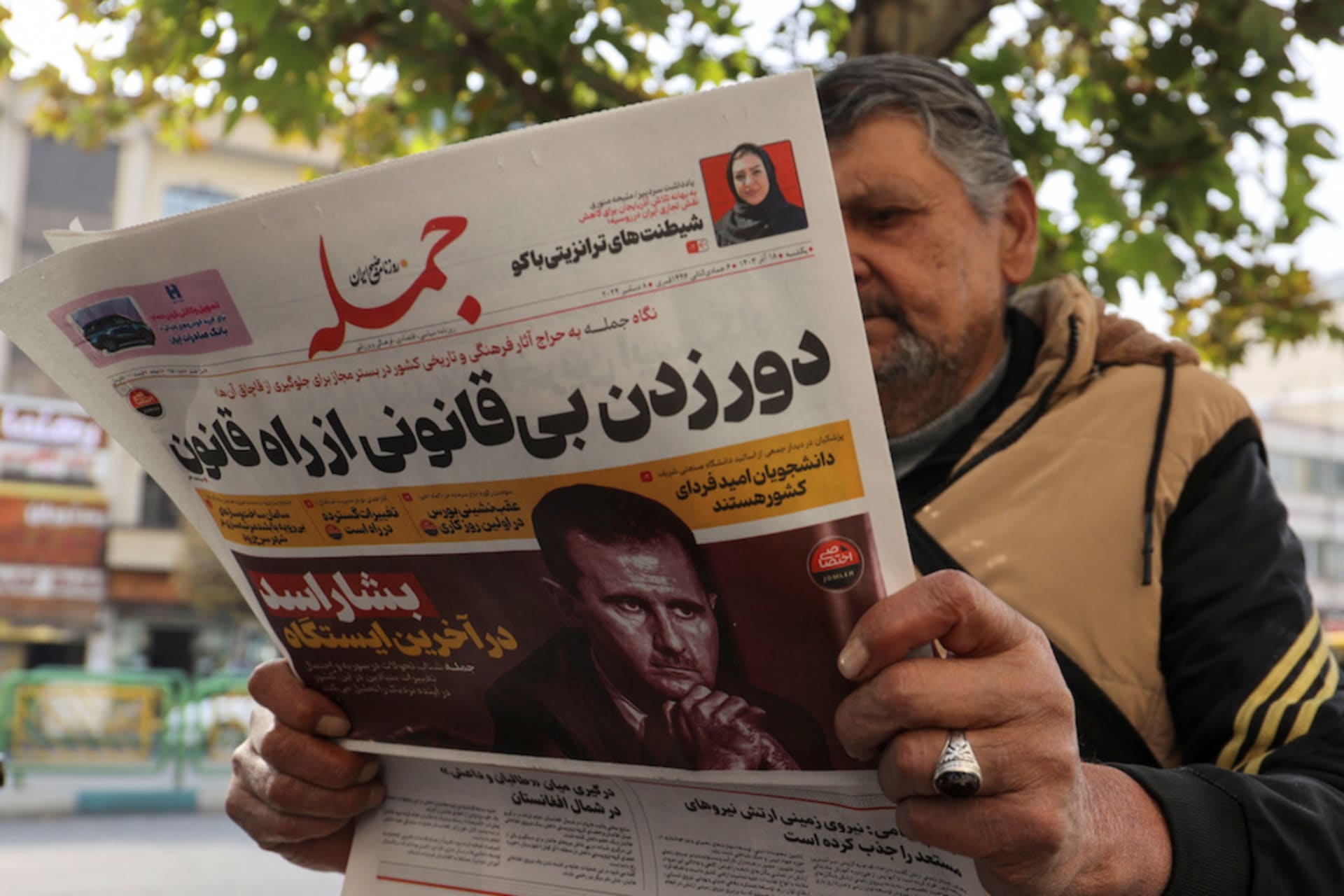
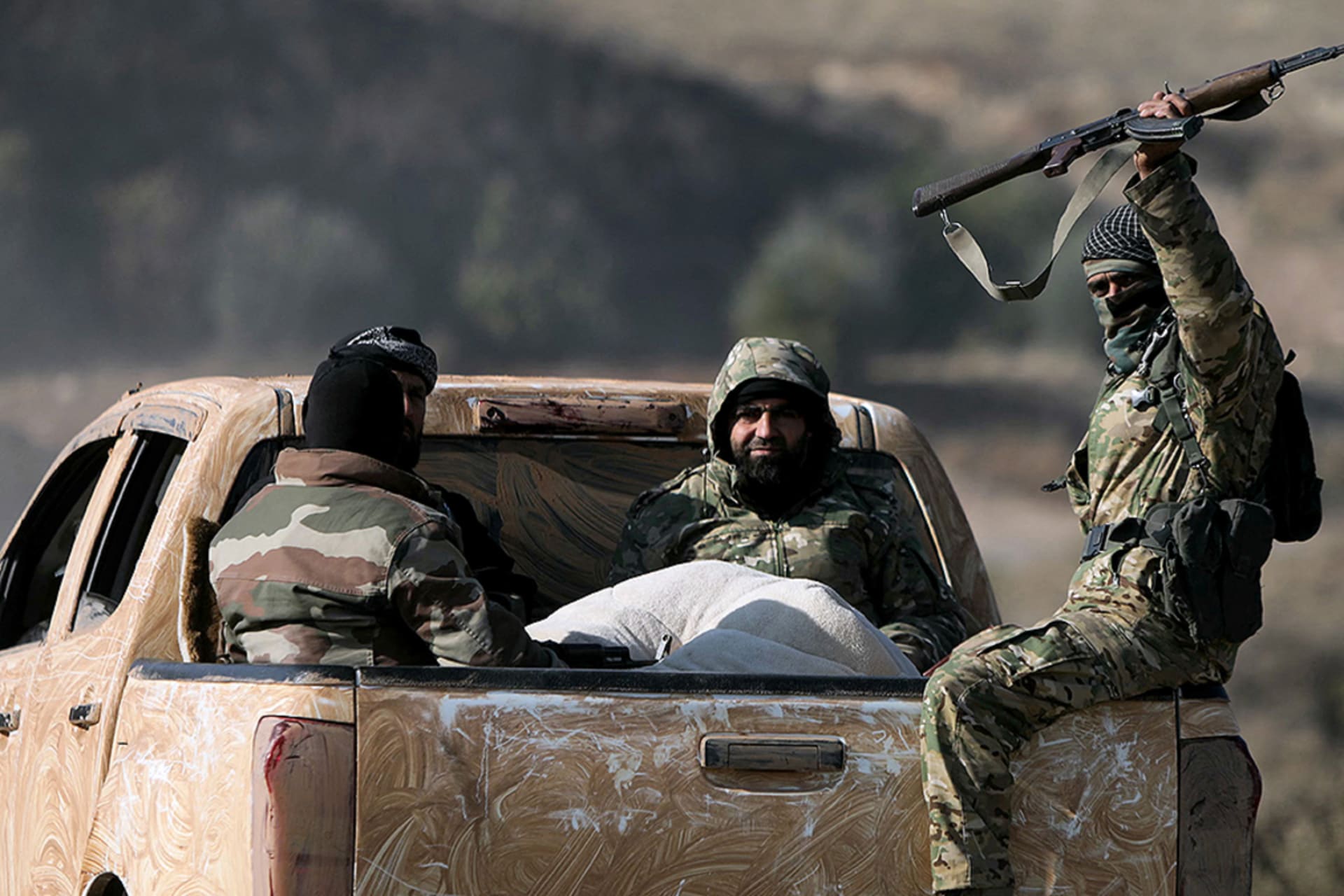
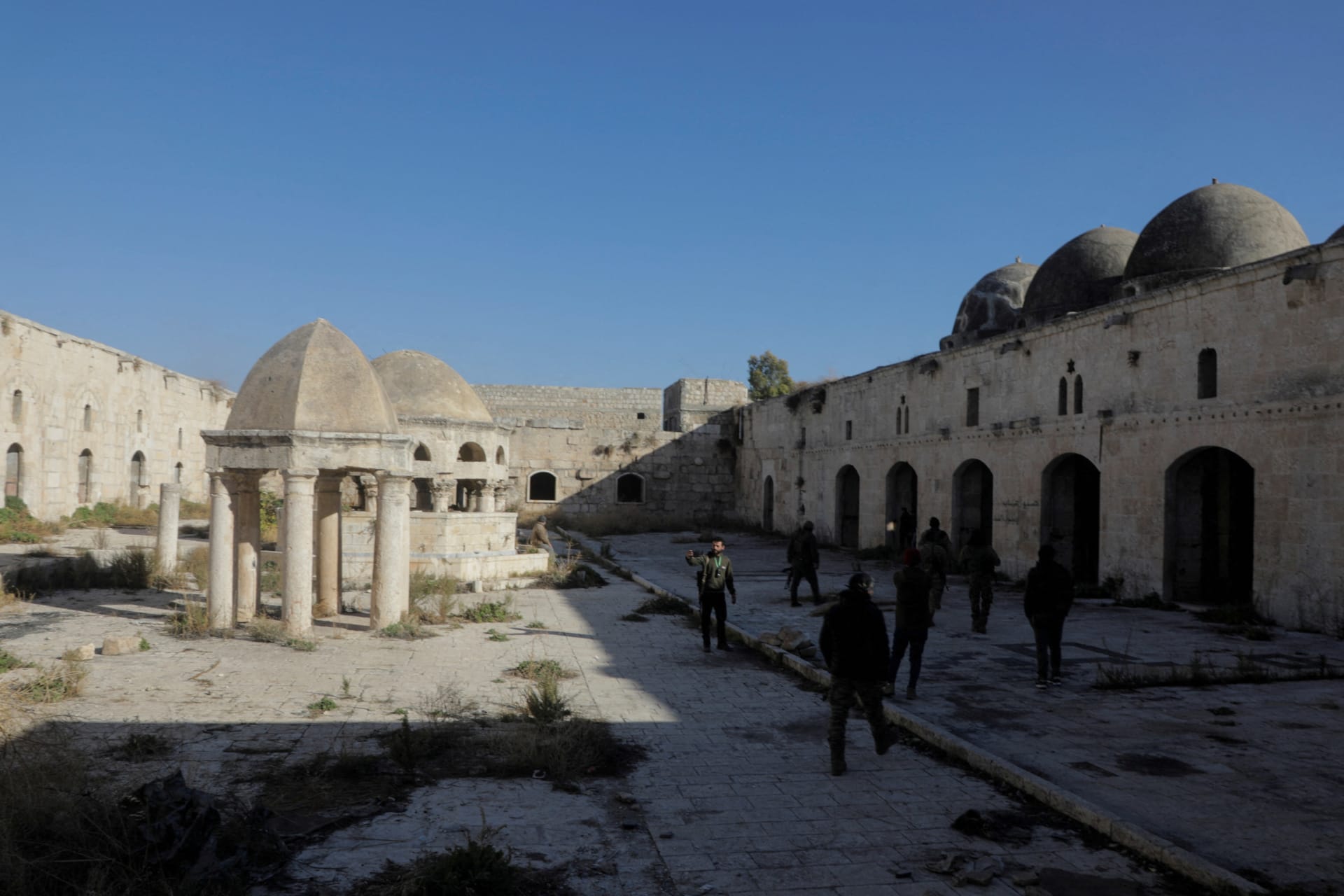
The swift collapse of Syria’s regime brings a humiliating end to Russia’s and Iran’s sway and opens the door for greater Turkish influence. But the Islamist movement that seized power has yet to show its full intentions.
Dec 8, 2024
The swift collapse of Syria’s regime brings a humiliating end to Russia’s and Iran’s sway and opens the door for greater Turkish influence. But the Islamist movement that seized power has yet to show its full intentions.
Syrian leader Ahmed al-Sharaa makes a crucial first visit to the White House, with the reconstruction of his war-battered country at stake if he is able to persuade U.S. lawmakers to lift sanctions.
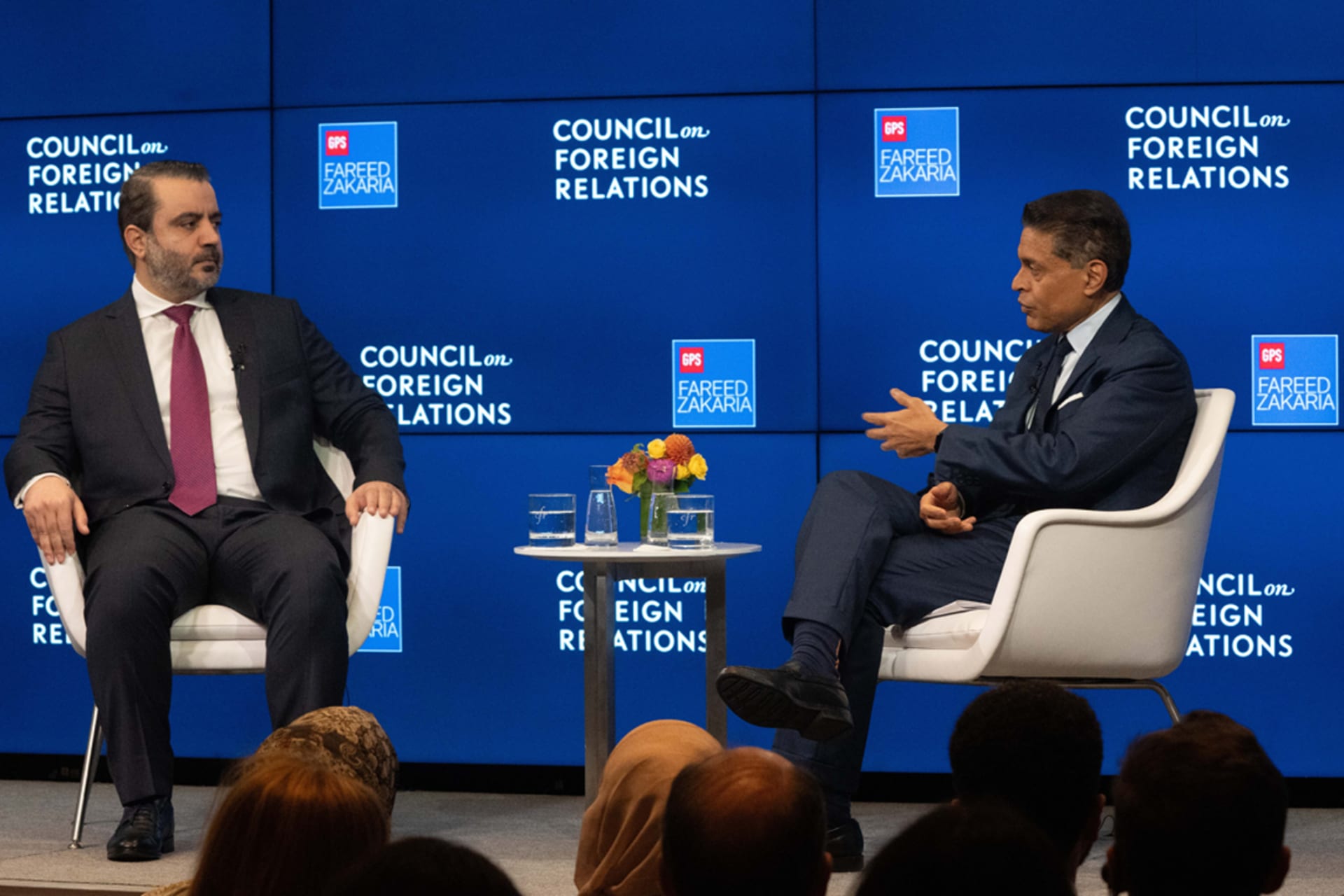
Minister Asaad Al-Shaibani discusses Syria-U.S. relations and Syria’s international reengagement, including sovereignty, sanctions relief, global partnerships, and foreign policy priorities.
Eventwith Asaad Hassan Al-Shaibani and Fareed Zakaria September 25, 2025
Trump’s decision to lift sanctions on Syria and meet with its new president is a major shift in U.S.-Syria relations, but it may not be an indicator that Syrian refugees should return home any time soon.
Panelists discuss the Trump administration’s role in the Israel-Hamas peace negotiations, U.S. relations with other Middle East countries, and the administration’s priorities regarding U.S. involvement and stability in the region.
This meeting is part of CFR’s Transition 2025 series, which examines the major foreign policy issues confronting the Trump administration.
Please note there is no virtual component to the meeting. The audio, video, and transcript of the discussion portion of this event will be posted on the CFR website.
A spate of attacks involving loyalists to former ruler President Bashar al-Assad has spurred concerns of a return to sectarian warfare in Syria, but there is still a path for the country’s new rulers to find stability.
An array of domestic and foreign powers are vying for influence in Lebanon, including the Lebanese Armed Forces, Hezbollah, Israel, Iran, Syria, and the United States.
In this live series finale, Bob and Carla discuss the most pressing international news stories with special guest Deborah Amos. President Donald Trump virtually attends the annual Davos summit where he will address corporate and government leaders just three days after his inauguration; the next phase of hostage and prisoner swaps is due as part of the Israel-Hamas cease-fire deal; a tightly controlled presidential election in Belarus kicks off a new year of consequential elections around the globe; and TikTok is revived in the United States—for now— after President Trump forestalled the app’s initial ban.
This episode was originally produced live on January 21, 2025.
Welcome to “Women Around the World: This Week,” a series that highlights noteworthy news related to women and U.S. foreign policy. This week’s post covers January 4 to January 10.
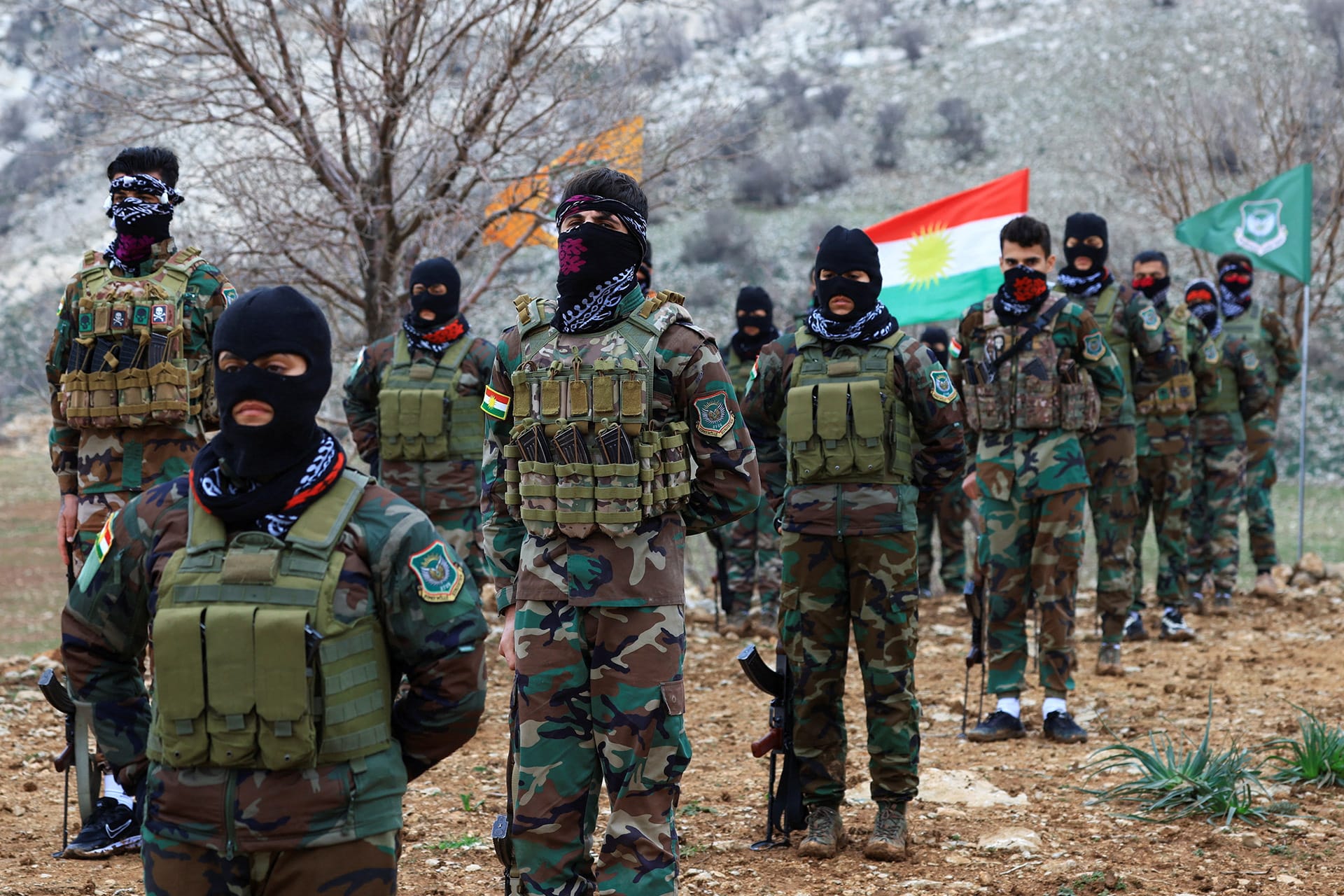
The United States appears intent on keeping its counterterrorism alliance with the Kurds in post-Assad Syria despite the strains it is causing with ally Turkey.
With the sudden collapse of the al-Assad regime in Syria, analysts and fighters in other long running civil wars are wondering whether their country could be next.
Syrians begin the early stages of government formation as global and regional powers scramble to devise a strategy for Syria after the fall of President Bashar al-Assad; Georgians protest their government’s postponement of European Union (EU) membership talks as Romanians look for answers following the cancellation of their presidential election results; the United Kingdom (UK) accedes to the Comprehensive and Progressive Trans-Pacific Partnership; and China opens an anti-monopoly case against U.S. chipmaker Nvidia.
The flight of Syrian President Bashar al-Assad to exile in Russia poses a major strategic challenge to Russian President Vladimir Putin, but the Kremlin’s influence in Syria and the region should not be downplayed yet.
The ascendance of Sunni Islamist rebels in Syria should be viewed with great caution by Western powers, but the Assad regime’s collapse disables a critical node in Iran’s regional proxy network.