Blogs

Geo-Graphics

A graphical take on geoeconomics.

Latest Post

Who Pays Trump’s Tariffs?

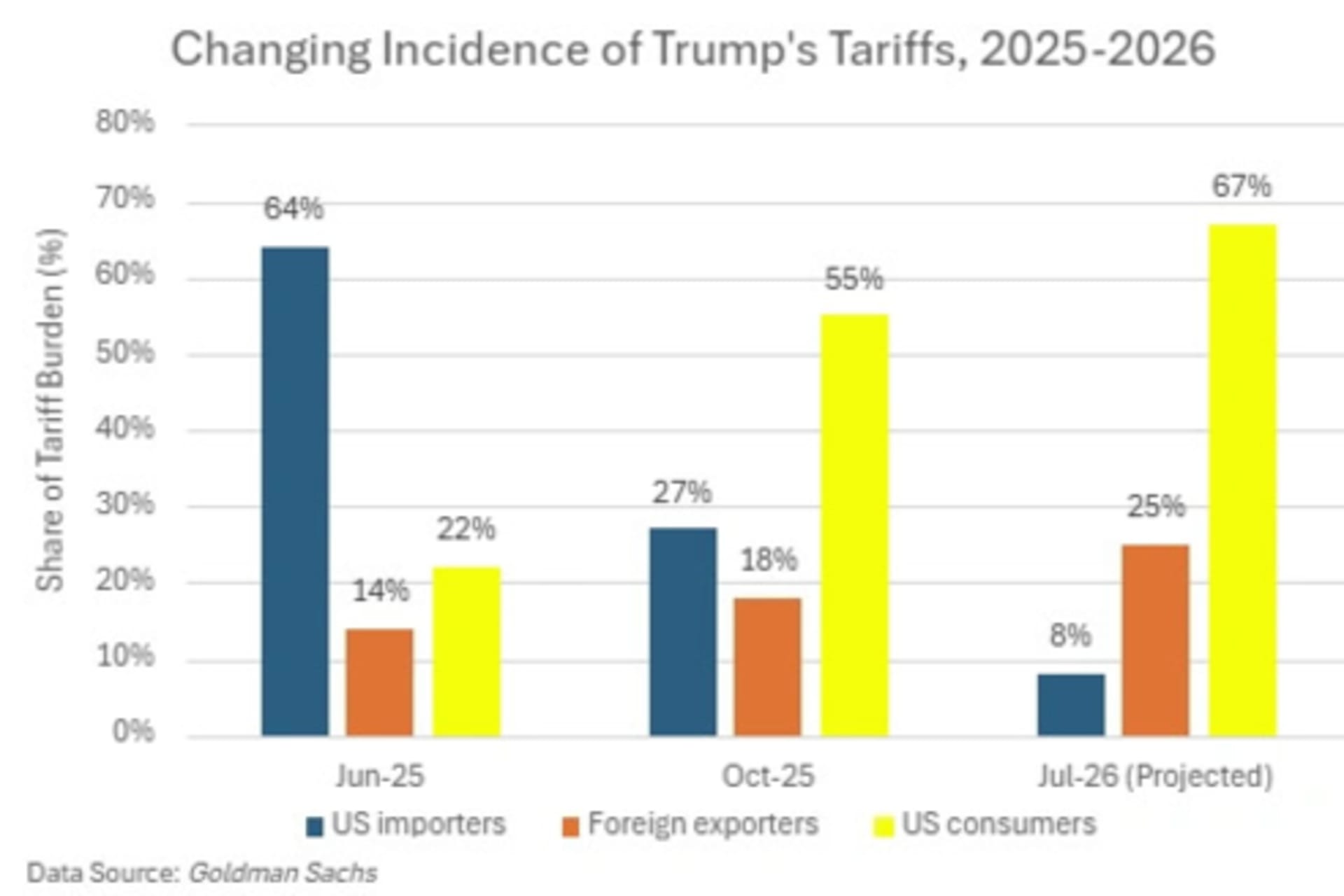
President Trump routinely claims that foreigners pay his tariffs, which is false—U.S. importers pay them. Over time, however, foreign exporters can be expected to bear a small but rising burden of the tariffs through price cuts, while most of the cost will be borne by U.S. consumers in the form of higher prices.

Read More
United States
Of “Emergencies” and “Tipping Points”
President Trump has declared trade deficits to be an economic “emergency.” But if they are one, his trade deals can only worsen it.
RealEcon
Will Trump’s Firing of the Labor-Data Chief Raise U.S. Financing Costs?
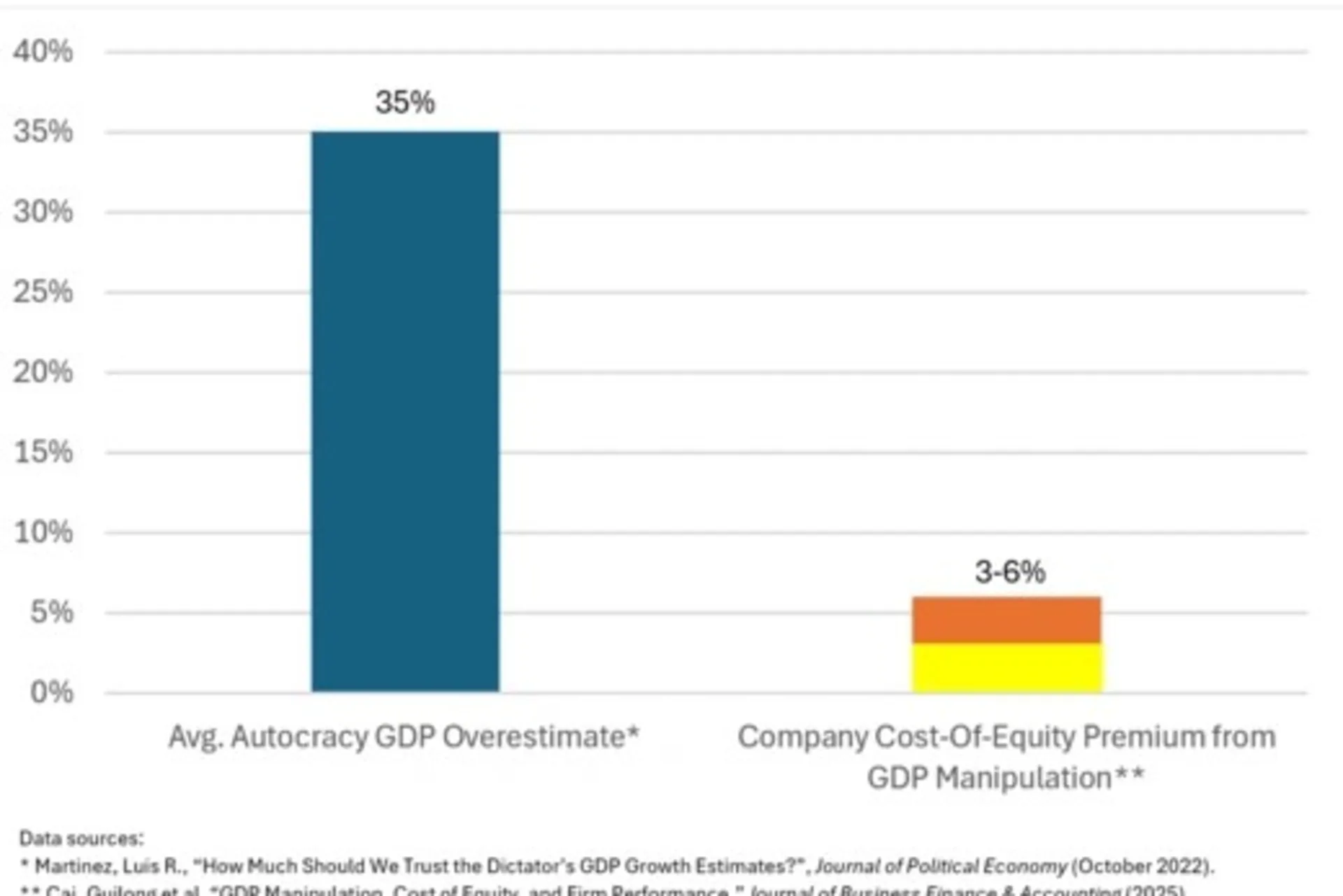
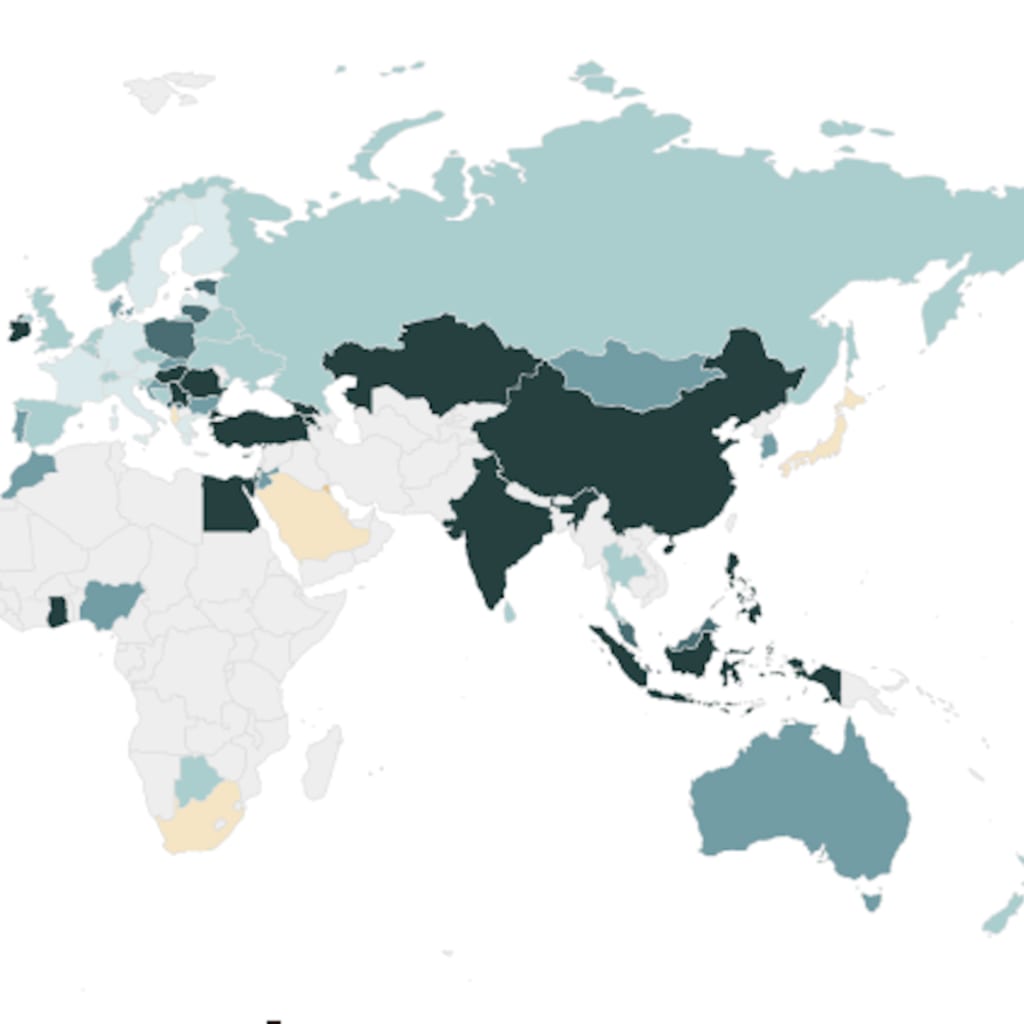
  Immediately following publication of the recent dismal jobs report from the Bureau of Labor Statistics (BLS), President Trump fired its top official, Commissioner Erika McEntarfer. Trump asserted, without evidence, that her numbers were “RIGGED in order to make the Republicans, and ME, look bad.” Dr. McEnfarter, who was confirmed in her post by an 86-8 Senate vote in January 2024, is well-regarded by economists across the political divide. Wall Street and the Federal Reserve have long treated BLS labor-market data as essential input into their decision-making, making its impartiality critical to sound investment and policy formulation. Whoever the president now appoints to fill the post, questions will linger as to whether BLS reports can any longer be trusted—and not manipulated to suit the president’s preferences. What effect might this have on the U.S. economy? Some clues come from two recent studies of GDP data manipulation by governments. The first found that autocracies overstate yearly GDP growth by an average of 35%. The second, looking at Chinese provincial data, found that firms in high‐manipulation provinces suffer higher cost of equity—in the range of 3-6 percent higher. These findings are shown in the graphic above. Since labor-market data, like GDP data, is relied upon by markets and policymakers to gauge the health of the economy, any degrading of their impartiality can be expected to have a similar effect—that is, to raise the cost of financing for U.S. companies. For this reason, the political firing of the BLS commissioner should be considered a material harm to U.S. economic performance going forward.
Greenberg Center for Geoeconomic Studies
Trump’s Japanese and EU Investment Boasts Contradict His Claims of a Trade Deficit "Emergency"
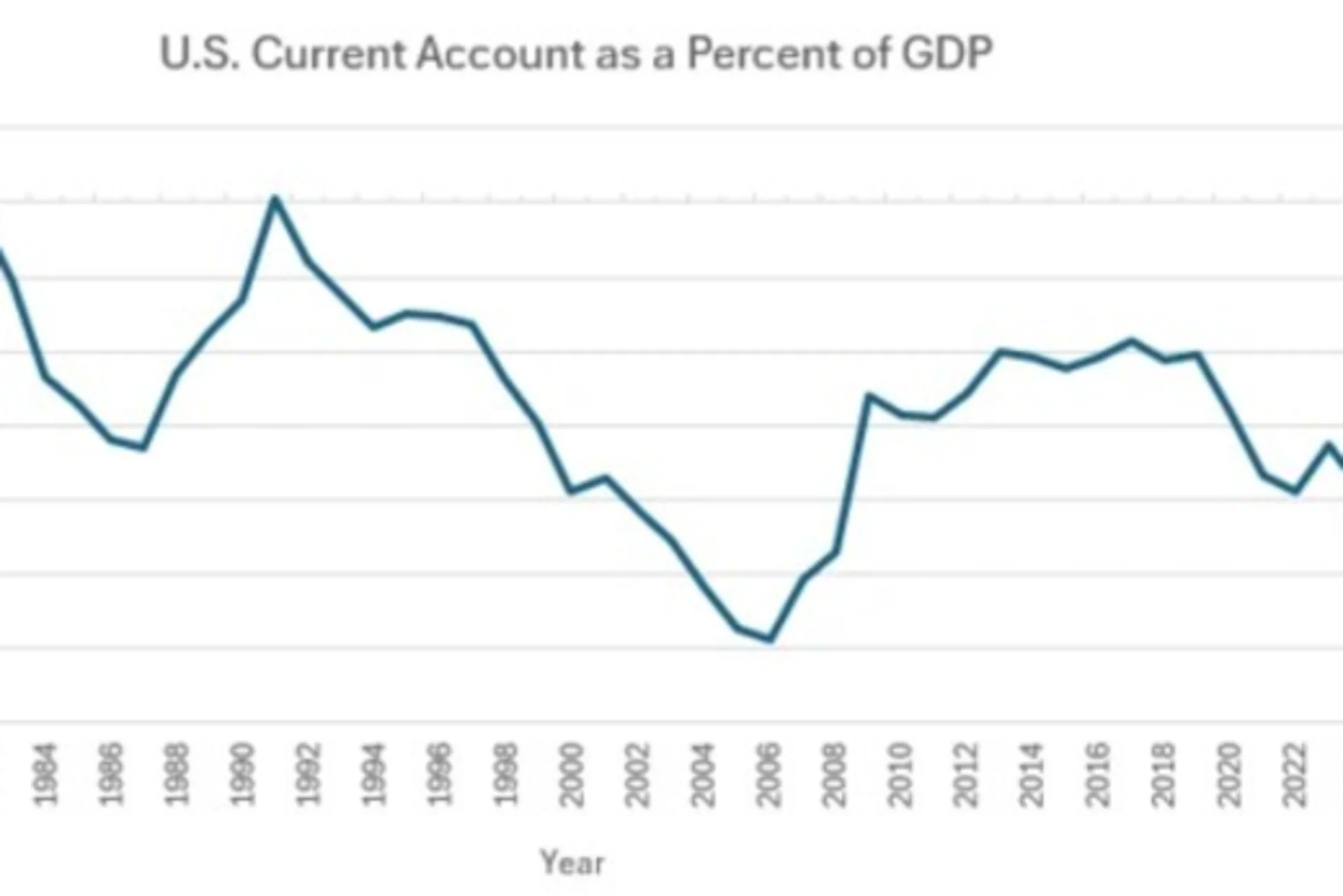
The Trump administration’s recent trade deals with Japan and the EU raise tariffs on the two large trade partners dramatically, relative to their pre-April levels. Although levying tariffs is a Constitutional prerogative of Congress, the administration has asserted its levying powers under the 1977 International Emergency Economic Powers Act (IEEPA), claiming that the long-standing U.S. current account deficit represents a “national emergency.” As part of those trade deals, Japan has, according to Trump, over the coming three and a half years committed to $550 billion of new inward investment into the United States, and the EU has committed to $600 billion. Details are sorely lacking, and statements from Tokyo and Brussels have considerably downplayed the size and degree of “commitment” involved. But it is significant that Trump considers such investment pledges a victory for his trade policy, given that his boasts contradict his claim of a “national emergency” in trade. Broadly speaking, the dollars flowing into this country must come from selling us more goods and services—or from buying less from us. In balance-of-payments terminology, inward investment into the U.S. increases the U.S. capital account surplus, but, as an accounting identity, also increases the current account deficit. By the president’s own logic, therefore, his Japan and EU deals worsen the “national emergency” that he identified to claim the power to levy tariffs. As a matter of both economics and legality, then, this is a serious error of reasoning. To see how significant the error is, consider the likely impact of $1.15 trillion in new, unanticipated inward investment between now and the end of 2028. An increase in the capital account surplus must be matched by an increase in the current account deficit of the same magnitude. In practice, however, only part of the inflow tends to show up in the current account over a short window like 3.5 years. Very roughly, empirical research suggests that 30-70 percent of large capital inflows show up in the current account over 3-5 years, depending on the type of inflows (FDI, portfolio, or bank loans) and macroeconomic conditions. If we assume, then, that half of the inflows translate into a wider current account deficit over 3.5 years, then $1.15 trillion in new inward investment from Japan and the EU would add a cumulative $575 billion to the current account deficit—or $165 billion per year. The graphic above shows the progression of that cumulative increase going forward under the assumptions of 30 percent, 50 percent, and 70 percent pass-through. Whether inward investment on the scale claimed by the president is, on net, desirable or undesirable is debatable, given the complexities involved in macroeconomic cause-and-effect. But it is undeniable that the president is on the weakest possible logical ground in wanting both massive new inward investment and an elimination of the trade deficit.
  • Greenberg Center for Geoeconomic Studies
    Section 232 Tariffs and the Relentless Rise of U.S. “National Security” Protectionism
    Since President Trump’s first term, U.S. imports subject to tariffs under Section 232 national-security authority have soared. They are set to soar further.
  • Greenberg Center for Geoeconomic Studies
    What is an “International Emergency,” and Who Gets to Decide?
    Recent decades have witnessed massive growth in ongoing declarations under the International Emergency Economic Powers Act. IEEPA has allowed the president to arrogate dangerously excessive powers over the U.S. economy.
  • Greenberg Center for Geoeconomic Studies
    Could Trump’s Tariffs Replace Income Tax for the Bottom 90%?
    President Trump wants to eliminate income tax for Americans earning less than $150k. Could his tariffs offset that?
  • Greenberg Center for Geoeconomic Studies
    Steel Productivity has Plummeted Since Trump’s 2018 Tariffs
    Studies have shown that tariffs depress productivity in protected industries. U.S. steel is a case in point.
  • Economics
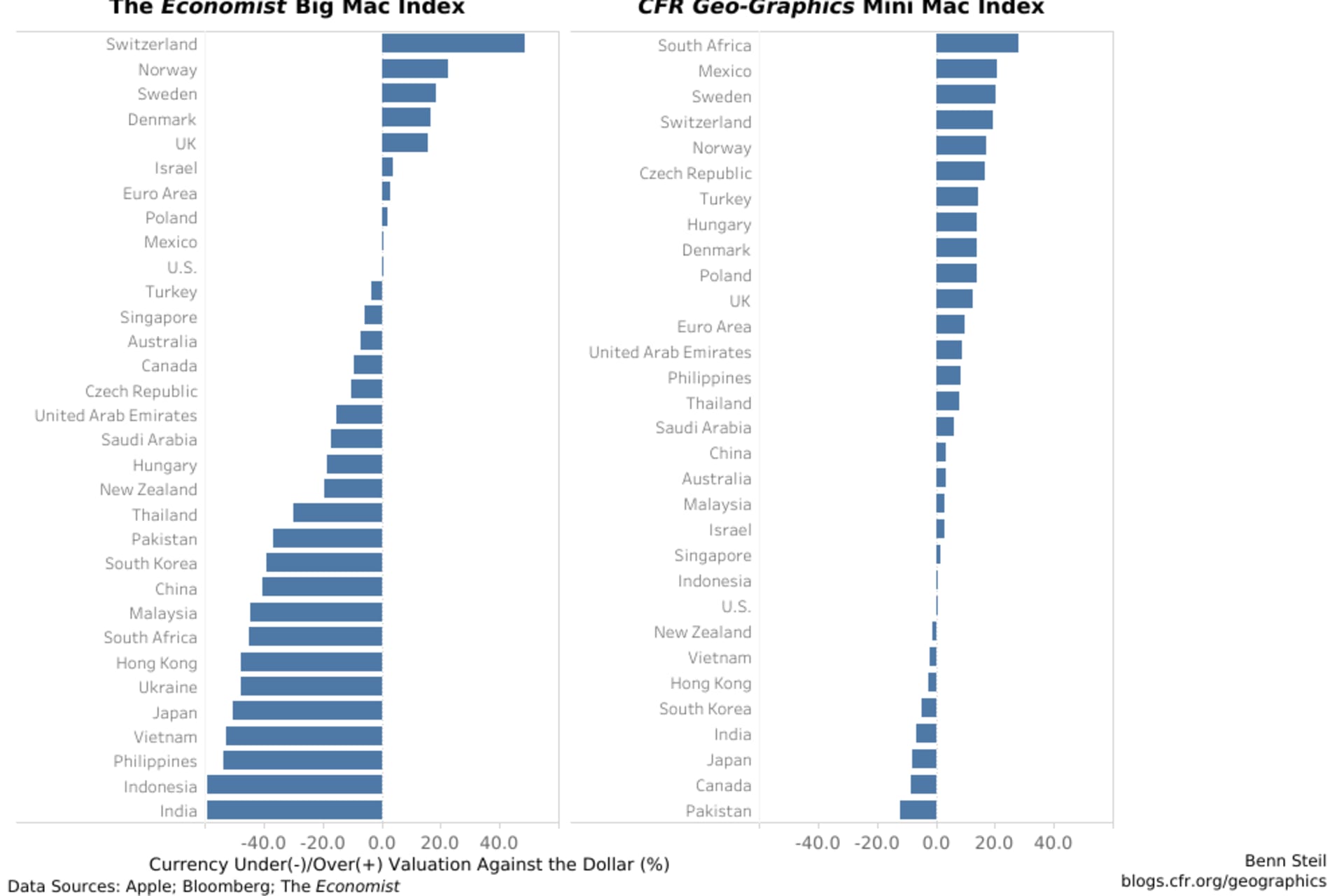
    Dollar Undervalued on CFR Mini Mac Index
    The dollar is slightly undervalued on CFR’s Mini Mac Index. Will Trump’s tariff policies send it soaring?
  • Greenberg Center for Geoeconomic Studies
    The Growth Hit From Trump’s Tariffs
    Trump’s tariffs will hit U.S. growth.  We estimate the impact over time.
  • Greenberg Center for Geoeconomic Studies
    Where Will Trump’s Tariff Revenues Go? His First Term Provides a Big Clue.
    Nearly all of Trump’s first-term China tariff revenue went to compensate American farmers facing retaliatory tariffs. Expect a replay in 2025.