Hauser Symposium: China’s Domestic Evolution
Event date
From Asia Program.
CFR scholars and experts from think tanks and academia examined China’s domestic transformation and how the country’s demographic trends, COVID policies, and economic prowess have affected its rise and sustainability as a global power.
This event was made possible by the generous support of the Hauser Foundation.
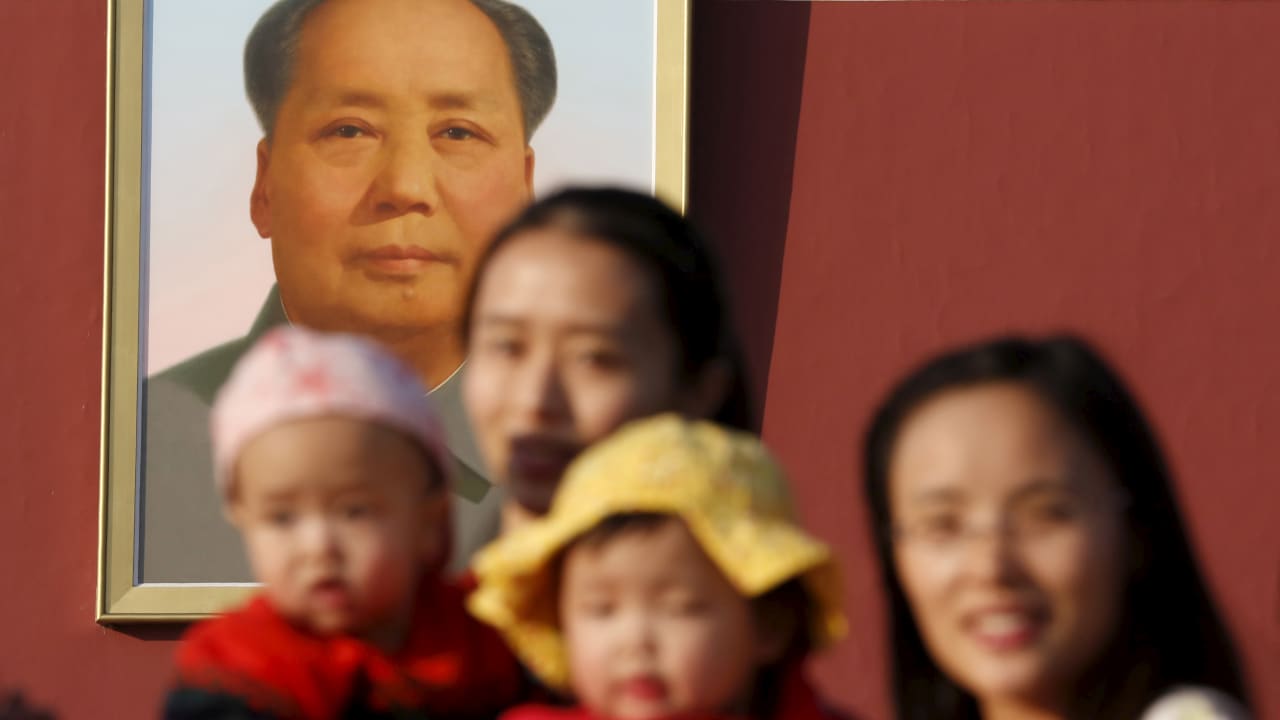
In-Person Session One: Demography as Fate—China’s Aging Population and Declining Birth Rate
Speakers
- Associate Research Fellow, Taiwan Institute of Sociology, Academia Sinica
- Professor of Sociology, University of California, Irvine
- Carl MinznerCFR ExpertSenior Fellow for China Studies, Council on Foreign Relations; Professor of Law, Fordham University; @CarlMinzner
Presider
- Henry Wendt Chair in Political Economy, American Enterprise Institute; CFR Member
Transcript
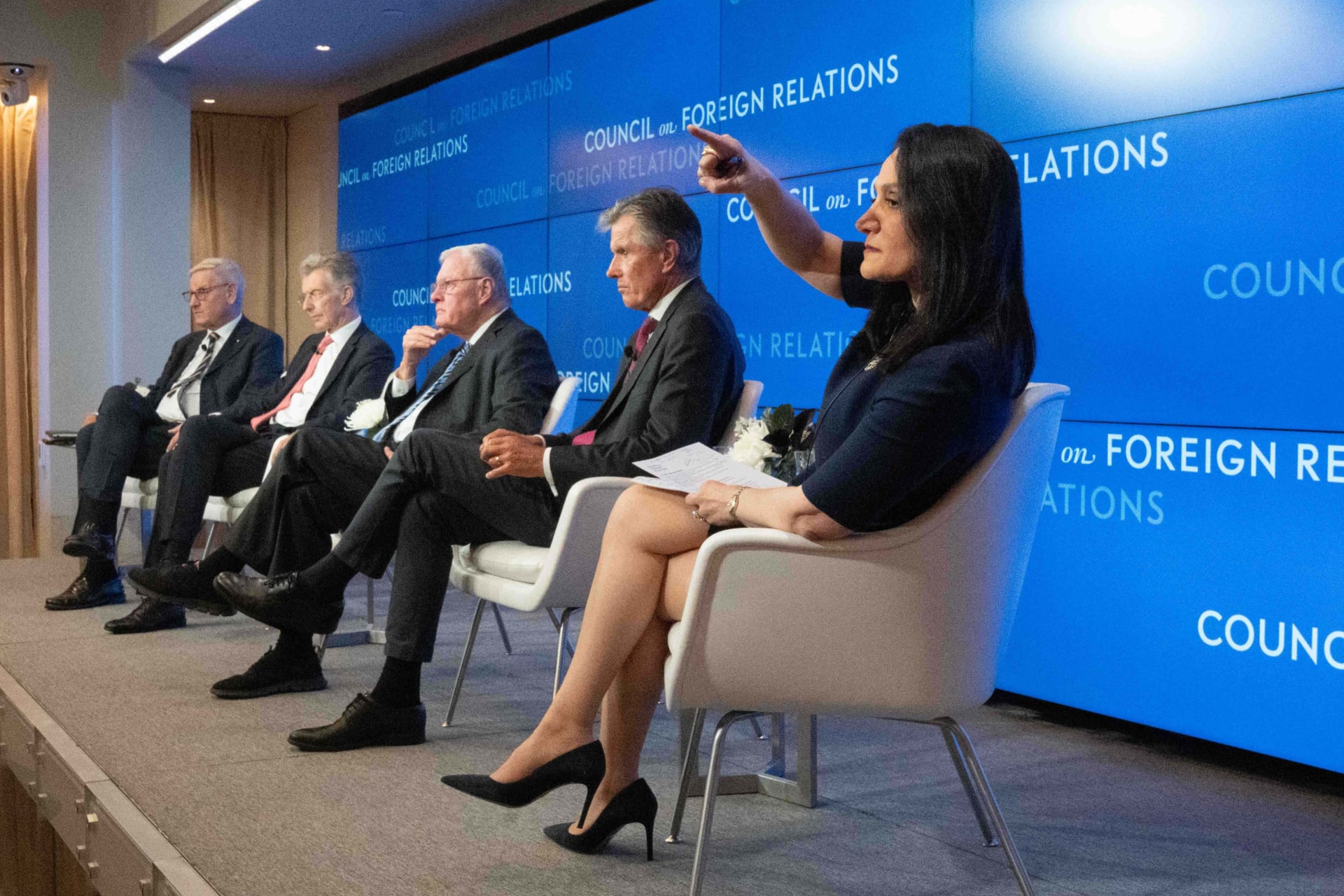
LINDSAY: Greetings, everyone. I am James Lindsay, senior vice president here at the Council. It is my great pleasure on behalf of Richard Haass, the president of the Council on Foreign Relations, to welcome you to this CFR event in the opening session of the Annual Hauser Symposium. Our topic this year is “China’s Domestic Evolution.” We are delighted to be able to host the conference in person, and I want to welcome everybody who is in the room today as well as people who are joining us virtually.
I also would like to thank Rita Hauser, who is with us here today. Rita has supported the Council for many years. (Applause.) And this symposium has been made possible by the generous support and backing of the Hauser Foundation.
We’re going to be having three sessions today. They’re going to look at China’s domestic transformation and how the country’s demographic trends, COVID policies, and economic development are affecting the country’s rise and sustainability as a global power. I’m sure you’ll agree with me these are critical issues today.
What I’d like you to do now is to join me in welcoming the panelists for our first session. Its title is...

In-Person Session Two: The Forever Lockdown—COVID-19 and the Closing of China
Speakers
- Yanzhong HuangCFR ExpertSenior Fellow for Global Health, Council on Foreign Relations; @YanzhongHuang
- Assistant Professor of Political Science, Yale University; Author, The Art of Political Control in China
- Senior Fellow and Codirector of the East Asia Program, and Director of the China Program, Stimson Center
Presider
- John Snow Professor of Epidemiology; Director, Center of Infection and Immunity; Director, NIAID Center for Solutions for ME/CFS, Columbia University; CFR Member
Transcript
LIPKIN: OK. Shall we start? Well, welcome back. I’ve been a member of the Council for all of two weeks—(laughter)—and I’m already pressed into service. And because I’ve not done this before, I’m going to be referring to my notes.
So, first of all, I’m supposed to tell you that everything is on the record. We’re going to try to alternate questions between the panelists and the—and the audience, and our virtual audience as well.
Now, I’ve never met Rita Hauser, but I have to say that you had a great question. It was a question that I wanted to raise, but I couldn’t get, you know, recognized. So I’m glad you did.
So, first of all, let me tell you a little bit about her because I didn’t mention any of this. I hope I don’t embarrass you. So she’s a graduate of Hunter College, but she was a Fulbright Scholar. University of Strasbourg, Harvard, University of Paris, and New York Law schools. As many of you know, she was a delegate to the U.N. Human Rights Commission and a retired senior partner at Stroock Stroock & Lavan, member of the board of CFR, and well-recognized for substantive continuous...

In-Person Session Three: China’s Economic Rise—End of the Road?
Speakers
- Associate Professor of Political Science, University of Michigan; Author, How China Escaped the Poverty Trap and China’s Gilded Age: The Paradox of Economic Boom and Vast Corruption
- Stephen A. Schwarzman Senior Fellow for China Studies, Council on Foreign Relations; @iandenisjohnson
- Helen F. Farnsworth Senior Fellow and Codirector, Stanford Center on China’s Economy and Institutions, Freeman Spogli Institute for International Affairs, Stanford University; Coauthor, Invisible China: How the Urban-Rural Divide Threatens China’s Rise
Presider
- Global Business Columnist and Associate Editor, Financial Times; CFR Member
Transcript
FOROOHAR: Wow. We’re back. Yay. (Laughs.) Oh, this is great.
Well, welcome to the third session, I believe—yes, third session—in today’s CFR Hauser Symposium. This is called “China’s Economic Rise—End of the Road?” which sounds extremely final but I don’t think it will be. (Laughs.) We’ve got some really terrific presenters here.
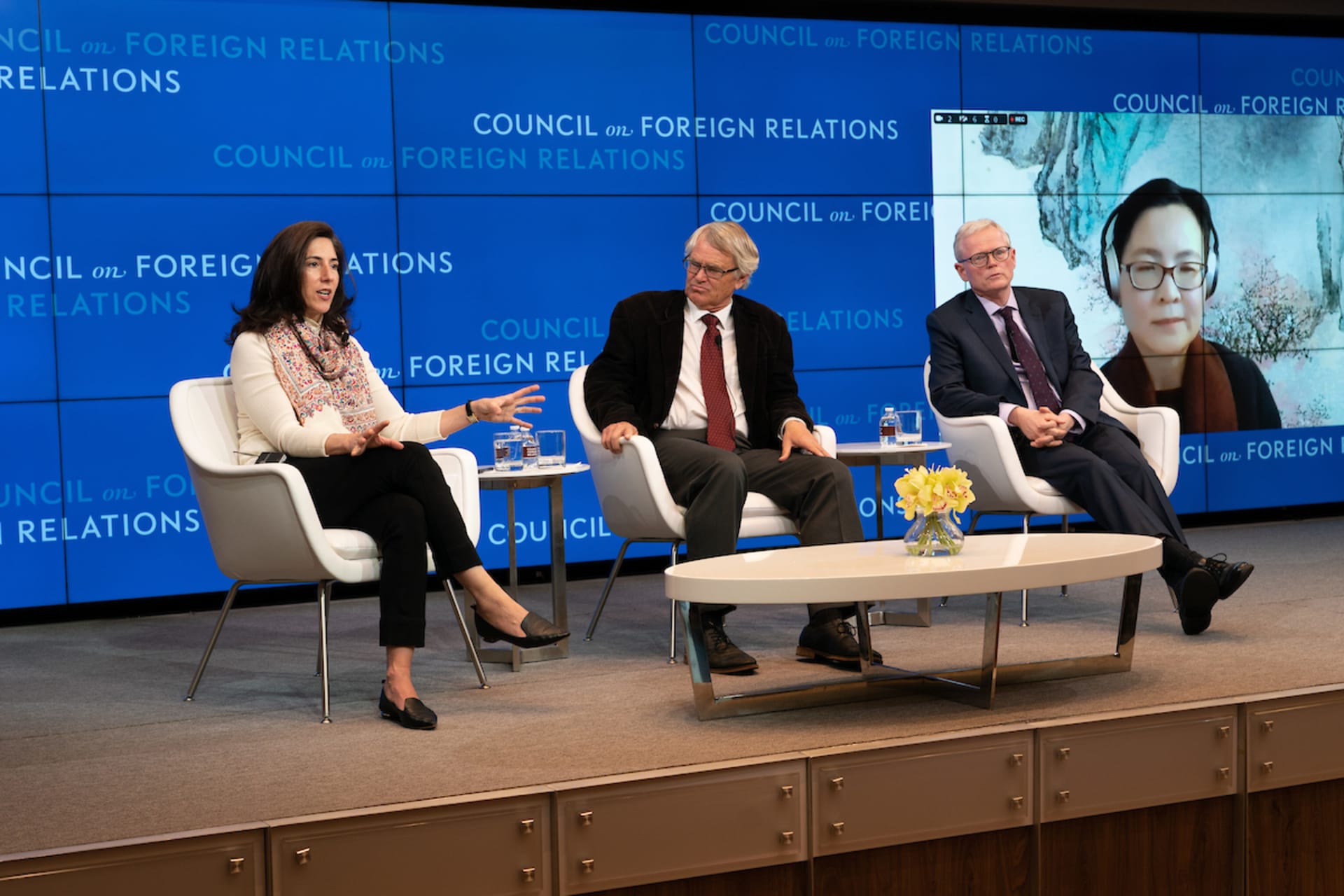
I’m Rana Foroohar. I’m the global business columnist and associate editor at the Financial Times, also a CFR member, and I’m going to be presiding over today’s panel. I just want to quickly remind you this is on the record. And I’m going to introduce our panelists and then we’re going to have about twenty-five minutes of discussion here amongst ourselves and then we’re going to open it up to the floor as usual, both in person and also virtually. I’ll be cued. So, definitely, if you’re out there listening virtually send in all your questions.
So I’ll just start here from my left. We’ve got Scott Rozelle, who is the Helen F. Farnsworth Senior Fellow and coordinator of Stanford Center on China’s Economy and Institutions, author of Invisible China: How the Urban-Rural Divide Threatens China’s Rise, many other things. You’ve got his bio. Thanks for being with...