The October 1973 Yom Kippur War: Fifty Years Later
Event date
From Middle East Program.
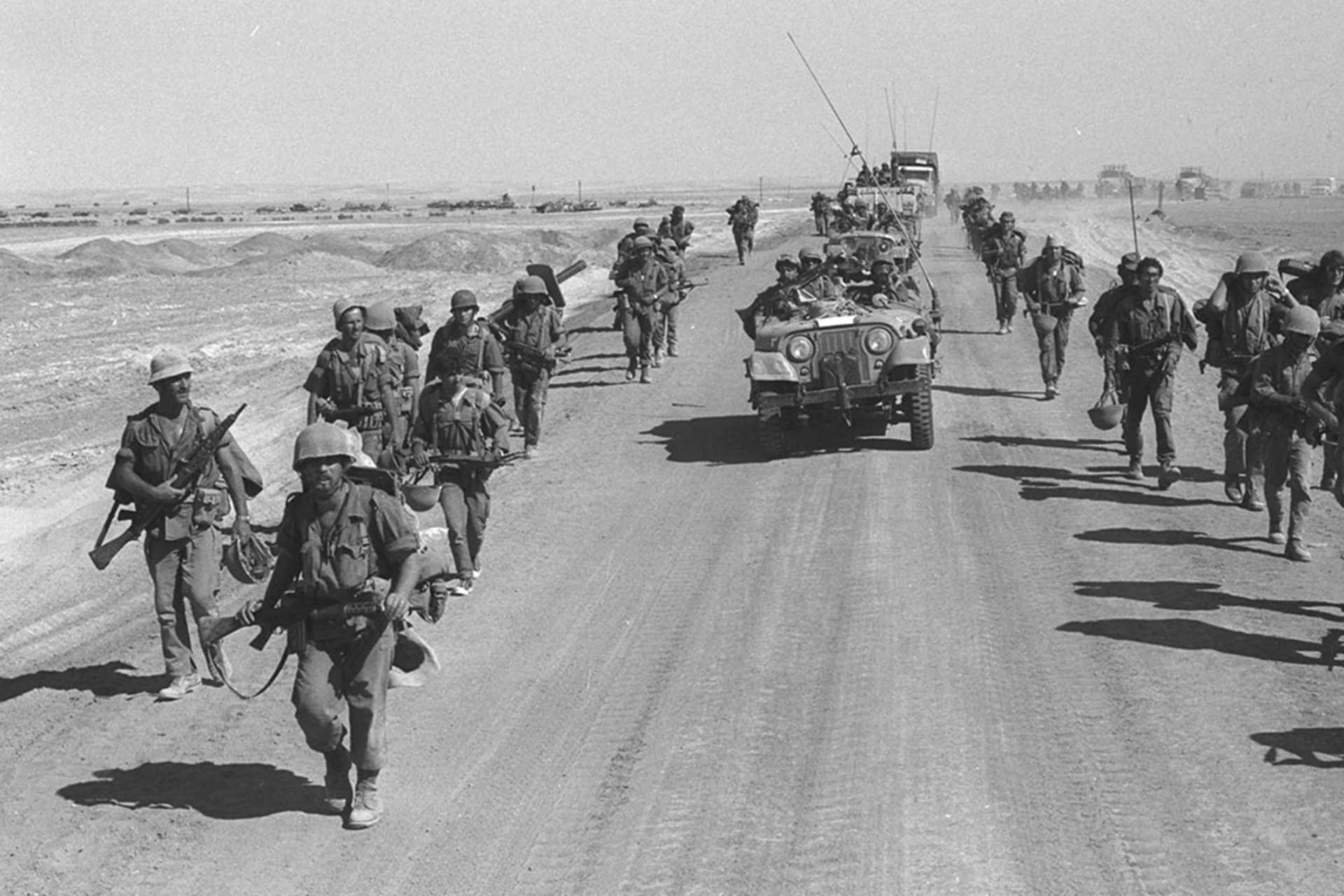
Fifty years ago, on Yom Kippur, October 6, 1973, Egypt and Syria launched surprise attacks on Israel. The resulting conflict sparked an Arab oil embargo, a superpower confrontation, a global recession, and an Arab-Israeli peace process. Its repercussions are still felt today. This joint symposium between CFR and the Institute for National Security Studies (Israel) will bring together American, Israeli, and Arab experts to discuss the war’s lasting impacts on the Middle East and U.S. regional interests. Speakers include Ehud Barak, Henry Kissinger, Nabil Fahmy, Tom Friedman, Dorit Beinisch, and Richard Haass, among many others.
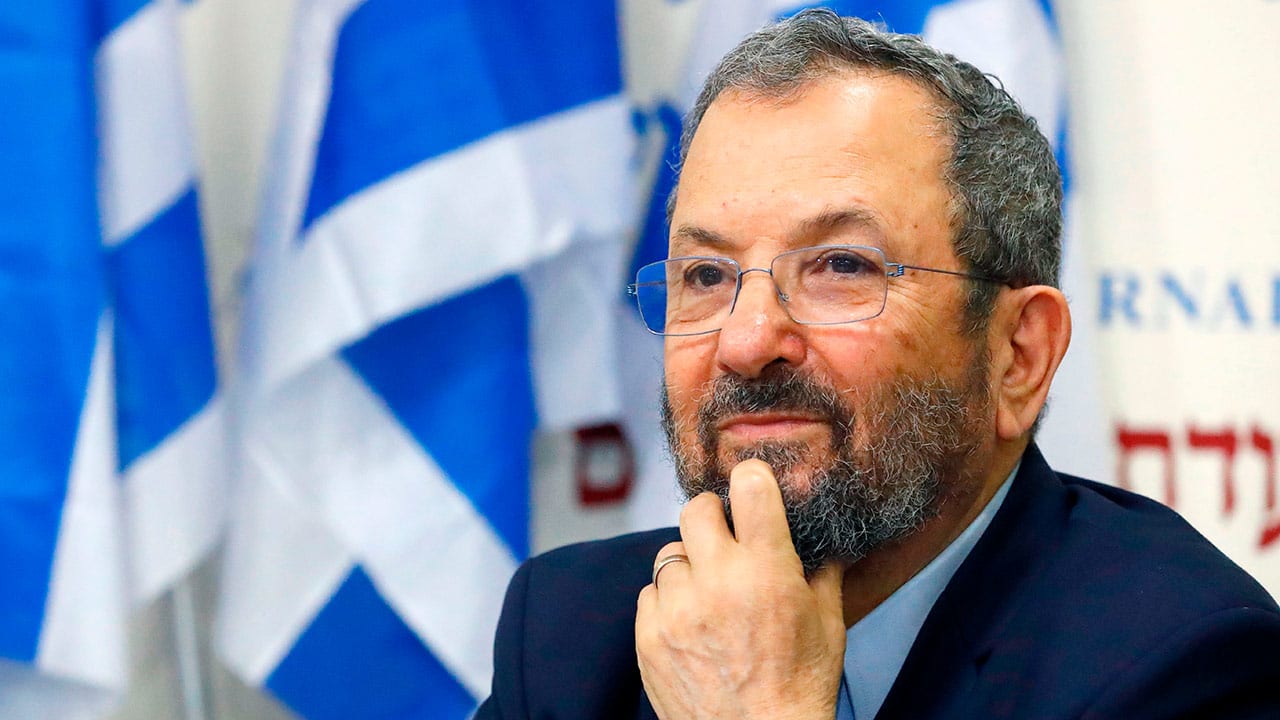
Virtual Session I: Military and Strategic Lessons of the War—A Conversation With Former Israeli Prime Minister Ehud Barak
Transcript
ROSE: Hello, everybody. So welcome to Session I of CFR’s symposium on The October 1973 Yom Kippur War: Fifty Years Later. This session is entitled “Military and Strategic Lessons of the War.” It’s a conversation with one of the great men of our time and former Israeli Prime Minister Ehud Barak.
But I just want to say a little bit about the overall conference before we get to our discussion with the prime minister. The United—the Council on Foreign Relations and Israel’s Institute for National Security Studies have been doing U.S.-Israeli workshops for many years, and for the fiftieth anniversary of the Yom Kippur War we decided to do something special, and so we organized this conference. It’s a tribute to Martin Indyk, our distinguished fellow— Lowy distinguished fellow in U.S.-Middle East relations; along with Manuel Trajtenberg, the president of INSS. And Nancy Bodurtha and the Events team at CFR has been a key partner in all of this.
And the reason we did this was because the ’73 war was a watershed not just for Israel; for the Middle East, for the United States’ diplomacy in the Middle East, and for the world at large. The surprise attack shocked...
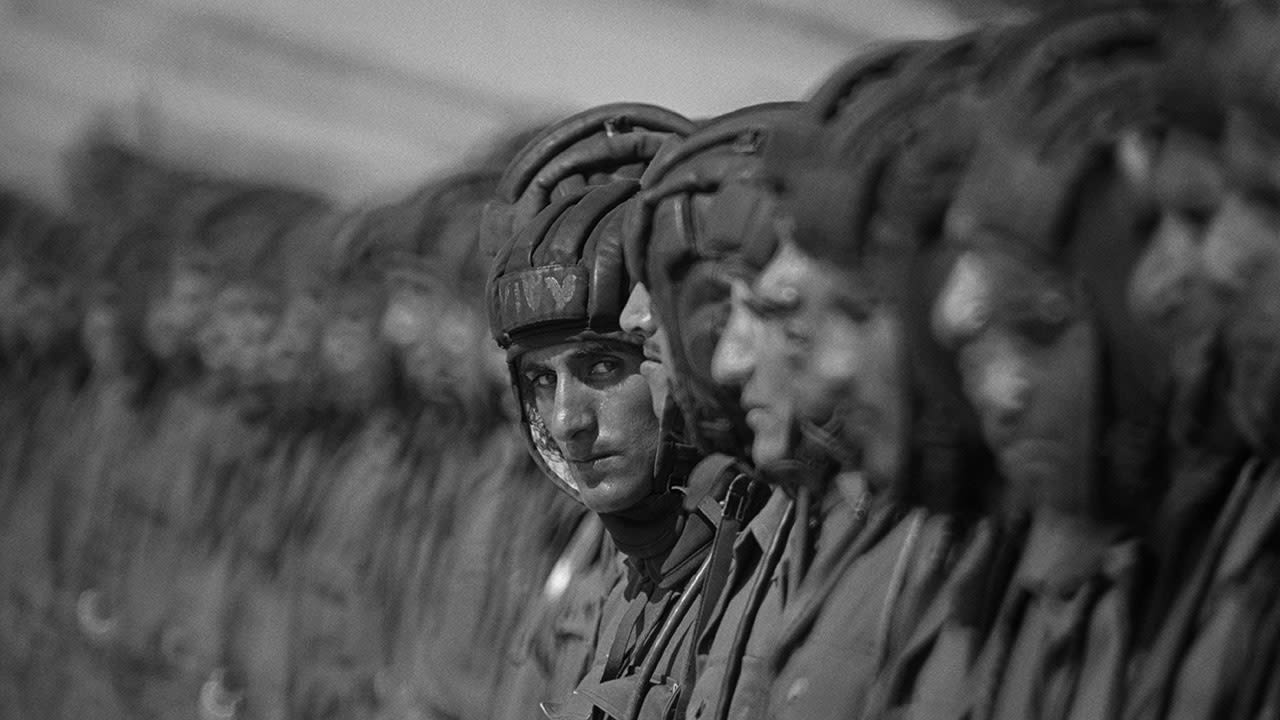
Virtual Session II: The Long Shadow of the War
Transcript
LABOTT: Are we ready? Yeah? Thank you, everybody. That was some session that we started off with, with Ehud Barak, and that really leads us into this next session.
I want to remind everybody that this is on the record on this symposium. And before I introduce the panel, just let’s kind of set the scene.
As Gideon pointed out, while the war itself lasted less than three weeks, the consequences of the Yom Kippur War are still profound today. And the strategic repositioning of the U.S. support for Israel, OPEC’s oil embargo, and ultimately the peace treaty with Israel and Egypt would create a new international dynamic around fracture lines in the Mideast with the U.S. as the dominant peacemaker. How did the U.S. use that opportunity? How did the war impact Israel’s approach to peacemaking? And what was the impact on the Palestinians?
To discuss the war’s long-term consequences and the oil embargo’s impact on regional and global economies, could we have a better panel right here? I am joined by Richard Haass, president emeritus of the Council on Foreign Relations and the author of The Bill of Obligations: The Ten Habits of Good Citizens; Tamir Hayman, managing...
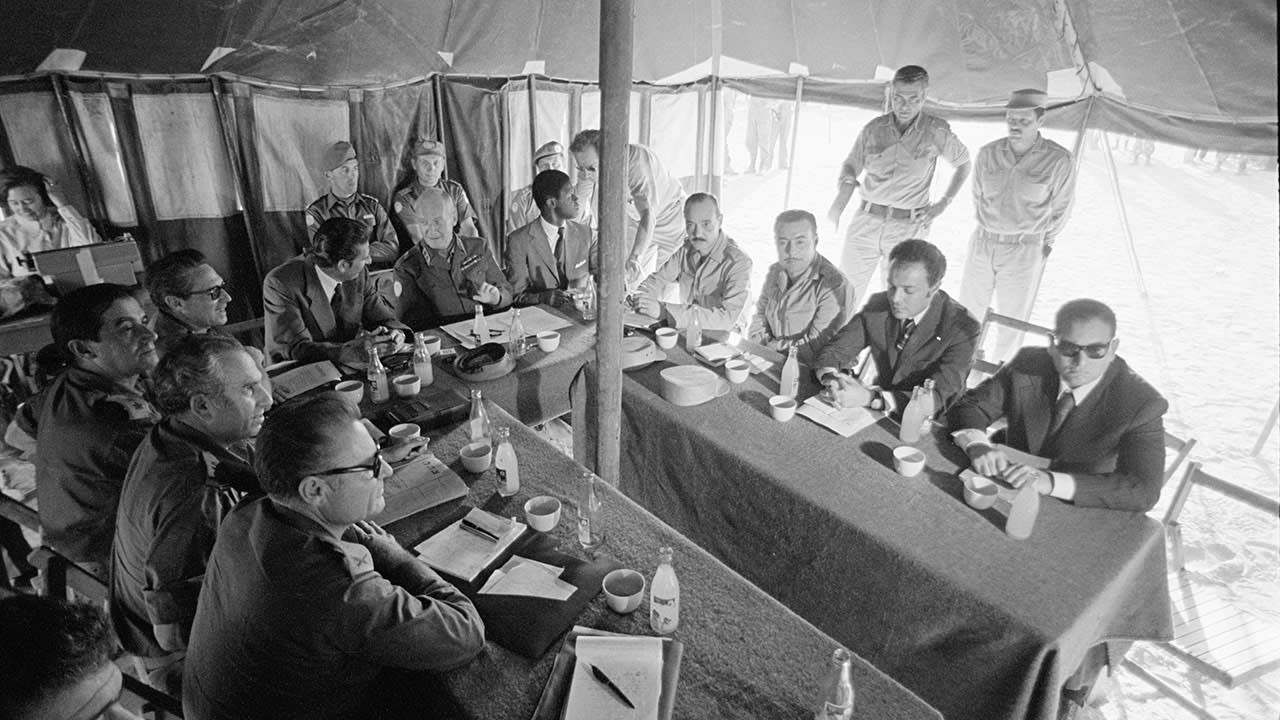
Virtual Session III: Peacemaking Following the War
Transcript
ROBBINS: So welcome to Session Three. Our topic is peacemaking following the 1973 war.
We are joined today by CFR members attending in person in New York and over a hundred and twenty-five attending virtually via Zoom. You have the bios for our speakers, all of whom are well known experts and actors so there are no surprises to you. So I’m just going to give the briefest of introductions.
Speaking virtually, hey, Nabil. It’s so great to see you.
FAHMY: Hi, Carla.
ROBBINS: Nabil Fahmy, dean emeritus.
(As an aside.) Just keep this covered or no? OK.
Dean emeritus, the School of Global Affairs and Public Policy, the American University in Cairo, and, of course, Egypt’s former foreign minister of foreign affairs and ambassador to the United States. Nabil, it’s really great to see you again.
FAHMY: Thank you.
ROBBINS: Also speaking virtually William B. Quandt, Stettinius professor of politics emeritus from the University of Virginia, and author of Peace Process: American Diplomacy and the Arab-Israeli Conflict Since 1967. Dr. Quandt served on the staff of the National Security Council during the Nixon and Carter presidency and was deeply involved in the Camp David negotiations. And, Bill, it’s nice...
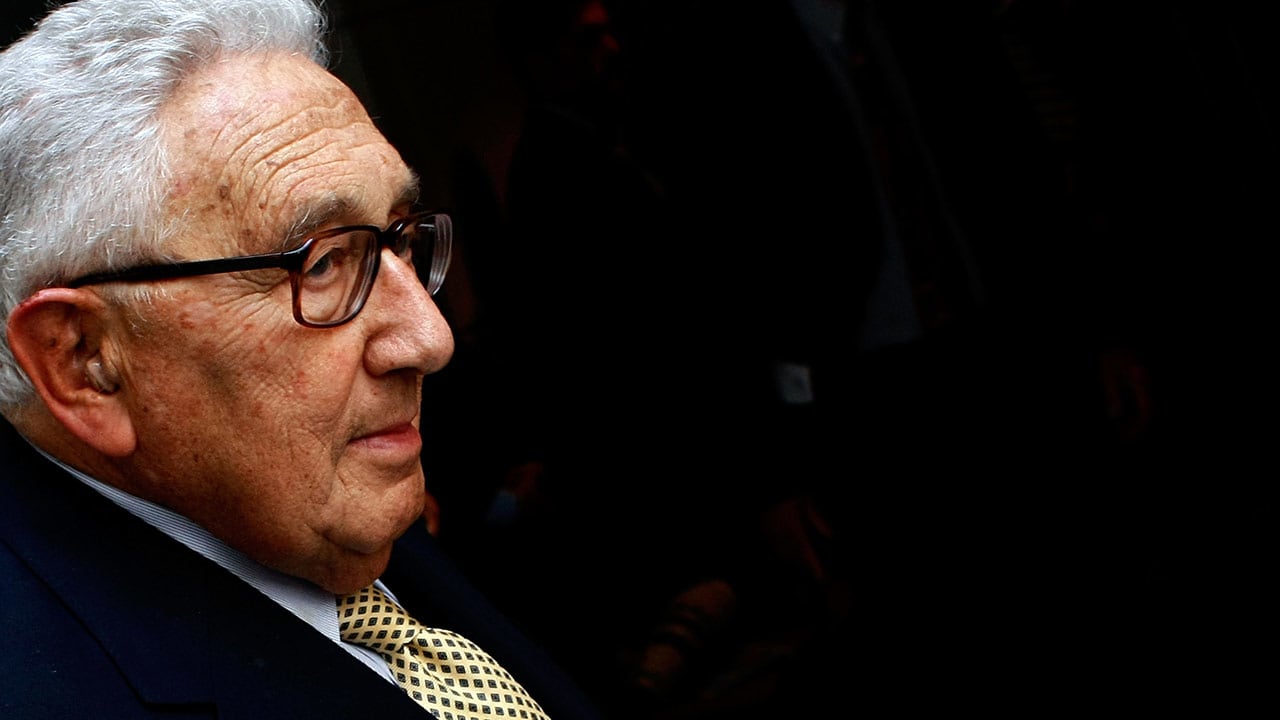
Virtual Session IV: Keynote Conversation With Henry Kissinger
Transcript
INDYK: Good afternoon. Thank you all for joining us. I hate to start by apologizing, but as you can hear my voice cords are not functioning very well at the moment. So I hope you can understand me, between my voice cords and Dr. Kissinger’s German accent, at least we’ll understand each other. I’m not sure about the rest. But let’s give it a try.
Henry, first of all, thank you for agreeing to participate in this discussion today. It is an historic moment, fifty years after the outbreak of war on Yom Kippur in the Middle East. Here you are, in in great form at one hundred years of age, to give us your unique perspective on what I believe was, in many ways, your most important achievement. You know, I’m supposed to give you an introduction—(laughter)—but as I’ve heard you say on other occasions, I don’t need an introduction, but I like one. (Laughter.) So I’ll introduce you simply as the Secretary of State of the United States, on October 6, 1973, when the war in the Middle East broke out.
And that was, I think, a huge achievement, what you did with that opportunity, that crisis. And...
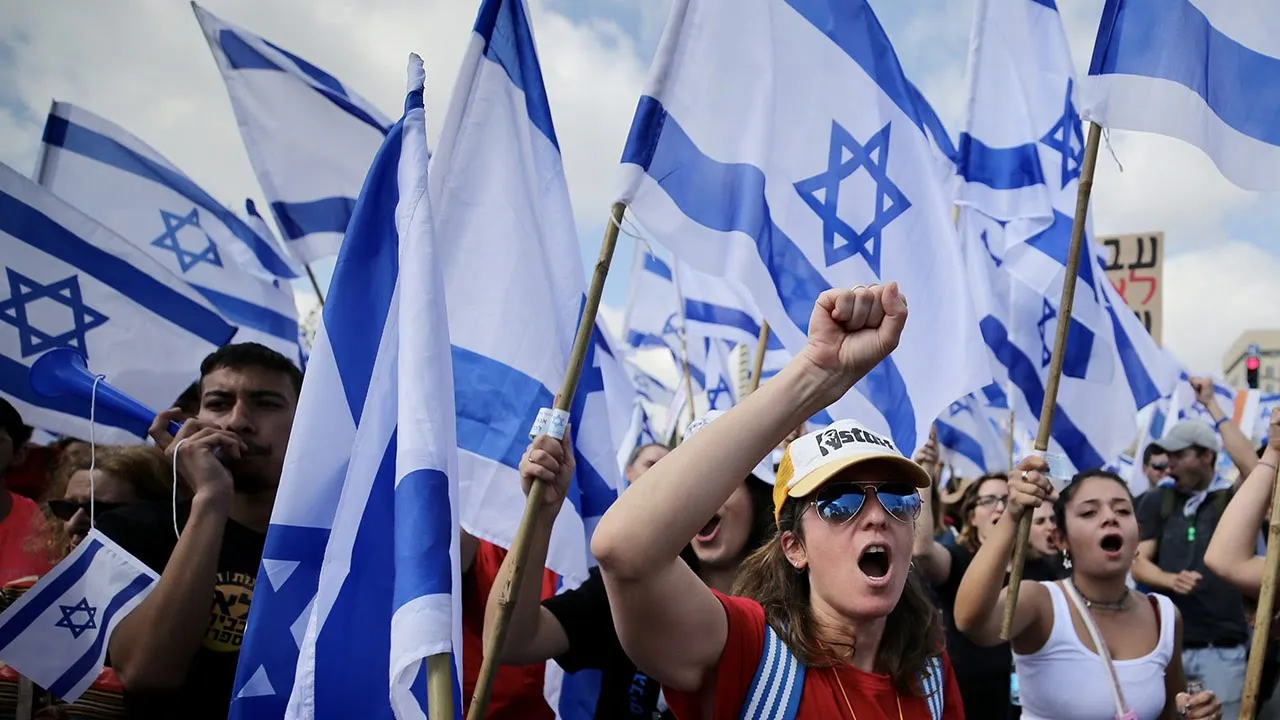
Virtual Session V: The Fallout from Israel’s Internal Crisis
Transcript
MITCHELL: Good afternoon and welcome. Welcome, everyone, and my apologies. I was on the air. And I see a lot of friends here in the audience. It’s good to see you. We were going through New York city traffic. Not as bad as UNGA, but still not great. So apologies to be a little bit late.
I am Andrea Mitchell, NBC News chief foreign affairs correspondent and host of Andrea Mitchell Reports on MSNBC. And I am so pleased to be here with Dorit Beinisch, former president, chief justice of the Supreme Court in Israel. And, of course, my colleague and friend, Tom Friedman, who is, of course, Tom Friedman. (Laughter.) The first—he became the New York Times foreign affairs correspondent—foreign affairs, excuse me, opinion columnist back in 1995, and needs no introduction.
So let me just get right into it. I am so sorry that, anchoring my daily show from 12:00 to 1:00, I missed Dr. Kissinger. So I don’t have the benefit of knowing what he says about the Middle East, which would inform everything that I believe would happen in the Middle East. (Laughs.) But so be it.
Let’s talk about this session on the fallout from...