Making Sense of the “International Community”
- Tod LindbergResearch Fellow, Hoover Institution, Stanford University
Overview
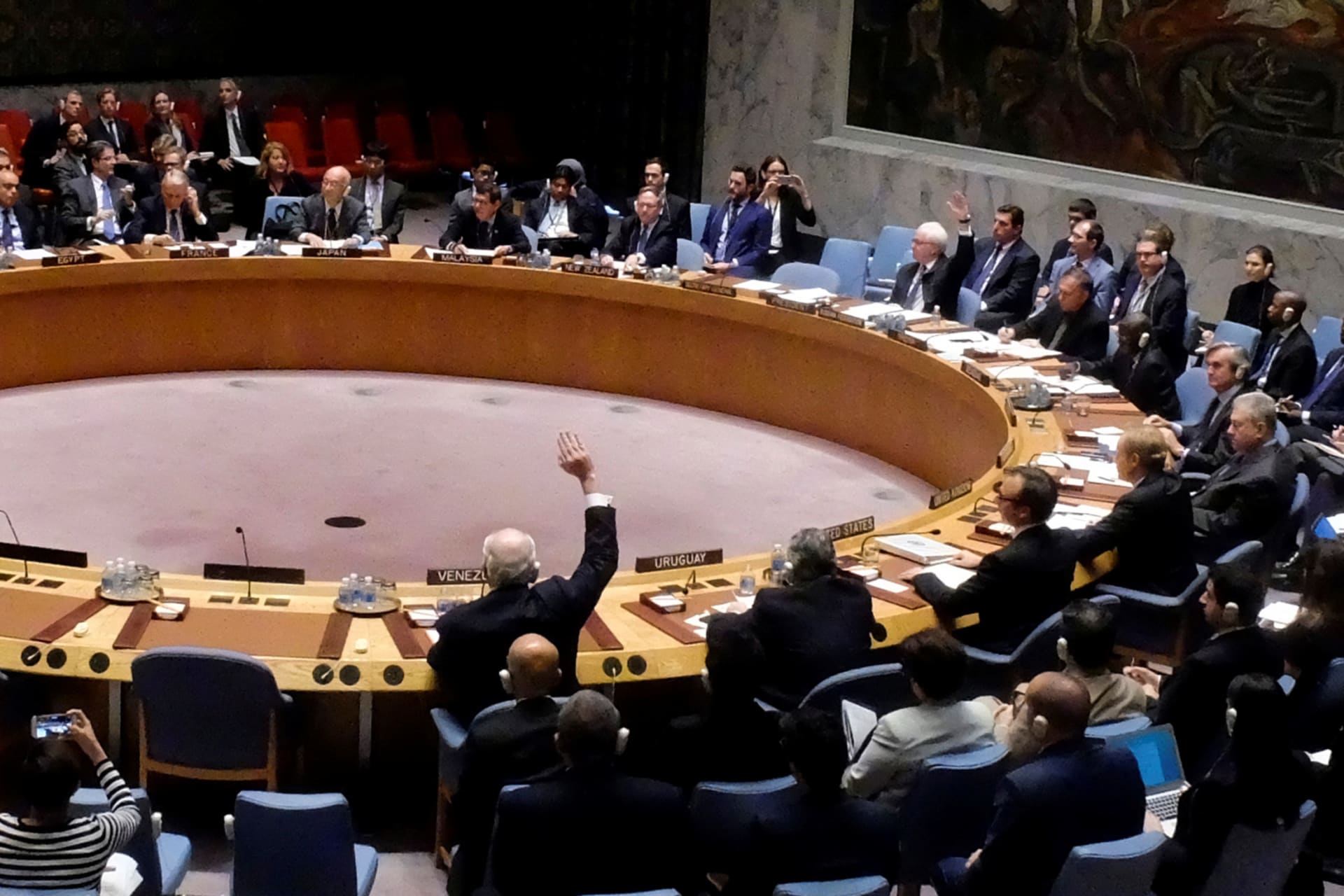
When discourse on global affairs refers to the international community, it often refers to different groupings of international actors. In this International Institutions and Global Governance program Working Paper, Tod Lindberg explores theoretical underpinnings and the historical development of international institutions to define the concept of “international community.” Examining the term through legal, sociological, and critical perspectives, Lindberg argues that the international community represents an intersection of morality and politics in the form of liberal normative ideals played out in global affairs. In practice, the term can and should be used when there is clear consensus on an issue; however, when division exists, the international community risks becoming a polemical phrase.
 Report
 Report
 Report
 Report
 Report
 Report