Asia

Taiwan

Experts in this Region

Rush Doshi Headshot
Rush Doshi

C.V. Starr Senior Fellow for Asia Studies and Director of the China Strategy Initiative

David Sacks

Fellow for Asia Studies

  • China Strategy Initiative
    Reviewing Implementation of the Taiwan Enhanced Resilience Act and Future Opportunities for U.S.-Taiwan Cooperation
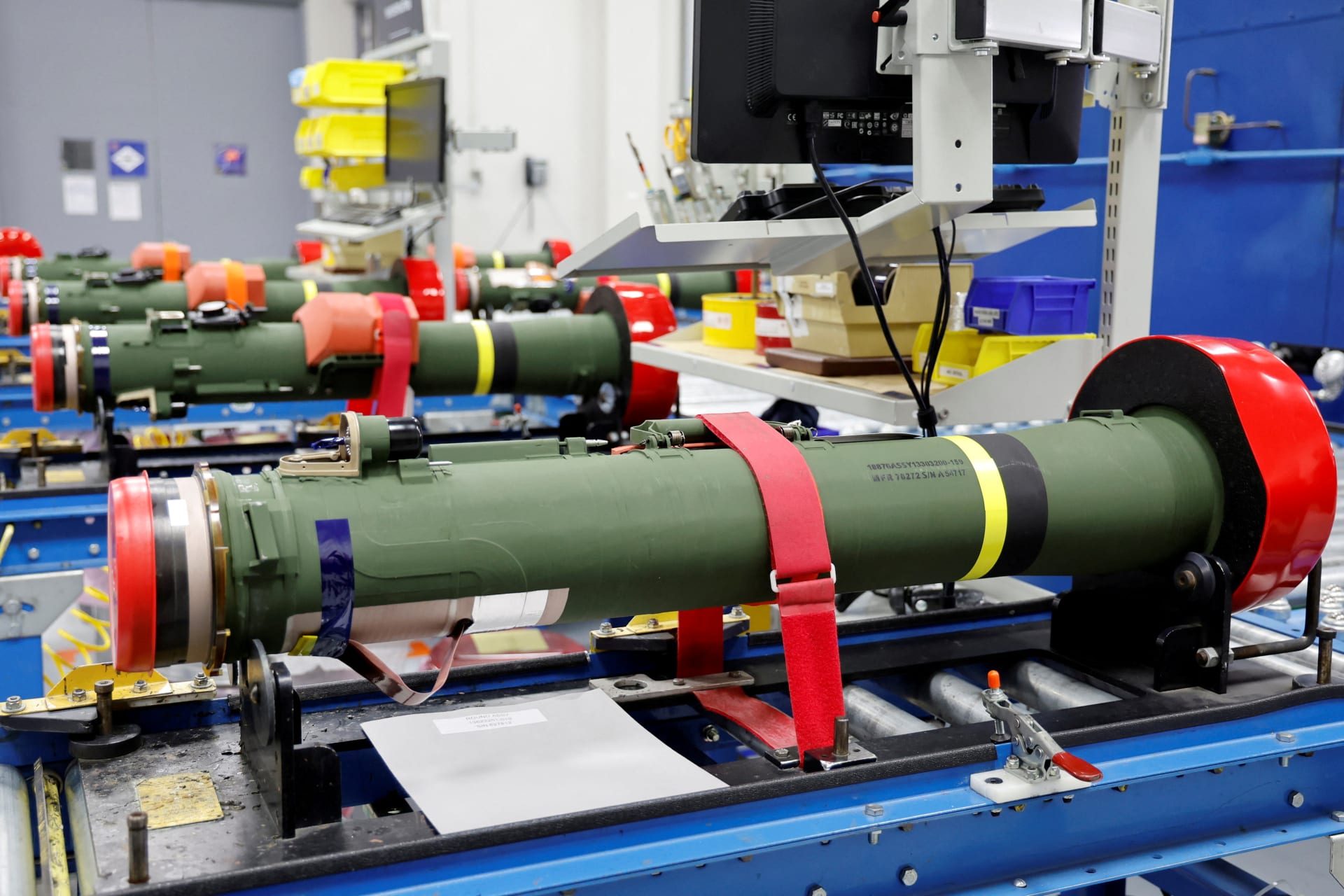
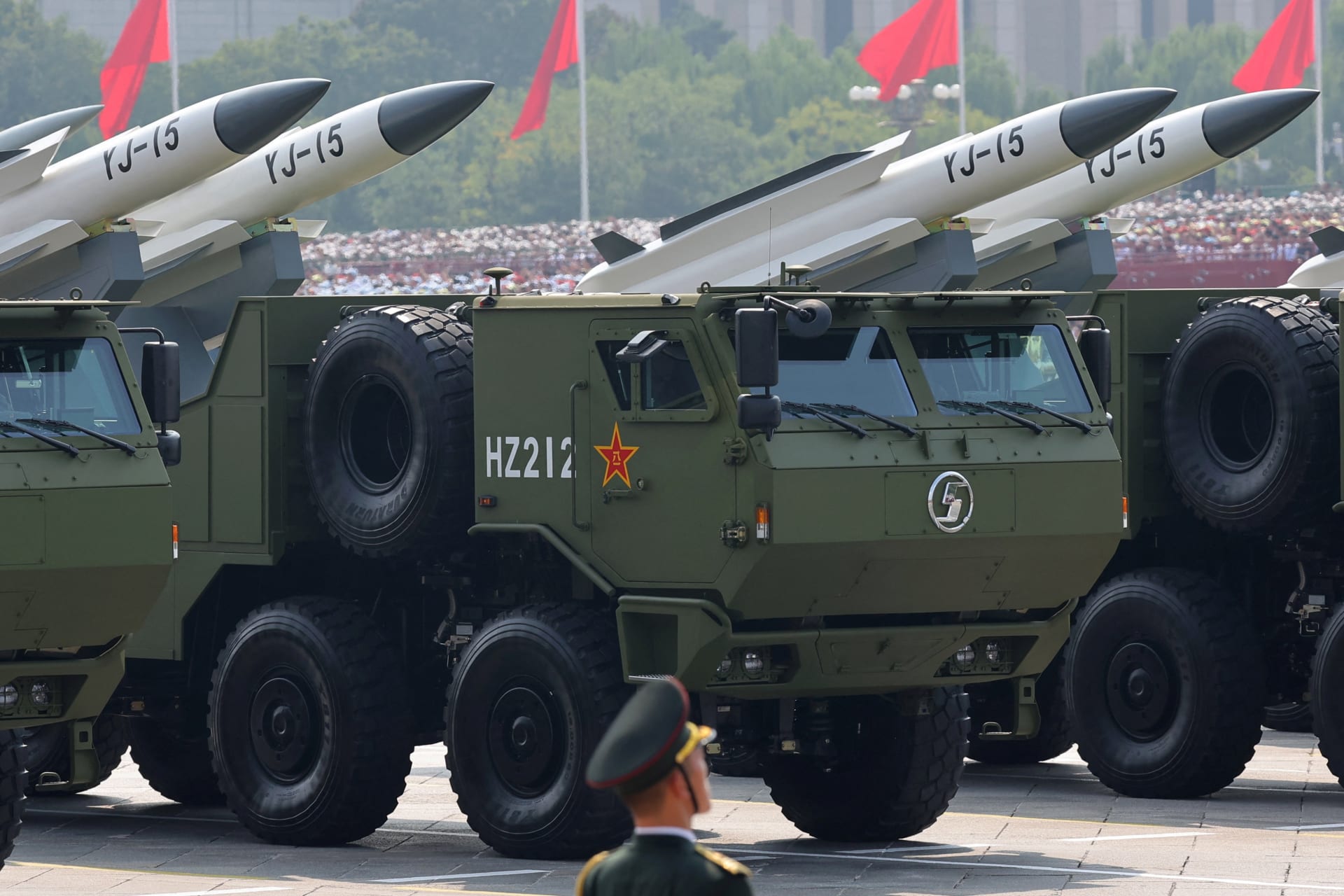
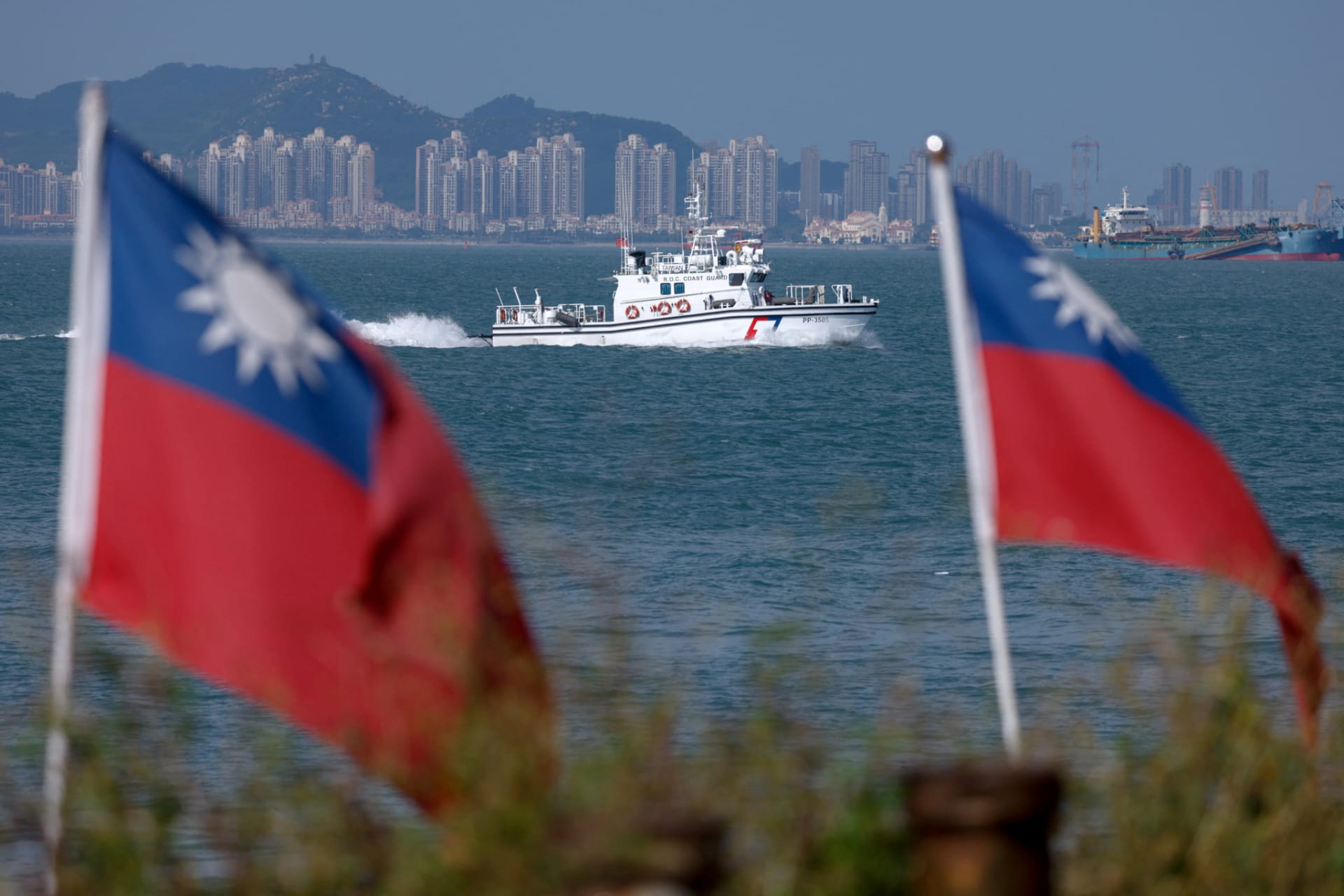
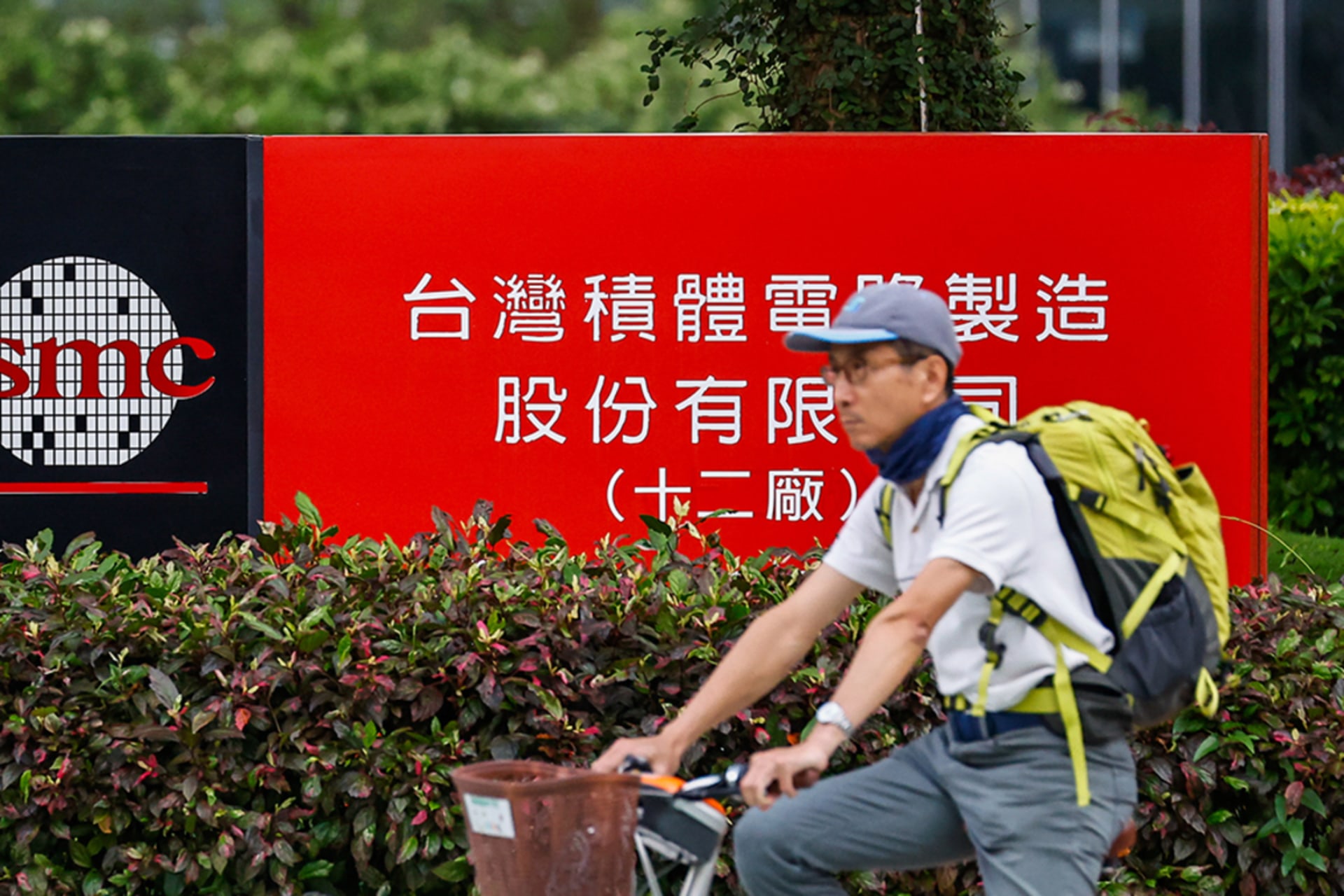
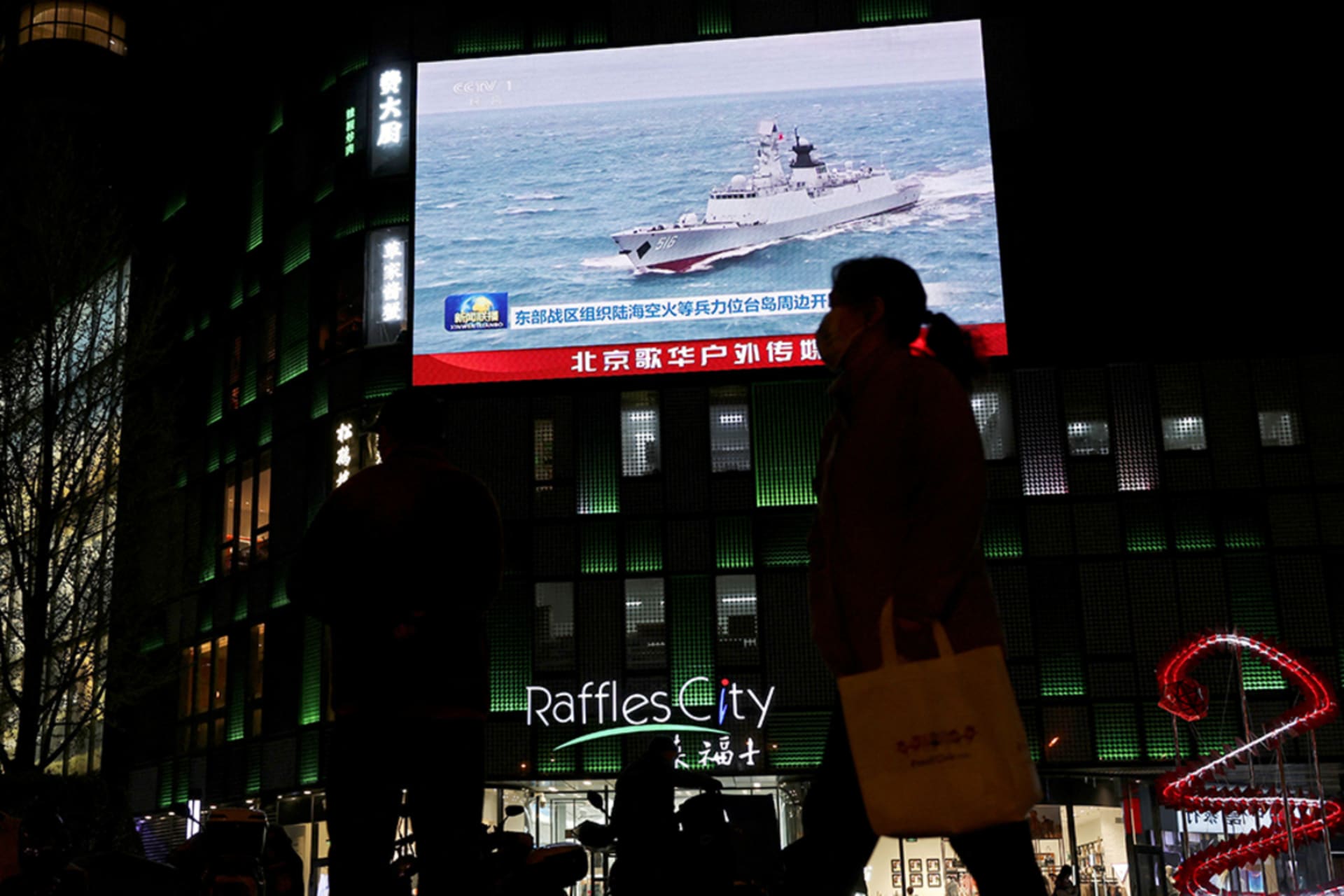
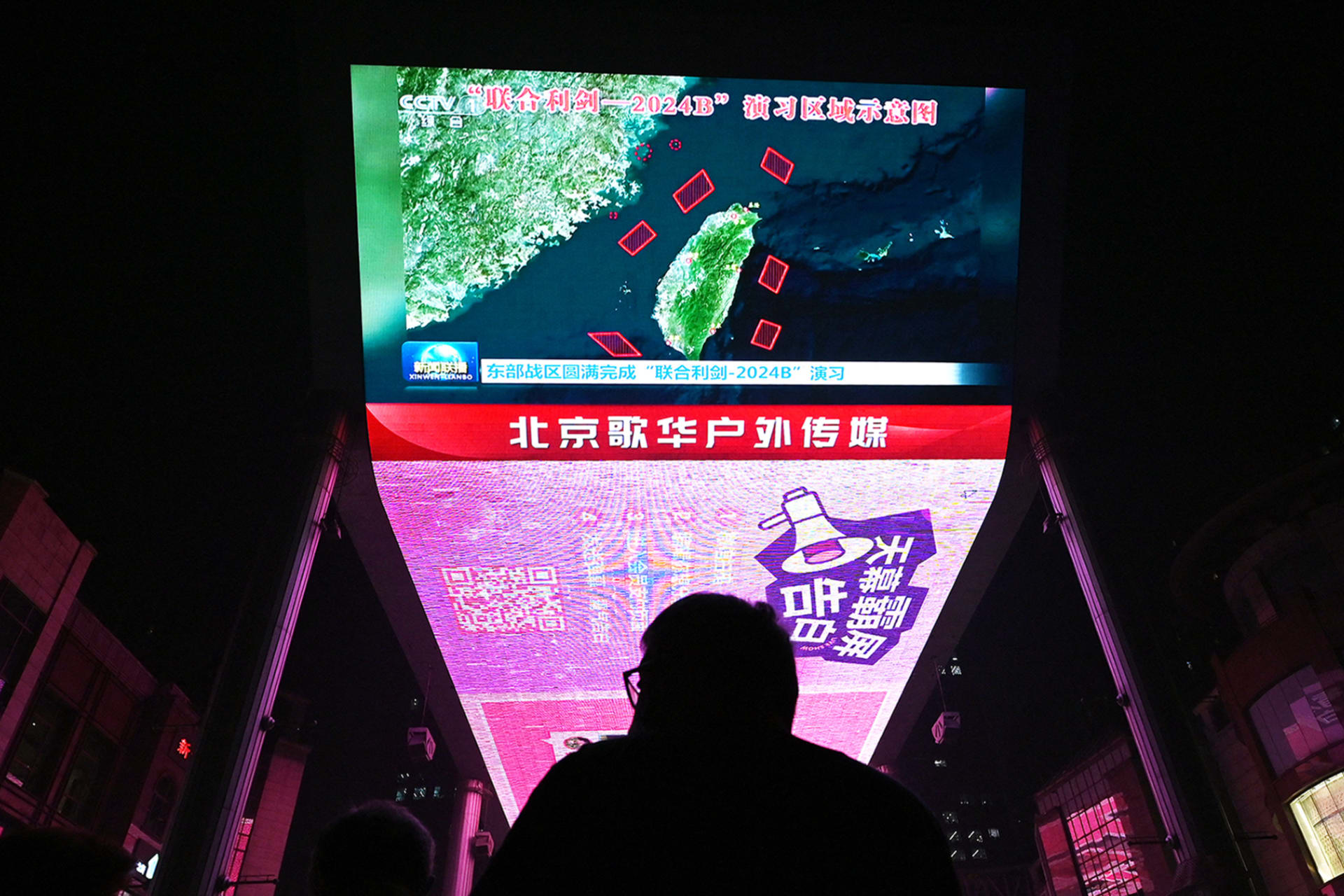
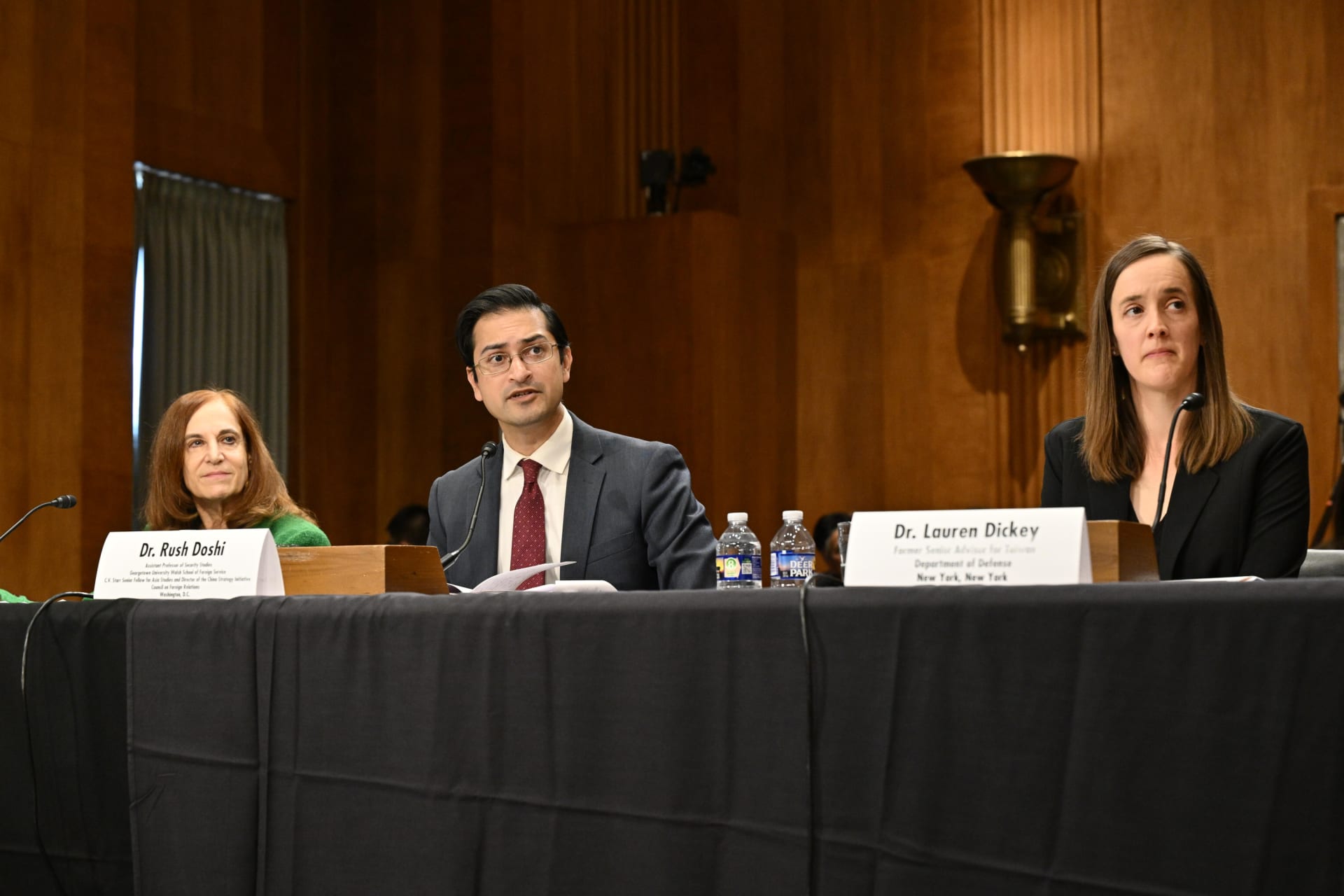
    Dr. Doshi’s remarks to the U.S. Senate Foreign Relations Committee featured four key points: I. The Core Pillars of the U.S. One China Policy and Why Taiwan Matters U.S. policy on Taiwan has been consistent across decades and administrations, with strong bipartisan input and support from Congress. The United States has long been committed to its “one China” policy, which is guided by the Taiwan Relations Act, the three U.S.-China Joint Communiques, and the Six Assurances. There are two significant reasons why Taiwan matters for American policy. First, the global economy would shatter with a Chinese invasion or blockade of Taiwan. According to Bloomberg Economics, a Chinese invasion of Taiwan would cost the global economy $10 trillion—that is 10% of global GDP. Second, if we cannot or will not support Taiwan, then our allies and partners will assume we won’t support them either, and they will accommodate themselves to China’s power. If Asia falls under hegemony, its supply chains, markets, investments in the United States, and industrial cooperation with American companies could fall under China’s veto in ways that close of our best path to reindustrializing America. II. The PRC’s Evolving Strategy Toward Taiwan Beijing wants to seize Taiwan—to end the Chinese Civil War, to secure Xi’s legacy, for geopolitical advantage—and that strategy has two parts. The first part is to break Taiwan’s will through increased incursions into Taiwan’s claimed ADIZ, over 3,000 crossings of the median line that divides the Strait, and encircling the island with over a dozen military vessels. In addition to military pressure, China is using cyber intrusions, lawfare, political warfare, international isolation, disinformation, economic coercion, and a human espionage to weaken Taiwan’s resolve. If that does not work, they’re preparing for war, undertaking the fastest military buildup in modern history. III. Taiwan’s Response to the PRC Taiwan has much to do, but it is not standing still either. They have doubled their defense spending in the last ten years, extended conscription from four months to one year, invested in asymmetric capabilities such as anti-ship cruise missiles, unmanned systems, and short-range air defenses, created a new National Cyber Security Command, and launched a whole-of-society resilience program with Presidential participation that distributes preparedness handbooks to every household. IV.  Steps Washington Should Take There are seven steps Washington can take to strengthen deterrence in the Taiwan Strait. First, Washington needs to balance deterrence and reassurance signals, spending more energy on the security assistance that deters Beijing. Second, Congress needs to bolster Taiwan’s morale at a time of uncertainty. Concluding a long-sought Taiwan Tax Treaty will help, and so will Congressional delegations at a time of reduced executive branch travel. Third, Washington needs to move faster on arms sales by putting Taiwan first in the FMS queue and working around production bottlenecks with appropriations for FMF, PDA, DPA, third-party procurement, and pre-positioned stockpiling. Fourth, Washington needs regular interagency contingency planning for Taiwan scenarios, and Congress can require it. Fifth, Washington needs legislation that creates broad and flexible authorities for sanctions – which for these scenarios we just don’t have. Sixth, the United States needs to prepare for blockade and quarantine scenarios, including by providing maritime insurance to foreign vessels when the market will not provide it to anyone. Seventh, Washington needs to work with allies on contingency planning, economic responses, and deterrence signaling.
  • Peru
    U.S. Trade Policy Sends Geopolitical Ripples Through Pacific Rim
    Five CFR fellows explain how growing concern with U.S. trade policy in certain APEC members—China, Taiwan, Thailand, Chile, and Peru—will affect U.S. economic and security relationships in the region.
  • Taiwan
    Trump’s Trade Policy Feeds Taiwan’s Growing U.S. Skepticism
    Beneath the surface of Taiwan’s pledges to increase U.S. trade ties lies an apprehension about the United States’ ultimate objectives, and what a potential rebalancing of global supply chains would mean for the island’s security.