Fragile States, Fragile Lives
Child Marriage Amid Disaster and Conflict
- Gayle Tzemach LemmonAdjunct Senior Fellow for Women and Foreign Policy
Overview
Existing evidence suggests that the correlation between child marriage prevalence and fragility should be examined more closely, as many of the countries with the highest rates of the practice are found on the top of lists such as the Organization for Economic Cooperation and Development (OECD) list of fragile states and the Fund for Peace’s Failed States Index.
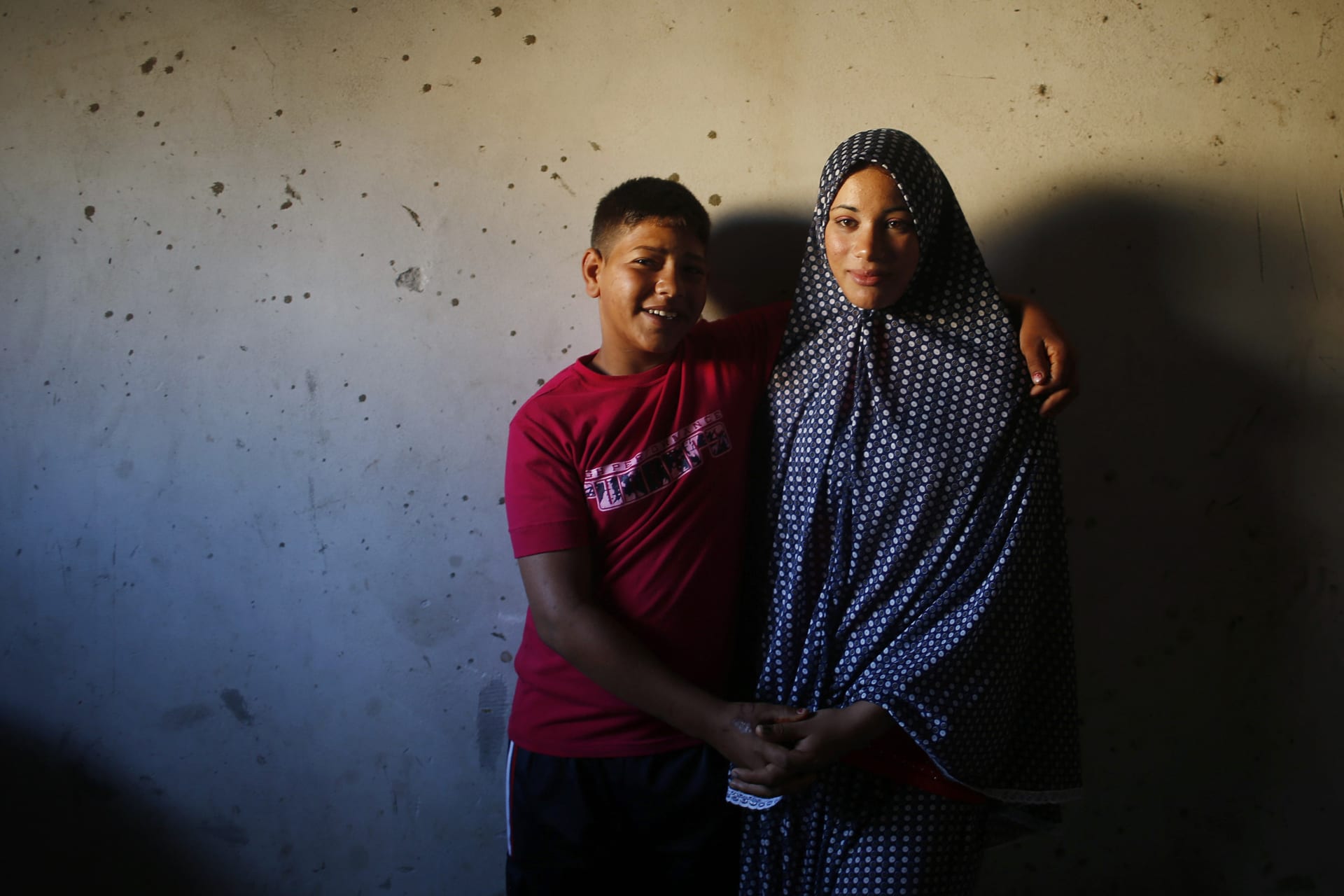
Child marriage does not cause fragile states, but it does reinforce poverty, limit girls’ education, stymie economic progress, and contribute to regional instability. Natural disasters and/or armed conflict limit economic opportunities, weaken social institutions, and increase the chance of sexual violence and assault targeting women and girls. In such circumstances, early marriage becomes a more palatable option for parents and families looking to protect their girls.
But there is a wide gap in data that assesses the degree to which fragile contexts perpetuate child marriage, resulting in a gap in informed intervention. Closing this gap will help produce more effective and targeted interventions to assist the youngest and most at-risk members of communities in crisis, and improve the future prospects of all members of the next generation in some of the most challenging corners of the world.
 Report
 Report
 Report
 Report
 Report
 Report