• Somalia
    Somali Stability Depends on More Than Just Counterterrorism
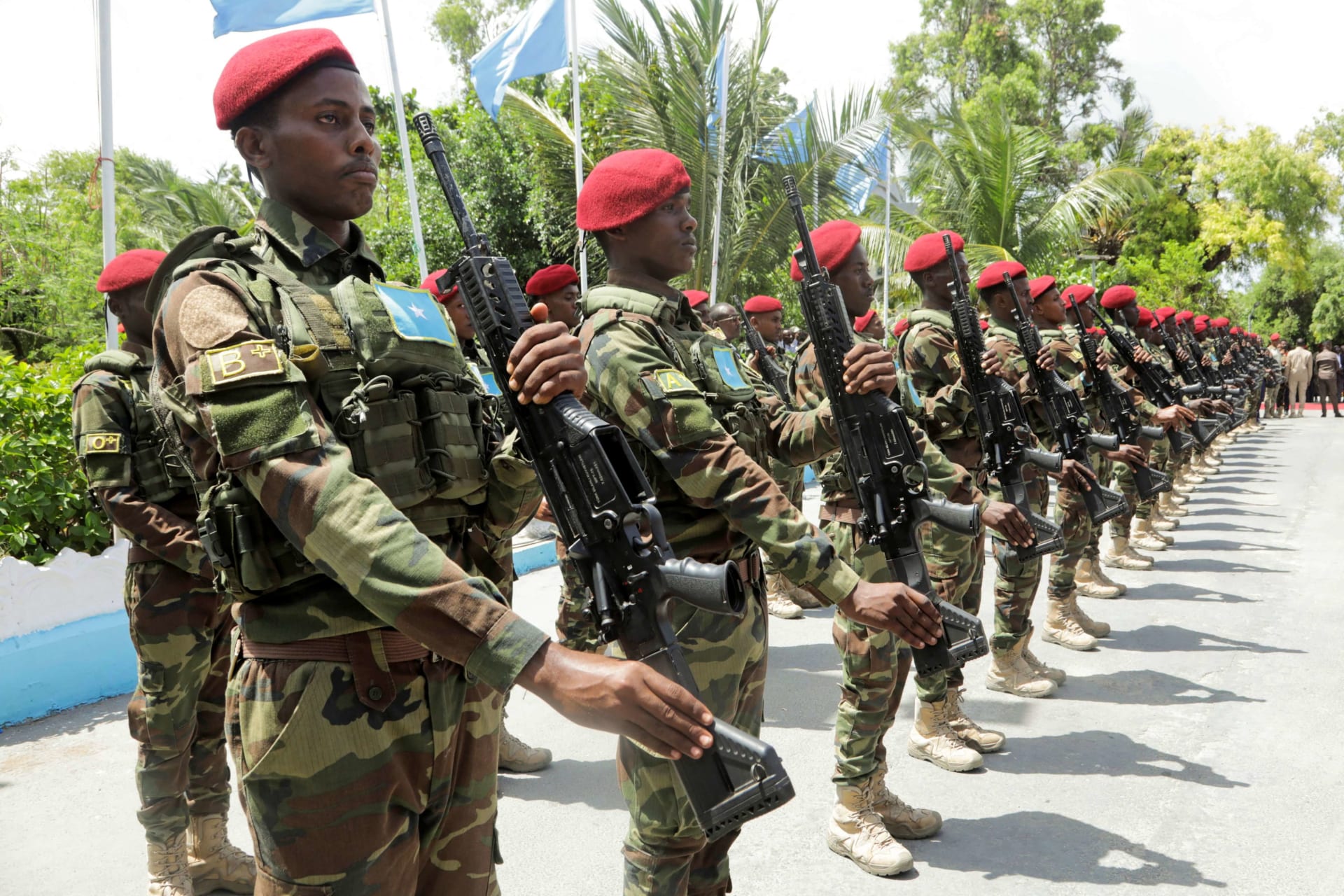
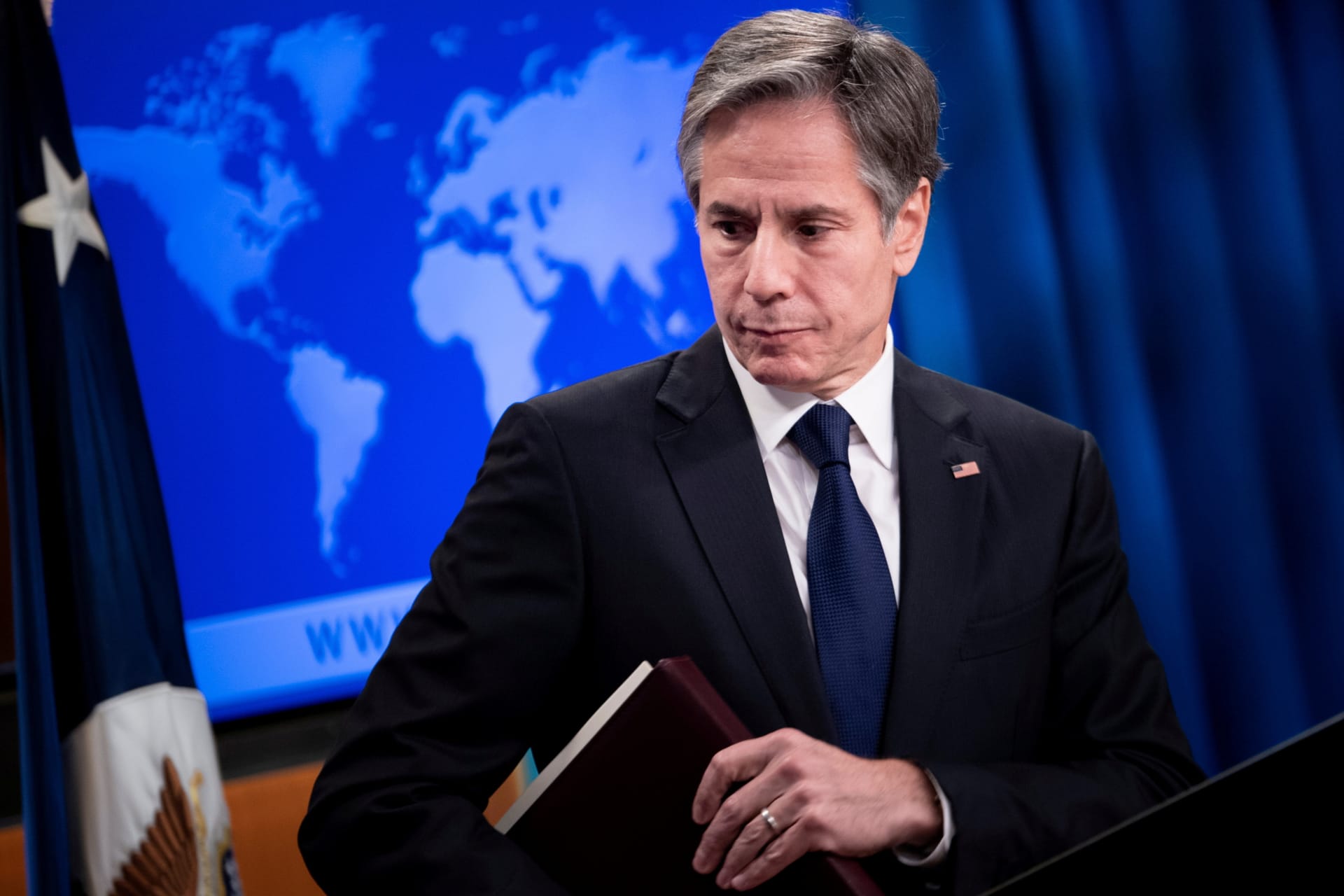
    Among the Trump administration's many eleventh hour decisions that will require quick review by President Biden’s team was the choice to withdraw nearly all U.S. military personnel from Somalia.
  • Radicalization and Extremism
    From Separatism to Salafism: Militancy on the Swahili Coast
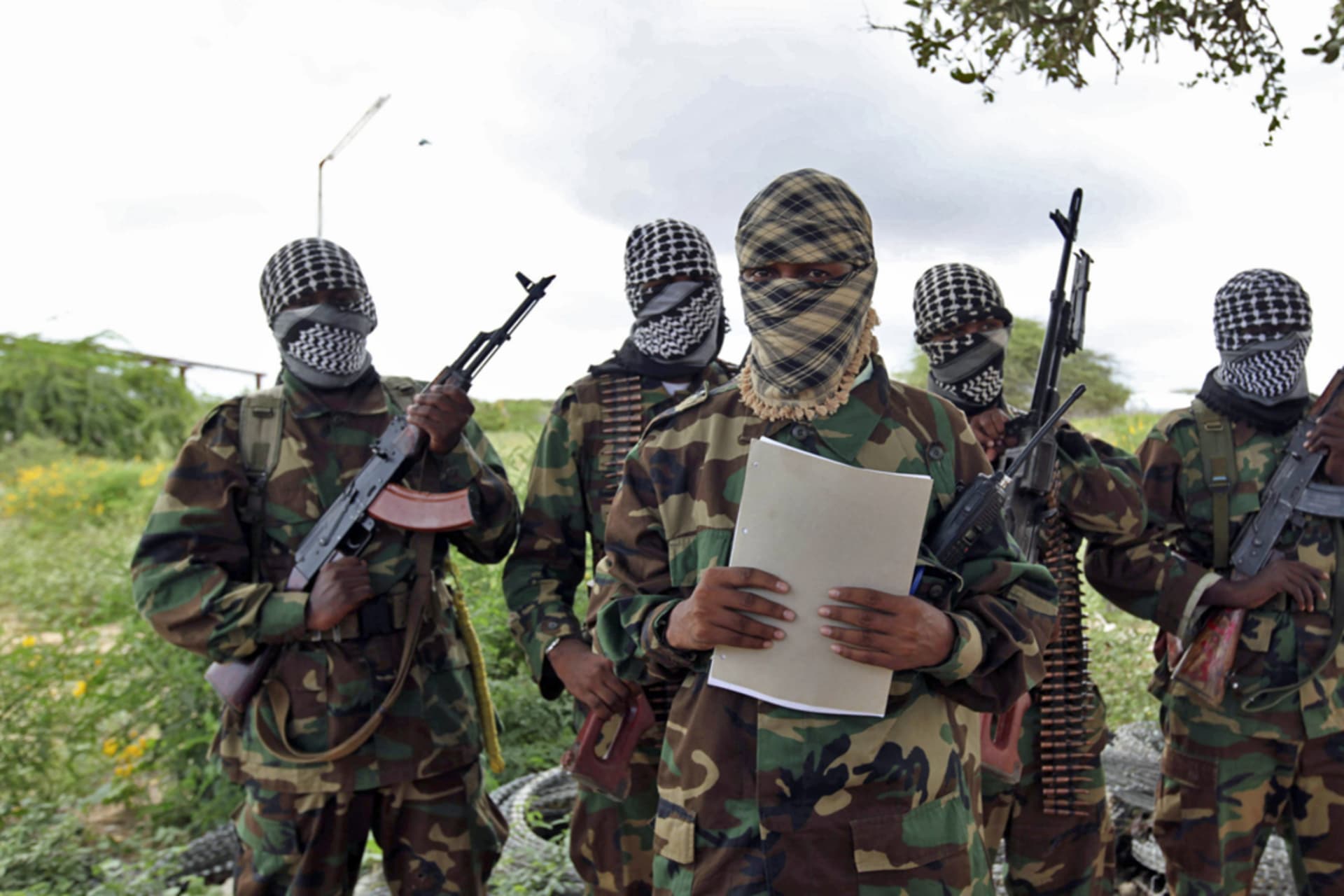
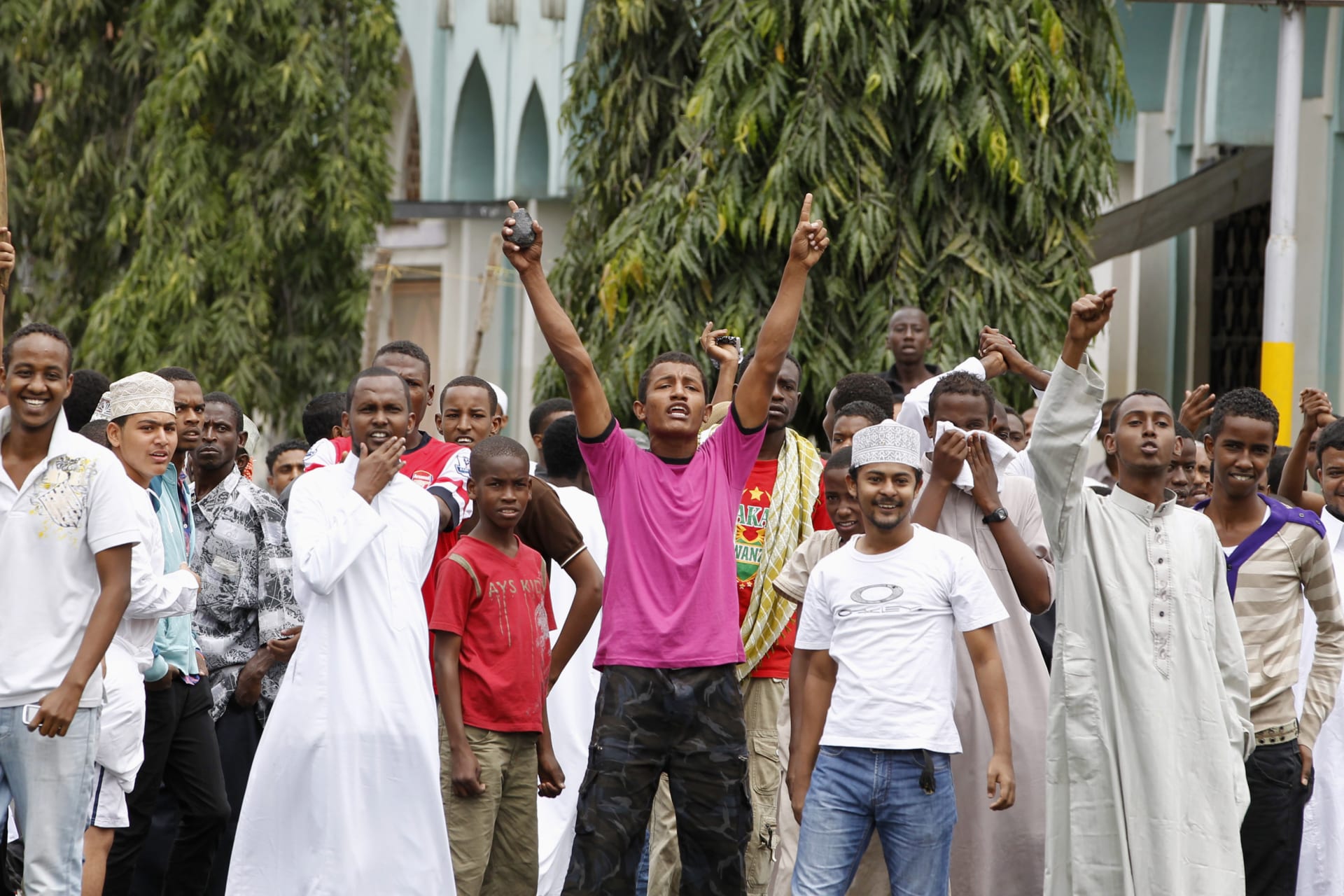
    Nolan Quinn is a research associate for the Council on Foreign Relations’ Africa Program. The revelation that a Kenyan member of al-Shabab was charged with planning a 9/11-style attack on the United States has served to underline the Somali terror group’s enduring presence in East Africa and the region’s continuing relevance to U.S. national security. Shabab has terrorized the northern reaches of the Swahili Coast, which runs from southern Somalia to northern Mozambique, for well over a decade. More recently, a brutal jihadi insurgency has emerged on the Swahili Coast’s southern tip. Ansar al-Sunna (ASWJ), known among other names as Swahili Sunna, ramped up its violent activities in Mozambique’s Cabo Delgado province in 2017 before spreading more recently into Tanzania. The risk of a further rise in jihadism along the Swahili Coast is serious—and growing. The Swahili Coast has long been recognized as having a rich, eclectic culture shaped by interactions with predominantly Arab traders. (Much of the coast once fell under the rule of the Sultan of Oman.) The region has been strongly influenced by Islam, in contrast to the Great Lakes region further west, which is predominantly Christian. Additionally, much of the mainland is dominated by Bantu ethnic groups, while many coastal residents maintain an identity distinct from their continental peers. As in much of Africa, arbitrary borders drawn during the period of European colonialism separate the region, lumping coastal and mainland residents together across several states. The separation of the Swahili Coast laid the foundations for a re-emergence of pre-independence feelings of marginalization. Many coastal residents, who chafe at government institutions and economic policies seen as favoring Christians and wabara (“people of the mainland”), have called for decentralization of power and even secession from their respective states. Separatist fervor—particularly strong in the Mombasa-Zanzibar corridor—has been stoked by groups such as the Mombasa Republican Council (MRC) and Uamsho (“awakening” in Kiswahili). While both have been defunct or dormant following crackdowns on their leadership, a purported effort to reinvigorate the MRC—already met with a spate of arrests by Kenyan police—illustrates that discontent is still very much present along the coast. In this context, the growing popularity of Salafist ideology in East Africa is worrying. The trend, facilitated by the historical exchange of people and ideas with other littoral states in Africa and the Middle East, has resulted in the displacement of the tolerant, Sufi-inspired Islam that has long been predominant on the Swahili Coast. Salafis’ strict textualist approach raises several objections to Sufism that have been used to motivate attacks by ASWJ in northern Mozambique [PDF] and al-Shabab in Somalia. Less violent—but still occasionally violent—Sufi-Salafi competition has also been on the rise in Tanzania. Several factors suggest that disgruntled wapwani (“people of the coast”), especially youth, are at increased risk of Salafi radicalization. To start, unemployment is widespread on the coast. Joblessness is concentrated among youth and the well-educated—the demographics that have most enthusiastically subscribed to Salafist teachings globally. In Cabo Delgado, ASWJ fighters have clashed with Sufi elders seen as heretical by the Salafi-jihadi group. Yet financial rewards [PDF], such as small loans to start a business or pay bride prices, also appear to be important recruitment incentives. While al-Shabab and ASWJ have gained international notoriety for their insurgent activities, allied groups focusing on youth recruitment in East Africa play a sinister role in enabling their success. Islamist groups such as the Muslim Youth Centre (MYC)—later renamed al-Hijra—in Kenya and the Ansaar Muslim Youth Center (AMYC) in Tanzania have both sent fighters to Somalia and offered refuge [PDF] to returning jihadis. And in Tanga—the coastal region of Tanzania where AMYC was founded and reports [PDF] of small-scale attacks by Islamists have occasionally surfaced—police have in the past uncovered Shabab-linked child indoctrination camps. Swahili’s function as a lingua franca in East Africa is also helping Islamist groups grow in the region. MYC leader Aboud Rogo Mohammed, a radical Kenyan imam who was sanctioned by the United Nations for his support of al-Shabab, targeted Swahili speakers with his repeated calls for the formation of a caliphate in East Africa. Tapes of Rogo preaching in Swahili allowed disaffected youth in Cabo Delgado—many of whom speak Swahili but have a weak or no understanding of Arabic—to access extremist viewpoints, accelerating their radicalization. The jihadis now take advantage of Cabo Delgado’s linguistic, cultural, and business links to coastal communities—in Tanzania in particular—to recruit and expand ASWJ’s operations. Meanwhile, al-Shabab and the Islamic State group, to which ASWJ has been formally aligned since June 2019, utilize Swahili in original and translated media publications. Many of the responses to such activities have been counterproductive. Between 2012 and 2014, Rogo and two of his successors were killed in three separate, extrajudicial shootings blamed on Kenyan police. The killings caused riots in Mombasa, and Rogo’s posthumous influence points to the futility of a “whack-a-mole” approach that tries to silence firebrands. Several mosques and homes in Mombasa were also controversially raided, with hundreds arrested. Yet according to the International Crisis Group (ICG), a shift in strategy since 2015 from heavy-handed policing to community outreach has successfully reduced jihadi recruitment along the Kenyan coast. Tanzania and Mozambique, however, appear to be repeating Kenyan mistakes. The overly militarized response to ASWJ has failed to quell a fast-intensifying insurgency. And in Zanzibar, where some researchers have argued electoral competition has forestalled Salafis’ embrace of jihadism—despite Uamsho’s evolution from religious charity to secessionist movement to nascent militant Islamist group—worsening repression and the ongoing detention of Uamsho leaders ensure the situation remains volatile. Even mainland Tanzania, seen as more pacific than Zanzibar, has seen a recent uptick [PDF] in terrorist violence; Tanzanian security forces, according to ICG, have responded with arbitrary arrests and forced disappearances of coastal Muslims. The threat of rising support for Islamist militancy in East Africa should not take away from efforts to address calls for secession: separatist movements can, of course, turn violent. However, in areas where separatism is rife, ham-fisted clampdowns on Muslim preachers and their followers risk strengthening radicals’ hand. As UN Secretary-General Antonio Guterres—speaking in Nairobi—warned, the “final tipping point” to radicalism is often state-led violence and abuse of power. A shift from separatism to endemic radical Salafism would re-frame narratives of coastal exclusion along more explicitly religious lines, causing new problems for governments. While calls for autonomy and independence draw strongly on questions of identity, they remain political—and therefore open to conversation and compromise. A growing Islamist movement, meanwhile, would recast such debates in rigid, ideological terms, thus giving rise to a zero-sum scenario in which dialogue is nigh on impossible.
  • Somalia
    Diplomatic Progress in Somalia
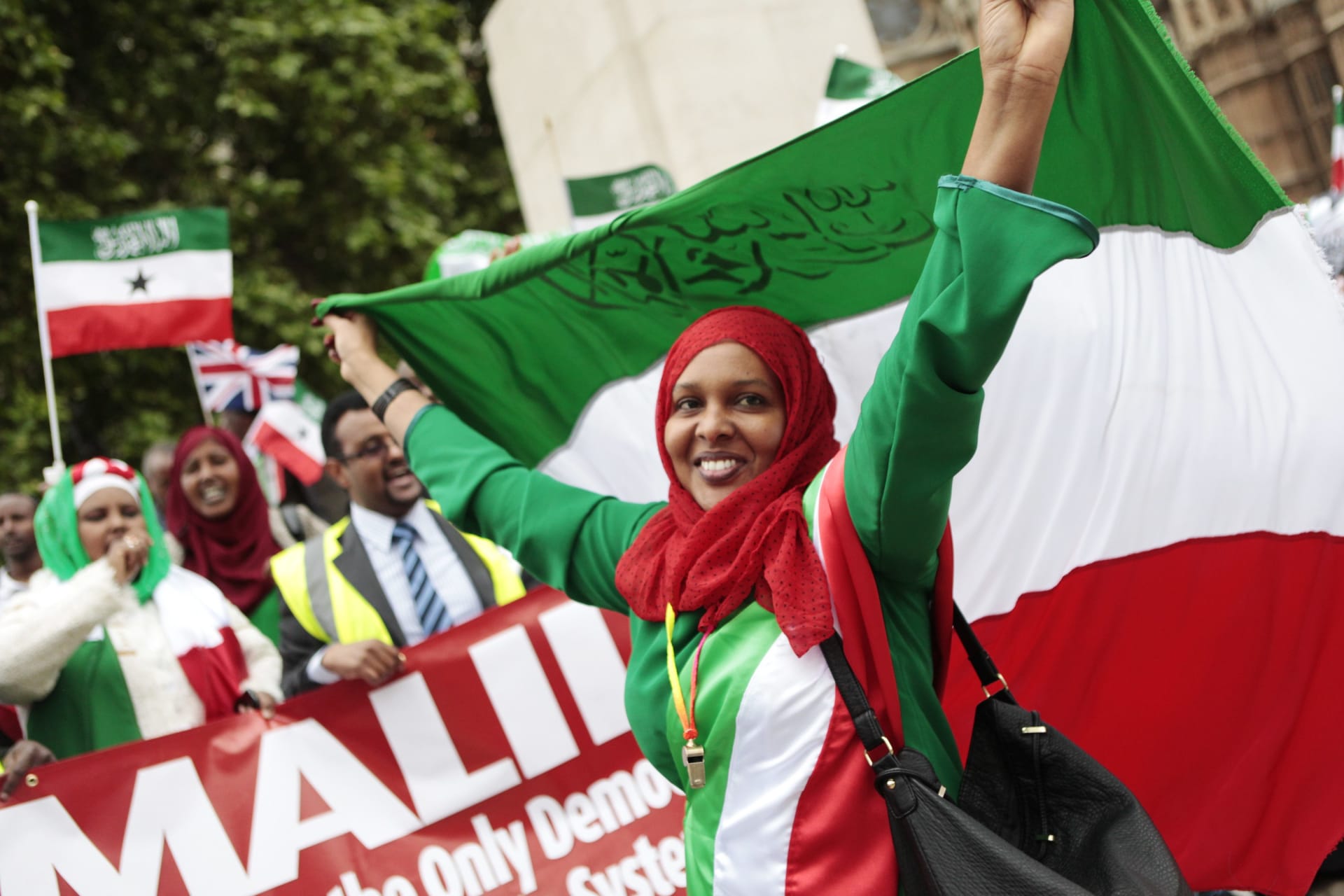
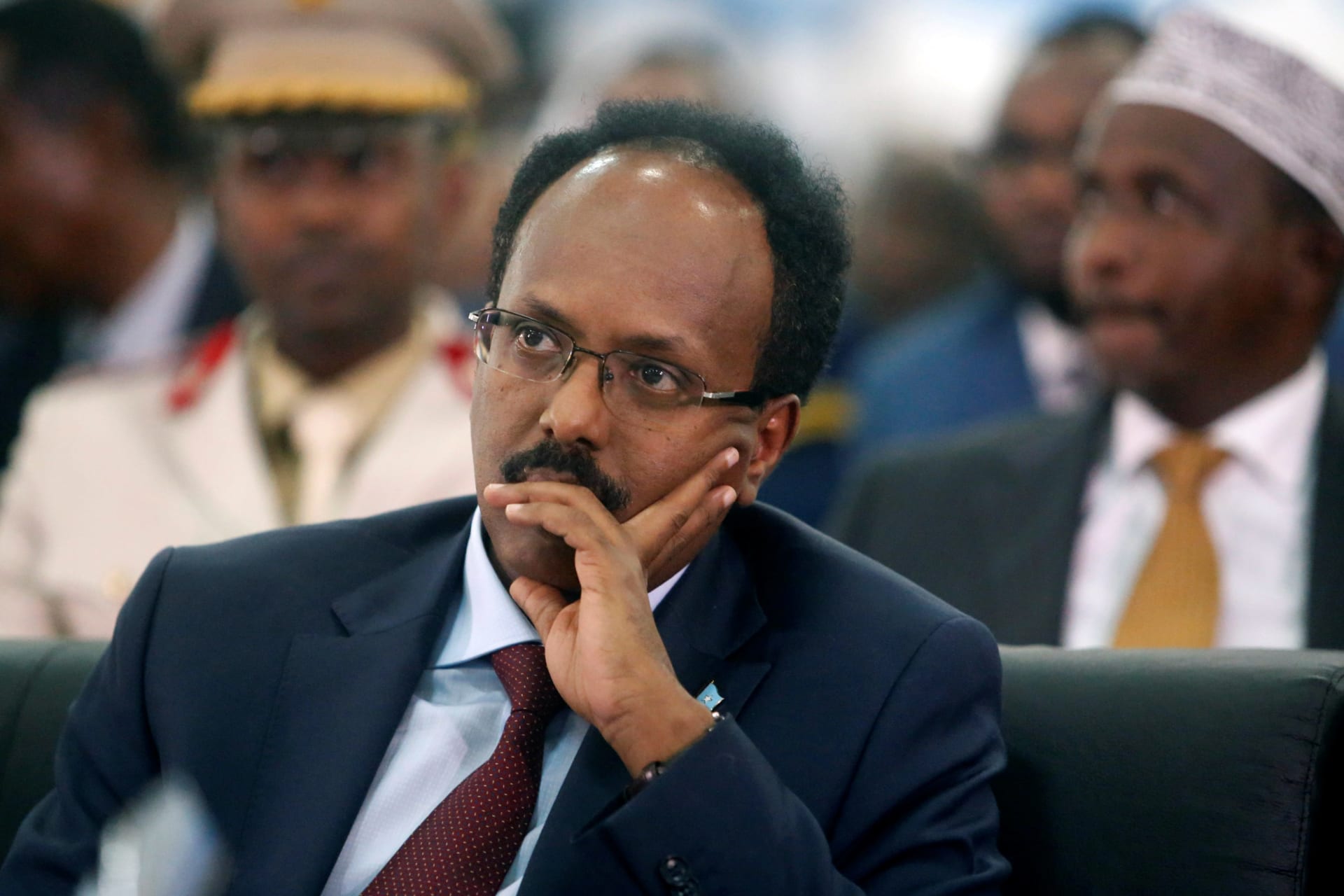
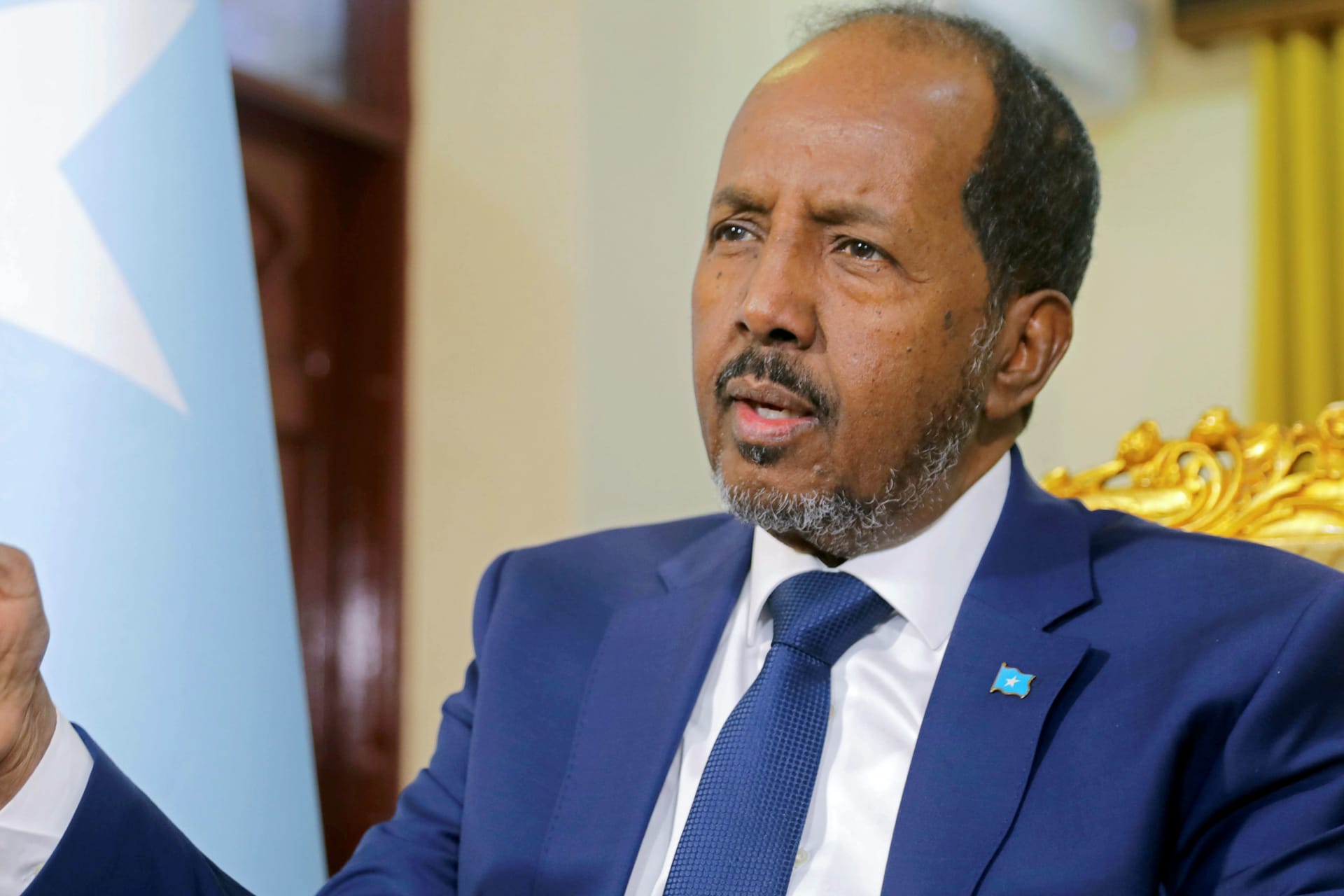
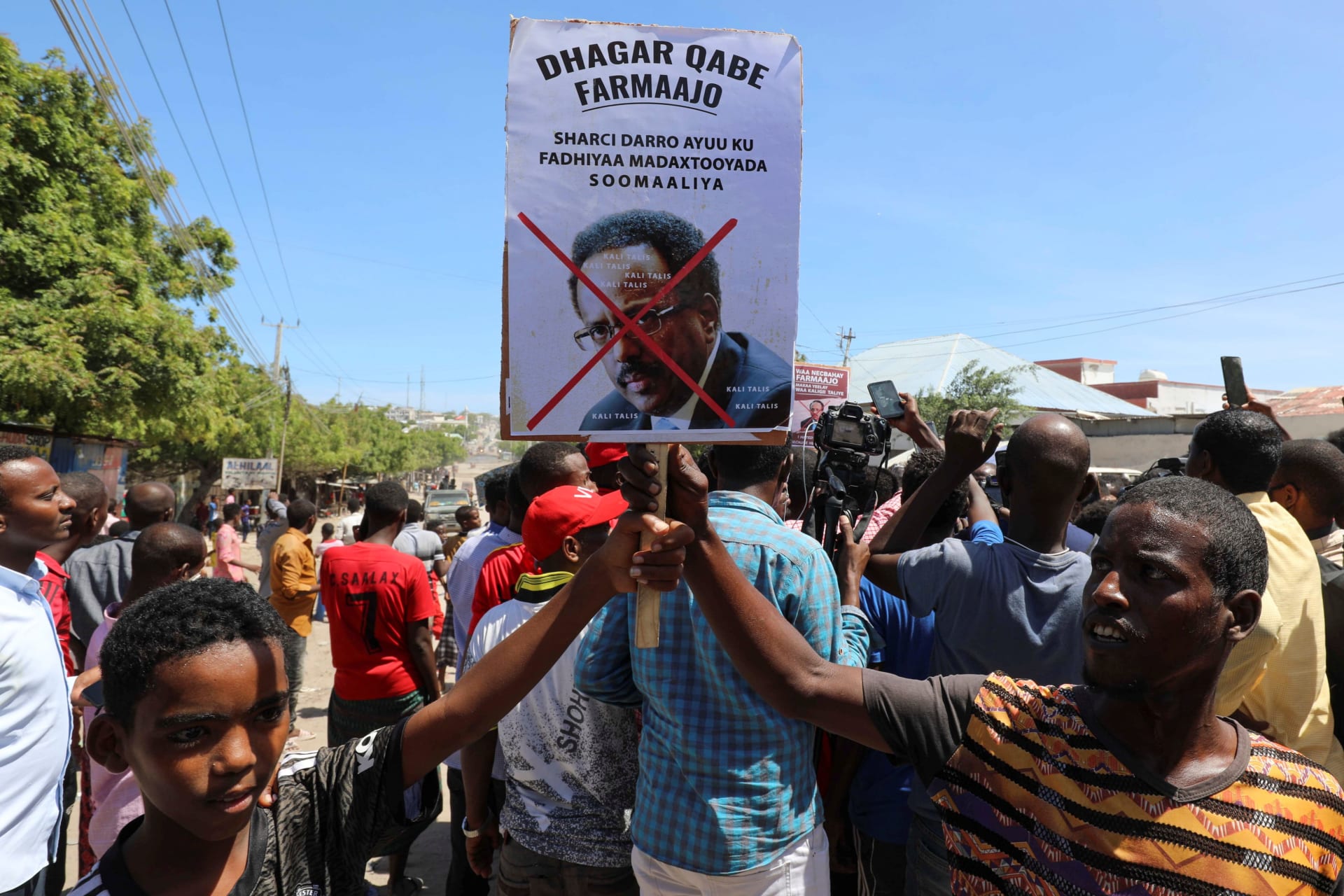
    The re-opening of the U.S. Embassy in Mogadishu, Somalia, is welcome news to many who have worked on U.S. policy issues in the Horn of Africa for decades. It represents not just a positive step in strengthening bilateral relations, but also a victory over those who would prioritize risk-aversion ahead of the actual work of diplomacy, which requires presence, relationships, and a multilayered understanding of the political and social dynamics that shape decision-making for partners on the ground. Achieving thoughtful policy goals in a climate as fractured and fragile as Somalia’s is a difficult task under the best of circumstances. Trying to do it from afar is nearly impossible. But this good news comes at a difficult time. Somalia’s slow and unsteady recovery from total collapse has long been threatened by al-Shabaab, the terrorist organization that still controls significant territory and has the capacity to strike targets in the capital and throughout much of the country, most recently a military base where the U.S. military trains Somali forces. These days, progress in Somalia is also threatened by external powers exporting their rivalries to the Horn. The rift in the Gulf Cooperation Council has found expression in Somalia, where the United Arab Emirates has aggressively courted Somaliland and semi-autonomous Puntland, while Qatar and Turkey are important supporters of President Farmajo’s Somali Federal Government. Rather than uniting Somalis in cooperatively resisting al-Shabaab and building enduring arrangements to provide security and opportunity to the population, this dynamic risks shifting focus to core-periphery tensions that need not be sources of instability for the Somali people. Any country seeking to influence events in Somalia would do well to pay close attention to important lessons from history. The proxy conflict in the Horn during the Cold War empowered corrupt and abusive leaders, led to tremendous human loss and suffering in the region, distorted institutions, poisoned regional relationships, and spawned new threats still bedeviling the United States and others. The unintended consequences of using the region as a venue to outflank a rival are not to be lightly dismissed.
  • Somalia
    The Controversy Over U.S. Strikes in Somalia
    The United States has been helping Somalia fight al-Shabab militants for more than a decade, but rights groups say increasing drone strikes are putting civilians at risk.
  • Yemen
    Global Conflict This Week: Negotiating a Truce in Yemen
    Developments in conflicts across the world that you might have missed this week.
  • Afghanistan
    Global Conflict This Week: Elections Delayed in Kandahar Province
    Developments in conflicts across the world that you might have missed this week.
  • Women and Women's Rights
    Women This Week: Fighting FGM
    Welcome to “Women Around the World: This Week,” a series that highlights noteworthy news related to women and U.S. foreign policy. This week’s post, covering July 23 to August 4, was compiled with support from Lucia Petty.
  • Syrian Civil War
    Global Conflict This Week: Pro-Government Forces Advance in Southwest Syria
    Developments in conflicts across the world that you might have missed this week.
  • Somalia
    Lessons Learned in Somalia: AMISOM and Contemporary Peace Enforcement
    How can the details of the African Union Mission in Somalia (AMISOM) shed light on the major questions about peace enforcement missions and the international partnerships that underpin them?