President Trump’s tariffs on Canada, China, and Mexico could upend U.S. trade. These nine charts show what’s at stake, what comes next, and why it matters.
Feb 5, 2025
President Trump’s tariffs on Canada, China, and Mexico could upend U.S. trade. These nine charts show what’s at stake, what comes next, and why it matters.
Immigrants have long played a critical role in the U.S. economy, filling labor gaps, driving innovation, and exercising consumer spending power. But political debate over their economic contributions has ramped up under the second Trump administration.
Trade and tariffs are a central part of President Donald Trump’s international economic policy. Stay up to date with the Council on Foreign Relation’s calendar of significant trade-related events.
As the world transitions to green energy, the United States’ reliance on China for critical mineral inputs poses significant risk. Though the Trump administration is taking steps to mitigate this vulnerability, the U.S. government should pool international collaboration through legally binding commitments to avoid fragmentation and secure stable access.
Inu Manak has explored the intricacies of international trade policy in the world of academia and think tanks. She chatted with CFR about navigating different work environments and the benefits of developing a niche expertise.
For decades, the liberal belief that open trade fosters peace has shaped US foreign policy. It worked while US security guarantees held the system together, but as those commitments weaken and new powers assert themselves, the multilateral trading order is rapidly coming undone.
President Donald Trump has launched a wave of Section 232 tariffs and investigations, seeking to protect U.S. national security. These graphics show the scale and structure of U.S. reliance on foreign suppliers for products ranging from cars to copper.
Government tensions have upended the economic relationships between the United States, Canada, and Mexico. Despite this, public- and private-sector North American members of the Trilateral Commission appeared committed to finding a path forward.
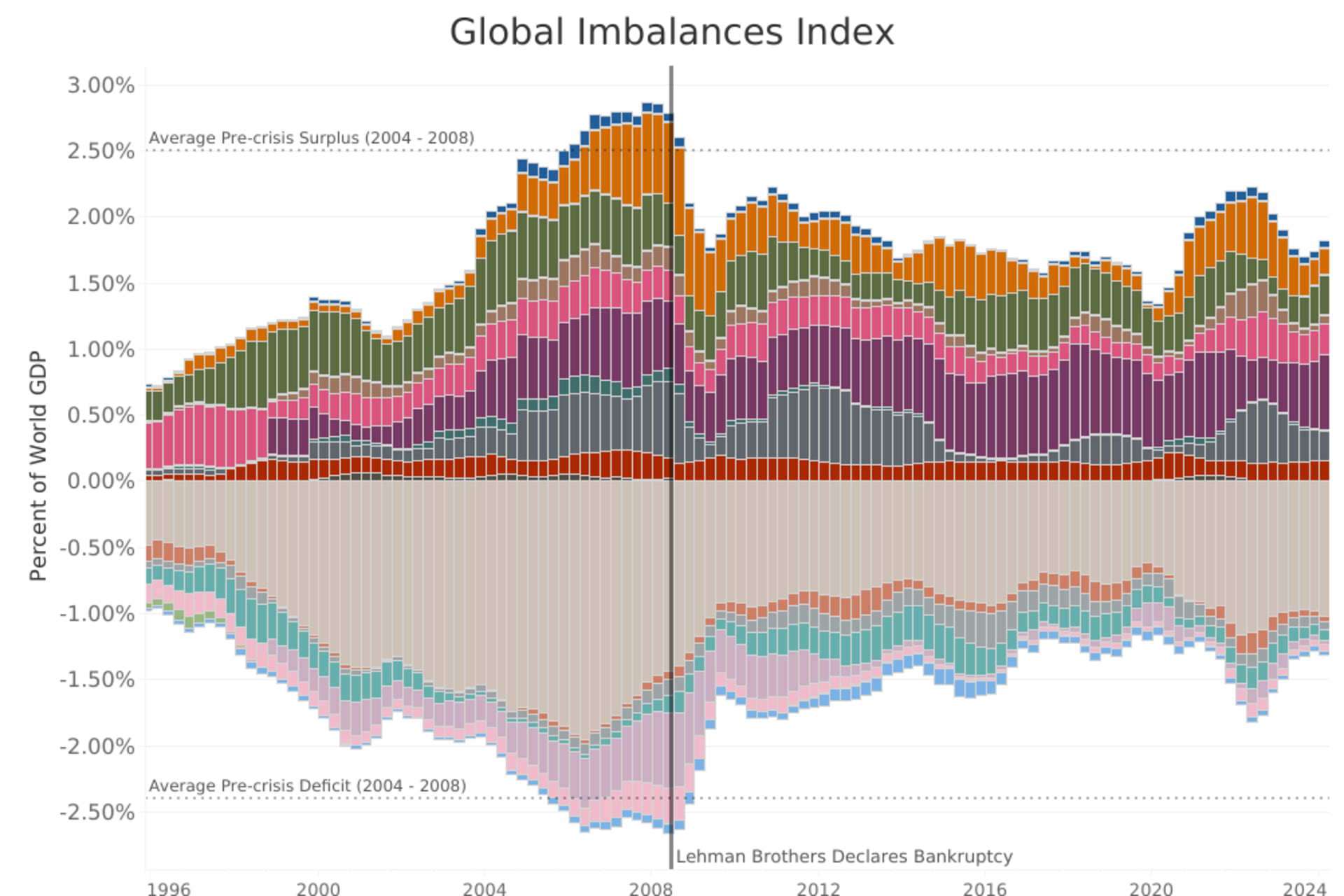
China’s reported current account surplus understates China’s contribution to global trade imbalances. The massive gap between China’s export and import volume growth over the last six years tells a more accurate story.
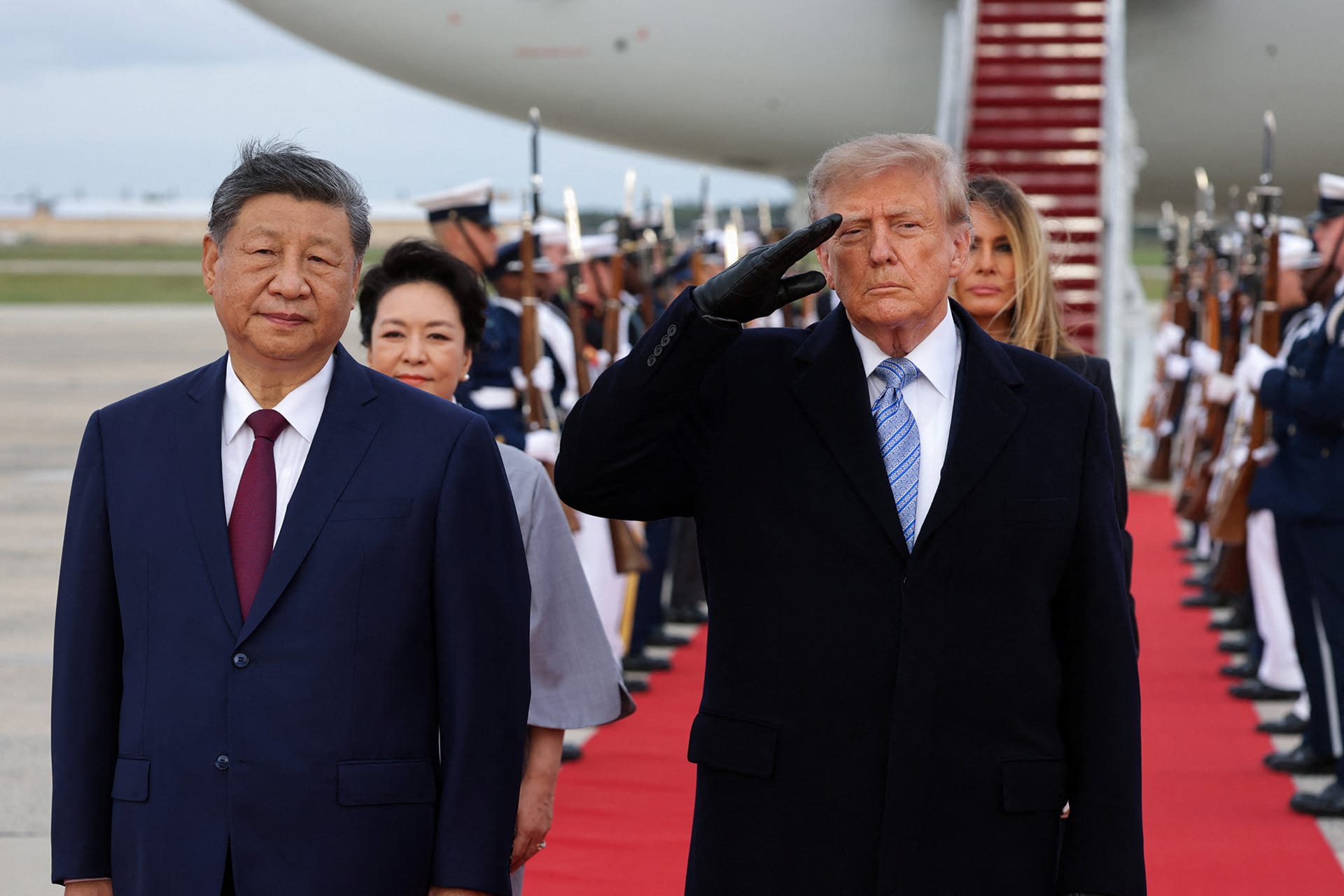
Following President Trump’s trip to Asia last week, CFR fellows discuss the outcome of bilateral trade dialogues with the leaders of Malaysia, Japan, and South Korea; takeaways from talks with Chinese President Xi Jinping; and the future of the United States’ economic relationships in the region.
At the World Trade Organization’s annual Public Forum, which brings together researchers, civil society, practitioners, and businesses, CFR Senior Fellow for International Trade Inu Manak sat down with four leading experts on subsidies and industrial policy to explore increasing government interventions in the economy, where existing rules and tools fall short, and what the WTO can do to help.
President Donald Trump’s trade war with China that began in his first administration has created ripple effects throughout the global economy. But experts say complete decoupling of the world’s two biggest economies is likely impossible.
While the much-anticipated Trump-Xi meeting produced modest results, it also revealed China’s growing strengths and could set the stage for a more substantive Trump visit to Beijing next year.
Five CFR fellows explain how growing concern with U.S. trade policy in certain APEC members—China, Taiwan, Thailand, Chile, and Peru—will affect U.S. economic and security relationships in the region.
The novel Agreement on Climate Change, Trade, and Sustainability balances ambitious environmental targets with domestic economic considerations, offering a blueprint for countries looking to make their economies greener.
Neither country is likely to become a U.S. priority soon, although closer partnerships with both could help Washington address some of its concerns over critical mineral supply chains.