Meeting
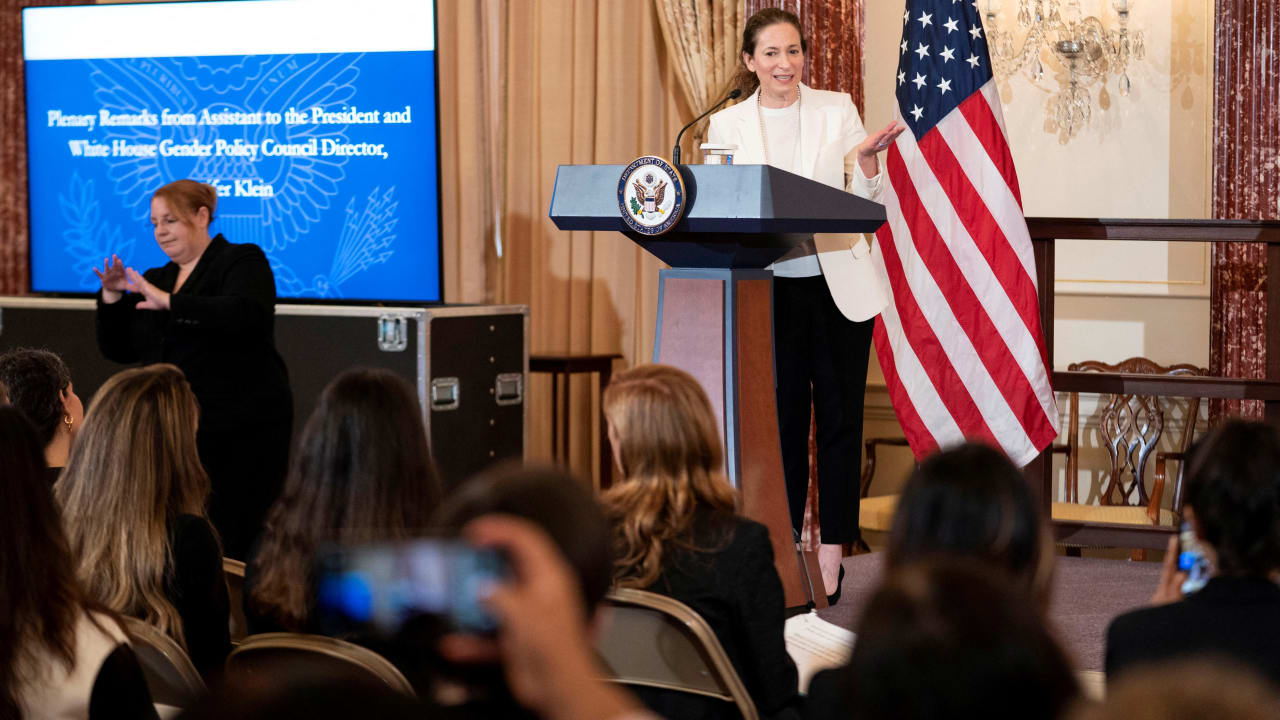
Virtual Roundtable: A Conversation With Jennifer Klein
REUTERS/Sarah Silbiger
Event date
Speaker
- Jennifer KleinProfessor of Professional Practice, Director of New Women’s Initiative, Columbia University School of International and Public Affairs; Former Assistant to the President and the Director of the Gender Policy Council, The White House
Presider
 Catherine PowellAdjunct Senior Fellow for Women and Foreign Policy, Council on Foreign Relations
Within days of taking office, the Trump Administration rescinded an executive order establishing the first-ever Gender Policy Council (GPC), a policy office in the White House that had been established to advance gender equality in both domestic and foreign policy.
Jennifer Klein, former assistant to the president and director of the GPC in the Biden-Harris administration, is currently spearheading the Institute of Global Politics Women’s Initiative at Columbia University. Klein and Catherine Powell reflect on what the GPC accomplished, how its work can continue under the new administration, and how initiatives, including at Columbia, are moving forward to address new challenges in gender policy.