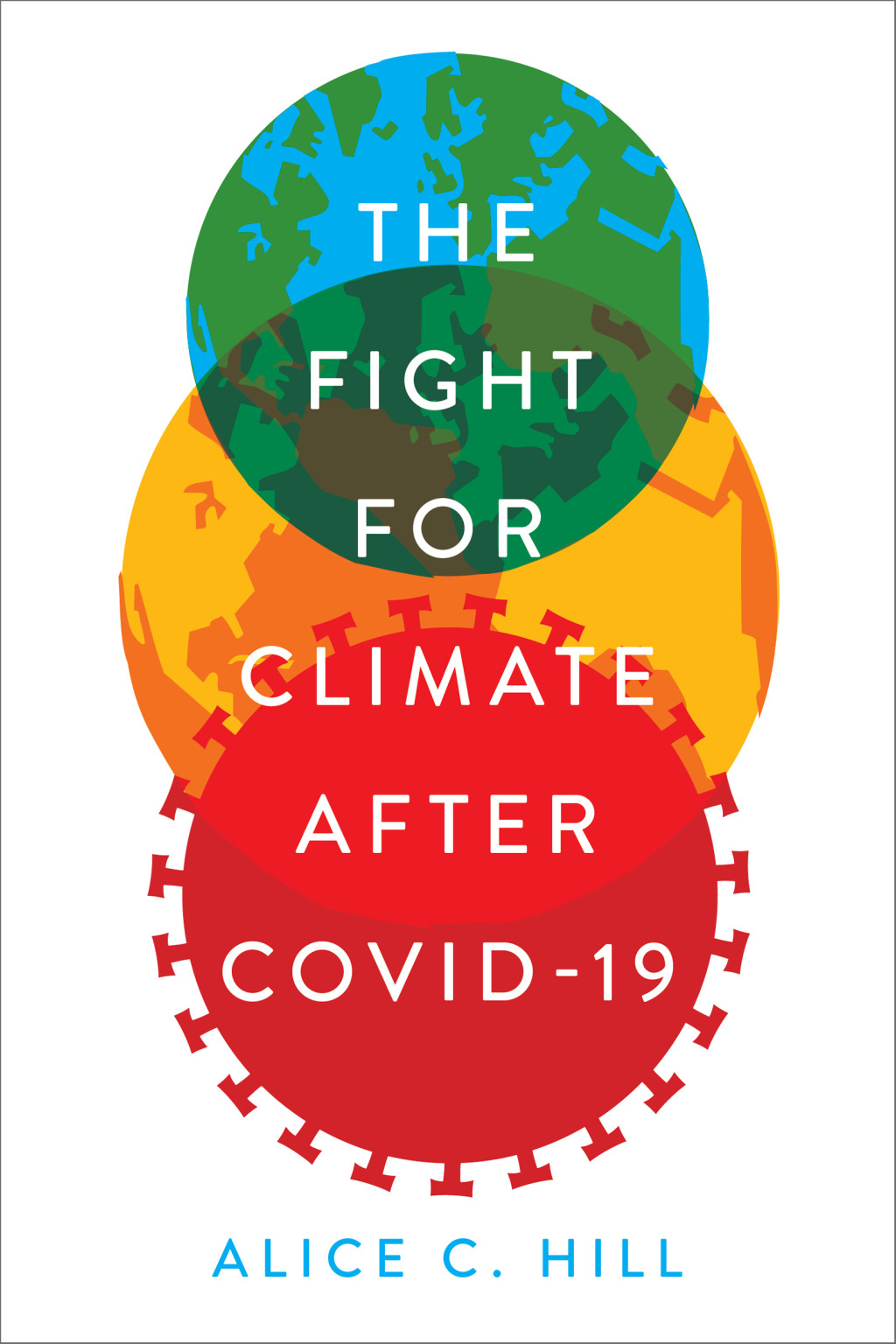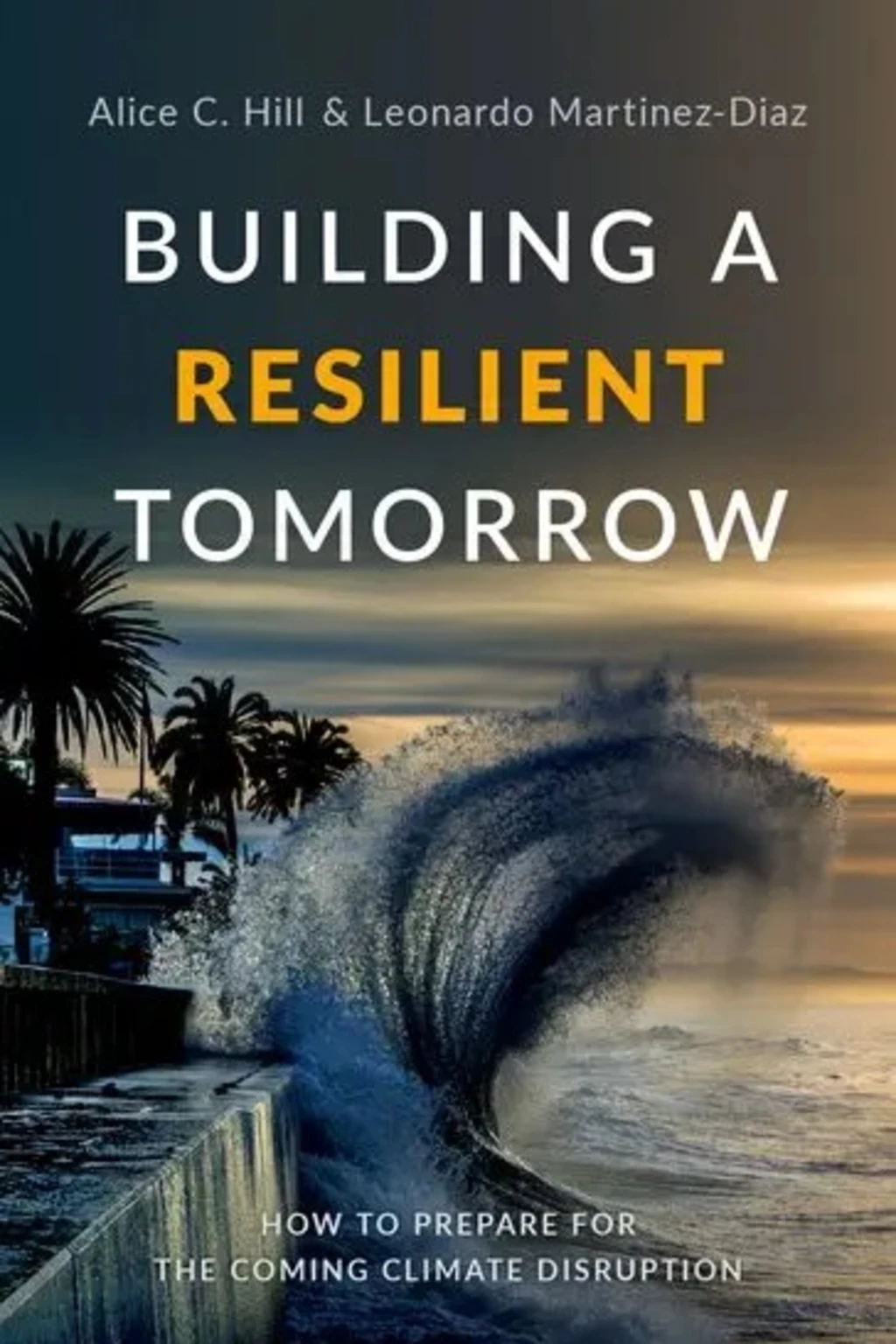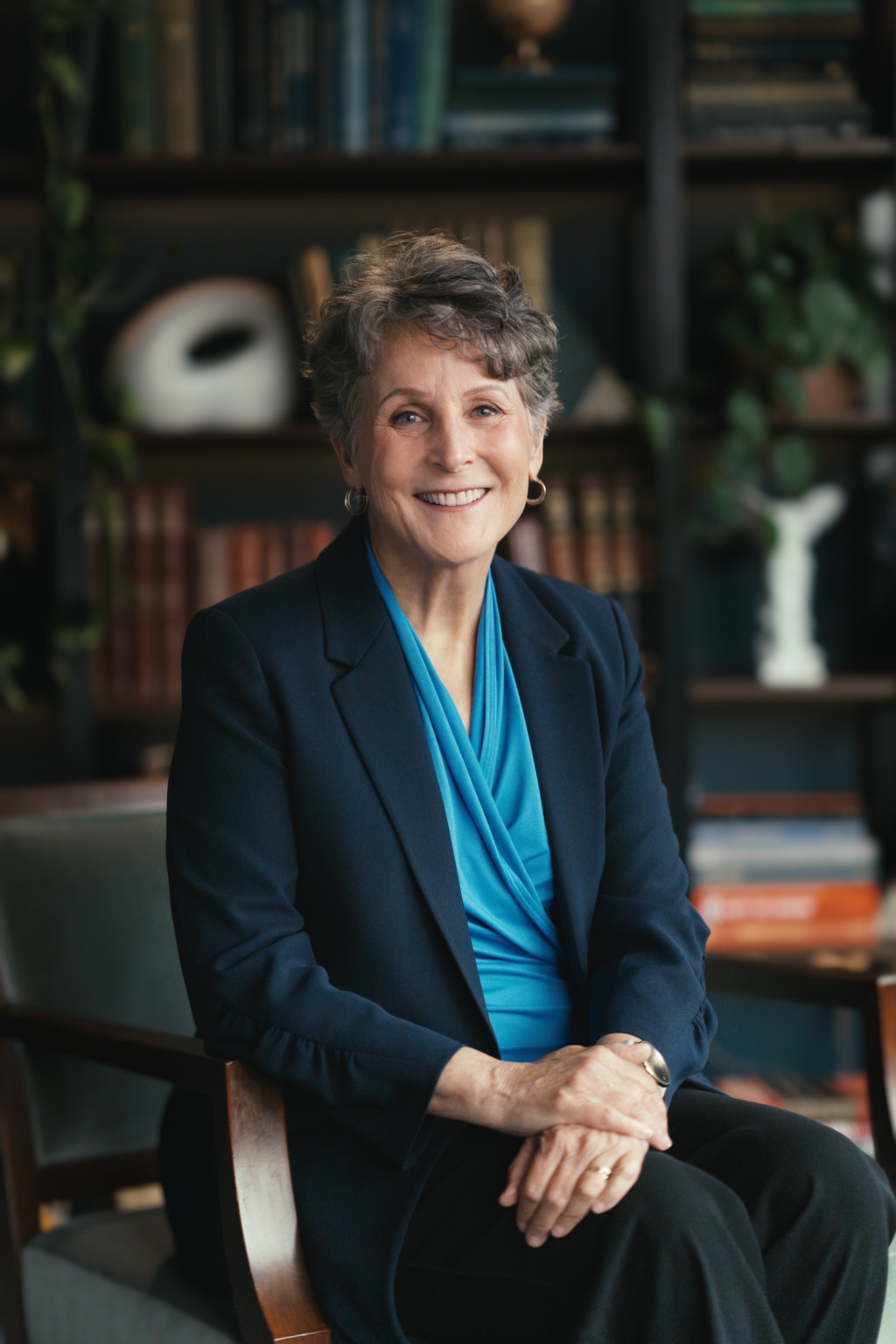
Alice C. Hill is the David M. Rubenstein senior fellow for energy and the environment at the Council on Foreign Relations. She is an expert on the risks, consequences, and responses associated with climate change and the author of The Fight for Climate After COVID-19 and coauthor of Building a Resilient Tomorrow. Hill’s work draws on a unique blend of experience spanning service in the White House and the Department of Homeland Security, as well as her earlier career as a federal prosecutor and judge. As part of a distinguished legal career, Hill received one of the U.S. Department of Justice’s highest awards—the John Marshall Award for Outstanding Legal Achievement.
During the Obama administration, Hill served as special assistant to the president and senior director for resilience policy on the National Security Council, where she led the development of policy addressing national security and climate change, including the first federal flood risk standard and national wildfire standard for federal buildings. Prior to joining the White House, Hill served as senior counselor to the secretary of the U.S. Department of Homeland Security. She developed the department’s first-ever climate adaptation plan and the internationally recognized anti-human trafficking initiative, the Blue Campaign.
Prior to joining CFR, Hill was a fellow at Stanford University’s Hoover Institution, where her work focused on catastrophic risk and our responses. Earlier in her career, Hill served as supervising judge on both the Superior and Municipal Courts in Los Angeles and as chief of the white-collar crime prosecution unit in the Los Angeles U.S. Attorney’s office.
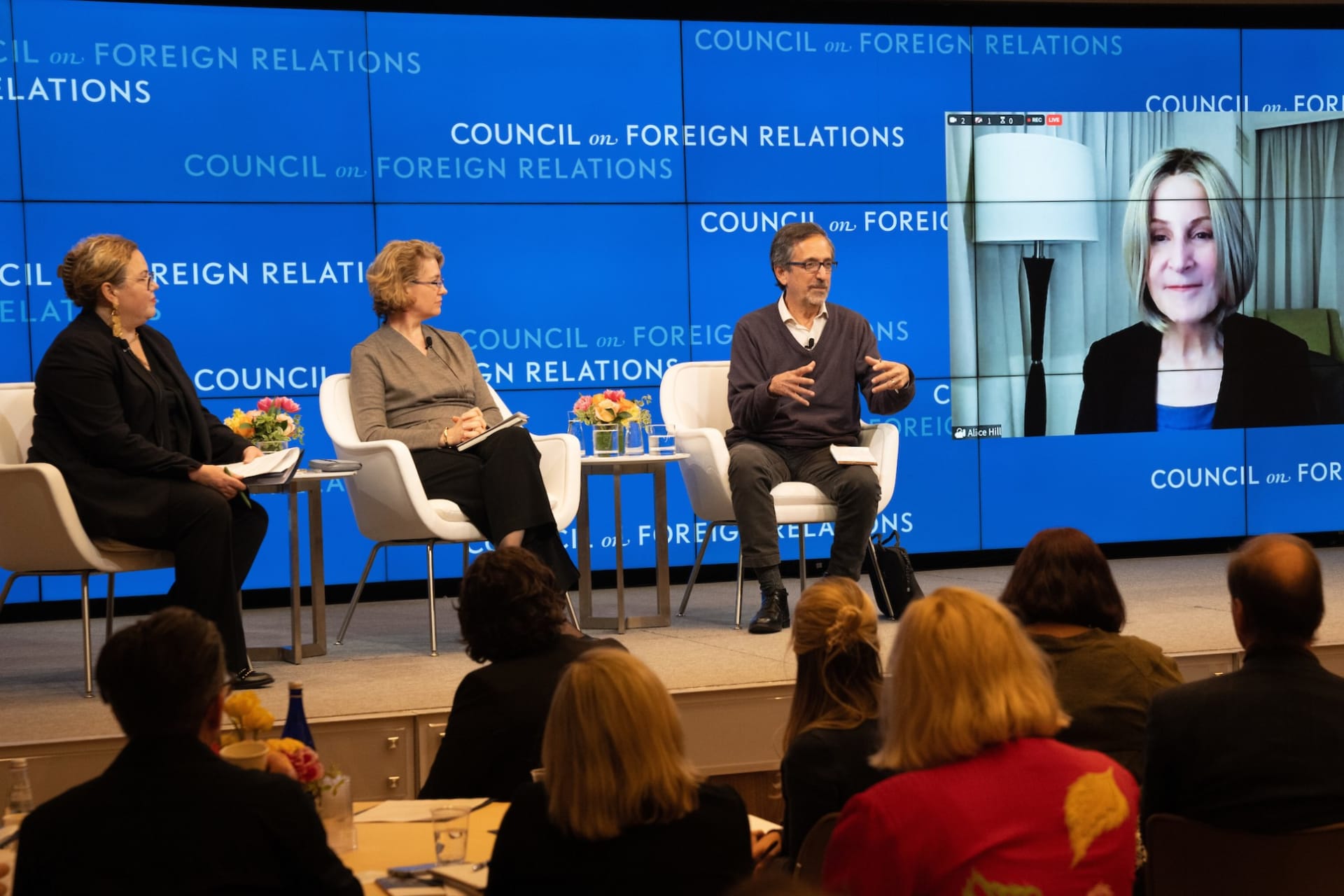
Hill’s work is published widely in journals and newspapers, and she is a frequent commentator on TV, podcasts, and radio. In 2020, Yale University and the Op-Ed Project awarded her the Public Voices Fellowship on the Climate Crisis. Hill has been awarded the Berlin Prize by the American Academy in Berlin. She also had the honor of serving as an inaugural Visiting Policy Fellow with the Stanford Woods Institute for the Environment and twice as a resident fellow with the Rockefeller Foundation’s Bellagio Center Residency Program.
Affiliations
- Center for Climate and Security, advisory board member
- Climate Crisis Advisory Group, member
- Coalition for an Insurable Future, member
- Environmental Defense Fund, board member
- Global Consortium on Climate and Health Education, advisory council member
- Global Military Advisory Council on Climate Change, advisory council member
- Harvard T.H. Chan Center for Climate, Health, and the Global Environment, scientific advisory council member
- Insurance for Good, advisory group member
- International Military Council on Climate and Security, member
- Munich Re America and related U.S. subsidiaries of the Munich Re Group, board member
- National Academy of Public Administration, extreme weather resilience hub, advisory committee member
- One Concern, advisory board member
- University of Washington Climate Risk Lab, leadership council member