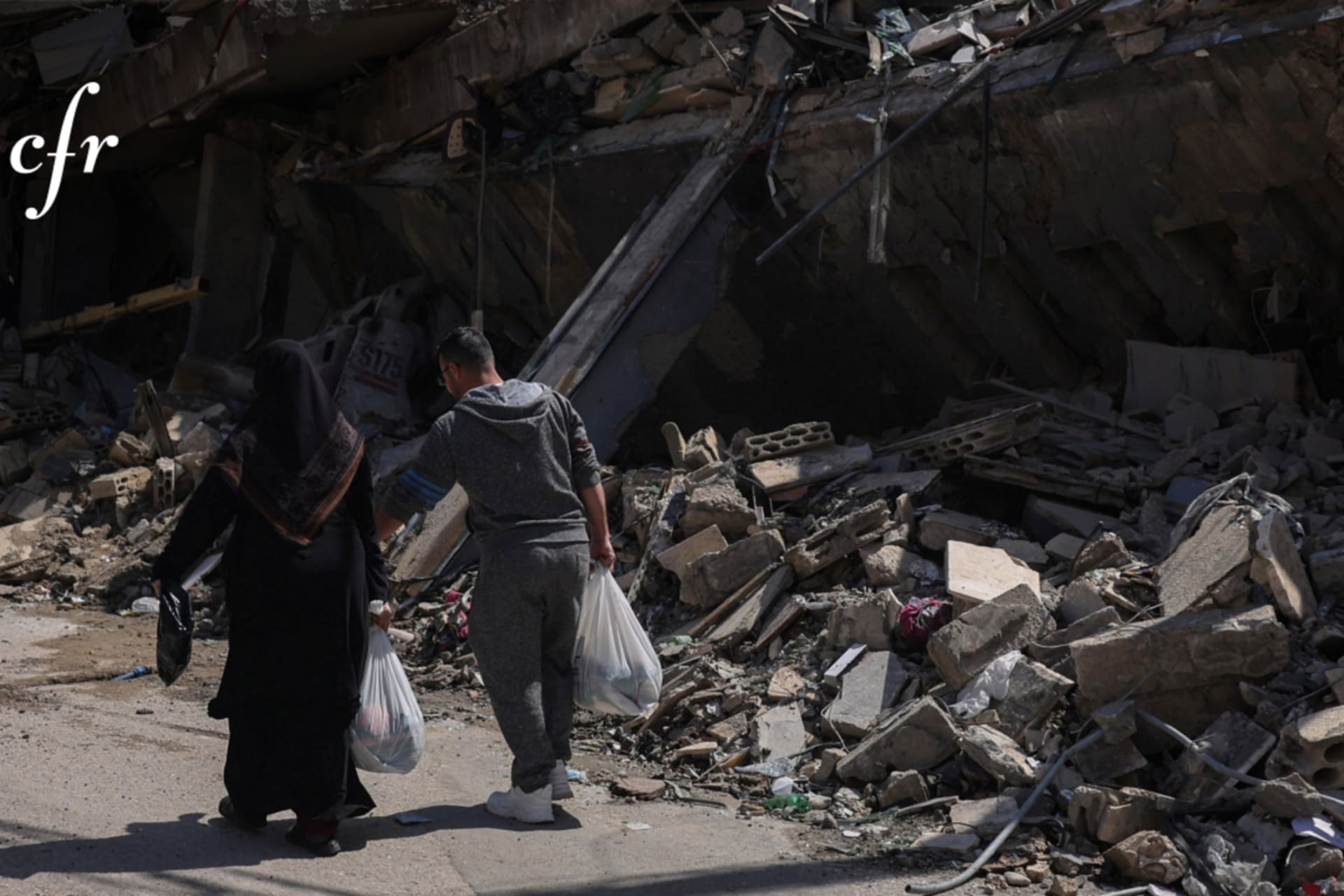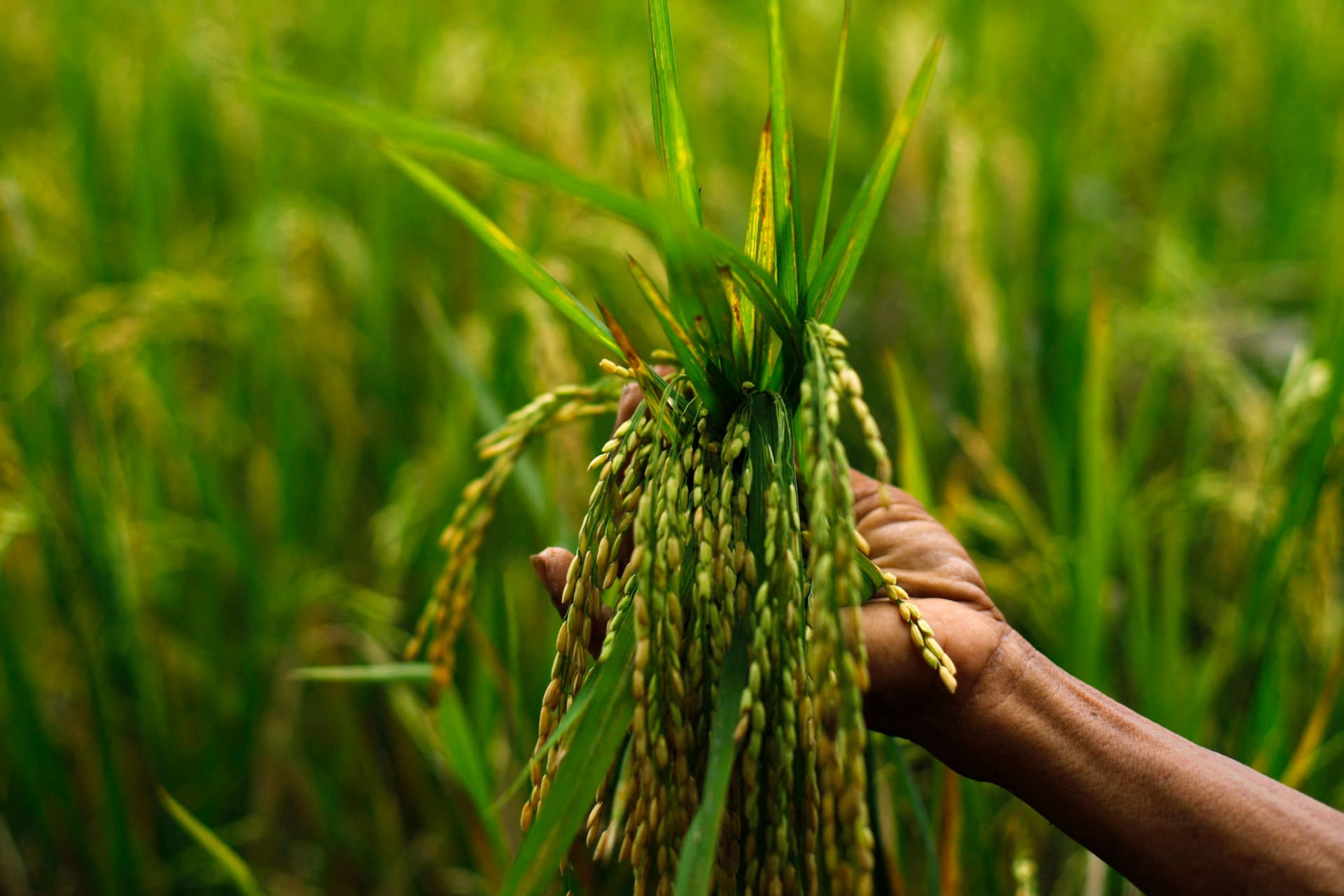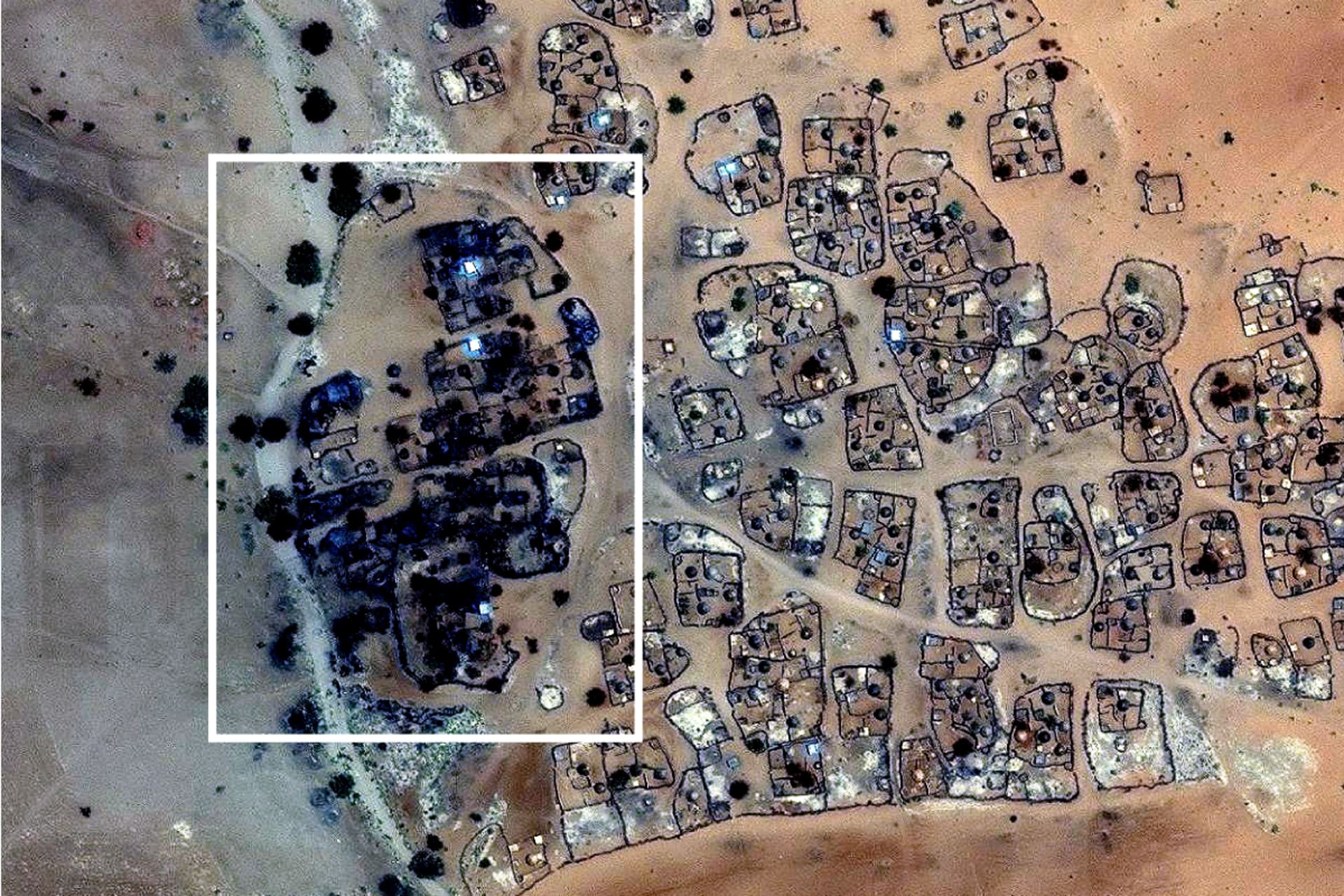
Food insecurity is no longer merely a humanitarian concern — it is a vector of geopolitical instability, a tool of statecraft, and an accelerating dimension of the global security crisis. Drought and flooding destroy crops; scarcity drives displacement; and in Gaza, Sudan, and Ukraine, hunger has been engineered as a weapon. CFR’s Food Security program is a sustained, multi-year initiative that repositions food security at the center of global security debates, bridges the longstanding divide between development and security communities, and generates rigorous policy-relevant analysis for governments, multilateral institutions, and the private sector.
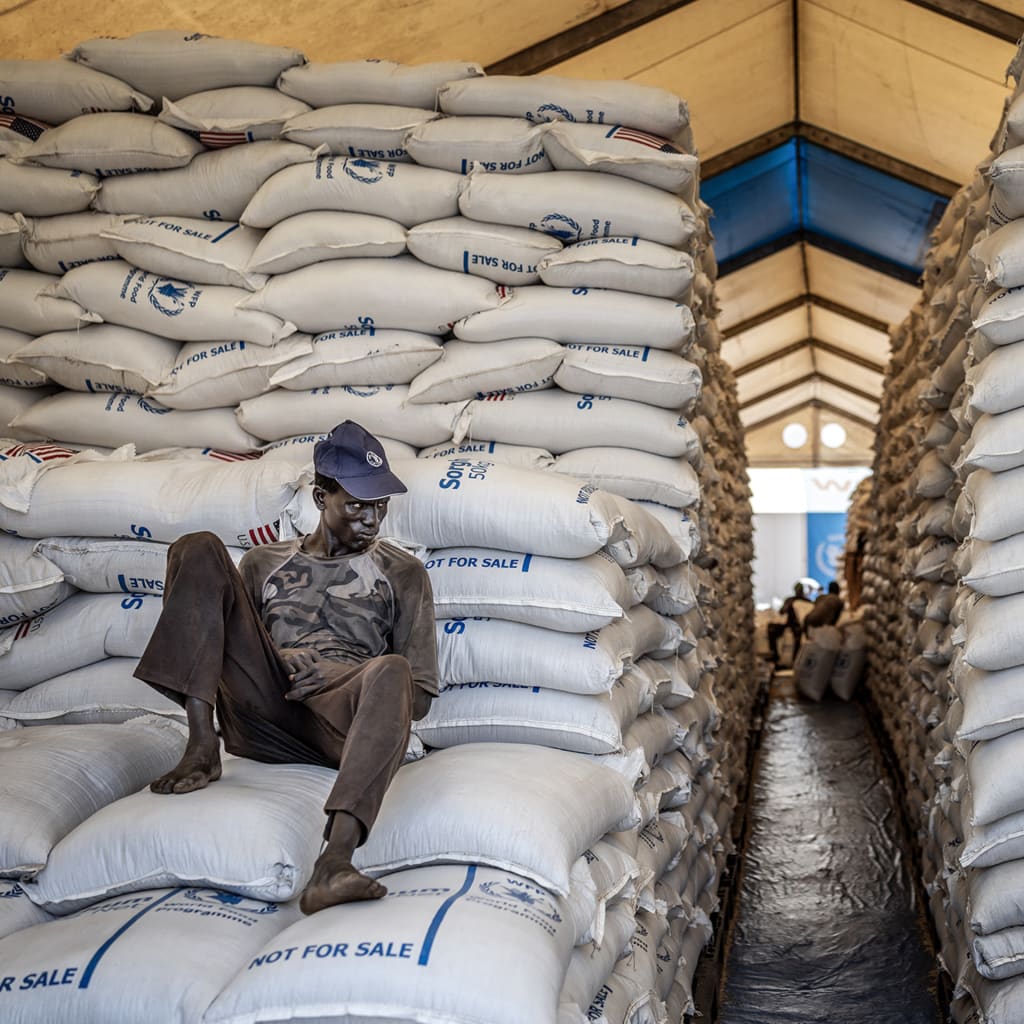
By Inu Manak, Edward Alden, Benn Steil, Michael Werz and Allison J. Smith
By Michael Werz, Michelle Gavin, David J. Scheffer, Thamine Nayeem, Molly McAnany, Jeremy Sherlick, Markus Zakaria and Ivana Saric

Rapid-response papers on emerging food security crises tracking the moments when hunger becomes a policy emergency.
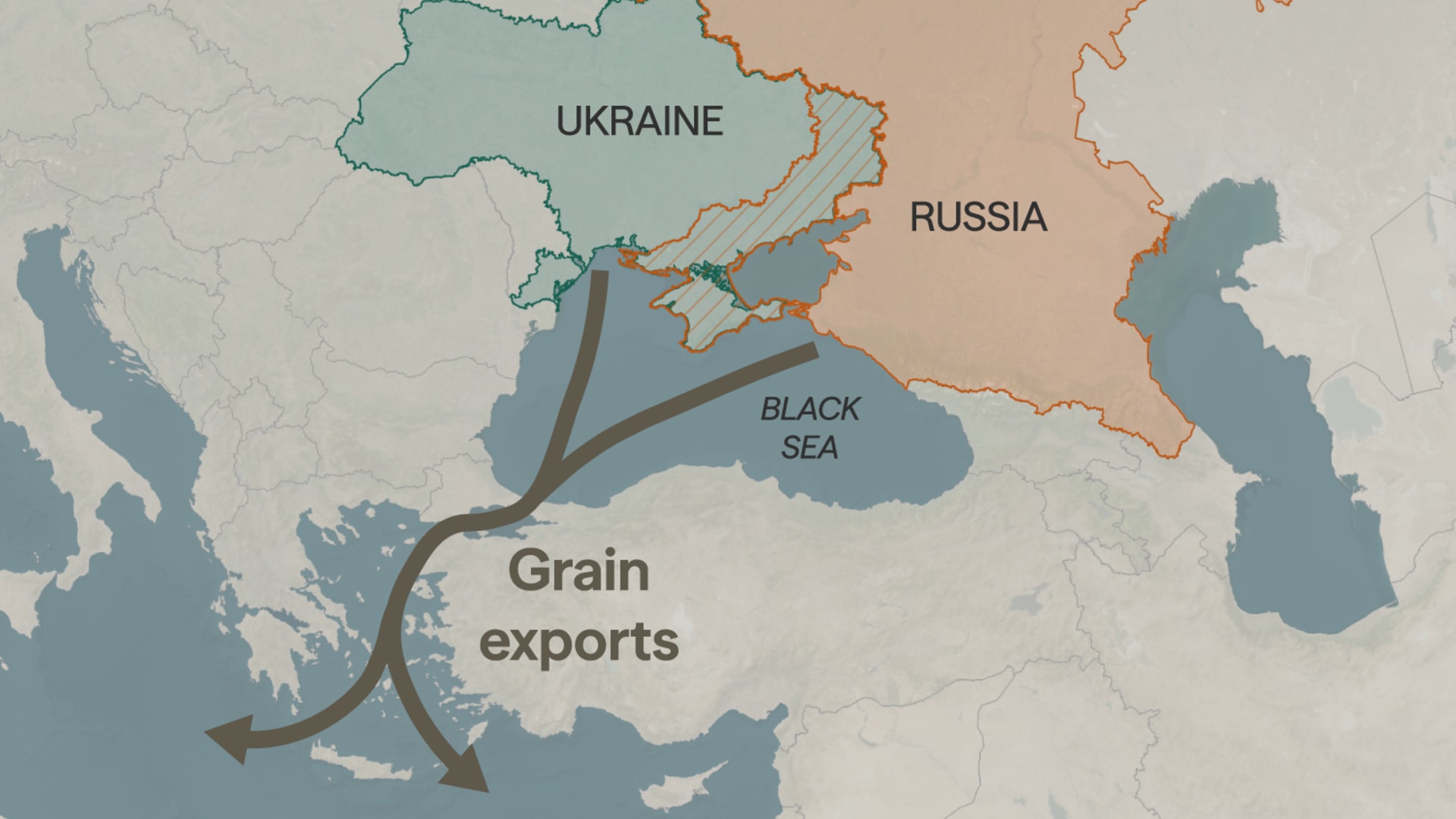
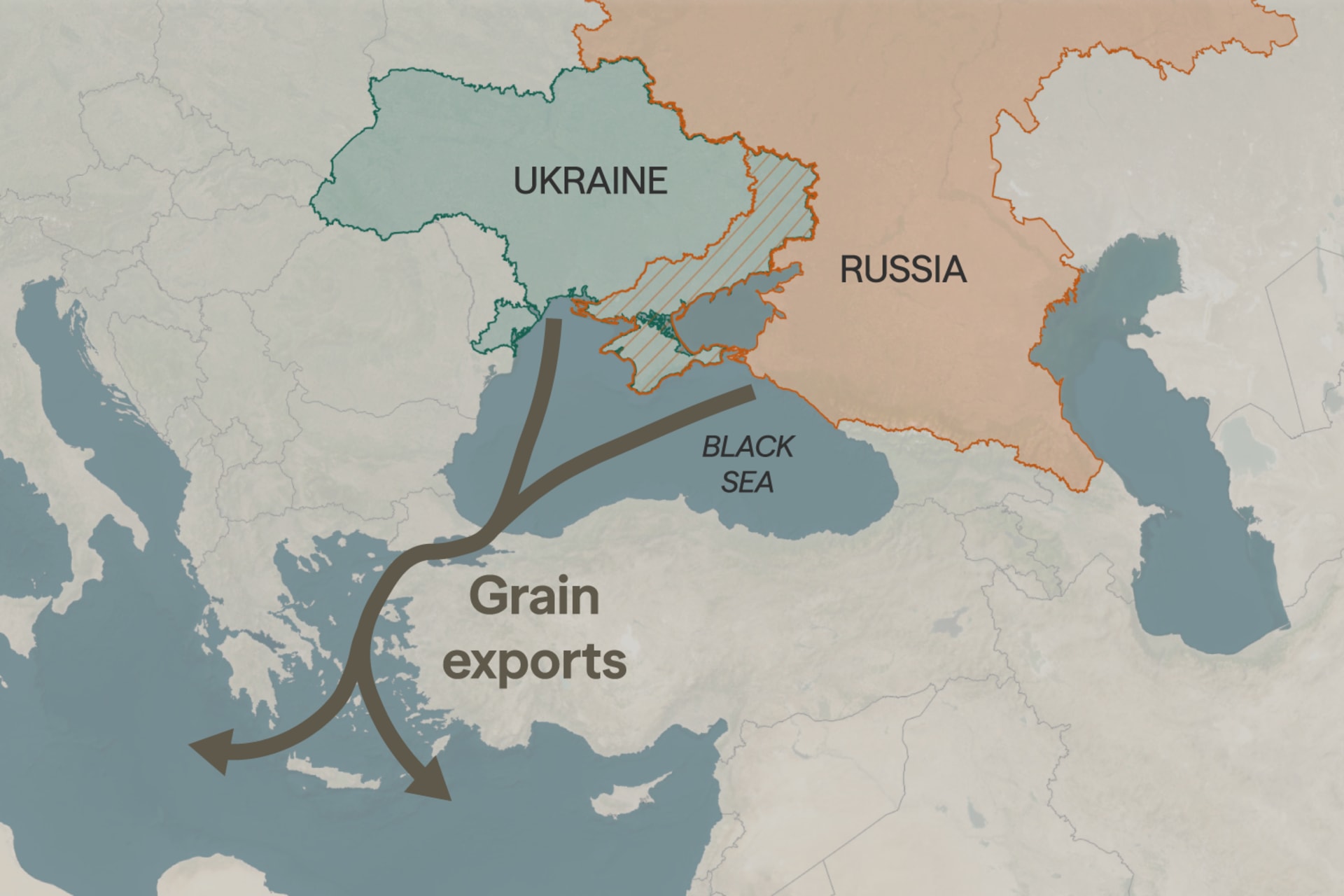
Recent escalation in the Russia-Ukraine war has halted the Black Sea grain trade and metastasized into a war on the global food system. Combined with drought in the Northern Hemisphere, a looming super El Niño, and persistent instability in the Middle East—the world is on the verge of a crisis that could erase years of progress in reducing global hunger and push millions into acute food insecurity.
By Samuel Henry Lazarus

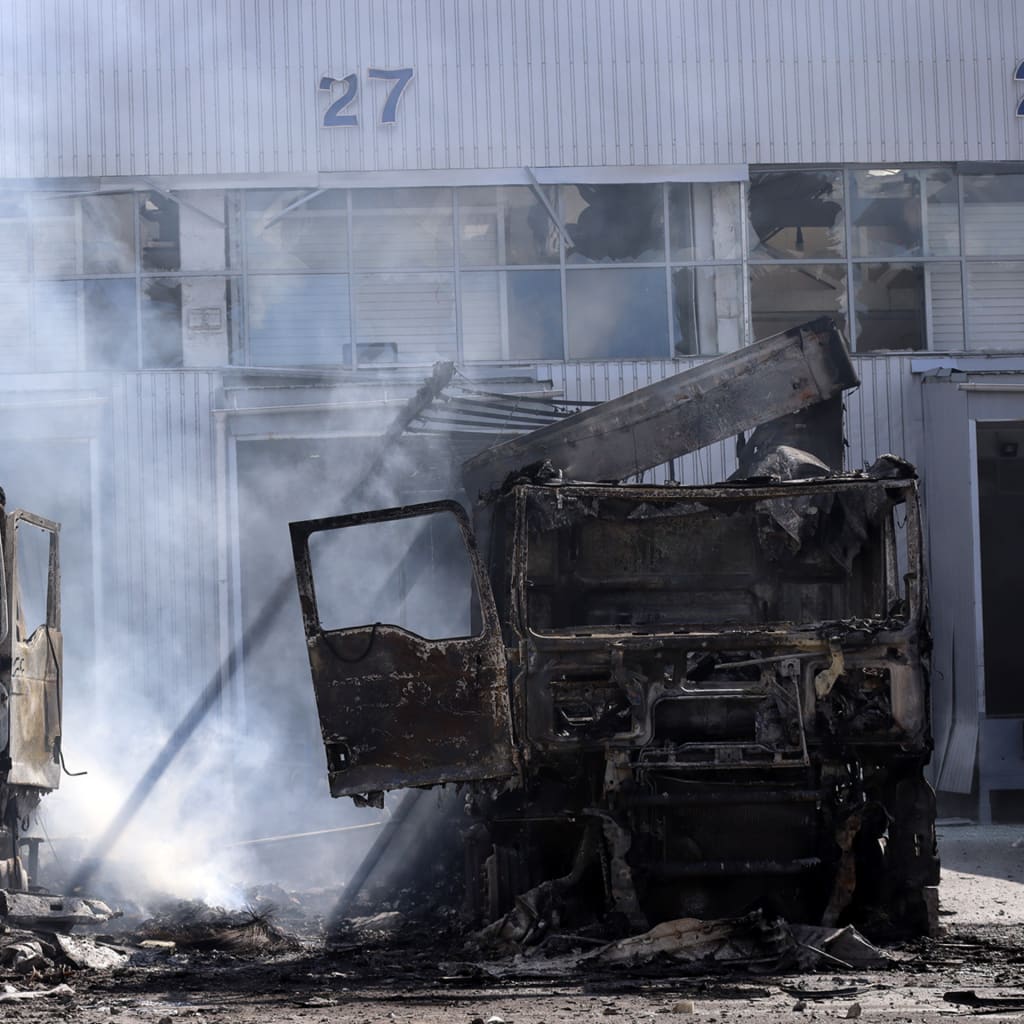
Attacks on Black Sea grain infrastructure and a fertilizer shock from the Iran war are hitting global agriculture at both ends of the production cycle. Add an El Niño forecast to disrupt rainfall across major growing regions, and the damage lands hardest on the 2027 and 2028 growing seasons in places that can least absorb it.
By Michael Werz
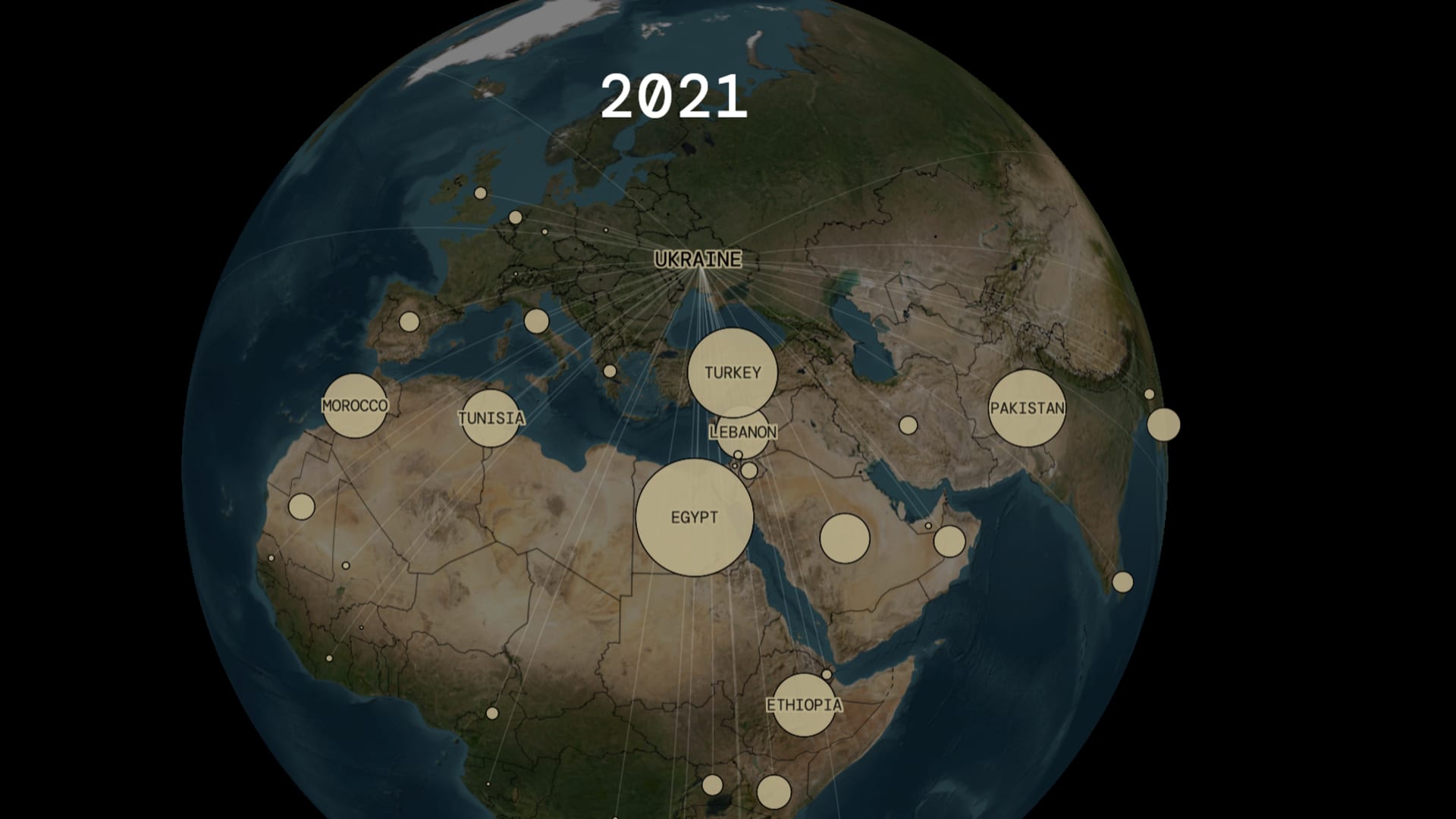
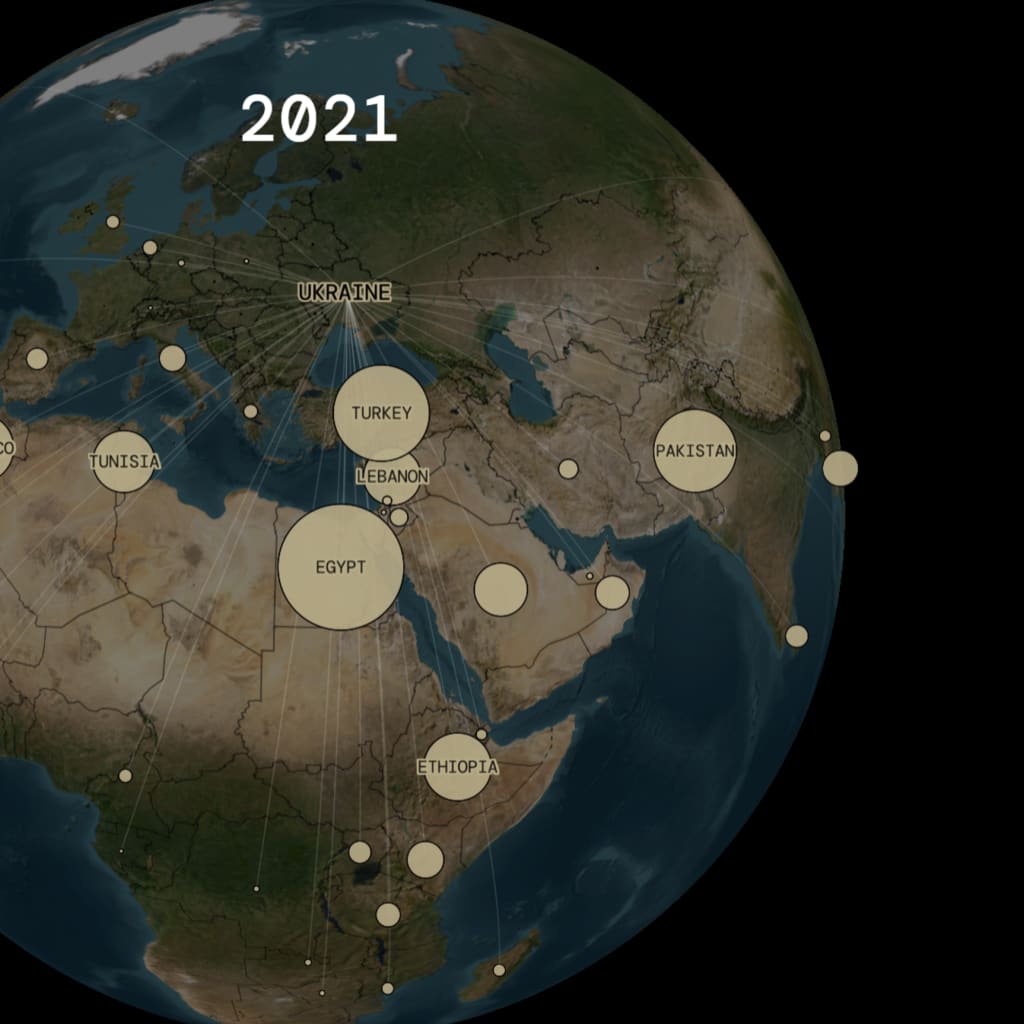
The conflict in the Middle East has turned the Strait of Hormuz into a critical failure point for global food security. Immediate and coordinated action is critical as the window to respond rapidly closes.
By Máximo Torrero Cullen
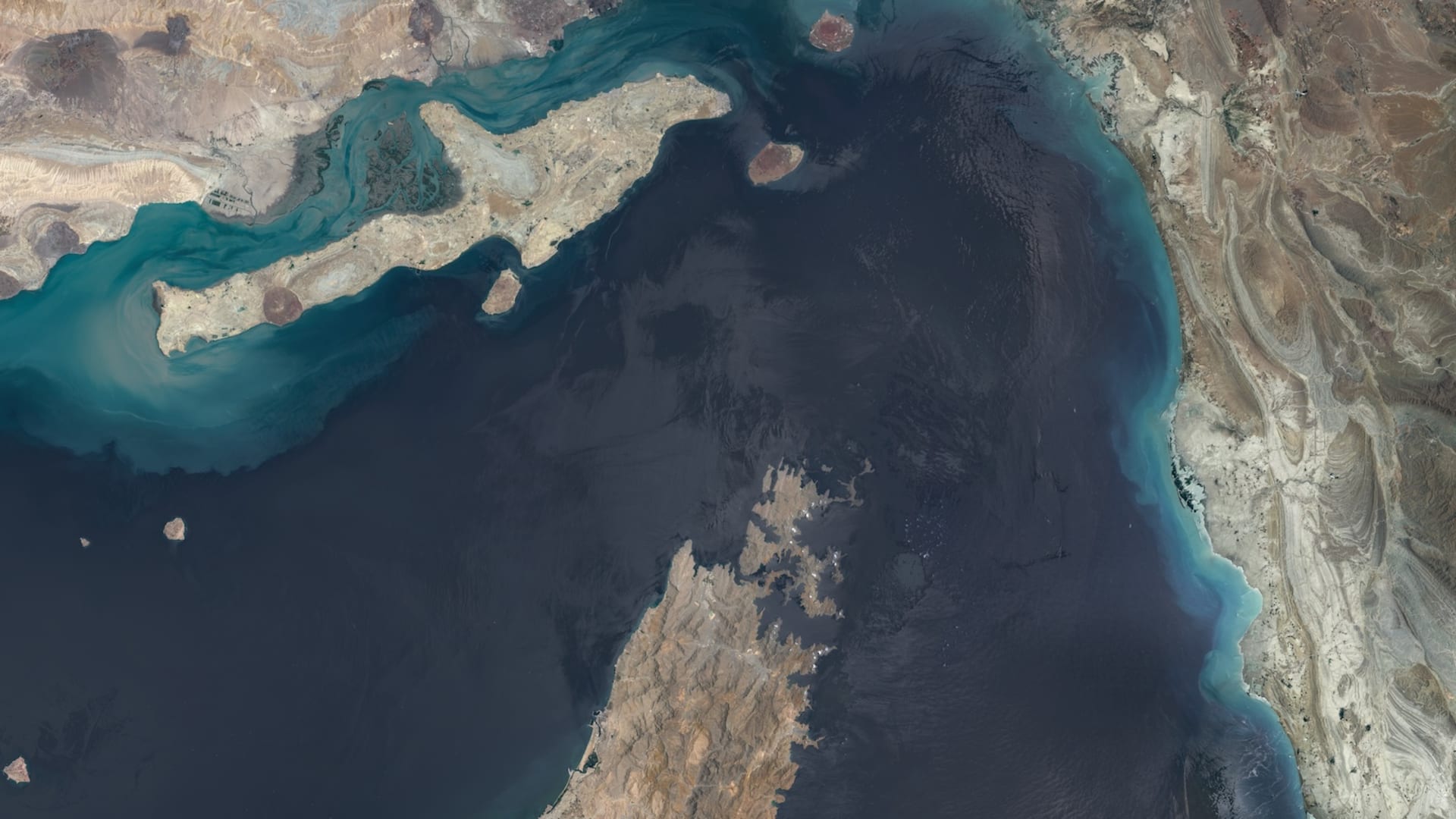
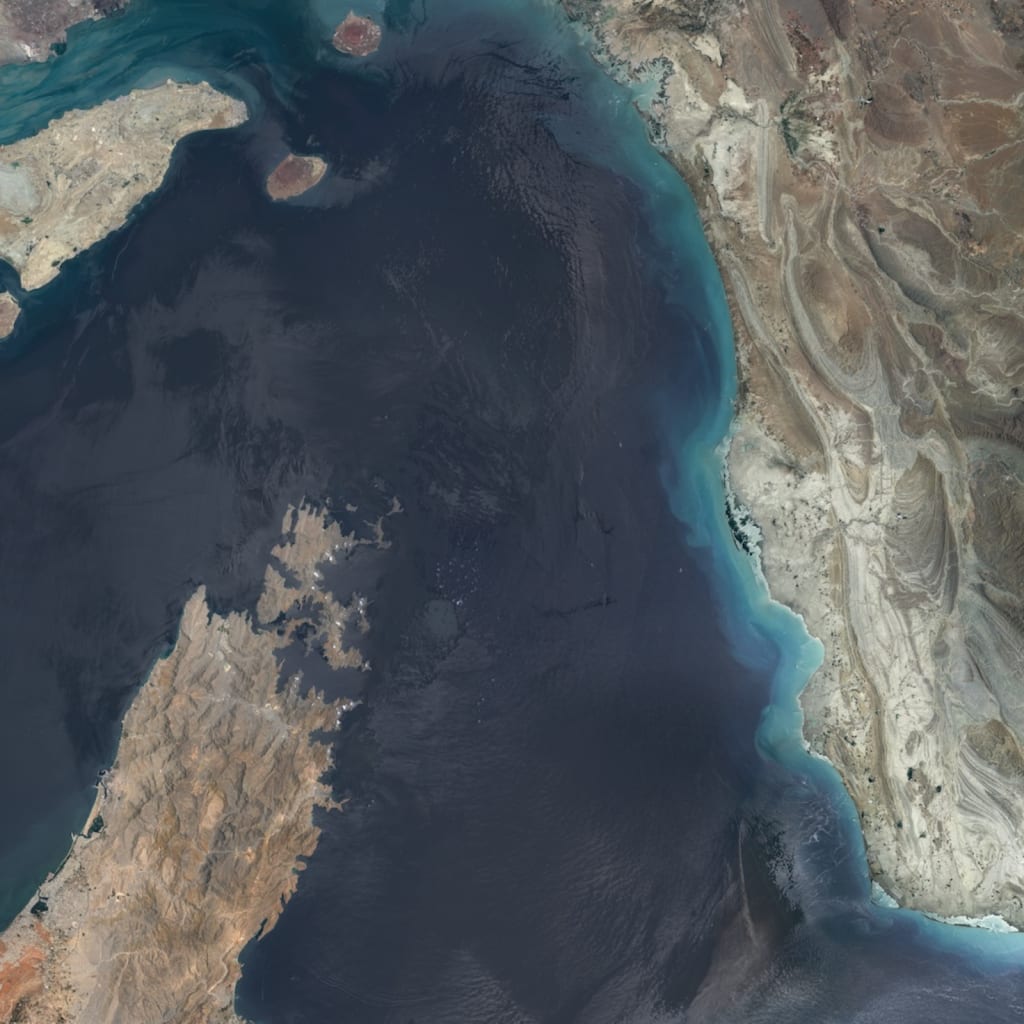
While world energy markets are in upheaval over the halt in fossil fuel shipping through the Strait of Hormuz, there is also a brewing crisis over a sharp cutback in food supplies that normally transit the Gulf.
By Michael Werz


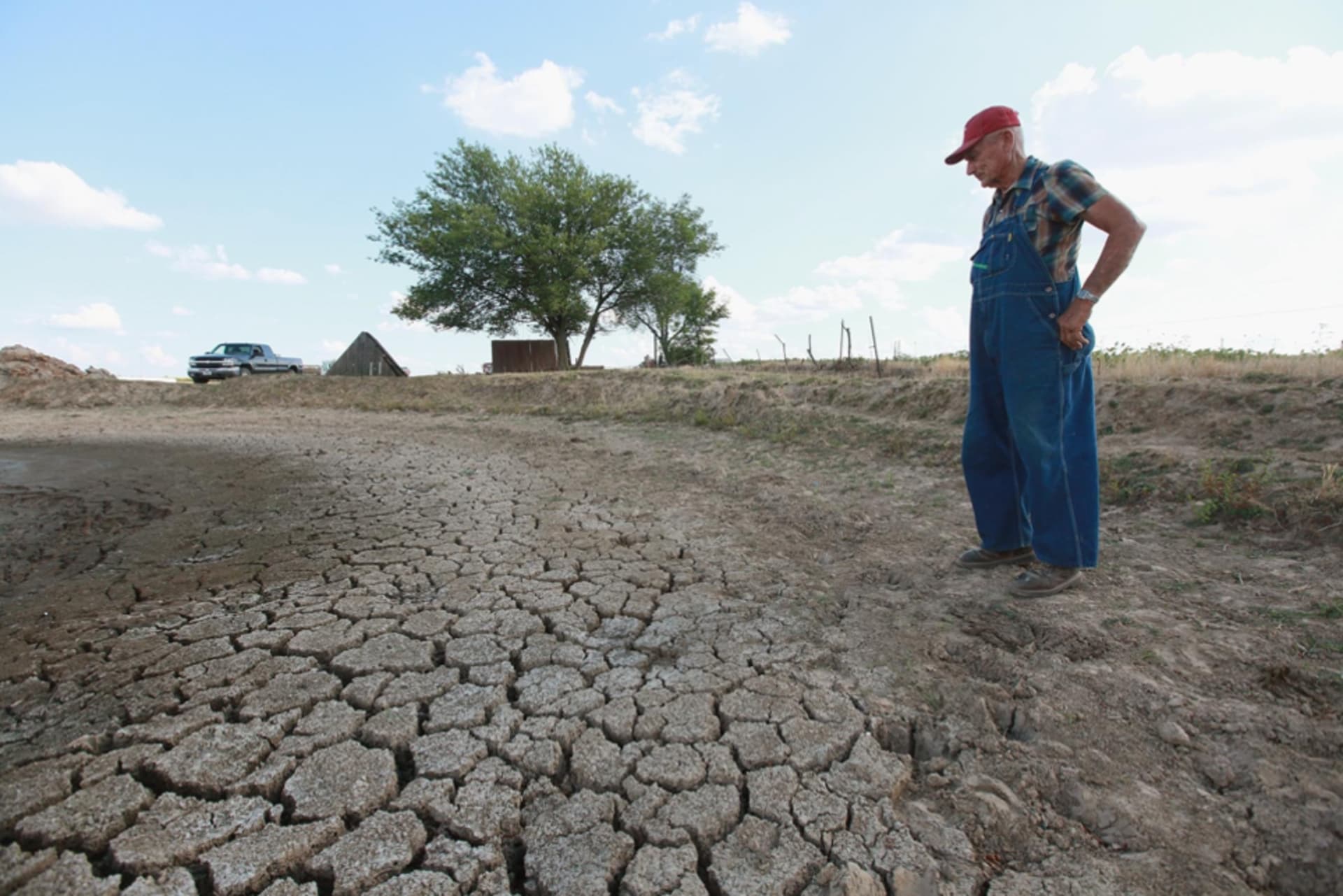
Flash droughts are severe droughts that rapidly intensify over weeks rather than seasons, desiccating land and ravaging livelihoods without warning. As a result, governments need to treat them as a distinct policy category, with their own indicators, thresholds, and intervention levers.
By Swathi Veeravalli and Kiersten Johnson
In 2025, 266 million people across 47 countries faced acute food insecurity — nearly 23 percent of the population assessed, and more than double the level recorded a decade earlier. A further 645 million people experienced chronic hunger, and 2.1 billion were moderately or severely food insecure.
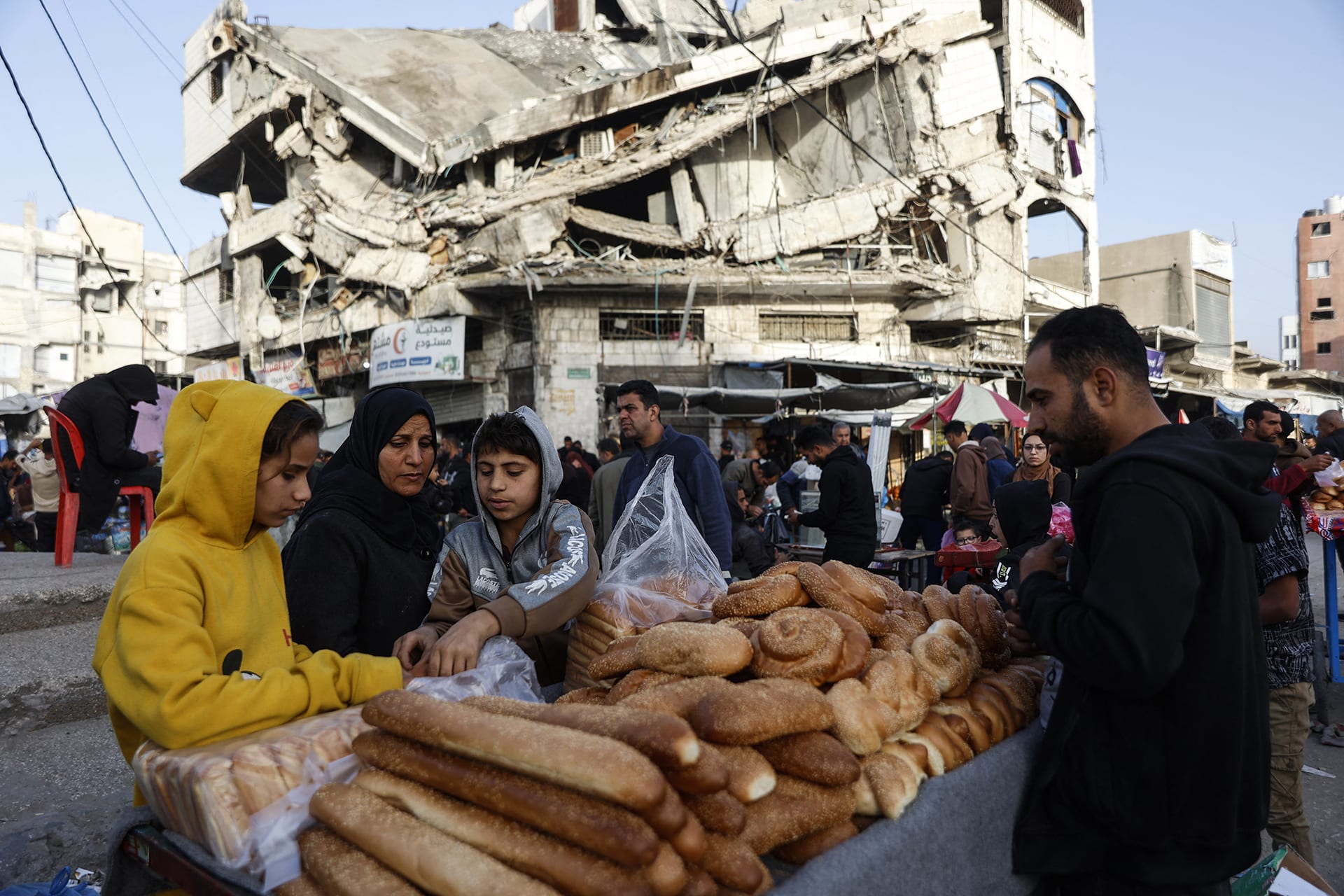
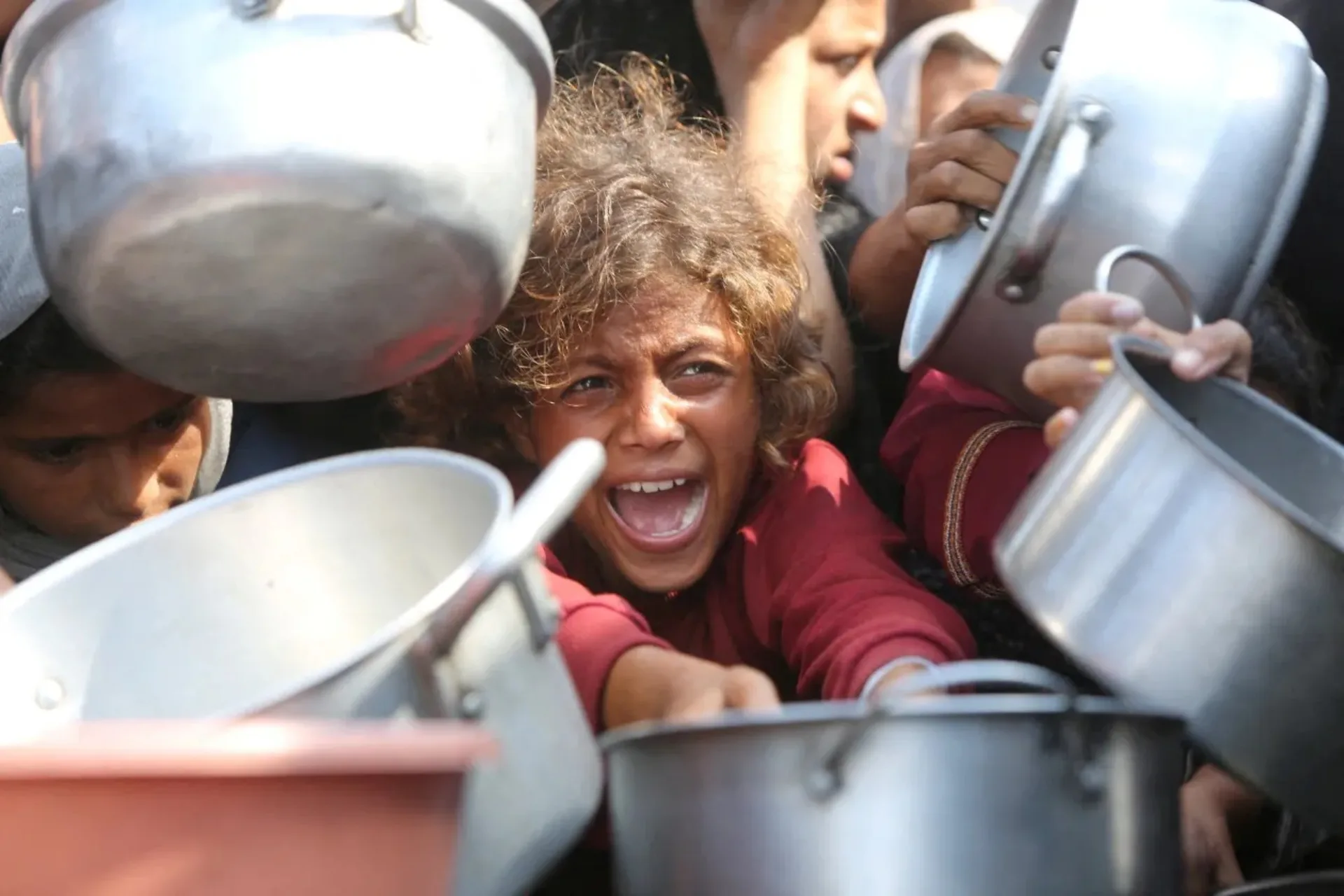
Why this is a security problem, not a development one. Conflict is the primary driver of acute food insecurity, and more than 80 percent of the people facing it live in protracted crisis contexts, where war compounds weather extremes and economic shocks. In 2025, for the first time in the ten-year history of the Global Report on Food Crises, two famines were confirmed in the same year — in parts of the Gaza Strip and in Sudan.
The two trend lines now run in opposite directions. Global hunger fell for a third consecutive year in 2025. But acute, conflict-driven food insecurity keeps rising and concentrating in fewer, more violent places. Drought, flooding, water scarcity, and failed crops set the conditions; war determines who starves. That divergence is the premise of CFR’s Food Security program: food insecurity is not a humanitarian footnote to conflict but one of its most reliable products — and, increasingly, one of its instruments.

World Food Prize Podcast

Marketplace

Deep Dish on Global Affairs Podcast
Forum for the Future of Agriculture
The CFR Food Security Program examines how disruptions to global food systems drive political instability, conflict, and humanitarian crises.
Operating under the Wachenheim Center for Peace and Security, the program produces rapid-response analysis, convenes senior policymakers and practitioners, and builds the frameworks needed to treat food insecurity as a national security challenge — not a development afterthought.

Senior Fellow

Ralph Bunche Senior Fellow for Africa Policy Studies

General John W. Vessey Senior Fellow for Conflict Prevention and Director of the Wachenheim Center for Peace and Security

Fellow

David M. Rubenstein Senior Fellow for Energy and the Environment
13 results
 Expert Take
 Expert Take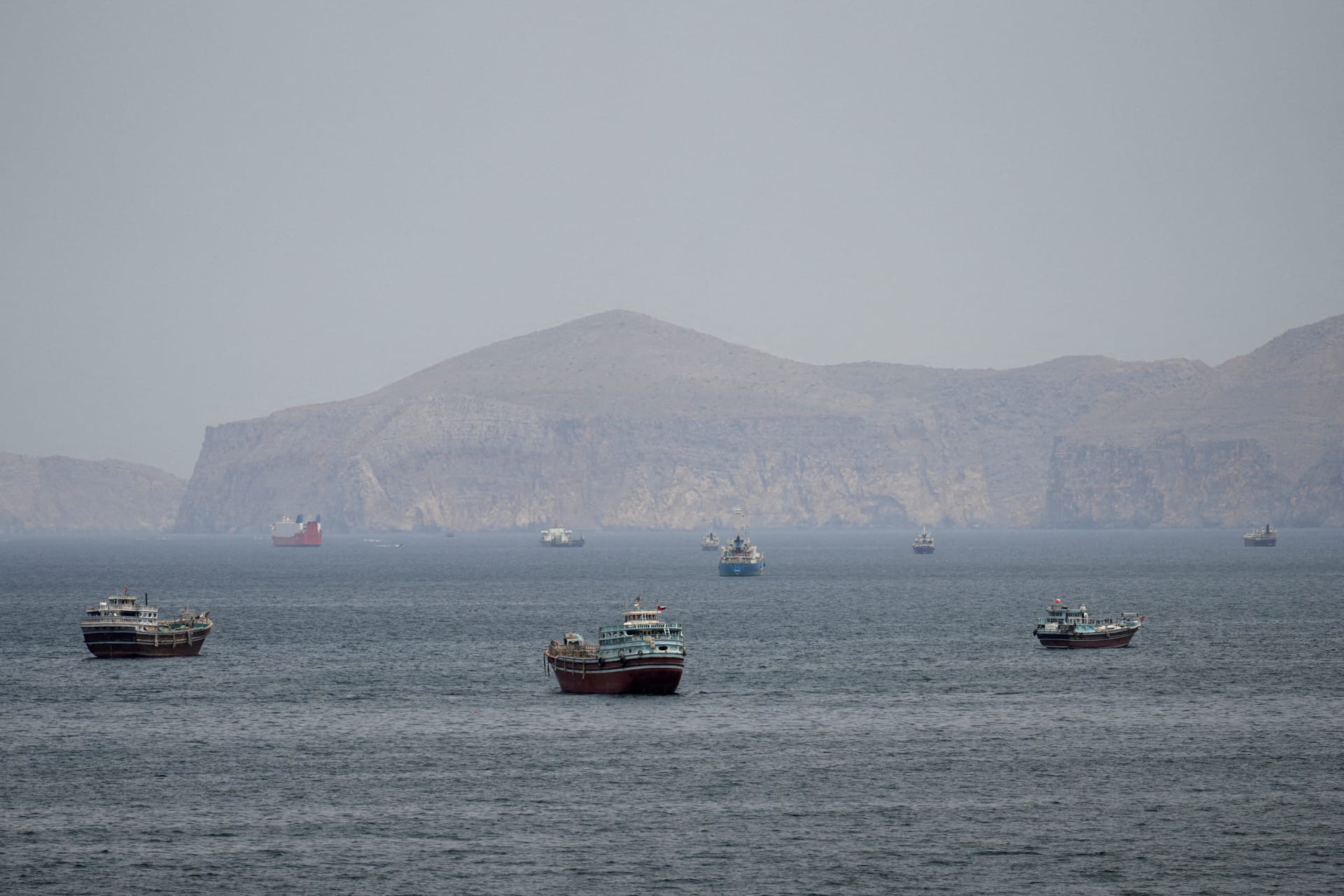
 Expert Take
Marketplace
 Expert Take
World Food Prize Podcast
Foreign Affairs