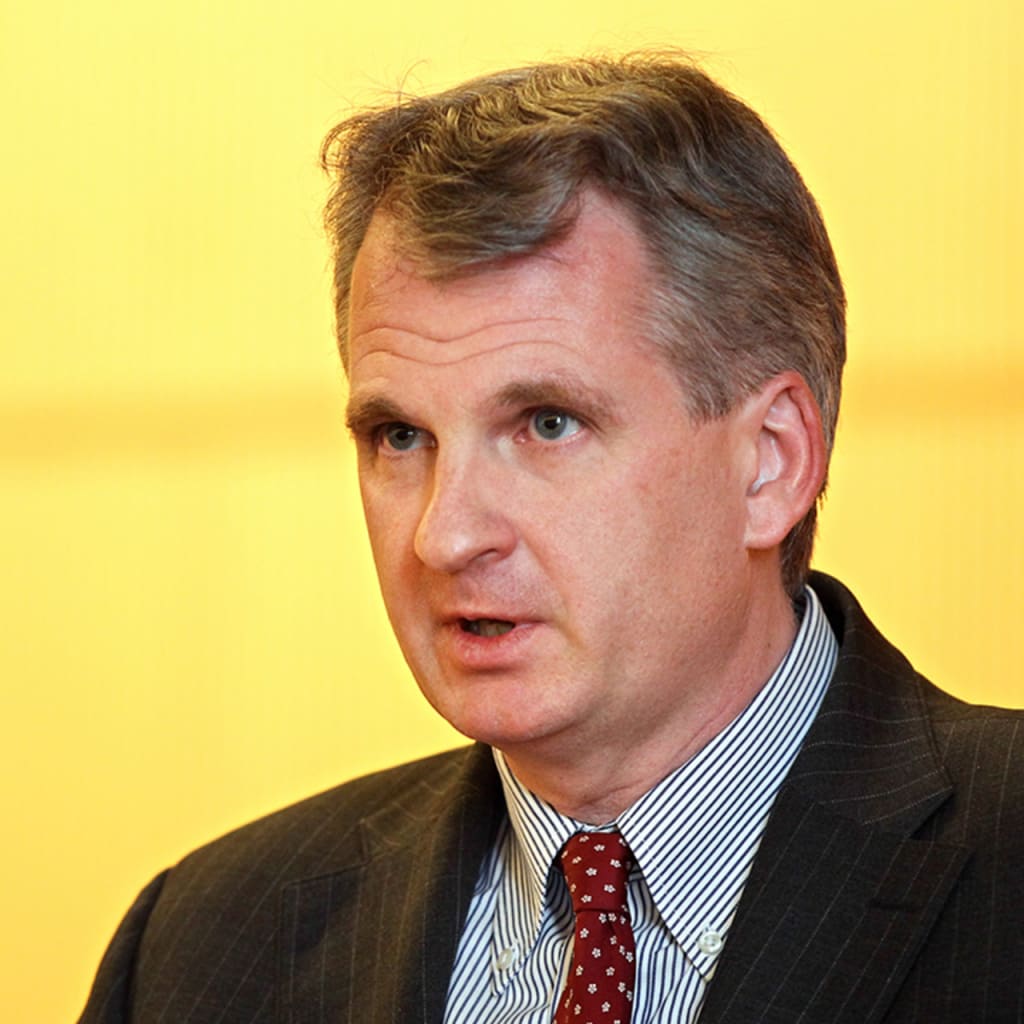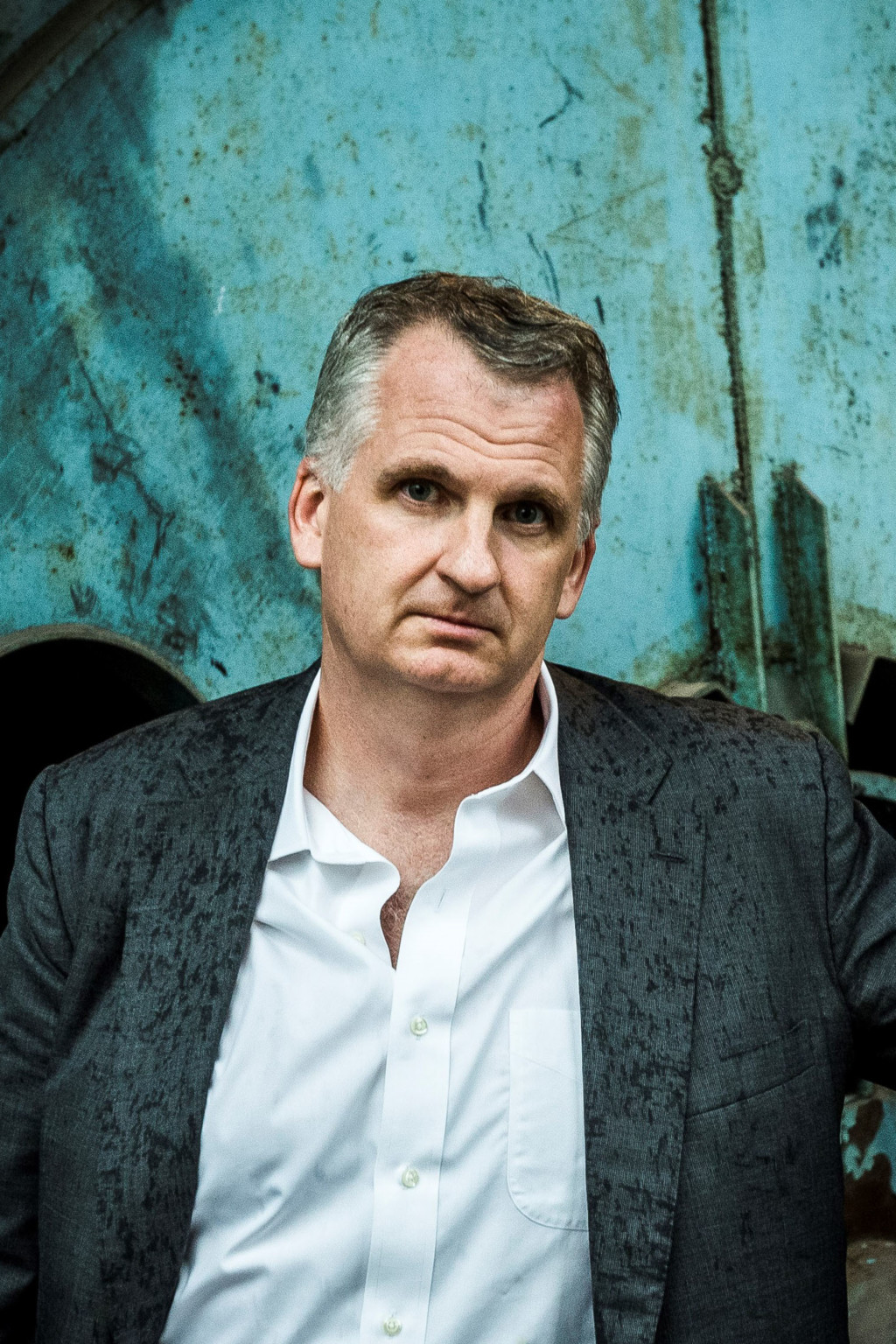
Timothy Snyder is senior fellow for democracy at the Council on Foreign Relations (CFR). He is also the Richard C. Levin Professor of History at Yale University, where he teaches courses on modern Eastern European political history, the Holocaust, Eastern European history as global history, and the dynamics of international crises in European political history. He is also a permanent fellow at the Institute for Human Sciences in Vienna.
Snyder has authored sixteen books and co-edited three more, covering a range of topics including the history of Central and Eastern Europe, the Soviet Union, and the Holocaust. His books have been published in more than forty languages and include the seminal works Bloodlands, Black Earth, On Tyranny, The Road to Unfreedom, and Our Malady. His latest book, On Freedom (2024), identifies the practices and attitudes needed to create a thriving government, drawing from philosophers, political dissidents, contemporary thinkers, and his own experiences.
Snyder’s list of accomplishments includes the Literature Award of the American Academy of Arts and Letters, the Václav Havel Foundation Prize, Guggenheim and Carnegie fellowships, and the Hannah Arendt Prize. His work has inspired poster campaigns and exhibitions, sculptures, a punk rock song, a rap song, a play, and an opera. He has appeared in over fifty films and documentaries.
Snyder writes and speaks in the international press on Ukraine, American politics, strategies for averting authoritarianism, digital politics, health, and education, also appearing in documentaries, on network television, in major films, and as an expert witness to Congress.
As an ambassador to United 24, he launched the Safe Skies fund for Ukraine’s military defense. He also leads the Ukrainian History Global Initiative, a foundation for research on Ukrainian prehistory, Indo-European languages, international relations, nation-building, and imperialism.
Snyder received a BA in European history and political science from Brown University and a DPhil from the University of Oxford, where he was a British Marshall Scholar.