LGBTQ+

  • United States
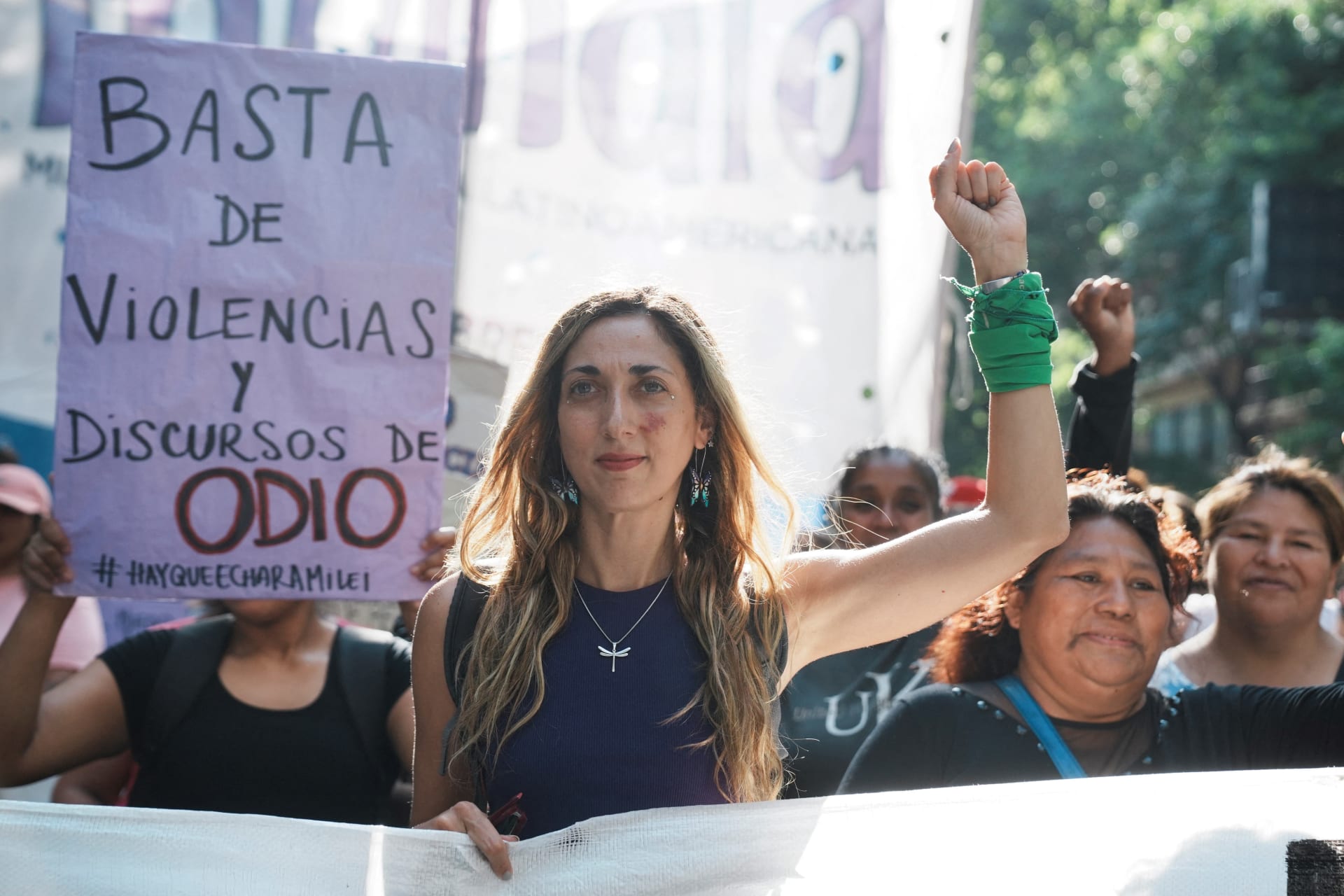
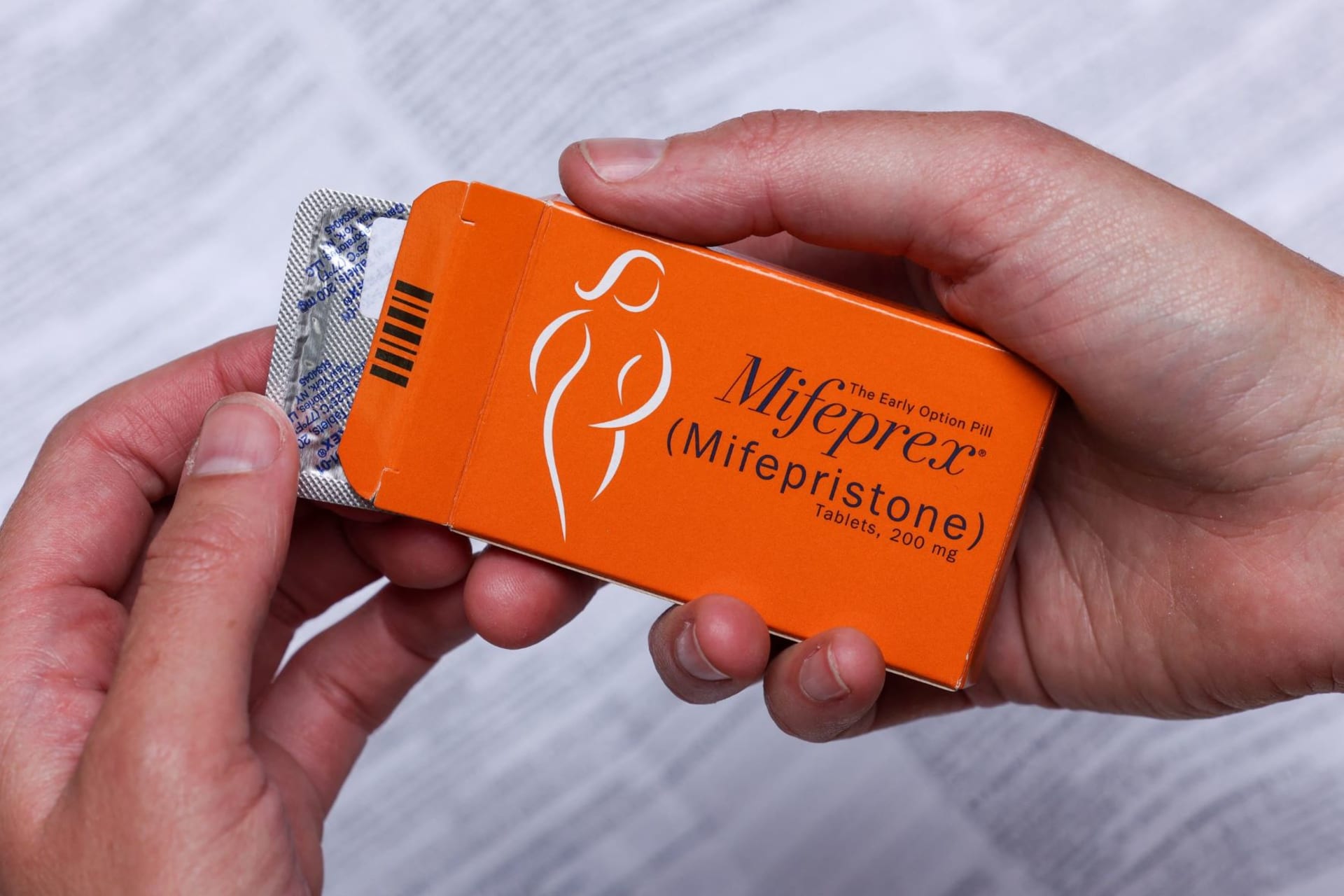
    Women This Week: Women in the United States Are Losing Access to Reproductive Health Services
    Welcome to “Women Around the World: This Week,” a series that highlights noteworthy news related to women and U.S. foreign policy. This week’s post covers March 18 to March 24. 
  • Human Rights
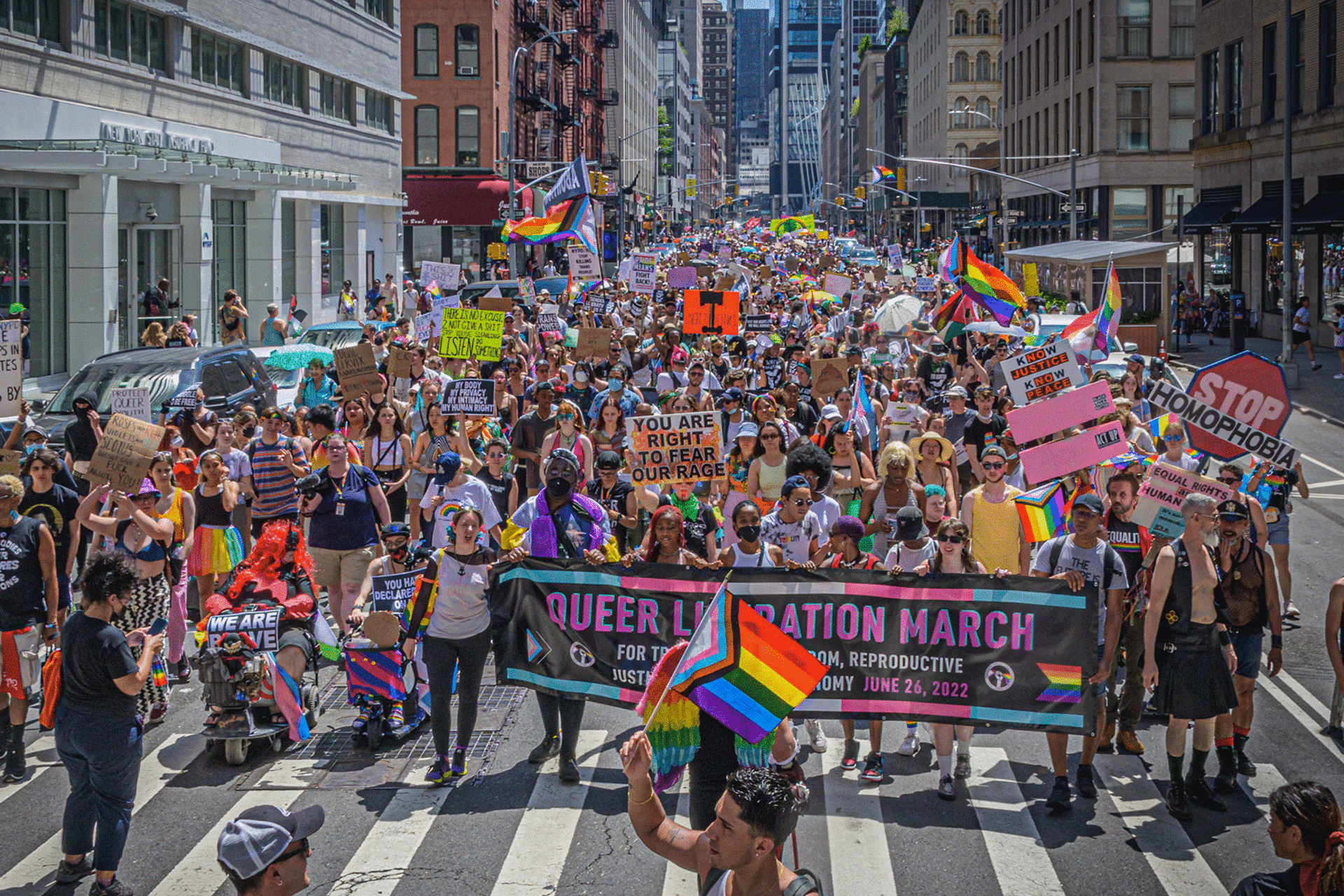
    Marriage Equality: Global Comparisons
    A growing number of countries are legalizing same-sex marriage amid a steady advance in rights for LGBTQ+ people, but opposition remains strong in many others.
  • Human Rights
    Reporting on LGBTQ+ Issues
    Play
    Neela Ghoshal, senior director of law, policy and research at Outright International, provides an update on U.S. efforts to advance a more inclusive U.S. foreign policy on LGBTQ+ rights. Steve Rothaus, former LGBTQ+ issues reporter for the Miami Herald, discusses reporting in a way that promotes tolerance and acceptance for LGBTQ+ individuals and communities and ensures their representation in civic discourse. TRANSCRIPT FASKIANOS: Thank you. Welcome to the Council on Foreign Relations Local Journalists Webinar. I’m Irina Faskianos, vice president for the National Program and Outreach here at CFR. CFR is an independent and nonpartisan membership organization, think tank, publisher, and educational institution focusing on U.S. foreign policy. CFR is also the publisher of Foreign Affairs magazine, and, as always, CFR takes no institutional positions on matters of policy. This webinar is part of CFR’s Local Journalists Initiative created to help you draw connections between the local issues you cover and national and international dynamics. Our programming puts you in touch with CFR resources and expertise on international issues and provides a forum for sharing best practices. Thank you for taking the time to be with us today. This webinar is on the record, and the video and transcript will be posted on our website after the fact at CFR.org/localjournalists. We are pleased to have Neela Ghoshal, Steve Rothaus, and host Carla Anne Robbins to talk about reporting on LGBTQ+ issues. Neela Ghoshal is senior director for law, policy, and research at Outright International, an organization working to eradicate the persecution, inequality, and violence faced by LGBTQ+ people around the world. Previously, she served as an associate LGBT rights director and researcher at Human Rights Watch for fourteen years, leading global initiatives on LGBTQ rights and conducting research and advocacy on rights violations in Africa, and she’s also worked closely with the network in solidarity with the people of Guatemala, the Bronx Defenders, and the New York City public schools. Steve Rothaus is a freelance journalist covering LGBTQ issues in south Florida with more than two decades of experience at the Miami Herald, where he was LGBTQ issues reporter. During his time at the Herald, he was part of a Pulitzer Prize-winning team for breaking news coverage of Hurricane Andrew and co-producer of the Emmy award-winning documentary film The Day it Snowed in Miami, a chronology of the LGBT rights movement. He also served for five years as a national board member of National Lesbian and Gay Journalists Association where he founded their Newsroom Outreach Project and traveled the country visiting newspapers, TV stations, and universities to discuss LGBTQ news coverage and workplace issues. And, finally, Carla Anne Robbins, our host. She is a senior fellow at CFR. She’s the faculty director of the Master of International Affairs Program and clinical professor of national security studies at Baruch College’s Marxe School of Public and International Affairs, and previously she was deputy editorial page editor at the New York Times and chief diplomatic correspondent at the Wall Street Journal. So, Carla, with that, I’m going to turn it over to you to take the conversation away. ROBBINS: Thank you so much, Irina. Thank you much, Steve and Neela, and thank you so much to all the journalists on this webinar. We so much appreciate the work that you guys do, and we know what a challenging time it is to be in the news business. I had it so much easier. So, we’re going to start—Steve, if I might start with you. ROTHAUS: Sure. ROBBINS: So I read the profile of you in the Columbia Journalism Review. It was a great piece and we will share it with everybody. And so I was intrigued that twenty-five years ago—and we’re dating ourselves here—the Miami Herald—and my husband worked there for eleven years—a paper I never considered to be especially forward thinking, created one of the first reporting beats covering what was then, I think, called gay issues. ROTHAUS: Correct. ROBBINS: So, can you quickly tell us how that happened? ROTHAUS: Sure. I’ve been at the Miami Herald since 1985, and in the summer of 1997 that was the summer that Gianni Versace was murdered in South Beach and it became an international story immediately, and the Herald discovered that we really didn’t have anybody who could go into the LGBTQ community and, you know, who could cover it with a perspective as not being an outsider. So they came to me after the story, you know, kind of wound down and they said, Steve, you know, would you be interested in doing something. I was already the chapter president for NLGJA so I was fully out. So they asked me if I would be interested in, basically, covering the community in some way but they really had no idea what or how. And so, you know, I said yes, with one condition and that was that my stories run the entire run of the Miami Herald, which at the time probably was five (hundred thousand), six hundred thousand, you know, circulation. I didn’t want them to zone my stories to where they thought gay people lived, such as putting it into the Miami Beach Neighbors book, and they immediately agreed that anything that I wrote would have to run the full run and, really, that’s how it started. And, you know, I worked with a couple of other people at the time. We were going to rotate a column. But very quickly I ended up being THE columnist and, you know, so within months, I mean, the word got out that we were doing this kind of work and the next year, GLAAD—the Gay and Lesbian Alliance Against Defamation—they recognized our work by, you know, presenting to us the GLAAD Media Award, and at that time there was only one other person, you know, in the newspaper category who was, you know, running, you know, or nominated for an award, and I happened to win it. But it was kind of amusing back then. I mean, obviously, things have changed so much. But, you know, I have to say that when I started at the Herald I had the very concerns that you spoke about—was this going to be a safe place for me to be an out gay man. I was already in a relationship with someone who many of the people at the newspaper knew because he had taught journalism at Florida International University. So, you know, he had actually taught many of the people I was going to work with. And, you know, at the time, one of my professors at FIU—I was a student there, not one of Rick’s students but someone else’s—and, you know, he was the one who he told me about the job at the Herald. He was somebody who you might know from that era because he was the one-time editor of Tropic magazine, Kevin Hall (sp). And, you know, he asked if I’d be interested in a job. And just very briefly, you know, when I said, yes, absolutely, and he said, great, because as you know—just so you know that we’ve already asked, like, three people at FIU and they all said they didn’t like the hours of the job. So, I mean, they didn’t like the hours. They didn’t want to work nights. But I knew that was my foot in the door, and at that time, not coming from an Ivy League school, I knew that I had to go in and do whatever it is I needed to do. So I worked on the police desk for a year and a half and, you know, one thing led to another. By 1988, I was the Key West—Keys reporter. So I was promoted pretty quickly and did well, and down in the Keys I covered, you know, the gay community. But it wasn’t my beat. It was something that was part of my beat, and at that time in 1988 Key West had the highest AIDS rate in the entire United States per capita. So it was a huge story and a huge part of my job. And I was out. In the end, they didn’t even like my coverage because I was writing about things like gay bashings and HIV/AIDS—things that were never actually covered even in Key West by the Miami Herald. And, you know, so it was a learning experience for everyone because, you know, you should be careful what you ask for. They wanted coverage until I began to cover things that made them uncomfortable. And, you know, my job was to cover Key West for the Miami Herald and that meant writing about people who were victimized because they were gay and it wasn’t—I wasn’t presenting the image that they wanted for Key West. When I wrote the first front-page stories about HIV and AIDS in Key West, the immediate response was, oh, my God, no one’s going to want to swim in our pools. I was, like, that’s not my problem. I’m a reporter. And that’s how I, basically, maintained myself for the rest of my career at the Herald as I covered LGBT, to the point where I was interviewing and had access to people on who—the other side—you know, the people who were, you know, leading initiatives to ban anti-discrimination ordinances or to ban gay marriage—I mean, all of these things, and I had access because they felt more comfortable talking to me than they did with many of my non-LGBTQ colleagues. It was something I really worked very hard to be fair. ROBBINS: So, I’m going to ask—go to Neela and then come back to you because I want to talk more about this, you know, question of having gay people cover gay issues. And, I mean, do women have to cover women issues? Do Black people have to cover Black issues? I mean, this is sort of a basic—a basic question. I mean, there’s an empathy. On the other hand, there’s also the ghettoization potential there for reporters, and so this is an interesting question. So, Neela, first, and I want to talk about what you actually do. But I want to talk to you, first, as a smart person who consumes news. As a consumer of news, how do you think we’re doing, generally, these days? We’re not—it’s not 1987. It’s not 1997. You know, I would think that we’ve come a ways here. I mean, even Republicans voted for love is love suddenly for the Republican Party. So, how do you think we’re doing covering issues of gender identity, issues of—all of the issues that now cover—it’s no longer just gay issues. GHOSHAL: Yeah. Thank you for the question. So, I’ve been working on global LGBTIQ human rights issues for the last ten years and for much of that time I was based outside of the United States. I worked in east Africa for Human Rights Watch, initially working on other issues and then working on LGBTIQ issues, but from East Africa for many years, and so I often consumed U.S. news as someone who was seeing things from a not quite American perspective. So, I would say a couple things. On the one hand, it’s clear that coverage has improved dramatically in the last several decades and I can say a little bit more about that. But I also would say that one pitfall that I saw occasionally from my base in Nairobi for most of that time was that sometimes there was a bit of a kind of condescending or White savior angle when the issues of LGBTIQ people around the world were discussed. And so I would see headlines like top ten most horrible places for gay people around the world, which is not a helpful story for anybody working in the movement, for anybody living in those countries. I would see stories about kind of White or Global North-based folks who were doing things to save LGBTIQ people in places like Uganda and often the perspective of Ugandans was missing. So this is, again, something that I would say has gotten better in the last few years but where there’s still work to be done. One of the interesting things that we’ve discovered at Outright International, where I work now, is that we’ve been able to identify LGBTIQ organizations in every country in the world except about twenty-two, and it’s possible that they exist in those twenty-two countries and that we just haven’t been able to access them as an international organization. And I think a lot of American readers would be astonished to realize that in Zimbabwe, in Cameroon, in Malaysia, there are thriving LGBTIQ movements that are capable of speaking in their own voices. So the more that can be done to elevate those voices the better. The other issue that I think has really improved a lot in the U.S., I would say, I’d say that there’s some other parts of the world, and I will name the U.K. as one, where sensitivity around this issue is somewhat lacking is the issue of transgender people. I think that a lot of stories about trans people continue to sensationalize them and give airtime to arguments that are completely not evidence based like arguments around trans women being a threat to cisgender women or the idea that if we allow people to self-identify, if we allow people access to what we call legal gender recognition on the basis of their own identity, that this somehow poses a threat and will lead to swarms of men in women’s restrooms, et cetera. And so the U.S. media has typically dealt with that more sensitively than the U.K. media, for instance, but there’s still work to be done in terms of getting trans people, again, to speak in their own voices and not to amplify or give a microphone to kind of voices of hate that are not basing their arguments on any evidence. ROBBINS: Thanks for that, and I want to come back to, you know, some of those issues that you raised. But, Steve, to get back to you, you described a Miami Herald that I remember and one that makes me very sad because, certainly, the circulation of Miami Herald is no longer six hundred thousand, nor for most local newspapers around the country. I mean, the Herald could afford to take an experienced reporter and devote you to one community. ROTHAUS: Correct. ROBBINS: And but, today, very few newspapers have the resources to devote an experienced reporter or any reporter to a single community. So, given that, beyond the question that I asked before, whether you got to be gay to cover gay people, how does any person prepare themselves to cover this community and what would you tell them to prepare them to cover it because you can’t—I mean, most newspapers are not going to create this single beat because they can’t afford it. ROTHAUS: You know, unfortunately, towards the end of my time at the Herald they were giving me more and more work to do that was not on the beat. They gave me more editing responsibilities so that by the time I retired, very—a very small part of my job was covering LGBT. And, you know, I said to some of my peers, I said, I’ve—you know, it’s unfortunate, but I know that when I leave they will not be replacing me on this beat, and they didn’t. So, I mean, and this is not something that’s—you know, particularly, the fact that it was an LGBTQ beat—but it was any beat. They’re not filling jobs. And, you know, we were—this was a time before the company actually, you know, went through a bankruptcy. So it’s a very unfortunate time for the people who remain in the industry but worse than that, I think, is it’s an unfortunate time for the consumers of news. And, you know, so there are limitations. But I believe that, you know, it’s across the board. I don’t think that the LGBT community is, you know, any less covered than—you know, than the Christian far right, you know, outside of places like Fox News or MSNBC where they really focus on those kinds of issues. But, otherwise, I mean, they’re just fortunate, they feel, to be able to cover the school board and, you know, so this is—it’s a problem, and they take people who don’t have beats and they put them on stories that they really know very little about and they have to learn along the way, and this is the reality of the modern newsroom— GHOSHAL: And I think that— ROTHAUS: —that—if you’re on a breaking news desk. Yeah. ROBBINS: But that’s why I’m asking the question here— ROTHAUS: Sure. ROBBINS: —because I suspect that’s why we have so many people who logged on today, which is, you’re going to probably take a reporter who’s got three or four topics that they have to cover. Maybe, you know, an editor will say, OK, you cover social justice issues and—of which this is part of it. Or maybe you’re just a general assignment reporter and if you’re interested in this you can add this to your portfolio. But if you were going to run a boot camp, for example, to prepare someone to cover this community in an insightful way—and I’m not talking about walking on eggshells here, I’m talking about it in an insightful way—that treats the community fairly but also, you know, does it, you know, with the same—you know, without fear or favor, the way we cover everything else, what would that boot camp cover? And I’m going to ask you both that question. ROTHAUS: Sure. Well, I mean, I think that the way I covered it I had to juggle that, you know, there were activists in the community, many of whom saw me as, you know, a friend or a peer and didn’t quite relate to the fact that I was a reporter—that my job was not to, you know, be their friend but to show up at their events and to talk to them and get to know them well but that, you know, there were times I was going to be writing things that displeased them, and that’s exactly what we’re seeing today. There are stories out there that people will be pressured not to write because it will make a particular community, they feel, not look good. And I think that it’s the basic tenets of journalism, and you go in like anything else, no matter the beat. You may not know it but you’re going to learn it really quickly if you go to the right places and look for the right things. I mean, it’s much easier today to get information than it was when I started, that’s for sure. I mean, you know, people—they live on Google. They do searches. They go through Facebook and Twitter, and there are plenty of ways of finding sources and that’s the key is to find reliable people that you can turn to and that you trust and who will help make you look good. I mean, it’s all sourcing. ROBBINS: I think—I mean, you shared before, and we will share it with the group—you shared before two style books that seemed really important, and I was doing my homework because I actually do my homework before these things and looking—I was looking at the AP and the New York Times to see what—you know, how they are using different language—initialism, my new word. I told you guys that. And that style book seems really important. I mean, language is really important for making the community feel comfortable to trust you. But the terminology is also changing and it changes, you know, pretty quickly. So, Neela— ROTHAUS: And that’s like— ROBBINS: Yes? ROTHAUS: I just want to say that, you know, part of the problem in the industry is that we are a group of people, generally, who don’t do well with change—(laughter)—and when I talk about change I mean talking about style changes that—you know, I mean, look, the New York Times still puts, you know, periods in between LGBTQ and they’re the only news company that still does that. But you ask why and, you know, it’s because this is what the New York Times has decided is the way it wants to present, you know, an acronym, and, you know— ROBBINS: Back off. (Laughs.) ROTHAUS: —every time a letter—every— ROBBINS: I’m a former New York Times editor. (Laughs.) ROTHAUS: I know that. That’s why I can say it. But the fact that every time a letter gets added. You know, when I started, as you said, it was gay. I was the gay issues reporter, and then suddenly it was gay and lesbian. And, you know, you had mentioned LGB and LGBT and LGBTQ, and then the Q was, you know, offensive to some people but embraced by others. Years ago, 1999, 2000, there was a TV show called Queer as Folk, which had started in England and then Showtime, you know, did an American version and it’s still running. But we did a cover story on our weekend section for the Miami Gay and Lesbian Film Festival, which, of course, isn’t called that anymore. But we did a cover story and we called the cover “Queer as Film,” and that cover was produced by, you know, myself. I did it. A gay graphic artist, gay copy editors—we were all gay. And do you know that because we used the word queer in the headline we all got these horrible phone calls from people how homophobic we were—how dare we. You know, and—you know, that still hasn’t changed dramatically among certain people. So there is no right way to say it or not because you’re going to hear controversy even within the community. ROBBINS: So that’s—I mean, that’s—but this is, I think, a potentially very intimidating thing if you are a nongay reporter— ROTHAUS: Right. ROBBINS: —and you are sent into a community and told to go and cover, you know, without fear or favor, which goes back to my boot camp thing. So, Neela, tell me what’s the best way to be a good reporter, which doesn’t mean you necessarily have to be all that sensitive—just to be a good reporter. I’m not sensitive when I cover the Pentagon. Why should I be sensitive covering anybody? I just want to be a good reporter, which means I want to get people comfortable enough that they actually talk to me so I can do the right reporting. So, tell me—you know, tell me what it is I need to know to do a good job of covering this community. GHOSHAL: Yeah. Thank you for that question, and it’s funny that Steve said that the media is very slow in adjusting to new terms and acronyms, and I think that our communities are some of the fastest in the world in changing the terminology and acronyms that we use to refer to ourselves and nobody can keep up with it, including ourselves. And so that’s just—(inaudible). I think that if you come into this with good intentions and you are willing to adjust to the circumstances on the ground people will recognize those good intentions, and you will always find people who just have a bone to pick with everything. And so I’m sure, you know, whatever acronym you include in your news story you will get comments in the horrible comments sections from people saying, why didn’t you include A for asexual, right, or why didn’t you include queer—you just said gay and lesbian. And for— ROBBINS: Wait. Wait. I thought A was allies. GHOSHAL: A can be asexual in many—(laughs)— ROBBINS: I’m just kidding. GHOSHAL: —in many versions of the acronym. I mean, the craziest version of the acronym that I’ve seen actually comes from the Ghanaian parliamentary opposition that has introduced a bill that would criminalize LGBTTIQQAAP people. So they’ve included—and this is an opposition bill, right, hostile to our interests—they’ve included transgender, transsexual, pansexual, ally, asexual, queer, questioning, in addition to all the other things that we’re a little bit more used to, which just goes to show kind of how far those who are opposed to our communities will go to cover all of us in any kind of hostile law that they’re promoting. So that’s the issue, right. So if someone writes a story and says gays and lesbians in Ghana are under attack, the point is the story, right. The point is not that they excluded pansexual people or some other group of people in the story. So, I would say that there will be people who will be very sensitive about it. But the most important thing is getting the stories out and not being intimidated to take on these stories. We also work in places around the world that use completely different terminology, right. We work with hijras in India. We work with communities in the Pacific that have a whole range of precolonial terminology and would not identify themselves as LGBTQ or anything else in that Ghanaian acronym. And so it’s important to try to get it right but not to let that hold you back, and just be earnest and ready to learn in your approach, which I know it’s hard to find time to do as a journalist. But I wanted to say a little bit about kind of what would be in my boot camp as well for reporters and the fact that people don’t have time to just work on this issue as their beat. One of the things that we’re always trying to emphasize in our advocacy at Outright International is that it’s hard to think of an issue that’s not an LGBTIQ issue, and so whatever issue you’re covering there’s usually an LGBTIQ angle and I would challenge anybody who’s reporting on any number of issues to find that angle, and if that angle is not there and if that LGBTIQ voice is not there to know that probably a part of the story is missing. And so I think of issues that we’ve been working on in the last year, right. We’ve been working on the Taliban takeover of Afghanistan and how that’s impacted queer people. We’ve been working on the war in Ukraine and how the policy that prevented men from crossing the border was also preventing trans women from crossing the border. Now we’re also looking in Ukraine at Russian war crimes and how those are impacting LGBTIQ people. When we look at things like immigration, asylum, these are, clearly, LGBTIQ issues. People who were stuck in Mexico, who continue to be stuck in Mexico, under Title 42 and other Trump administration policies who are queer are affected disproportionately by those policies. Obviously, if we look at education it’s an LGBTIQ issue. We have people like Kevin McCarthy, who are threatening to undo so-called woke ideology—this is his term—and the first thing he wants to do is go after any teaching about sexuality and gender in the schools. Climate change, right—the last climate conference was held in Egypt. This was a real issue for queer civil society activists, who would have wanted to participate in that conference, because Egypt is not a safe space—is one of the countries that’s most hostile to and most routinely arrests and prosecutes LGBTIQ people. And so in almost anything that’s happening in the world there is that angle and that would be kind of my boot camp. Find that angle and get it out there to readers. ROBBINS: So I want to turn it— ROTHAUS: So, Neela— ROBBINS: Yes, please. Steve? ROTHAUS: —I just want to say that, you know, things you’re talking about, you know, to me, it’s very heartening to me to know that there are people who now are coming on board, younger people, where, generationally, they don’t understand any of the reasons why we wouldn’t be included. When I started covering LGBT they—you know, just having a gay mother or a gay father on Mother’s Day or Father’s Day was considered to be groundbreaking, and the idea of finding, you know, a gay LGBTQ person for any story, to me, it’s very gratifying that we’re at that point. But it’s the truth. I mean, when I first started writing about this the features editor, you know, was bringing me on board for this project and she said to me, is there enough to sustain a twice a month column in Miami. ROBBINS: You mean are there enough gay people out there? ROTHAUS: Are there enough gay stories. I mean, are there enough stories that they could commit to running this column twice a month. And, you know, my reaction was—I would have liked to have done what you just did, to laugh. But I had to, you know, basically, you know, with a straight face, you know, very calmly say, look, for every gay person there’s a story. There’s a story, just as there is for anybody, and we just need to look for them and find them and write them. And she understood that then, but her immediate reaction was, like, how can we sustain this beat. You know, we’ve come a long way in the twenty-five years since, and the fact that the people who are, you know, listening to this conversation or watching this, you know, they don’t come in with the same baggage that so many reporters had twenty-five and thirty years ago when I was in the business starting. And, you know, I didn’t—what’s taken for granted today and that’s why I feel very comfortable that, you know, this coverage will continue just in a matter of fact way and that there may not be a beat but that you can find ways of writing about people in any story. ROBBINS: So, writing about people is one thing. Writing about policy is another, and policy is really important, not just because I’m a policy nerd, because policies, you know, affect people’s lives in a pretty fundamental way. ROTHAUS: But that’s the key. You know— ROBBINS: And as Neela raised, you know, what Kevin McCarthy is talking about and there’s a major shift in Washington coming, and a lot of this action is taking place in the states. So can we talk briefly—and I’m going to turn it over to the group for questions so, guys, can you please get ready to raise your hands and I’m going to call on you. Please—you’re reporters. I’m sure you’ve got lots of questions. Can you just talk—tee up a little bit, you know, what policy stories do you think are out there right now, what things we should be keeping an eye on that are going to really have a major effect on this community in—you know, in coming months? Because there’s major political shifts going on in Washington—some for good, some are bad—and a lot of this stuff that’s playing out on the state level. Neela, you want to pick that up first, and then Steve? GHOSHAL: Yeah. I can say a little bit about that. I mean, I actually work in a global organization and our version of global doesn’t really include what’s happening in the U.S., let alone in the states. But we look a little bit into U.S. foreign policy and how it impacts the rest of the world and we also look a little bit at how what’s happening in the rest of the world is impacting developments in the U.S. And so when I look at developments at the state level—and I hope that Steve can bring more expertise to this question—we’re seeing a lot of kind of tag team around the world from different actors in what we describe as the anti-gender movement. We also sometimes call this movement the anti-rights movement because its critique of gender is fundamentally related to a critique of human rights and democracy. And the anti-gender movement includes people like Viktor Orbán of Hungary, who Ron DeSantis, when he brought forward the “don’t say gay” policy, said that he was inspired by Viktor Orbán, who had passed a bill the year before in 2021 that, basically, prohibited people from bringing up issues related to sexual orientation or gender identity around children, right. So there’s a lot of kind of cross-pollination here. In Brazil, there have been efforts for the last eight years or so at the state and municipal level to prohibit discussions of sexuality and also of gender in schools. Even the idea of gender as a social construct there have been attempts to legislatively ban that, which so far the supreme court in Brazil has pushed back against. And so these issues are not new to the United States. In some cases, they’re coming into the United States after having been kind of spawned elsewhere, and then in other cases they are coming up in the United States and, unfortunately, the influence that the U.S. has abroad and kind of the mouthpiece that the U.S. has abroad means that these things are picked up by other people, like the politicians in Ghana, who I don’t think came up with that acronym that I mentioned before on their own. So we’re concerned about state developments, even though that’s not our expertise, because we know that those will reverberate internationally. And we’re also looking at, you know, as we see things happen—like Indonesia passing a bill that prohibits all extramarital sex, right? This is something that just happened the other day. Or Russia passing a harsh anti-LGBTIQ propaganda bill, that builds on a bill that already was there that prohibited talking to children about sexuality, and now basically says you can’t produce anything about sexuality for anybody—about queer sexualities. We’re looking at this back and forth, and how these negative actors are influencing each other. So it’s definitely a matter for concern. I just wanted to mention as well that in terms of the change that’s coming in Washington, we’re really concerned. I mean, this administration has shown itself to be really probably the most progressive issues on global LGBTIQ issues ever. Of course, we also had an ally in the Obama administration, but this administration has been able to do quite a bit more. And one of the things that it’s been able to do is increase funding through Congress for global LGBTIQ human rights programming. Now, Republicans in Congress get very agitated, in some cases, around, you know, oh, the U.S. is funding a drag show in country X. No. The U.S. is funding transgender communities’ human rights organizing, which can include culture and celebration. And this is really important when we have transgender people being killed at astonishing rates around the world, and the importance of being visible and speaking up for yourself is a fundamental human rights issue. So I think we need to watch closely what the next Congress does with regard to global LGBTIQ funding and programing. ROBBINS: And that can very much be a local story, because if your local representative is a key sponsor of some of this legislation or is making a big noise on some of this legislation, this, you know, opens the way for an explainer. Not necessarily an editorial, but it opens the way for an explainer. So if somebody wanted to do an explainer on legislation that’s—or, at least somebody’s standing up there and talking about, you know, we’re financing drag shows, where would they go to get information on what—you know, what the administration’s actually doing that’s not just going to the administration? GHOSHAL: So my organization, Outright International, is part of a network called the Council for Global Equality, which is a group of—a network of organizations that work on ensuring that U.S. foreign policy is LGBTIQ inclusive. And I will pop the link into the chat. The Council for Global Equality puts out a quarterly newsletter on both executive level and legislative developments. And that’s a really good source of information in terms of what’s happening in Congress, as well as what’s happening at the—at the various different departments of the executive branch with regard to global LGBTIQ rights. You’ll recall that there was a Biden administration memo—one of the first things the Biden administration did in February 2021, was a memorandum on the human rights of LBGTQI people around the world. And although sometimes not—there’s always a little bit of a critique, right, because I’m a human rights advocate. Sometimes not with the same urgency that we would desire but, you know, bit by bit the administration has been advancing the objectives that were set forth in that memo. And so the Council for Global Equality tracks that and reports on what’s happening and where we’re still seeing lags. ROBBINS: Is there an organization that puts out, like, a calendar or, you know, alerts, or something like that about here’s legislation, or a committee hearing, or a debate, or something that could flag people to things that are happening? Not that if you’re a local reporter you’re necessarily going to be covering what’s happening in Washington, but if your representative is on that committee, or, you know, a ranking member, or something of the sort, you know, that would be—you know, that could be very much a good hook for a local—for a local story. But most people don’t have the resources to monitor what’s happening on the Hill every day, certainly not if you’re a local reporter. So is there—are there good links for that? GOSHAL: Yeah, that’s a really good question. I think Council for Global Equality does some of that. I would also look into the Equality Caucus in Congress, which is advancing pro-LGBTIQ legislation, and might have some reporting on what’s happening on the anti- side as well. And if I think of anything else—Human Rights Campaign, which mostly does domestic work, also does some following of foreign policy and might also be a good resource. ROBBINS: Great. Steve, you were going to answer that? And I would think that you are on the front lines because your state invented “don’t say gay.” ROTHAUS: Correct. I mean, you know, the whole conversation earlier with Kevin McCarthy and—you know, it was really Ron DeSantis and, I think, Neela, you know, mentioned his name before. But this is how he came in with 70 percent of the vote. Not talking about issues outside of, you know, these kinds of social issues. And there’s really nothing new or unique about any of this kind of politics. I lived here in 1977, during the Anita Bryant campaign, during that era in which, you know, they named their group, Save Our Children. That was in 1977. Save our Children from these people—these gay people. And then they would show TV commercials of men dancing in dresses and, you know, scenes from San Francisco Pride Parades, things that they knew would really get people excited and motivated to come out and vote and raise money for them. That hasn’t changed at all. And that’s exactly how they’ve pursed recently these anti-gay laws. And, you know, you talk about how to cover this, I mean, it’s obviously different today because you have politicians who don’t call you back. They don’t want to talk to reporters, and mainstream newspapers, and TV stations, certainly, or websites. You know, they’ll just put out a Twitter feed. And, you know, yeah, it happened to be the governor’s spokeswoman who put out a—you know, a tweet talking about grooming. And it’s, like, grooming, where did that come from? And then suddenly, that becomes the word. That’s what we keep hearing about. And so, you know, how do you get information? I mean, I read a lot. And I’m not reading novels. I’m reading news from all over the country, all over the world. But news that, you know, pertains to what it is that I’m interested in, but what I cover. And I put myself on every possible mailing list. Everyone’s putting out press releases today. Everybody’s giving statements. When legislation passes, such as the Respect for Marriage Act, you know, suddenly we’re deluged with email from both sides of the equation. You know, people saying how wonderful it is, and people saying how awful it is. So, you know, the resources are there. And it’s pretty easy. I mean, so much reporting today is done by going to somebody’s Facebook feed and just grabbing quotes. So, I mean, it is easy. But, you know, the thing is that in today’s world—you know, first of all, I find it difficult to separate policy from people. And that was something I just wanted to talk about a little bit, because when I covered LGBTQ people, but I did it—you know, I wrote about the policies. I didn’t just write about—but I wanted people to know—readers to know that these were real people that were being affected, whether it was children who were, you know, unable to be adopted by their gay parents or, you know, couples who wanted to build lives together and just have the same ability that everyone else—but they were real people. And, you know, I think that what ended up happening was, you know, you had these groups that, in Florida, for instance, that they petitioned to ban same-sex marriage in the state. And yet, when they went to court, they were told they had no standing. And they had no standing because they were not really affected parties. You know, yes, the voted. And, yes, they had petitions signed. But their lives were not affected one way or the other. And, you know, so we tried to show how real people were affected by the decisions on how people vote, or the decisions how Congress votes, or the Senate, or what happens when somebody gets appointed to the Supreme Court, what it really means to people. And then, you know, readers start to understand it differently. I mean, you know, you have to be able to tell the rest, but, still, you have to make it accessible to readers. ROBBINS: Completely agree with you. I think you can be a policy nerd and still make the story come alive. So what are the next set of policy issues that we should be watching for? I mean, certainly there was marriage equality. We’ve got the states which have their own versions of “don’t say gay.” We have very much the question of transgender sex-assignment surgery, questions including, you know, hospitals stopping surgeries as they review policies. You know, fearful of how the politics of that are going to play out. I mean, those are the things that immediately come to my mind from just reading the newspaper. What else should we be watching? And can you flag particular places that are going to be hotbeds for this in the near future? Anything else that? ROTHAUS: Yeah, no, I think that, you know, the trans story really—you’re very right that that is the story. It’s just beginning. It has not—it hasn’t reached a crescendo. You know, the Respect for Marriage Act I think was very convenient for people to be able to vote for that, and to be able to then say, well, you see, we are supportive of this LGBTQ community, but we’re not supportive of—then they refer to the child abuse. The child abuse being parents who are helping get medical care for their children. But they framed it as child abuse. That’s what Ron DeSantis called it during his debate with Charlie Crist. That he felt that—and it strikes a tone that suddenly it’s not based in anything other than fear. And that’s where it’s all still headed. And, you know, will there be collateral damage? There might be. I think that they’re trying to play both sides. ROBBINS: Neela, are there any other topics that we should be particularly looking out for? GHOSHAL: I just wanted to briefly highlight a couple of the positive developments around the world. So yesterday, Barbados became the fourth country this year to decriminalize same-sex intimacy. So this is a really incredible thing. When I started working in this movement about ten years ago, at the global level there were close to eighty countries that criminalized same-sex relations. In some cases, just between men, in some cases between women as well, in some cases with very vague language that could catch anybody up in it who the state decided to persecute. We’ve now gone down to about sixty-five countries in the last ten to fifteen years. And so that’s really remarkable. So this year we’ve had Barbados. We’ve Antigua and Barbuda. We’ve had St. Kitts and Nevis. And we’ve had Singapore. These cases in the Caribbean have all been led by a civil society organization called ECADE, the Eastern Caribbean Alliance for Diversity and Equality, which has just been charging through the Caribbean and making change in the most wonderful way. And so I think it’s important to keep to mind the dynamics in the U.S., I think, at this moment are very concerning. And there are concerning global dynamics as well. But there’s also globally a somewhat positive trajectory that I think is important to report on. And it’s important to report on the role of domestic civil society in these countries as actors who are changing things on the ground for themselves and their communities. So that’s—you know, that’s really incredible to see. I do think at the global level, the anti-trans developments are some of the most concerning things that I’m seeing as well. And I just also want to make a mention of intersex people’s human rights. We talk a lot about LGBTIQ. We were discussing acronyms earlier. But often when folks including the I, they don’t actually include the I, in terms of they don’t address the issues that intersex people experience. One of the issues that we work on at Outright is trying to end what we refer to as medical violence. Some communities also use the term intersex genital mutilation. Forcing surgeries on babies and children in order to normalize their genitals. And these are not medically necessary surgeries. And so there’s a movement around the world that’s pushing back against these surgeries. And Greece recently became the most recent country—there’s only about five or six—became the most recent country to ban these surgeries on infants and children who are not able to consent. And so that’s a kind of under-looked issue that I think is worth following. ROBBINS: So for these countries that are changing their laws, part of it is good organizing by civil society. But I have to assume that a good part of it is shifts in norms. You know, that people think differently. I mean, that’s certainly what happened with, you know, the Defense of Marriage Act, what happened with, you know, the change in the rules for the military. You know, just things happen. Institutions tend to trail shifts in society. But it was—you know, on marriage equality, it was really extraordinary how fast that happened. I mean, both legislatively, you know, with the courts, and ultimately the federal government caught up. But if you looked at the polling data, I mean, that was a shift that happened like that. I mean, it may not have felt that way—(laughs)—but it certainly felt that way for those of us who weren’t in the struggle. You know, that wasn’t our lives. It was really fast for a norm shift, for a cultural shift. I mean, when you look at the way—how hard it was for Obama to embrace. I mean, he had to have Biden, you know, shove him to it, drag him to it. So I’m just wondering, you know, a couple of things. One is, you know, is there really interesting polling data in the United States on transgender issues that you guys are paying attention to? Who does good polling on this? I mean, I’m always intrigued in how norms shift, how quickly they shift, and how out of step politicians are with their constituents. And I always think those make really good stories. So does anybody poll on this who you trust? ROTHAUS: I mean, Pew will put out research but, I mean, I’m very wary of all polling today. I mean, I’m just very uncomfortable with relying on polling, because I just don’t think that the pollsters have access the way they used to, and that you can particularly trust the people who they’re reaching to give them honest answers. I think that when we see what happened just in general elections, and how wrong they can be. So then you have the added, you know, layer that with many LGBTQ people, that they don’t want to identify that way publicly, particularly with a stranger who’s reaching out to them. So I just don’t know how easily that can be—that data can be, you know, obtained. But I just want to say something that, you know, on what Neela was talking about before, the positives. And if you look at what happened in Qatar in the last few weeks and, you know, the crackdown on not being able to present rainbow and the other signs that they didn’t want anyone to show, yet look at how many people said, you know, we’re going to show it anyway, and until they were made to take it off. They were not afraid. And that’s generational too. You know, the idea that an entire team would wear rainbow T-shirts until they were ordered that they had to take them off. But it also, you know, shines a light on what it’s like elsewhere. I mean you know, you wouldn’t see that happen here. At least, you wouldn’t see it at an organized—you know, an organized, you know, game like we saw in Qatar. I mean, yeah, it might happen on the field, you know, in some small county some place, if somebody was wearing a rainbow T-shirt that they might be, you know, bullied or harassed for that, but not in an organized way. And one of the other things that I think, you know, helped facilitate the change with marriage, certainly, but, you know, throughout the LGBTQ movement of the last twenty years was how business, you know, adapted, and how business really became, you know, the surrogate for the government. They were offering insurances, and they were doing things for people, and making people feel comfortable, long before the government told them they had to. And I think that that helped shift perspectives also for the people who work in these companies, and the people who shop. But, I mean, I know even Publix, which is a very conservative, you know, shopping chain here in the Southeast, even before they were told they had to insure their gay couples they were doing it. They had domestic partner benefits. That’s something we don’t hear much about today, but that’s what helped bridge the gap between having no coverage and having, you know, full marriage quality. People were allowed these domestic partnerships. ROBBINS: And we certainly saw that in states that were doing bathroom bills and things like that, and the reaction they—you know, the boycotts for conventions, and people just saying we’re going to pick—as well as sports teams. There were sports teams who weren’t going to play. So I’m not sure that your assessment on sports in the United States is accurate. I mean, there were sports teams that were going to refused to play in the states who were doing their bathroom bills. So. ROTHAUS: Right. ROBBINS: So there is a question from Meg Wingerter. I’m sorry if I pronounced your name incorrectly. Meg, do you want to ask your question? Or should I read it for you? I think I’ll ask it. Oh, here we go. Meg, can you tell us who you work with and ask your question? Q: Sorry. Can you hear me? ROBBINS: Absolutely. Q: OK. Well, my question was about—you know, there’s this kind of debate over objectivity and what that means, and whether we should even aspire to that. And I just wanted to get your take on—because you had talked about, you know, having relationships with people on both sides—to what extent we should be covering those—both sides the same way, taking a position of, you know, certain things are fundamental rights, and those are not things that are up for debate. ROBBINS: And Meg is the education reporter at the Denver Post. ROTHAUS: Meg, thanks for your question, because, you know, when I was in the early days of covering LGBTQ, there was a referendum in Miami-Dade County, where I live and where the Herald is based, to repeal the second gay rights ordinance that had been passed. The first one had been repealed in the Anita Bryant campaign in ’77. And twenty years later, the county commission passed a new—you know, a new ordinance that would protect people on the basis of LGBTQ. And then there was another referendum. And at the time—so this was about 1999-2000—there were reporters and editors who objected to my participating in the coverage. Because they said, well, he’s gay. How can he do that? And, you know, that became a talking point for me later because, you know, I would say to them, gee, you know, you have Cubans who covering Cuba. You have Jews who are covering Israel. Why is this any different? You have, you know, people of color covering, you know, the urban affairs beats. Why is this considered different? And they couldn’t give me an answer. And so, yeah, I just began participating in the coverage. So, you know, that—it evolved. Today I mean there’s absolutely no reason to think that a mainstream, you know, news organization, such as yours, should, you know, disqualify somebody because they identify as part of a group of people that they might be asked to cover. It might happen, but I think that that’s the response. Like, do you trust me as a reporter? Do you trust me as a journalist? And, you know, if you do, why wouldn’t you trust me to do my job as fairly and as accurately as I would if you were asking me to cover the school board. And it puts them on the spot. ROBBINS: But I think the question Meg—I think the question also that Meg was asking is that are there certain basic rights at this point that it’s, like, reporters no longer give equal time to climate change deniers. ROTHAUS: Right. I agree. I agree. ROBBINS: And so are you suggesting that—I think the question that Meg is asking is, you know, how much, you know, equal time does one give to people—sorry, my camera just fell off. Thank you. How much equal time—I got so excited there—how much equal time does one give to people on the other side on— ROTHAUS: No, absolutely. I mean, I think that that’s something that has also changed dramatically. I mean, I think that, you know, when I first started covering LGBT, I mean, it depends on the story. If I was writing about a campaign, you know, to ban marriage between, you know, same-sex couples, I mean, that requires a different level of coverage in terms of, you know, having equal sides, and fairness. And I used to say, you know, that’s fine. But if I’m doing a Mother’s Day story and I’m writing about a gay mother, I am not going to find somebody who would go on the record and say, oh, I think it’s a terrible thing that this lesbian is raising children. That’s not the appropriate time to have, you know, the other side represented. It all depends on the story. And the other thing is, today, you know, you talk about, you know, relying upon the science. I mean, when somebody says it’s child abuse to do something, it’s child abuse to give your children surgery when they’re still teenagers, or it’s child abuse to put them on, you know, hormones that will, you know, stop them from entering puberty, things that have been done. These are techniques that have been done to help basically safe some kids’ lives because they were able to, you know, prevent these children from developing the physical characteristics of the gender that they don’t identify with. OK, so that’s one thing. But then on the other hand—and this is something that I’ve seen great debate recently, that there shouldn’t be another “on the other hand,” but when you have doctors—and I’m talking about legitimate doctors—who say, well, there are risks to giving these hormones to young people, that they might develop osteoporosis, they might develop other kinds of, you know, health problems as a result of being on hormones that, you know, are not intended for a twelve or thirteen year old, I think that that needs to be reported also. I think people need to have all the information that’s available, and then be able to work it out with their professionals, with their doctors, the people they trust to make the right decision. But I don’t think it’s appropriate to ignore those kinds of, you know, ideas if they’re rooted in real science, if these are trustworthy people who are saying this. I mean, there’s a story that broke this week that Fox News has covered extensively. And I know that there are many activists who wish it would just go away. And that is the Kristen Beck story. Kristen Beck was the Navy SEAL who transitioned about ten years ago, and wrote a book called Lady Valor, and, I mean, she was—she was just totally adopted by the LGBTQ community as someone who was a Navy SEAL who had come out as trans—as, you know, somebody that the community should know about and who should be honored. She was given awards. Well, unfortunately for the community that honored her many years ago, this week she repudiated that. She went on television, and she said it was, you know, the biggest mistake, it ruined her life. She’s now identifying again as Chris, and she has de-transitioned. And that is a very uncomfortable story for people to have to cover, and to share, because there’s pressure not to. Because, well, we shouldn’t—she’s only one person. Or he’s only one person now, if you, you know, use the current pronouns. Well, you know, unfortunately, I don’t think you can have it both ways as a journalist. If ten years ago I was asked to do a story because this was an important story within the community and I was covering an award that was being given, a national award to this person, how can I ten years later just say, oh, well, he’s only one person. We shouldn’t be paying attention. Well, it was the same one person ten years ago that everybody wanted to know. So— ROBBINS: Steve, I’m going to interrupt you because we’re about to run out of time and I want to give Neela the last word here. We could go on so much longer. This has been a fabulous conversation. Neela, could you sum up, you know, just in, sadly, only a minute. But this has been fabulous. But we’re going to share all sorts of links to your organization and everything else. What’s, you know, another big takeaway you want our group to take? GHOSHAL: Well, I just wanted to respond a little bit to that question, which is keeping in mind that I work in regions where there are politicians who will go on the record saying things like, “LGBTIQ should be killed,” right? And that’s a story too, right? And so the important thing is not to report on these kinds of opinions uncritically. And I mention again the issue of kind of trans people and the language around trans people being a so-called threat. I have seen some very unfortunate reporting that has quoted, you know, people like J.K. Rowling in the U.K., I mentioned the U.K. before as being kind of a bastion of a lot of anti-trans sentiment right now. That has quoted a number of cis women making unscientific, non-evidence-based opinions or generalizations about trans people. And responsible reporting requires not taking that as face value. So it is a news story that J.K. Rowling, because she’s famous and wrote a lot of books, says these things. That doesn’t make it a fact that should be, you know, not critically reported on. And if, you know, anyone’s going to report on, oh, some feminists are saying that transwomen are a threat, then it’s your obligation to say there is no evidence that shows that Argentina, that has had a gender identity law for the last ten-plus laws, has had any kind of increase in gender-based violence against cis women. So we know what the facts are. And someone’s opinions do not discount those. So I think, you know, we’re in for an interesting number of years ahead, where these issues will continue to be highly politicized. And I really think it’s important for the media in the U.S. and around the world to s think about hat the facts are, and to make sure that marginalized voices and voices aren’t being heard, are being heard and being—and being centered, and not that media is amplifying the voices of the powerful who would seek to undo or hide the realities of the powerless. And I just want to mention one more thing, which is why this is why freedom of expression is so important, right? And this is why countries like Hungary, Russia, Nigeria, Ghana, are trying to legislate against freedom of expression on LGBTIQ issues. Because where there is freedom of expression and people are able to tell their own stories, and where—I mean, we have a problem with—you know, when the media space is owned by people who don’t give a voice to everyone who needs to have that space, then you still have certain voices that are heard, and others that are not. But as long as there is access for marginalized voices to be heard, that’s when that opinion change happens that you were speaking about earlier, around marriage and other issues in the U.S. When you know someone who’s trans, when you know someone who’s queer, and you hear their story, you are more likely to support policy change that will allow that person to live a safe and dignified life. But if you shut down the discussion and you don’t allow people to even talk about sexual orientation or gender identity, then you’re never going to get to that place of positive change. And that’s what a lot of politicians are trying to do right now around the world and in the United States. And I think the media has a really important obligation to push back. ROBBINS: Well, thank you. That sums it up perfectly. You guys have helped an enormous amount. We have put in the chat links to the work that you guys do, as well as to these stylebooks. But we’ll send things out as well. And I’m going to turn this back to Irina. And thank you, Neela, so much. And thank you, Steve, so much. ROTHAUS: Thank you. It was very interesting. FASKIANOS: Yes, I second that. And as Carla said, we will send you the link to this webinar and the transcript, along with the links. You can follow Neela Ghosal on Twitter at @adi. Steve Rothaus at— GHOSHAL: Actually, sorry, my Twitter account has been hacked. (Laughs.) And, unfortunately, nobody at Twitter will respond to my efforts to get it back. So do not follow me on Twitter. That hasn’t been me for the last three months. FASKIANOS: OK then. (Laughter.) GHOSHAL: And sometimes I feel that—(inaudible)—I’m giving up on Twitter right now. ROTHAUS: And I’ll say something. So am I. I mean, I want to say that too, because I’ve not been posting. I’ve been lurking/looking, but I’m really uncomfortable with what’s happening at Twitter. And so I’d prefer not to give my Twitter address, only because I don’t know that I’ll be using it. ROBBINS: (Laughs.) Take that, Elon Musk. OK. (Laughs.) FASKIANOS: OK. And you are all—both right, that this is—we need to be following what’s happening on Twitter and watching that space, for sure. (Laughs.) So delete from—erase from your memories what I just said about Twitter. And please do follow us on CFR.org, ForeignAffairs.com and ThinkGlobalHealth.org. You can go to those websites for the latest developments and analysis on international trends and how they are affecting the United States. Please, of course, email us your suggestions for future webinars. You can email [email protected]. And, again, thank you all for today. We really appreciate it. It was extremely informative and a worthwhile conversation. GHOSHAL: Thank you very much. ROBBINS: Thanks, guys. ROTHAUS: Thank you. (END)
  • Japan
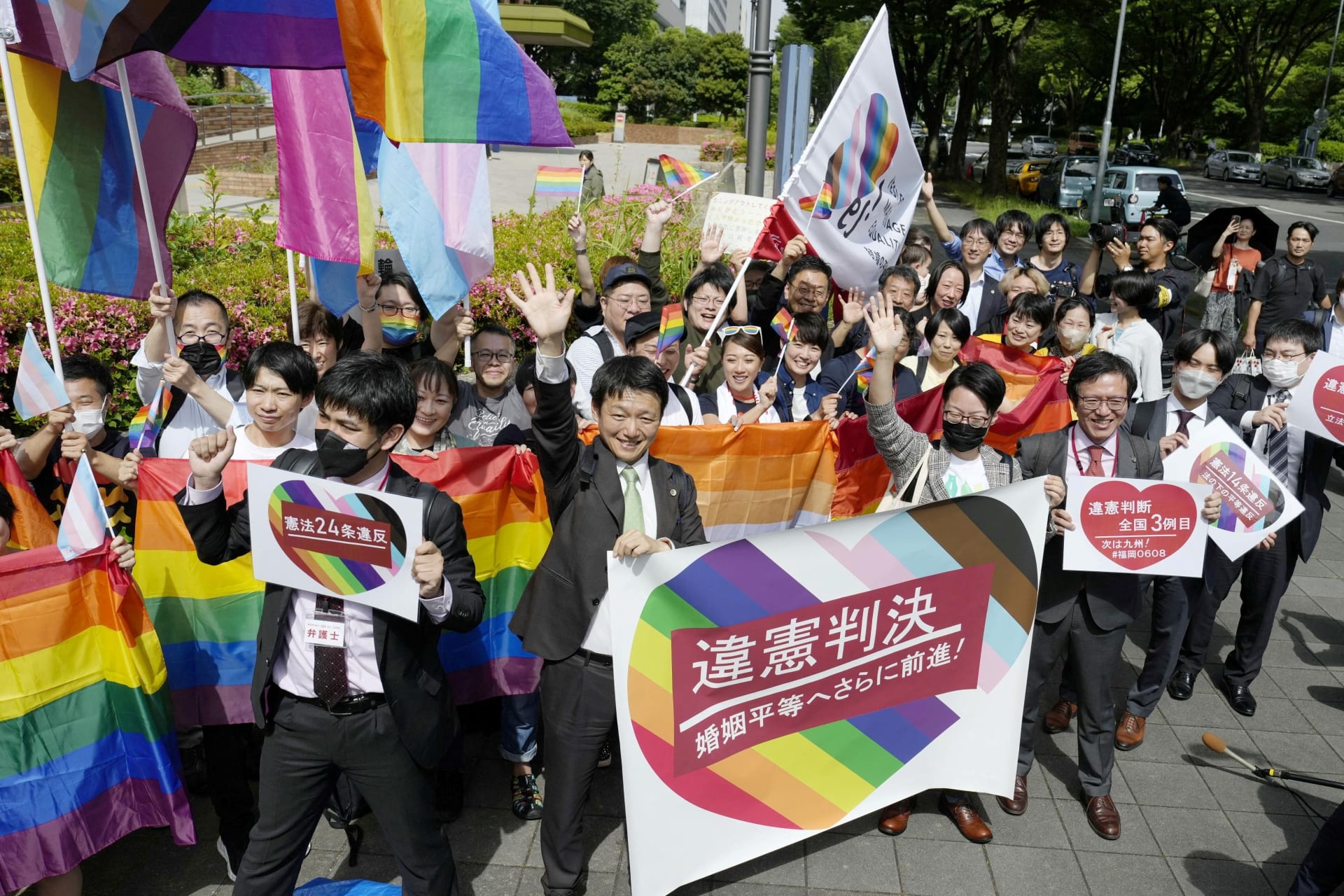
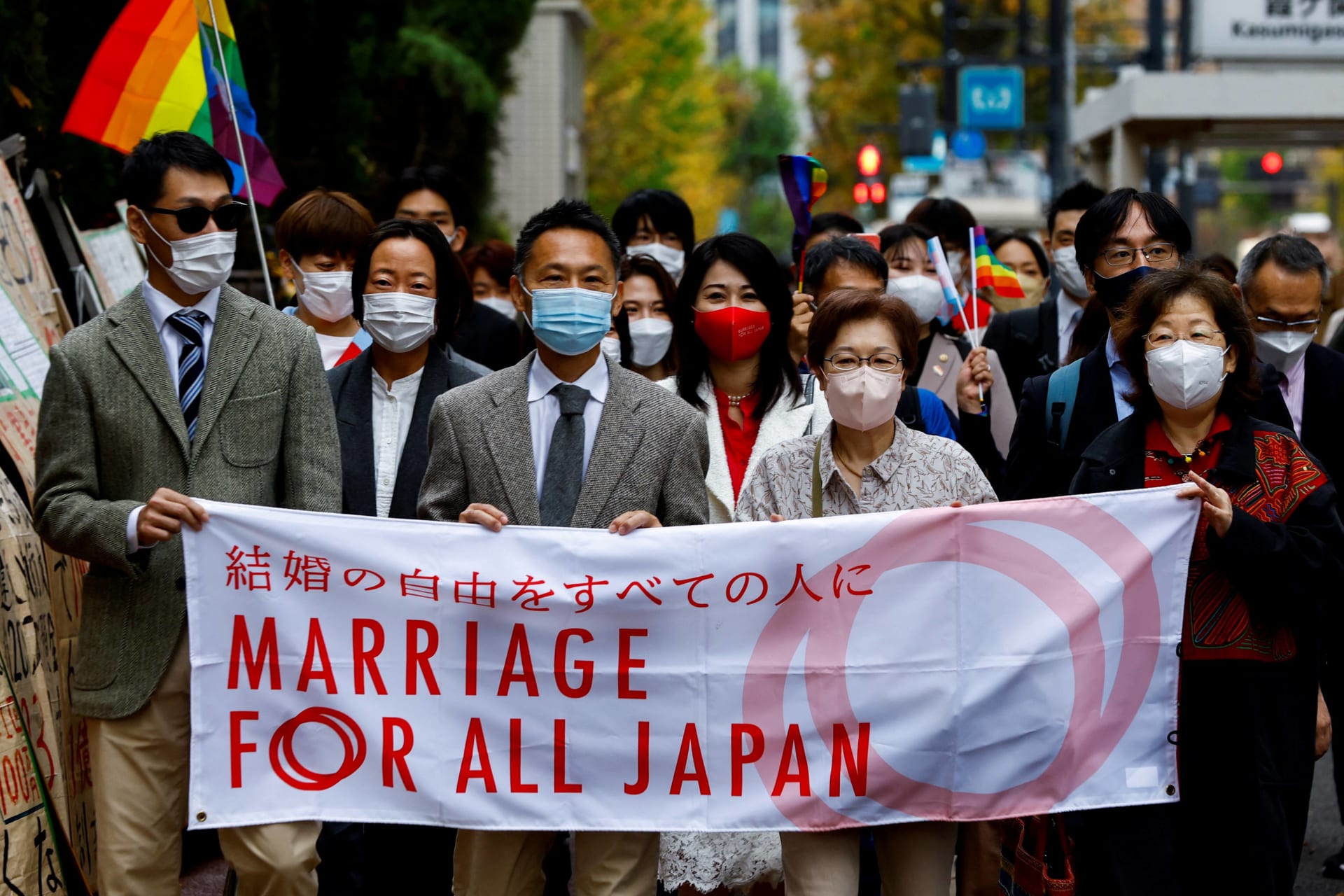
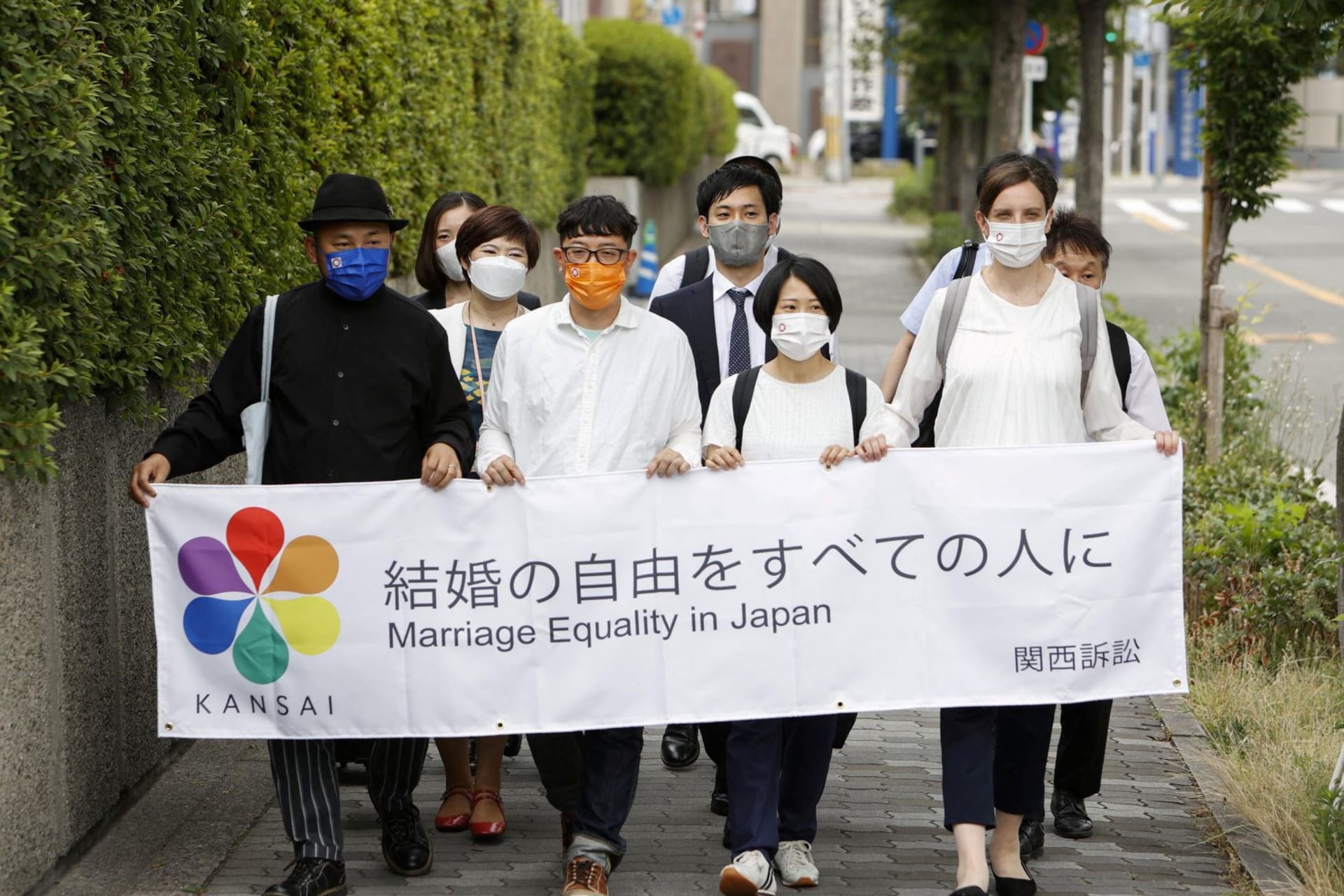
    Mixed Messages From Japanese Courts on Same-Sex Marriage
    The Osaka District Court ruled against the constitutionality of same-sex marriage in Japan while local government in Tokyo increased access to same-sex civil partnerships this summer.
  • LGBTQ+
    A Conversation With U.S. Special Envoy Jessica Stern
    Play
    U.S. Special Envoy Jessica Stern discusses the global state of LGBTQI+ rights, findings from the release of the first annual Interagency Report on the Implementation of the Presidential Memorandum on Advancing the Human Rights of LGBTQI+ Persons Around the World, and the importance of U.S. leadership in advancing these rights.  
  • Tunisia
    Pope Francis Goes to Canada, Petition for Same-Sex Marriage in Ukraine, Pivotal Tunisian Referendum, and More
    Podcast
    Pope Francis travels to Canada seeking forgiveness from Indigenous communities for Catholic Church abuses; President Volodymyr Zelensky must respond to a petition for same-sex marriage in Ukraine; and President Kais Saied hopes to ratify a controversial new constitution in Tunisia.
  • LGBTQ+
    Advancing LGBTQI+ Rights, With Julie Dorf
    Podcast
    Julie Dorf, co-chair of the Council for Global Equality, sits down with James M. Lindsay to discuss what the United States has done and could do to advance LGBTQI+ rights around the world.
  • Women and Women's Rights
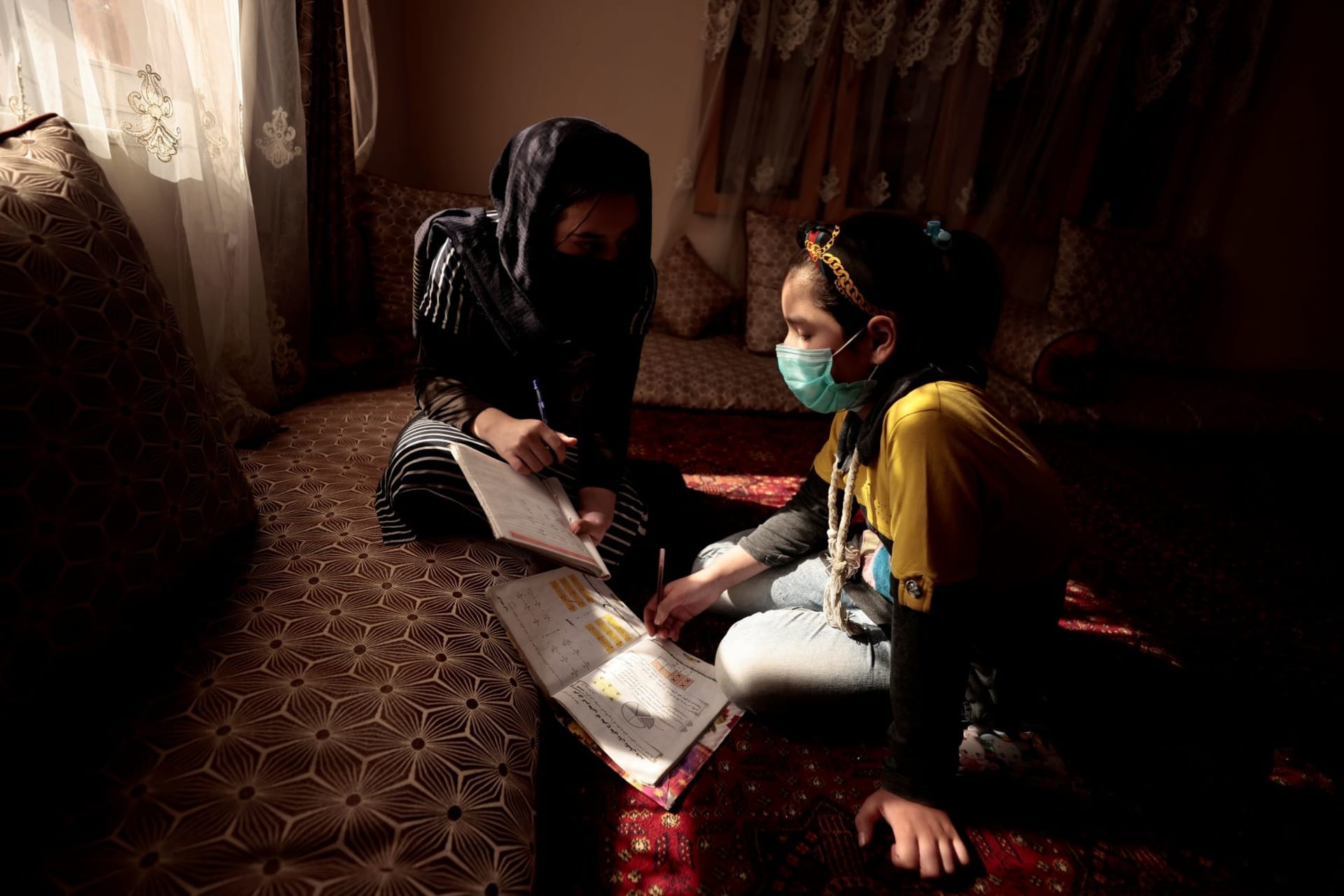
    Women This Week: Taliban Renege on Promise to Let Girls Attend Secondary School
    Welcome to “Women Around the World: This Week,” a series that highlights noteworthy news related to women and U.S. foreign policy. This week’s post covers March 19 - April 1.
  • Human Rights
    Combating Human Trafficking and Modern Slavery
    Play
    Following National Slavery and Human Trafficking Prevention Month, panelists examine efforts by the private sector, multilateral institutions, and governments to combat human trafficking and raise awareness about the crimes of modern slavery.
  • LGBTQ+
    Global LGBTQ+ Rights
    Play
    Michael Vazquez, independent policy advisor, discusses LGBTQ+ rights around the world and the Biden administration’s efforts to promote and defend these rights at home and abroad. Learn more about CFR's Religion and Foreign Policy Program. FASKIANOS: Thank you. Welcome to the Council on Foreign Relations Social Justice and Foreign Policy webinar. I am Irina Faskianos, vice president for the National Program and Outreach here at CFR. As a reminder, this webinar is on the record and the audio, video, and transcript will be available on our website, CFR.org, and on our iTunes podcast channel, Religion and Foreign Policy. CFR takes no institutional positions on matters of policy. We are delighted to have Michael Vazquez with us today to talk about LGBTQ+ rights around the world. We have shared his bio with you, so I will just give you a few highlights. Michael Vazquez is a public theologian, community organizer, and communications strategist. He serves as an advisor to government institutions, political candidates, religious and spiritual leaders, and nonprofit organizations on issues at the intersection of religion, politics, and social justice. Mr. Vazquez served as communications director at the Office of Faith-Based and Neighborhood Partnerships at USAID, the religion and faith director at the Human Rights Campaign, and as a fellow at Faith and Public Life, and founder of Brave Commons. He was also an advisor to the faith engagement team for the Biden-Harris campaign. So, Michael, thanks very much for being with us. I would like it if you could set the table and talk a little bit about what is being done to promote LGBTQ+ rights in the United States and around the world, and how faith communities can contribute to this. VAZQUEZ: Absolutely. Thank you again for having me. Hi, everyone. Want to wish everyone a happy Lunar New Year to everyone who celebrates, and a happy Black History and Black Futures Month. I want to begin by talking about the role that faith communities, particularly faith leaders, have always held in communities throughout history as truth tellers and storytellers, right? That’s one of the principal roles that faith leaders have held, and not just clergy but cantors, singers, choirs, artists. Their role has been to disseminate truth and to tell a story about community in order to edify a community towards a particular end. Typically, throughout faith traditions, that’s towards the common good. How do we ensure that every member of our community and those that serve the communities that surround us experience equity, experience justice, safety, and security? And storytelling is a means of achieving that, and truth telling is a means of achieving that. One of the truths most religious traditions hold as central and core to their faith is that every individual has inherent dignity and value. You find that Islam. You find that in Christianity. You find that in Judaism. You find that in Hinduism. Across traditions, you find this core belief that every individual in the entirety of creation has inherent dignity and value. And so while there might be disagreements about policy, while there might be disagreements about positions on gender and sexuality broadly speaking, every tradition has maintained that there is dignity in every human person. And I think that’s a critical thing for us to set the table with because as we look at how faith leaders and faith communities both domestically and globally can engage in advancing LGBTQ rights, we need to go back to the core tenets that these communities hold and uphold and call on them to draw out of those traditions in order to advance justice for the LGBTQ community and, as a result, advance justice and equity for all communities. Pope Francis speaks on this by saying that disagreements of a philosophical or theological nature between faiths or between particular groups and people of faith are not obstacles to uniting to pursue shared goals as long as everyone involved shares a concern for the common good. And so I think the first and foremost thing that religious leaders and faith communities can do is tell the truth, right? Tell the truth that I might have my own thoughts and beliefs that I was raised in, that I learned in my church, or in my synagogue, or in my temple, but I do believe  that every person has dignity; thus, if everyone has dignity, then everyone should have the same rights ascribed to them and those rights should not be taken away. That should be the foundation, right? I think that what we have seen, is as this story has been told both in the U.S. and abroad, as this—the reality that LGBTQ people—lesbian, gay, bisexual, transgender, queer people—have human—basic dignity, and thus have—should have access to the full diversity of human rights available to everyone else. As this has been shared, we have seen an increase—the data has shown—Pew shows there’s been an increase of acceptance globally for LGBTQ people and rights that should be afforded to us. Likewise, the Public Religious (sic; Religion) Research Institute has shown that the majority of people of faith in the United States support comprehensive protections against discrimination for the LGBTQ community. So I think the beginning is just tell the truth. Tell the story, right, that people—everyone should have access to rights. That should be foundational, right? And thus, if we start with the fact that I have inherent dignity, and you have inherent dignity, and everyone listening to this call has inherent dignity, then the immediate response that should be, then, we need to make sure that our policies reflect that we all have that dignity, that we all should have access to rights. So this begins with looking at the hard truths—the hard truths and then the hopeful things, right? The hard truth is that there has been a campaign globally by the religious right based in the United States and elsewhere, but primarily in the United States, to advance anti-LGBTQ policies, to support—whether that’s the anti-sodomy laws that we see in the Middle East and Africa; that’s—or we see throughout Africa some other anti-LGBTQ laws that are promoted by Catholic bishops, particularly in Uganda as an example. Throughout the world we see these, first, colonial holdover laws, colonial anti-sodomy laws that were left behind by European colonial powers and that have remained on the books ever since these colonial powers left these regions. And then you see, right, outside groups—outside conservatives—conservative religious groups pushing for the maintenance of these anti-LGBTQ laws, whether that’s banning relationships, whether that’s making being LGBTQ against the law and punishable by imprisonment and incarceration, or by death. We see that a lot of the advocacy for these laws come from minority religious groups in the United States and elsewhere. And we saw in order to help sustain this, in the previous administration we saw Secretary Pompeo—Secretary of State Pompeo institute the Ministerial to Advance Religious Freedom, right? There’s a close connection between this idea that LGBTQ rights must be prevented that these conservative religious groups are pushing, and this idea that religious freedom must be protected from, over, and against LGBTQ rights; that religious freedom, particularly I would say conservative religious freedom, was under threat globally and must be protected by—against or from the advancement of LGBTQ rights. And so the Ministerial on Religious Freedom elevated religious freedom above other rights or made a claim  contrary to the Universal Declaration of Human Rights that gives us a broad array of equal—coequal human rights, this ministerial and the previous administration claimed that there was—there’s religious freedom and then there’s all other rights, right? And we need to reframe that. Now, part of that comes from religious leaders coming into the room and saying, no, we believe that all rights are equal. The new secretary of state, Secretary Blinken, refers to this and says religious freedom is coequal with other human rights because human rights are indivisible, right? We need religious leaders to stand in that also, not to say that our rights as religious people or people of faith are greater than the rights of other people. In order to safeguard LGBTQ rights and to advance LGBTQ rights globally, we have to get to the heart of this debate that there is religious freedom and religious rights in opposition to LGBTQ rights. What we see, again, is that the growing—the data shows a growing support amongst people of faith for LGBTQ rights. And we also have to recognize that LGBTQ people are also, they, themselves, people of faith, right? Myself, as a person of faith, have worked alongside a lot of other people of faith who identify, who are also LGBTQ. And so when we come into the conversation, we’re often forgotten as people who have value to add to this conversation on human rights. And we’re forgotten as, it’s only religious people over here and LGBTQ people over here when, in fact, there’s a greater diversity in humanity, and thus our rights should be contextualized in that way. Religious freedom is a major global issue. I will say that. It is a major global issue that we have to address with the rise of anti-Semitism, with the rise of Islamophobia, with the crackdowns on religious minorities around the world, there’s work that we have to do. There’s critical work that we have to do to ensure that religious minorities are protected, but we need to be able to distinguish between protecting religious freedom for religious minorities who are actually being persecuted, and the attempts by certain communities to use religious freedom as a weapon against other minority groups, which is what I believe we see in this battle for LGBTQ rights both domestically and abroad. There are two major policies I want to speak to briefly and then we can get into it a little bit more later. But we have the GLOBE Act introduced by Senator Markey and we have the Equality Act, which passed the House for the second time last February. So we’re coming up—it was at the end of last February, so we’re coming up on the one-year anniversary of the Equality Act, which would provide comprehensive civil rights protections in matters of public accommodation, housing, employment, credit, et cetera, for LGBTQ people. Passed the House last February. We’re still waiting to see what its fate will be in the Senate. But I want to speak to this one first before getting to the GLOBE Act because I think what we’ve seen is a large group of religious support for comprehensive LGBTQ civil rights protections in the United States. And as the United States has pushed forward LGBTQ rights domestically, we have seen a direct correlation to the expansion of civil rights and human rights for LGBTQ people around the world. Passing the Equality Act would provide a foundation for nations around the world that have not advanced comprehensive rights either to just look at, here’s a blueprint for what we can do to ensure that our own people are protected, right? Regardless of what some of our neighbors might believe and think about gender and sexuality broadly speaking, we want to ensure that our neighbors who are LGBTQ are protected and afforded the same rights as everyone else. And so the Equality Act provides—simply by saying, the United States wants to be a leader, which is what the Biden administration has said. It wants to be a leader in the advancement of LGBTQ rights both domestically and globally. What we need to do as a country is to enshrine civil rights protections by passing the Equality Act, which would ultimately put LGBTQ people under the Civil Rights Act of 1964 and other civil rights legislation. The GLOBE Act, on the other hand, would make preventing and responding to discrimination and violence against LGBTQ people a foreign policy priority. It would permanently create a special envoy within the State Department to protect the human rights of LGBTQ people, which we did see. The Biden administration appointed Jessica Stern as that special envoy, and Jay Gilliam, a former colleague of mine, as the senior LGBTQI coordinator at the USAID. And so these two appointments, outside of the passage of the GLOBE Act, are indicators of the work the Biden administration is doing to move along our foreign policy priorities, but passing the GLOBE Act would cement the rights of LGBTQ people globally as a major foreign policy priority for the country beyond the Biden administration, which is critical. There’s a lot of issues that we’re facing globally in the rights of LGBTQ people who are being persecuted. Whether it’s those anti-sodomy laws I alluded to earlier or the global fight to finally end HIV/AIDS, there’s a lot of work that remains to be done. And so what we need is legislation that religious leaders can stand behind, as they have for decades in the United States and globally, to push these pieces of legislation forward. “In the long run”—I’m quoting Marie Juul Petersen from the Danish Institute for Human Rights—“In the long run, the insistence on incompatibility between freedom of religion or belief in gender equality has the potential to destabilize and delegitimize the broader human rights system.” Agreeing with her, I believe that the work that we have to do as religious leaders, as theologians, as religious communities is to speak up and tell the story, tell the truth about the fact that we are people who comprehensively and overwhelmingly support the rights of LGBTQ people in policy and within our communities, and allow that to help move these critical policies forward and cement human rights for our community. Thank you. FASKIANOS: Thank you very much, Michael. That was terrific, and apologies for the technical recording prompts. VAZQUEZ: That’s OK. (Laughs.) FASKIANOS: And not prompts. So, in any case, we’re going to turn now to all of you for your questions and comments. And if you want to raise your hand, I will call you. Don’t be shy. And you can also write your question in the Q&A box. If you do that there, please say who you are so we know where you’re coming from. There is a written question right now, which is by an anonymous attendee, and it’s very long. I’m going to first go to Bruce Knotts. He has raised his hand. Bruce. And please say who you are and unmute yourself. KNOTTS: Hi. My name is Bruce Knotts, and I direct the Unitarian Universalist Association office at the United Nations. And we’ve been working on LGBT rights at the United Nations for a long time. And I’m just wondering if you have any ideas or thoughts about what the United Nations can do to better protect LGBT rights. And let me just further say that it’s my impression that I’m noticing somewhat of a diminishment of energy around LGBT rights lately than we had in earlier years. So I’m somewhat concerned in that way. Thank you. VAZQUEZ: Yeah, no, thank you. I appreciate that question, Bruce. I think that there are a couple things. I want to speak to the second thing you mentioned first, is that I think when you look at the broad spectrum of issues, even just domestically, that we’re facing in the United States, I believe there’s a lot of passion and desire to move, let’s say, the Equality Act forward, to move LGBTQ rights forward. Last year was the highest year on record again for violence against the transgender community, for fatal violence. So we’re in a critical moment where we need action. But I do think that with the issues threatening American democracy, with the shaky foundations that we’re facing, with the divisions in the country, a lot of what are also LGBTQ issues are democratic issues. Preserving American democracy protects LGBTQ people in the United States. And so I think there is some of that that I’ve seen. Let’s shift our focus as advocates to preserve voting rights so that therefore we can ensure the Equality Act does pass. Let’s ensure that LGBTQ rights have a right—LGBTQ people have a right to the ballot box, et cetera. So I do think there’s some of that dynamic, but I do think there are a lot of ways—if you look at some of the polling numbers, a lot of people think when it comes to the Equality Act that these rights already exist. And so part of the public education that needs to take place is reminding folks that just because we got marriage equality in the United States, or in certain countries around the world, doesn’t mean that we’ve achieved the pinnacle of human rights, and LGBTQ people are just happy and throwing parties and everyone’s just content, and everyone can go home now, we’re fine. I think there’s a reframing, right? We have this—a victory today, but we have all these losses the next day. And how do we continue fighting? And part of that is the way that we message, right? We still have work to do. And I think some people have gotten exhausted, and they thought—and some people think we’ve achieved it. I think on the matter of what the UN can do, I believe the United Nations have for some time a working group of faith leaders partnering with the UN to advance LGBTQ rights globally, and how to navigate the complexities that can arise in those conversations. And so I think having a greater foundation of religious engagement on the matter would support the work that the UN is trying to do around the world to advance LGBTQ rights. FASKIANOS: Great. Thank you. All right, so just looking now, I’m going to call upon Julie Schiwal, who is at the—she’s a program specialist at the Religion and Inclusive Societies Program at U.S. Institute of Peace, USIP. So, Julia, can you unmute yourself and ask your question? SCHIWAL: Yeah, for sure. I guess I’m just curious because I deal with religious actors very frequently at the religion team at USIP. And we are working on an approach to include gender and sexual minorities in peacebuilding. And pretty much I agree with you that many religions have a sense of universal dignity, right? But I think that in our work when I talk to people about this who have disparate views on GSM inclusion—and I just use GSM for LGBTQ because it internationally works. Dignity is not the ground I’ve made progress on. It’s not even really about that. It’s more about cultural history and the needs of people. And I feel like you can kind of circumvent that whole theological debate and work with religious actors a little bit more effectively if you kind of take  a more pragmatic approach that doesn’t get into the grounds of, like, dignity in Islam, right? You just talk about public health and HIV, right? You talk about women’s groups in Pakistan that are already working with trans women. You just stick with the local, pragmatic approach. So I guess have you had success using this sense of universal dignity in a global LGBTQ context? Because I haven’t. And second off, I guess, I’m just looking for  your thoughts, since you’re familiar with me, on  how are we going to be doing global LGBTQ rights in the future? Especially considering that this human rights approach has largely failed over the past decade? It doesn’t get enough pull. VAZQUEZ: Oh, absolutely. I agree with you 100 percent, Julia. I think if we had more time I could have gotten into that some more. I think for me, I think I’ve seen dignity, both in the U.S. and in Latin America, be a strong motivating factor in these conversations. But even Latin America is a good example of where recontextualizing the language has been hugely successful. In communities where language around family and community is more important than dignity, we shift the dignity conversation to that. It doesn’t mean we stop talking about the inherent dignity in every person, but we use localized language. And so I think some of the struggle I saw at USAID, and I think remains in a lot of global development work outside of federal government, is that folks are not willing to do the historical work—some of what you’re referencing, the cultural contextualization work you’re referencing—to be able to get—be in community, and talking in a way that makes sense for folks. It doesn’t shift us away from dignity, but we still contextualize, right? A lot of our global human rights and development work has been incredibly Western. It’s been very much, white folks show up elsewhere and say: This is how this should pan out, and this is what this should look like, because it worked in Ohio. And that’s not helpful, right? I think Administrator Power has been a good example of trying to push for more localized development, but some of the bureaucratic issues we face in government is limiting the ways that I think we can achieve what you’re talking about, right? I still think it’s critical, because I think ultimately if we don’t address dignity and the inherent value of individuals, we end up having is, OK, we addressed—and this has happened. I’ve seen this with the ways in which certain Catholic actors have engaged globally, is we might work and push for access to the right HIV preventative measures and medications, et cetera, but not engaging in the fundamental theological conversation around, these people have inherent dignity, even though the Catholic—the catechism of the Catholic Church says that you’re intrinsically disordered, right? And this gets, in part, to mental health issues and mental health crises for people who maintain their faith traditions even alongside their LGBTQI+ identities. We need to be able to say, no, you still have worth and value, right? It's not like we’re helping you in spite of gender sexual minority status. We’re helping you because you are human, you’re my neighbor, you’re my community, you’re my family. Thus, you are worthy of the support we’re giving you. So I think it’s both/and. I think a lot of religious actors need to be able to have that framing to get to some of the core issues that are proliferating a lot the issues we’re facing. FASKIANOS: I think—just to follow up on that—do you have the stats on the mental health issues for the community? It is very significant. VAZQUEZ: Yeah, I don’t have them off hand. I can tell you that the suicidality rates are somewhere around four to eight times higher for transgender individuals in the United States than for non-transgender folks. The number shifts depending on race and ethnicity. But it’s drastic, right? And a lot of times—I mean, when you look at youth homelessness in the United States, for example, 40 percent of homeless youth identify as LGBTQ. The majority of those folks—of those kids, right, babies—are on the street because they come from a highly conservative religious family who has kicked them out because of identifying as LGBTQ. And so I don’t have all of the data, but that’s the one that’s most striking to me. The mental health issues  amongst homeless youth are majority LGBTQ—or, close to majority LGBTQ, is exacerbated by conservative religious ideology. FASKIANOS: Thank you. I’m going to go next to Steven Paulikas of All Saints’ Episcopal Church of Park Slope. So, Steve, if you can unmute yourself. PAULIKAS: Hi, Irina, great to see you. And thank you, Michael, so much. I really appreciate your theological framing and the idea of dignity of the human being. And it’s really great. There was a group of faithful mostly LGBTQ-affirming folks in the Republic of Georgia, in Tbilisi, who formed an Episcopal community there. And you might be aware that over the summer during Tbilisi Pride, the Georgian Orthodox Church organized a mob which attacked the Pride celebration and ransacked the offices of Tbilisi Pride. And our community went into hiding because it was so dangerous. It was really totally heartbreaking. But the thing we kind of learned from that was that the Orthodox folks were consulting—actively consulting with American religious actors, who sort of helped them organize this. And I’m sure you’ve seen this pattern around the world. And it kind of occurs to me as you’re speaking that kind of to get to the nut of the problem, I think that the main parties that need to be given this message are actually American religious organizations who project and export a sort of colonial-based anti-LGBTQ agenda. So that’s kind of the incredibly difficult thing to do. But have you found any successful strategies for being able to engage with the actual American religious actors who are sort of fomenting hatred around the world? VAZQUEZ: Yeah, absolutely. A couple things that immediately come to mind—first, thank you for that. I feel like that gets right into  a little bit of what I shared earlier about the issues of religious freedom globally being much more dynamic and complex than particularly the previous administration attempted to paint, and what conservative—primarily Evangelical and conservative Catholic American groups attempt to paint, right? This idea that Christianity globally is under assault, and we must protect Christianity at all costs, and that this fight for LGBTQ rights is an assault on Christianity, to summarize. I was grateful, for example, to Administrator Power, who issued a statement in response to not what happened in Georgia, but what happened referencing what was taking place in Ghana in recent years. Her quote is: That we also call attention to government crackdowns on LGBTQI-affirming faith communities in Africa, listing that among other religious minority groups that need to be protected. And that was on International Religious Freedom Day this past October. I think some of what, first, passage of the GLOBE Act would do is make it possible to—in the United States sanctions regime to include the protection of LGBTQ rights, being able to sanction foreign governments for not protecting their own citizens from these kinds of assaults that you’re referencing, what took place in Ghana, et cetera. I think when it comes to engaging with U.S. actors who are the—I agree with you—are the principal players pushing forward this anti-LGBTQ agenda globally, what I’ve—the thing I found most interesting is private dialogue, which is in a lot of ways, I’ll just be absolutely honest with you all, is incredibly annoying, right? We don’t all have the time to sit down and have one-on-one conversations with every individual conservative faith leader in the country in an attempt to persuade them to do otherwise. But that is part of what I’ve seen to be successful, seeing Catholic bishops move from far-right to center-right.  I’ve seen some Catholic bishops move from center to center-left, some issuing—like Bishop Stowe of Kentucky—issuing a statement in support of the Equality Act, the first time a Catholic bishop in U.S. history has supported LGBTQ rights legislation. That has come as a result of these kind of private dialogues with these leaders. That is not, in and of itself, sufficient enough to achieve what we need to achieve. But I do think we need to have a greater conversation about how much power is afforded to these groups. On the contrary, I think we don’t give enough attention to the religious left. The religious left is incredibly powerful and active. The Center for American Progress Faith Initiative released a report, I believe it was, last year, if not it was 2020, on the ways in which this conversation and this dialogue is portrayed in the media. And oftentimes the data’s shown that while there is an overwhelming support for LGBTQ rights amongst religious people, that when this conversation is portrayed by major news networks and print media, et cetera, what you see is conservative religious people and secular LGBTQ people. So part of what we need to do is a communications and messaging strategy, and shifting the dialogue. Actually, the majority of people of faith, the majority of religious people actually support LGBTQ rights. So let’s stick to that. But that also means working with media partners and encouraging them or pressuring them, exhorting them, whatever language you want to use, right? Whatever fits your approach, to shift the conversation from one of this false dichotomy between religion and support for LBGTQ people, and showing as one as, no, the majority of people support and identify and recognize the dignity of LGBTQ people and their rights. That, again, is not the whole picture, but I think passing legislation, changing the way that we message, helps reframe and thus remove power from these institutions—conservative religious institutions that are proliferating here and around the world. FASKIANOS: Thank you. I’m going to take the written question from Luciano Kovacs, who is the area coordinator for Middle East and Europe at the Presbyterian Church and a member of the Presbyterian Mission Agency LGBTQIA+ working group. And his question is: What is your suggestion of how to navigate our affirming advocacy work for queer people across the globe, and the need to not harm partners globally where anti-LGBTQ laws may affect them, if they were associated by their governments to our advocacy work? VAZQUEZ: Absolutely. On the first issue, I think what—one thing that I would love—I would personally love to see, and I think would be incredibly effective and helpful, is providing more resources to affirming LGBTQ faith groups, both domestically and abroad. Some of the biggest issues they face—even though we see a larger population of both—particularly domestically, we’re seeing a locus of issues, an export of hate, et cetera. I think if we were able to fund, support, resource more affirming LGBTQ faith groups that already exist, right? We don’t need to create new ones. We don’t need to start another nonprofit, create another NGO, create a new bureaucracy. What we need to do is resource those that exist to do the work they’re already doing. So a lot of these groups are incredibly under-resourced. When compared to an organization within the infrastructure of the religious right that are incredibly well-funded, incredibly well-established and -resourced, both in media, financially, et cetera, we need to be able to shift and redistribute resources to support what is the majority opinion in protecting the human rights of LGBTQ folks. And I’m not seeing the question in the chat. Do you want to— FASKIANOS: Sure. I’m sorry, I dismissed it because I asked it. VAZQUEZ: It’s OK. FASKIANOS: And so it—how to navigate our affirming advocacy work and then need to not harm partners globally where anti-LGBTQ laws may affect them if they were associated by their governments to our advocacy work. VAZQUEZ: Right. I think that, again, not to harp on legislation, because the legislation isn’t the end-all, be-all, it is a critical component of our advocacy work. It is one piece of broader human rights organizing globally. I think, again, the GLOBE Act would provide the provisions for the U.S. government to respond in scenarios where, let’s say, it’s the Republic of Georgia cracking down—or, supporting the crackdown on LGBTQ-affirming faith groups or other LGBTQ groups. Being able to respond in any number of ways, sanctions regime, et cetera, would—those are tools that we currently don’t have and are not equipped to respond to. And so it’s often—you see attempts to support advocates on the ground, advocates globally. But we can’t, because those resources aren’t in place. I think it is more critical, right—in particular regions it is critical that we support in private as much as possible. I’ve seen a lot of advocates even in the United States that work particularly with transgender individuals and transgender groups needing to work in secret. And we need to continue to provide that safety net to those groups. We cannot—there is, thankfully, a lot of freedom now which did not exist even twenty years ago in the United States. There’s a lot of freedom now to be  out and proud in a lot of spaces in the United States. There are parts of the country where that’s still not the case. That is not true elsewhere. That is not a blanket statement we can say for everywhere. That there are just Pride parades that have happened—y’all know this, right? And so I’ve seen a desire of certain advocates. We want to be out, and proud, and be free. In places where that is a threat to the life and safety and dignity of the individual, we can’t, right? And so work in secret needs to continue to happen. And finding ways to provide the resources necessary, whether that’s educational resources, financial resources, asylum resources for these individuals and communities should be on our priority list before trying to push folks into a more public setting. FASKIANOS: Great. I’m going to go next to Ani Zonneveld, who has her hand raised. Ani, president of Muslims for Progressive Values. Oh. OK. It looks like she lowered her hand. All right. So moving on— VAZQUEZ: Hi, Ani. (Laughter.) An old colleague. FASKIANOS: OK. That’s too bad. I’m going to go next to Dominic Bocci, who is at CFR, and also at the Council for Global Equality. So, knowing that there’s a significant amount of work that needs to be done about domestic and international LBGTQ+ rights, what would you suggest the Biden administration focus on in terms of their global approach? Decriminalization, increased funding for LGBTQ+ civil society groups? And what is the likelihood of the passing of the GLOBE Act, given the gridlock that we’re seeing in Washington? VAZQUEZ: Right. The likelihood of the GLOBE Act passing is right alongside the likelihood of the Equality Act passing. I think it’s caught up with a lot of critical civil rights legislation beyond LGBTQ rights. It’s similar—in a similar situation as voting rights reform, criminal justice reform, et cetera. And so I’m not a pessimist, though. I believe that anything is possible, right? And so I’m hopeful that we will still be able to push along, right, these critical pieces of legislation to transform the experience and lives of LGBTQ people, both in the United States and abroad. I think in terms of what the Biden administration can focus on globally, I think decriminalization is absolutely a priority and is the global fight to end HIV/AIDS. I think those two come immediately to mind, because those are things that are threatening the literal lives of our community. And so before we can get to—I think there’s—as a case study perhaps, I think a lot of attention was given the marriage equality battle in the United States and in other countries around the world. Unfortunately, I think, marriage was least of our priorities. It was important. I think marriage equality is a critical right. It’s a victory that we achieved, and we celebrate. It’s critical that folks around the world are able to access that same right. But compared to other issues, like when folks—when trans folks are under assault in the United States and around the world, right? There are folks living in countries that have criminalized just simply existing as an LGBTQI person. That is a major issue and those should be major priorities. And so I think making sure that the—we look at victories like marriage equality is yay, great, awesome, amazing. But then we truly refocus on what is threatening the actual lives of individuals and how can we protect them and end those things? So more investments—which we’ve seen the Biden administration make some significant moves towards particularly the fight on HIV/AIDS. And I think some more work under criminalization should really shift this battle globally. And I think also the way in which—Secretary Blinken has already done this in the reframing of the religious freedom language, but additional work to reexamine and shift how we’re engaging in the conversation around religious freedom globally will significantly help some of these issues that we’re facing when it comes to LGBTQ rights as it pertains to religious actors being involved. I think you’re still on mute. I’m sorry. FASKIANOS: How long have I been doing this? OK. VAZQUEZ: It happens to all of us. (Laughter.) FASKIANOS: Barbara McBee has written a question on—Barbara, would you like to ask it yourself? MCBEE: I think there might be two there. Hi. FASKIANOS: There are. (Laughs.) That’s why we’d like you to ask it. (Laughs.) MCBEE: Which one? Thank you. I’m Barbara McBee. Soka Gakkai Buddhist Organization. And I think what’s pressing and marvelous is that you started off your dialogue with the inherent dignity of life. That is literally written into our core values. But if you really don’t feel that, which I think is at the core of the justification for abusing GLBTQ people. I am also gay, so I have a particular interest in your thoughts about how in our dialogues—and I have done much of that—how in our dialogues, one-to-one, they are helpful, they are not the be-all, end-all. And perhaps they affect a larger scope. In some cases, they are negated. But my questions are two: If you sincerely do not believe in the inherent dignity of—and value of all, how, particularly faith-based people, can we encourage further the development of that across all religions, Abrahamic included? And what are the current laws? If last year was the worst year in our history of trans murders, what are the laws on the books? And what is being done to protect trans men and women? Thank you. Nice to see you, Irina,you look great. And thank you, Michael. FASKIANOS: Thank you. VAZQUEZ: Thank you, Barbara. I appreciate that so much. I think absolutely. I think I will come back—I always come back to this. I know a lot of folks in the field always come back to, we have inherent dignity and value. And I think the Abrahamic traditions absolutely have this in their core value. You look at Genesis, which is a text shared by Jews and Christians, as saying that God made humanity in God’s image, right? And so that’s page one, right? That’s on the first page. Every individual created reflects the image of their creator. That’s the theological assertion on page one. And so that means you share the image of God. I have the image of God. My neighbor has the image of God. That person that cut me off this morning, they have the image of God in them too. Or even the people that frustrate us most, people who are the most different from us, they all have in them—the bear the image of God. That’s one example of many that we could point to. And thus, if someone bears the image of God, no matter how different they are from me, I have a duty and responsibility as someone who cares about the common good to protect them, right? And there are myriad of examples of folks with this text as a core text and tenet of their faith, who have done horrific things. Who have used that same—these same scriptures to advocate for slavery, to advocate for the forced removal of indigenous people throughout the world, and particularly in the North and South America. There are a lot of folks who will twist their scriptures and their sacred texts in order to support these horrific atrocities that they’ve committed later on. I think the same goes here. I think there are some folks that we absolutely can engage with and shift from a position of, no, we need to be—we need these anti-sodomy laws globally, or we need to not pass anti-discrimination protections for LGBTQ community, et cetera. There are folks that can be moved from that position to a position of support, or even a position of neutrality, which is progress, right? It’s not perfect, but it’s progress, right? It gets us closer to where we’re trying to go. And I do absolutely believe that there are people who cannot be convinced, unfortunately, or who refuse to be convinced. But when the majority of people of faith in the United States have arrived at a point where, even amongst the most conservative people, it is in the—or 50-something percent—sorry for the not precise number off the top of my head—50-something percent of Evangelical Americans, white Evangelicals, the most conservative group in the United States, support LGBTQ rights like the Equality Act. If the most conservative group—where it goes up to 81 percent of Latino/Hispanic/Latinx Catholics who also support LGBTQ comprehensive civil rights protect for LGBTQ people. So we’re seeing a broad spectrum of support moving that direction. If we still have a small subgroup of people who disagree with that but are not able to influence policy to the degree to which it takes away your rights or my rights, I’m fine with that. I want to keep working on those issues, and I’ll get to that in a second, but I’m fine with that, as long as our rights are protected, the rights of our neighbors are protected, the rights particularly of transgender women of color, who are the most targeted and the most victimized by fatal violence in this country, Puerto Rico being one of the biggest epicenters for violence against the trans community. What I think that communities of faith can do beyond legislative advocacy, beyond media messaging, communications, beyond  the global advocacy work that we’re talking about, is intercommunal dialogue. Which does take place, right? You will find pockets of that. I think there just needs to be more of that. I want to see more progressive Christians sitting down with more conservative Christians and pressing the issue. Those conversations need to continue to happen. But in the meantime, while those conversations are happening, we’re trying to bring more people along. We deserve civil rights. We need our human rights. So that conversation will happen while the work is happening. In the long run, we need to continue educating our faith communities. And that starts from the beginning. Early childhood education is the locus where this all begins. You can see this. The data will show this. Research will show this, whether it’s on issues of racial justice, or LGBTQI justice, and gender equity and justice. Across the spectrum, when you start with children and you begin educating children from an early age about the inherent dignity of all people, the rights of all people, and why we secure those rights, that’s where we win. Which is why we see legislation around—at the state level around the United States—trying to prevent conversations, to ban conversations around racial justice and LGBTQI justice in schools. Because we know people who want to prevent this from happening know that if you teach children from an early age that when they become adults, they will advocate for legislation that reflects the dignity and human rights and civil rights that we’re pressing. And that is what we need. That kind of legislation is what we need to protect trans folks. I think to get to that last piece of the question. There’s minimal—when you look at—or, last year there were over thirty state legislatures around the United States that were pushing forward anti-trans bills, whether that was anti-trans sports bills, anti-trans medical bills. Several were successful. This year we’re seeing a new slate of hate across the legislatures trying to achieve the same ends. Trying to prevent trans kids from playing in sports. Trying to prevent trans folks from getting access, particularly trans children, from getting access to the right kind of medical attention and care that they need, that affirms them and their gender. Fighting against those and pushing for the right kind of hate crime legislation at the state and federal level will help protect trans folks in the long run, but it does come back, I think, to how do faith communities educate their own communities to stop this kind of violence from taking place? FASKIANOS: Thank you, Michael. Let’s go to Bud Heckman. Bud had written a very long question. So, Bud, if you could ask it yourself, I would appreciate it. And he’s with the Interfaith Funders Group. And it would be great to hear from, Bud. HECKMAN: Thank you. I just will make it shorter. I understood when there was a success in making a change in the U.S. context with regard to how people felt about LGBTQ issues, that there was a concerted effort on the part of LGBTQ rights organizations to stop framing things in terms of rights, and to start framing them in terms of trying to build empathy on a one-on-one basis. And that it was only when that sort of shift happened that there was a seismic shift in U.S. culture around LGBTQ issues. I’m wondering about your sort of understanding of that, and how that plays out in other contexts now. In terms of the use of language, how do you frame the issues both here in the U.S. and then in other countries? Assumingly so it’s on a country-by-country and culture-by-culture basis in terms of the tactics and the ways you go about doing it. VAZQUEZ: No, absolutely. I think part of the issue is that the United States for a long time, there has been this false idea that if you afford rights to a group that has previously not be afforded those rights, that in order to do so you must take away the rights of another group, right? Which is why you often see the pushback against movements for racial justice and equity for racial minority groups around the United States. The pushback often in white communities  there is a fear—there is a real, felt fear—a documented fear that giving Black people basic fundamental human rights is going to take away from the rights of white folks, right? I think the same thing has happened with LGBTQ rights similarly. In that if we give LGBTQ people rights then straight people aren’t going to have the same rights. Or if we let you—if we let y’all get married, then my marriage means something different,  or it means something less than. And so I think of the issues around the rights language and messaging has been around this fundamental idea—this pervasive idea that I need to give up rights in order for someone else to gain them, instead of being, if we all get human rights, or if we all get fundamental human rights afforded to us, then we all have that. No one is losing out on civil rights protections because someone else was given them, right? And so the empathy languages worked significantly because it reframed some of that for folks. And I, as a communications specialist and strategist, I absolutely support shifting our language and our—the ways in which we message things in order to achieve our ends. As much as necessary. As long as we don’t miss the heart of the matter. I don’t think that shifting our language to soften it—which is not what I’m saying what you’re suggesting here—but softening our language or shifting it that gets away from the point, that people deserve rights is ultimately helpful. Because I think we need to—I think America in particular needs to grow up and understand that giving human rights to all people is not a threat to American democracy, but it is what upholds America and what makes America the nation that it claims to be. And I think that—again, recontextualizing that for a global context, I think that’s a particular issue in the United States, where in other countries it’s going to be significantly different. We were talking about earlier with Julia’s question, where pragmatic and contextualized, 100 percent. But at least when it comes to the United States, I think we need to hold onto this language because of rights advocacy, because if we don’t, we lose the heart of what we’re pushing for. Not just for LGBTQ people, but our broader spectrum of advocacy for civil rights protections. FASKIANOS: Great. Waiting for additional questions, but, Michael, as we’ve seen what’s gone on in this country  around Black Lives Matter, the killing of George Floyd, that has really affected our credibility and our standing in the world, that we’re—we are not abiding by human rights here at home. And so what should we be doing to put us back or try to take back this space as a leader on the stage in promoting human rights, and the fundamental rights and dignity of all people? VAZQUEZ: Yeah. Thank you. I love that question because I think we’ve always—the United States has for a long time tried to position itself as a leader on human rights globally, while we see an epidemic of violence against transgender people, specifically transgender women of color. An epidemic of violence against the Black community. State-sanctioned police violence that continues to take the lives of our community. And yet, we’re sanctioning, or condemning foreign governments for their human rights abuses. And I think what has allowed other human rights abuses to take place globally, even when the United States has condemned them, is these nations look back and are, well, look at what you do to the Black community in the United States. How dare you come and tell us what to do with our minority groups, or with these people that we don’t like? Because y’all don’t like a whole list of people, right? And you treat them like you don’t like them, or you treat them horrifically, right? So, again, I’d say legislation is not the end-all, be-all, right, cure for our advocacy work. It’s not the end-all, be-all of our organizing work. But I do think legislation like the Breathe Act, which would reimagine—which reimagines and reframes criminal justice and how we respond to the needs of our communities,  that would help end, again not the end-all, be-all, but that would help shift and end in some ways the violence we see—police violence we see against the Black community, and move forward an agenda of justice and equity. Likewise, the Equality Act would do the same for LGBTQ people of color, LGBTQ people more broadly. And what it does—when we say, I’m going to make sure that everyone has voting rights, or I’m going to make sure our criminal justice system is not one that arbitrarily murders people in the street for no reason and no justification, and then gets away with it. I’m going to make sure that LGBTQ people aren’t kicked out of housing simply for being LGBTQ, right? When the United States itself does that, it sets a standard for the rest of the world in what it means to be a nation that upholds human rights. I think the United States could be that. I absolutely think that this could be the place. But there are other nations that are beating us out on this. There are other nations in Europe that achieved LGBTQ human rights before we did and are pushing the human rights for LGBTQ people much faster and more comprehensively than the United States is. And so if we want to be a leader in the world of human rights, not just on LGBTQ rights but broadly speaking, we need to make sure that our legislation, our practices, reflect the same rhetoric that we are pushing on other countries. We cannot in good faith—this is my opinion, I welcome pushback here—but we cannot in good faith condemn Ghana, or the Republic of Georgia, or other countries that have cracked down on LGBTQ people when we have our own epidemic of violence against transgender people, when we have states where it is legal to kick someone out of housing, or it has been legal to fire someone simply for being transgender. Where in matters of public accommodation people can be denied services simply for being LGBTQ. What right do we have to condemn foreign governments when we ourselves have not gotten our act together? And so I’m absolutely with you. I think if we can move these pieces of legislation forward and reframe our own human rights and civil rights practices at home, then we could actually become the human rights leader globally that we claim to be. FASKIANOS: Thank you. And we’re coming to the end of our time. And I just, as you know, we have a lot of religious leaders on this call and have faith-based organizations. You started talking about the power of the storytelling and truth—being the bearers of truth in this community. So as we close, what would you say to this group about the most important information they share with their communities to safeguard the rights of the LGBTQ+ community? And maybe even just how to work across faith traditions and really reach out to the religious right, who may be pushing the anti-LGBTQ+ agenda? VAZQUEZ: Absolutely. For folks—I mean, the first thing that comes to mind, particularly for the folks here who have been in this work for quite some time—probably longer than me—I want to thank you. First and foremost, thank you for the work that you’ve done in your particular context, within the U.S. or around the world, thank you. And please don’t stop. That’s the most critical thing I’ve often told folks. We need people to keep going, which means if there are any funders on the call, please fund the people who are trying to do this work. The resources necessary to continue this work is essential. I’ve often seen folks leave this work particularly because the resources to do it don’t exist. Which is why—the battle against the religious right’s advocacy against LGBTQ people domestically and globally has been so successful. That is something that they’ve invested in heavily. What we need to do is invest heavily  in what is the majority opinion that LGBTQ people have inherent dignity and value, and thus are worth having their rights safeguarded and enshrined in legislation, et cetera. To other folks who are maybe thinking about getting into the work—like, oh, I just came here to find out a little bit more, maybe. Please do it. Or please mobilize your community. Please challenge your more conservative partners and colleagues, or folks across the aisle, or across the pews from you. And encourage them. Have the challenging conversation  I have often heard from folks who say, well, I know so-and-so is a prominent conservative leader and they’re teetering on their opinion, but publicly they’re still anti-LGBTQ, et cetera. I’m, like, well, did you challenge them? Have you pushed them? Have you pressed them? It’s, like, no, it’s just so sensitive. I’m like, what is sensitive is the fact that there are so many transgender deaths that we have to report annually. What is sensitive is the fact that there are still countries around the world that will execute an individual for being LGBTQ. What is sensitive is that it is a crime still places, or there are domestic issues that are still at hand. That is a sensitive issue. Someone who is not LGBTQ feeling a type of way and shaking on their position is not sensitive. They need to be encouraged, and challenged, and pressed forward to change their opinions and to advocate publicly for a shift on human rights, both domestically and abroad. FASKIANOS: That is a great way to end. Thank you very much. We really appreciate your taking the time to be with us today. It was a rich discussion. Thanks to all of you for your comments and questions. I encourage you to follow Michael Vazquez on Twitter at @mvsebastian. So please go there. And as always, follow our Religion and Foreign Policy program on Twitter at @CFR_Religion. And please go to CFR.org for research and analysis on other issues. So we look forward to reconvening again. But as always, send us your suggestions for future webinars to [email protected], and other feedback you’d like to provide. We look forward to your continued participation. And again, Michael Vazquez, a big thank you for doing this. VAZQUEZ: Thank you. Thank you, everyone.
  • Latin America
    A Socially Conservative Left Is Gaining Traction in Latin America
    The electoral strength of the right is pushing Latin America’s leftists away from progressive causes.
  • LGBTQ+
    LGBTQ+ Rights: Snapshots From Around the World
    Play
    Panelists discuss global LGBTQ+ rights, from persecutions in Russia to the legalization of same-sex marriage in Taiwan, as well as the role of U.S. foreign policy in advancing and protecting LGBTQ+ rights internationally.
  • Nigeria
    Nigerian and Western Values Collide
    Nigerian public opinion is intensely homophobic. In 2014, the Nigerian National Assembly passed—and then President Goodluck Jonathan signed—a law against homosexual activity as draconian as that of Uganda, which is better known. In a time of intense polarization along religious and ethnic lines in Nigeria, the legislation had near universal support. In Europe and North America, homosexual activity has long been decriminalized and same-sex marriage is legal in most places. Born in 1963 into a Yoruba family, T.B. Joshua is a Pentecostal preacher with a huge following. He is pastor of the megachurch Synagogue Church of All Nations, with tens of thousands attending his weekly services in Lagos. He and his church are well-known for their extensive philanthropies; his personal net worth is estimated to be $10 million. His church is fiercely homophobic. He regularly performs "exorcisms" to rid persons of evil spirits and demons that were the cause of their homosexuality. Some of these exorcisms appeared to be violent. The United Kingdom-based website openDemocracy complained about the homophobic content on the pastor's YouTube channel. YouTube has now shut down the channel, which claimed over 1.8 million subscribers and 600 million viewers. YouTube says that it "prohibits content which alleges that someone is mentally ill, diseased, or inferior because of their membership in a protected group including sexual orientation." Joshua is appealing the decision and has called on his flock—which is found across Africa and Latin America, but includes congregations in the United States and elsewhere—to "pray for YouTube." T.B. Joshua's hostility to homosexuality is a reflection of a deep-seated consensus in Nigeria, at least for the time being. (Homophobic attitudes in Nigeria have been decreasing but are still widely held.) The Obama administration made LGBTQ+ issues an important part of its human rights agenda in international affairs. The Biden administration could do the same. If it does, the administration is unlikely to have much success in Nigeria or in a number of other African countries where same-sex relations remain outlawed.
  • Japan
    Japanese Court Puts Same-Sex Marriage on the Nation’s Agenda
    Erin Gallagher is a research associate for Japan studies at the Council on Foreign Relations.   On March 17, three couples in Hokkaido won a landmark case in the Sapporo District Court. Thousands, in Japan and across the globe, joined in the celebration as the district court ruled that the refusal of the Japanese government to recognize same-sex marriages violates Article 14 of the constitution, which guarantees equality under the law for all Japanese citizens. The lawsuit in Sapporo was one of four filed by thirteen same-sex couples across Japan on February 14, 2019. One of the couples, known by pseudonyms Ms. E and Ms. C, had sought to register their marriage in their home city of Sapporo, but were rejected because they were both women. The Sapporo city government argued that Japanese national law does not recognize same-sex marriage, though it is not specifically banned. The pair joined with twelve other same-sex couples from across Japan to challenge the constitutionality of government refusal to recognize them as legal partners. This recent decision marked a shift in the legal framing of the LGBTQ+ cause. By basing her decision on Article 14, Sapporo District Court Judge Takebe Tomoko highlighted a far more powerful argument for LGBTQ+ rights. To date, LGBTQ+ activists have often based their argument for the constitutionality of same-sex marriage on Article 24, which states that marriage is “based only on the mutual consent of both sexes.” Judge Takebe has shifted the discussion away from a conversation over gender to a debate over equality. This ruling was not the first victory for LGBTQ+ equality in Japan. Other court cases have ruled in favor of various issues of importance to Japan’s LGBTQ+ activism, including a ruling from 1997 in which the Tokyo High Court said that the Tokyo Metropolitan Government could not legally deny the use of city run youth hostels to the LGBTQ+ group “Occur.” In a more recent decision from March 2020, the Tokyo High Court heard a case in which the judge ruled that same-sex couples should have the same rights as heterosexual married couples. This ruling provided  legitimacy to the plaintiff’s same-sex relationship despite its lack of legal standing, allowing the plaintiff to sue her female partner of seven years for infidelity in a move that was previously restricted to heterosexual spouses. Local governments have also played an important role by recognizing same-sex relationships. In 2015, two municipal governments in Tokyo, Setagaya-ku and Shibuya-ku, began issuing special partnership certificates for same-sex couples. Since then, more than sixty local governments in Japan have done the same, from small municipalities of less than 100,000 people such as Kijo-machi in Miyazaki prefecture to cities as large as Osaka. These certificates, which provide a proof of partnership, can help same-sex couples to rent apartments together or visit one another in the hospital. In 2017, the city of Osaka allowed the first same-sex couple in Japan to act as foster parents. Yet even in municipalities where special partnership certificates are available, the inability to get married means that same-sex couples still cannot enjoy the same rights as heterosexual couples. For example, LGBTQ+ couples cannot parent children together. Moreover, there is no legal obligation on landlords or hospitals to honor their rights even if presented with a certificate. In cities where partnership certificates have not been adopted, same-sex couples have even less chance for recourse. In short, while these gains at the local level have done much to help same-sex couples, increased rights in one city do not necessarily guarantee similar rights in others. These smaller, local steps have done much to lay groundwork for the LGBTQ+ community but have not created widespread change at the national level. Like many other areas of citizen activism, there is little incentive for national legislators to advocate for this issue. The governing coalition of the Liberal Democratic Party and Komeito are socially conservative parties that have no interest in progressive marriage laws. Even among more progressive opposition parties, marriage equality is not a priority. For instance, Otsuji Kanako, a member of the opposition Constitutional Democratic Party of Japan and Japan’s first openly gay Diet member, makes no secret of her activism and worked with a small group of like-minded peers from the Japanese Communist Party and the Social Democratic Party to introduce a bill to legalize same-sex marriage in June 2019. Their efforts, however, have thus far gained little traction in the Diet as the governing coalition has refused to discuss it. The Sapporo District Court ruling, however, may indicate an important opportunity for the LGBTQ+ community in Japan. By decoupling the issue of same-sex marriage from the politically challenging task of constitutional revision, the ruling opens the way for a broader conversation about legal discrimination against Japan’s LGBTQ+ community. This past week, editorials in major Japanese newspapers are disavowing the discrimination LGBTQ+ people face under Japanese law and calling for further action from the Japanese government. One editorial in the Asahi Shimbun praises the ruling for respecting “the basic human rights of minorities,” and notes that Japan is the only G7 country which doesn’t allow same-sex marriage. Another editorial in the Mainichi Shimbun calls the decision 画期的 (kakkiteki) or “groundbreaking,” and urges the national government to develop legal protections for same-sex marriage. Moreover, most news sources have been quick to point out that public opinion seems to be changing. While in decades past there was an unspoken expectation on LGBTQ+ citizens to stay quiet about their sexuality, social acceptance of same-sex couples has been growing, especially among more progressive and younger Japanese. An Asahi Shimbun poll from this week revealed that 65% feel same-sex marriage should be legal. Of those aged 18-29, the number jumps to 86%. This growing national support has been joined by international attention. News sources and activists around the globe have lauded the decision. After decades of small wins and local solutions, the wave of support for the Sapporo ruling suggests that the moment for significant social change for Japan’s LGBTQ+ community may finally have arrived.
  • LGBTQ+
    Are Latin American Nations Turning Their Backs on LGBTQ+ Rights?
    Despite much progress over the past decade, the tide may be shifting. But U.S. partnership can help revitalize the expansion of LGBTQ+ protections in the Western Hemisphere.