Meeting
Virtual Roundtable: The Future of Strategic Arms Control
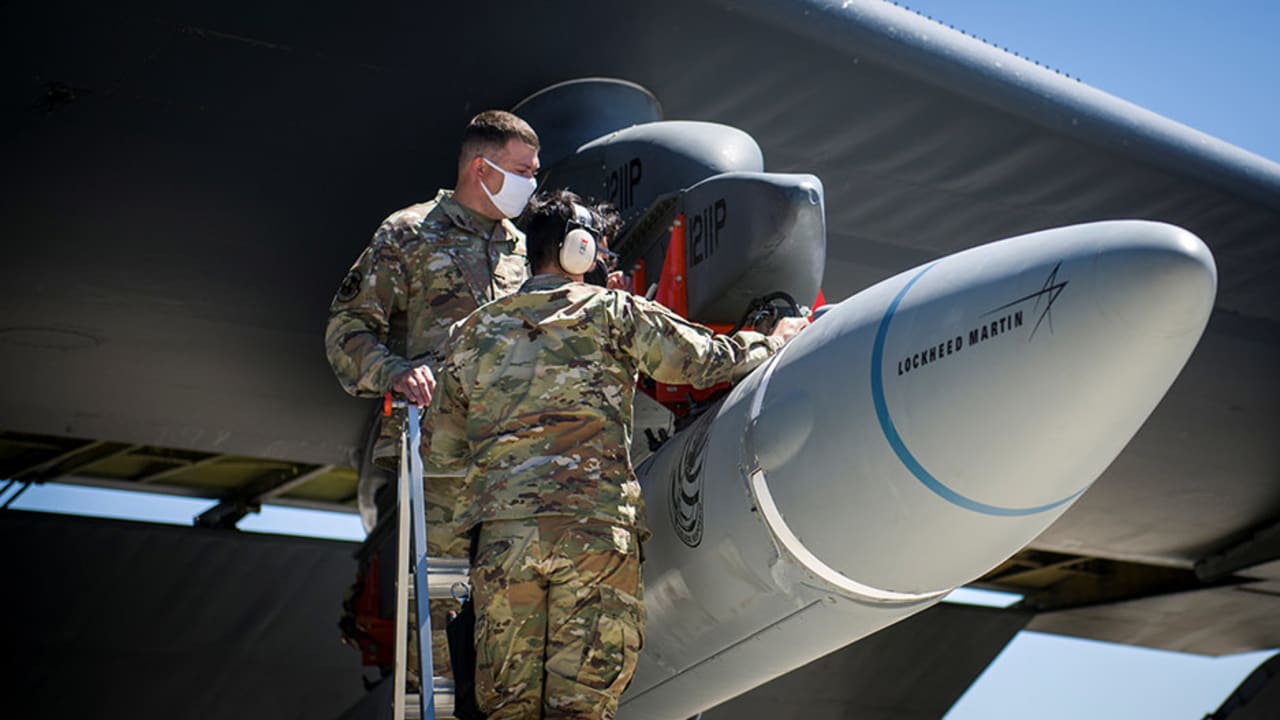
Giancarlo Casem/REUTERS
Event date
Speakers
- Dmitry StefanovichResearch Fellow, Center for International Security, Institute of World Economy and International Relations, Russian Academy of Sciences
- Tong ZhaoSenior Fellow, Carnegie-Tsinghua Center for Global Policy
Presider
- Rebecca K. HersmanDirector, Project on Nuclear Issues and Senior Adviser, International Security Program, Center for Strategic and International Studies
To avoid a costly and potentially dangerous arms race with China and Russia, the United States should consider new and creative approaches to strategic arms control. A new paper, “The Future of Strategic Arms Control,” for the Managing Global Disorder series explains how this expanded conception can enhance strategic stability. American, Chinese, and Russian experts discuss how the major powers can pursue effective arms control in the future amid growing mistrust and animosity.
Additional Resources
For further reading, please see CPA’s Managing Global Disorder series.