Defense and Security

Military Operations

  • Defense and Security
    Are We Ready? | America's Next Battlefield, With Thomas Shugart
    Podcast
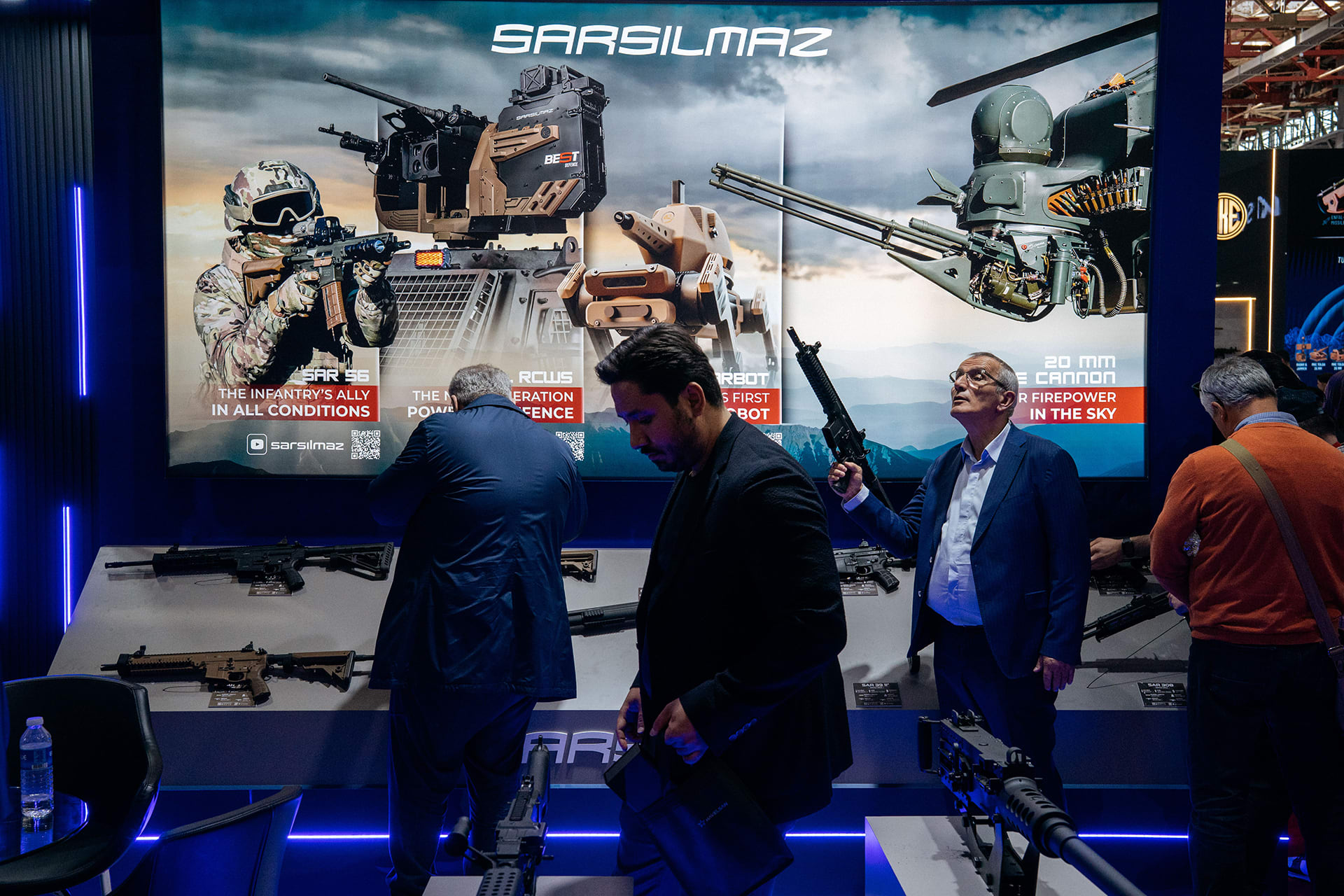
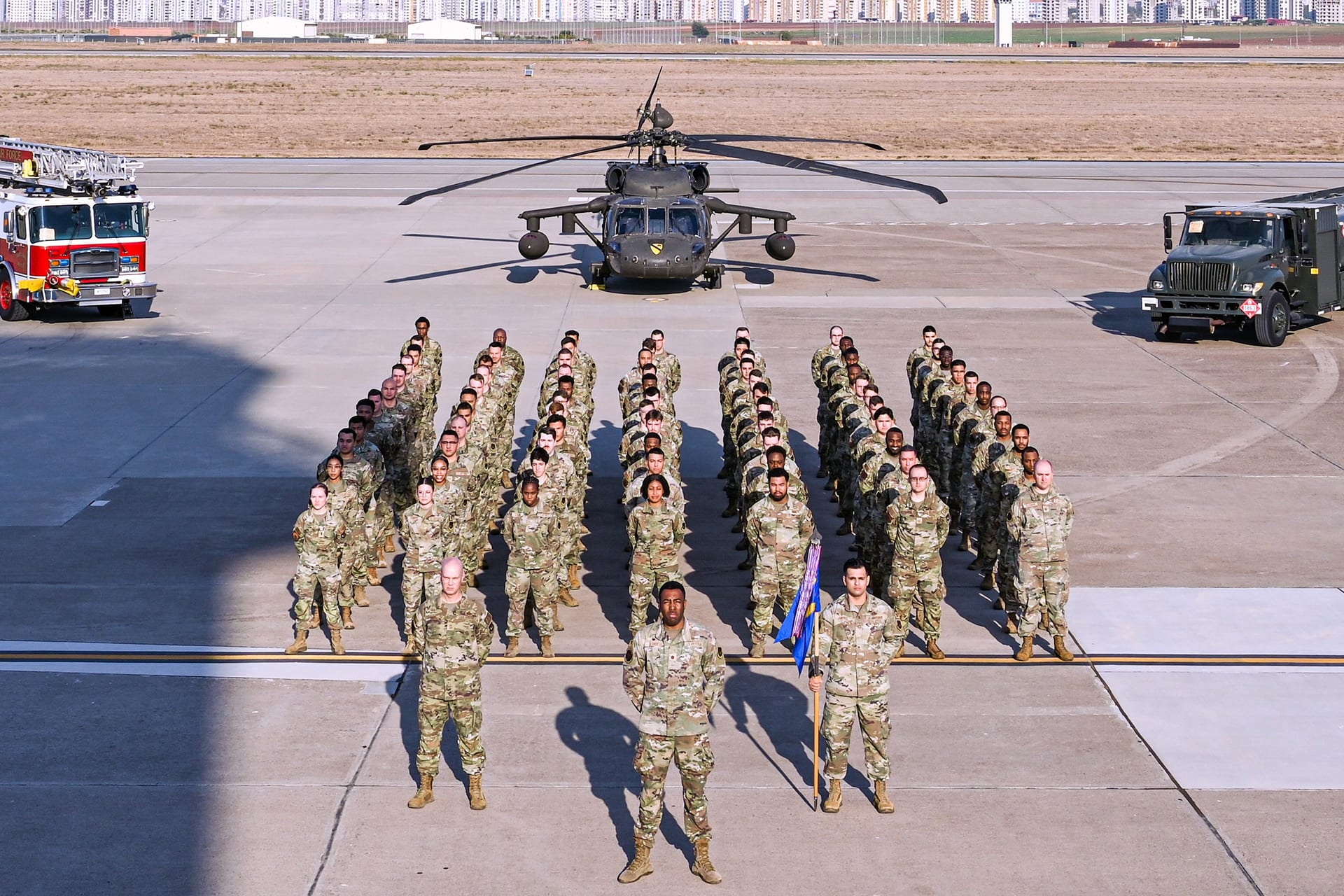
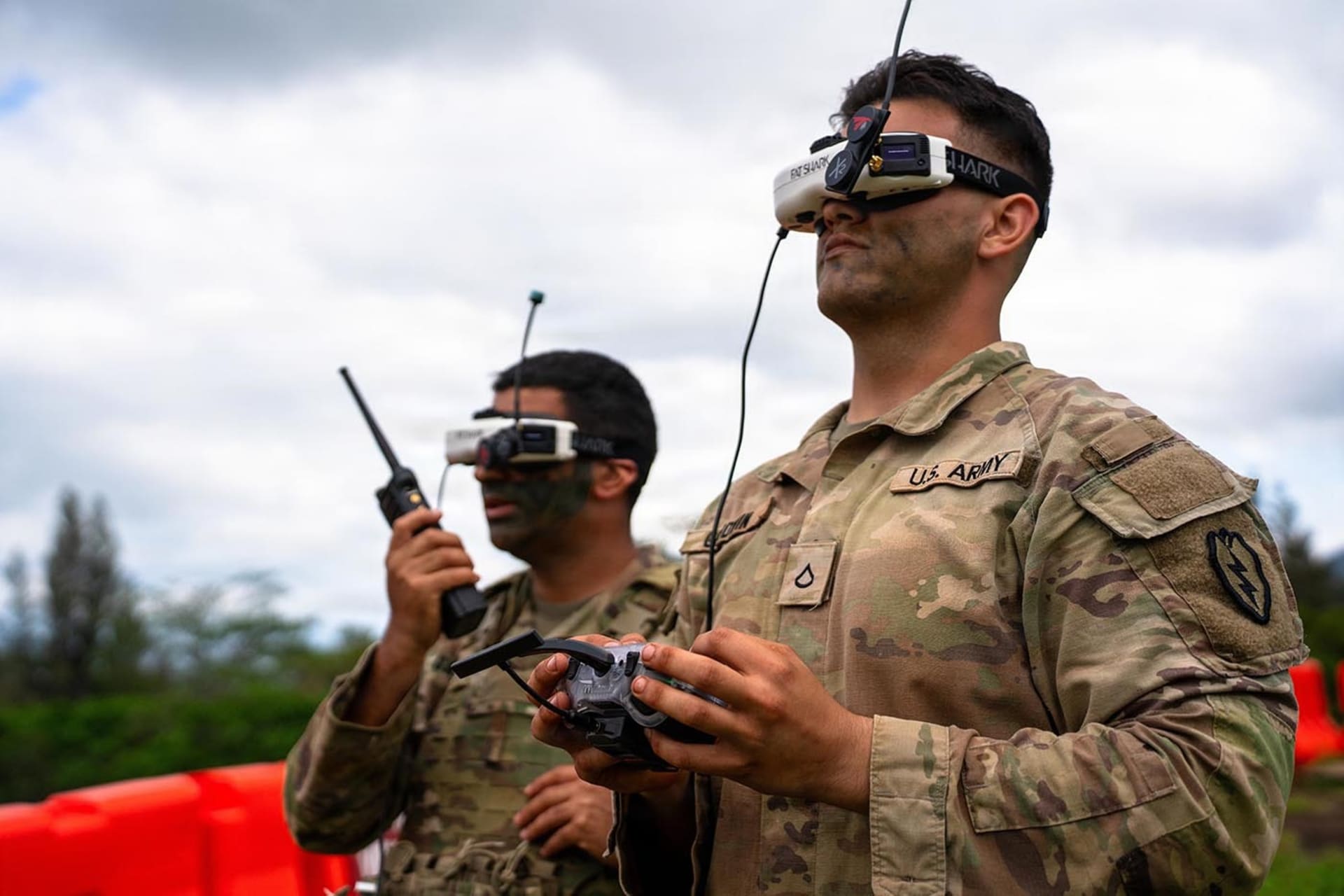
    Thomas Shugart, founder of Archer Strategic Consulting and adjunct senior fellow at the Center for a New American Security, sits down with James M. Lindsay to discuss how the tools and tactics of warfare have changed in the past decade and whether the U.S. military is adapting fast enough to deter a great power war.
  • United States
    A Conversation With General Charles Q. Brown, Jr.
    Play
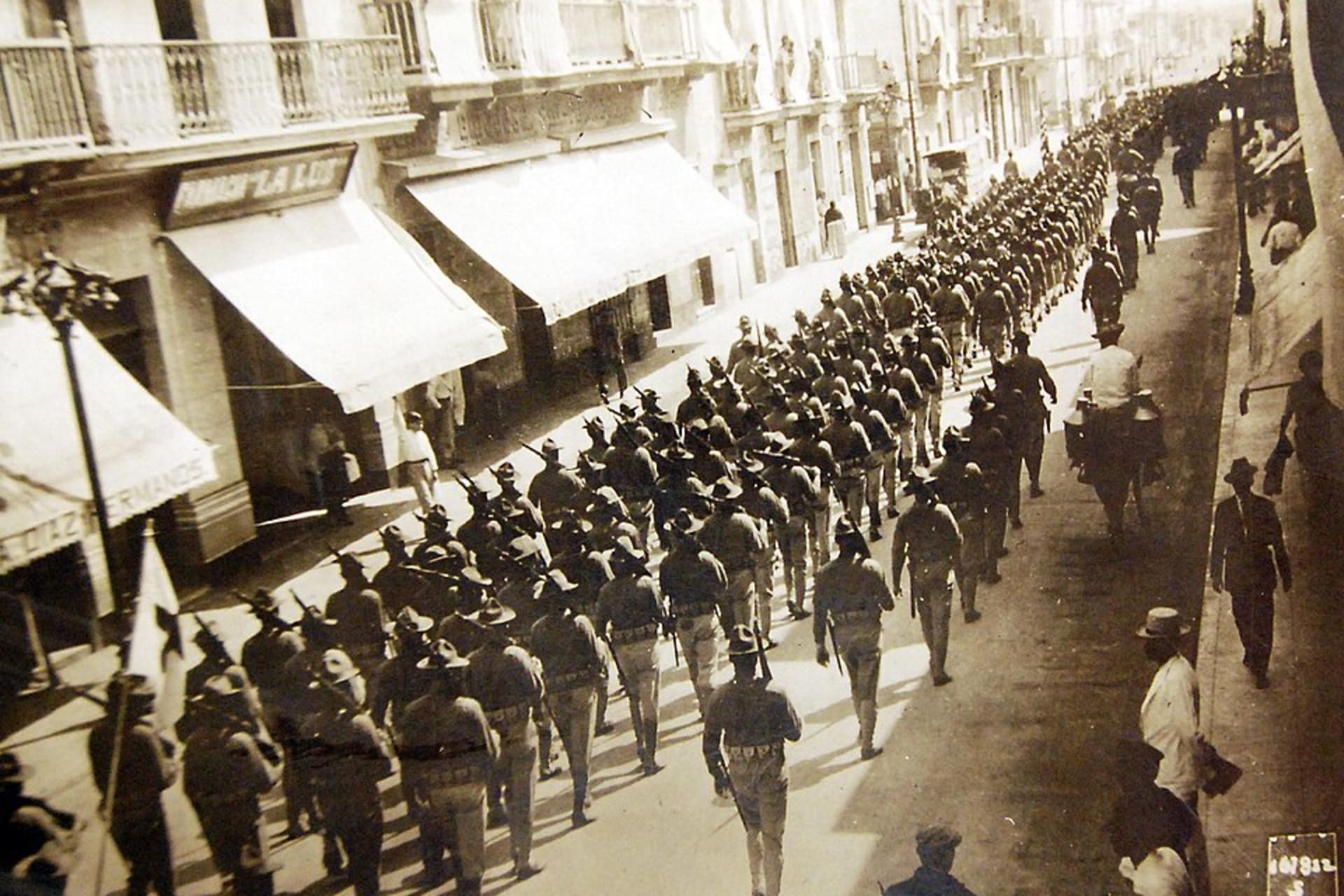
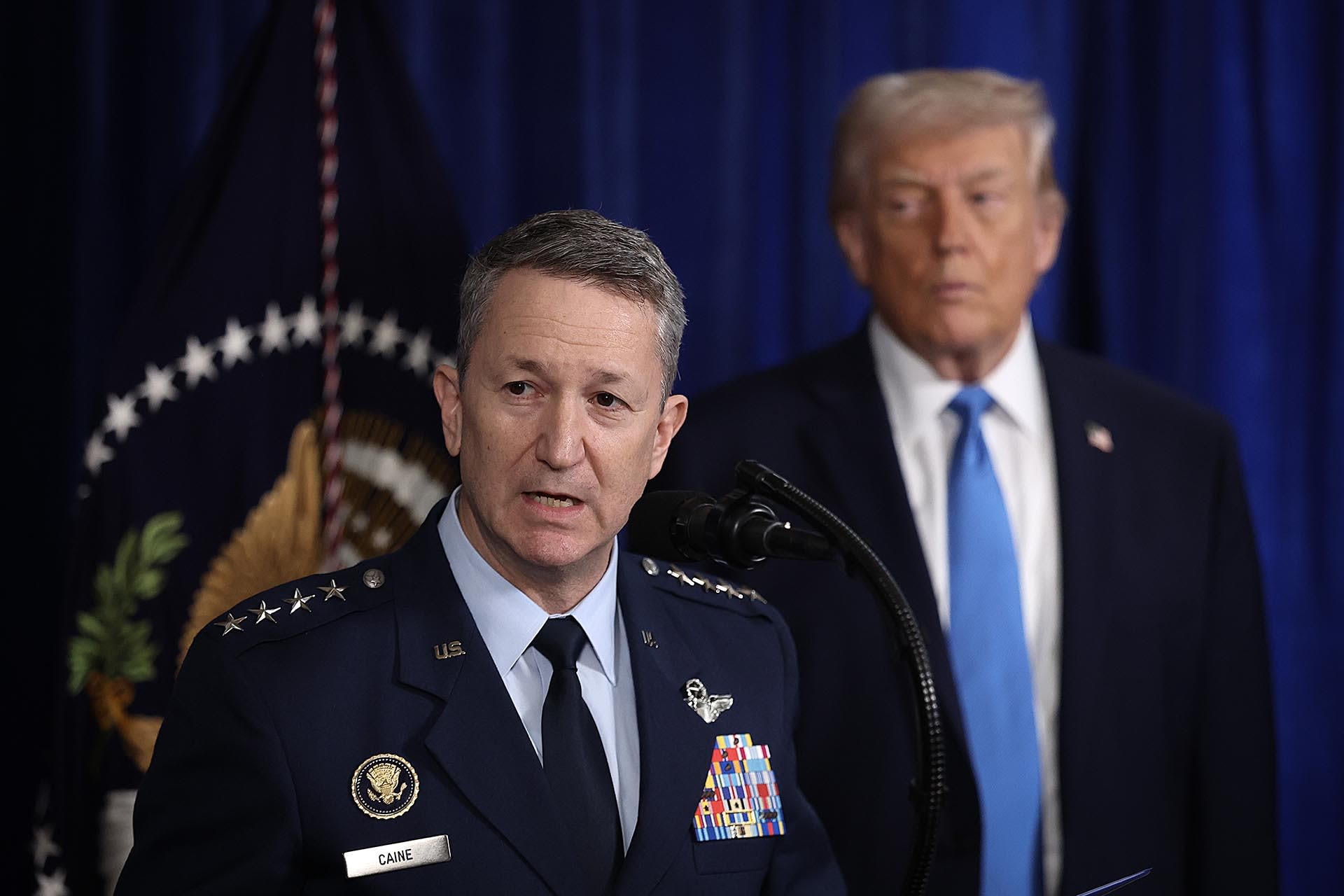
    General Charles Q. Brown, Jr. discusses the most pressing geopolitical challenges facing the United States and the world today and reflects on the lessons learned throughout his distinguished career. Log-in information and instructions on how to participate during the question and answer portion will be provided the evening before the event to those who register. Please note the audio, video, and transcript of this meeting will be posted on the CFR website. PLEASE NOTE: This meeting is part of the Thirtieth Annual Term Member Conference. All CFR members are invited to attend this session virtually, but preference for the Q&A session will be given to term members.
  • United States
    Trump’s Humanitarian Stress Test in Venezuela
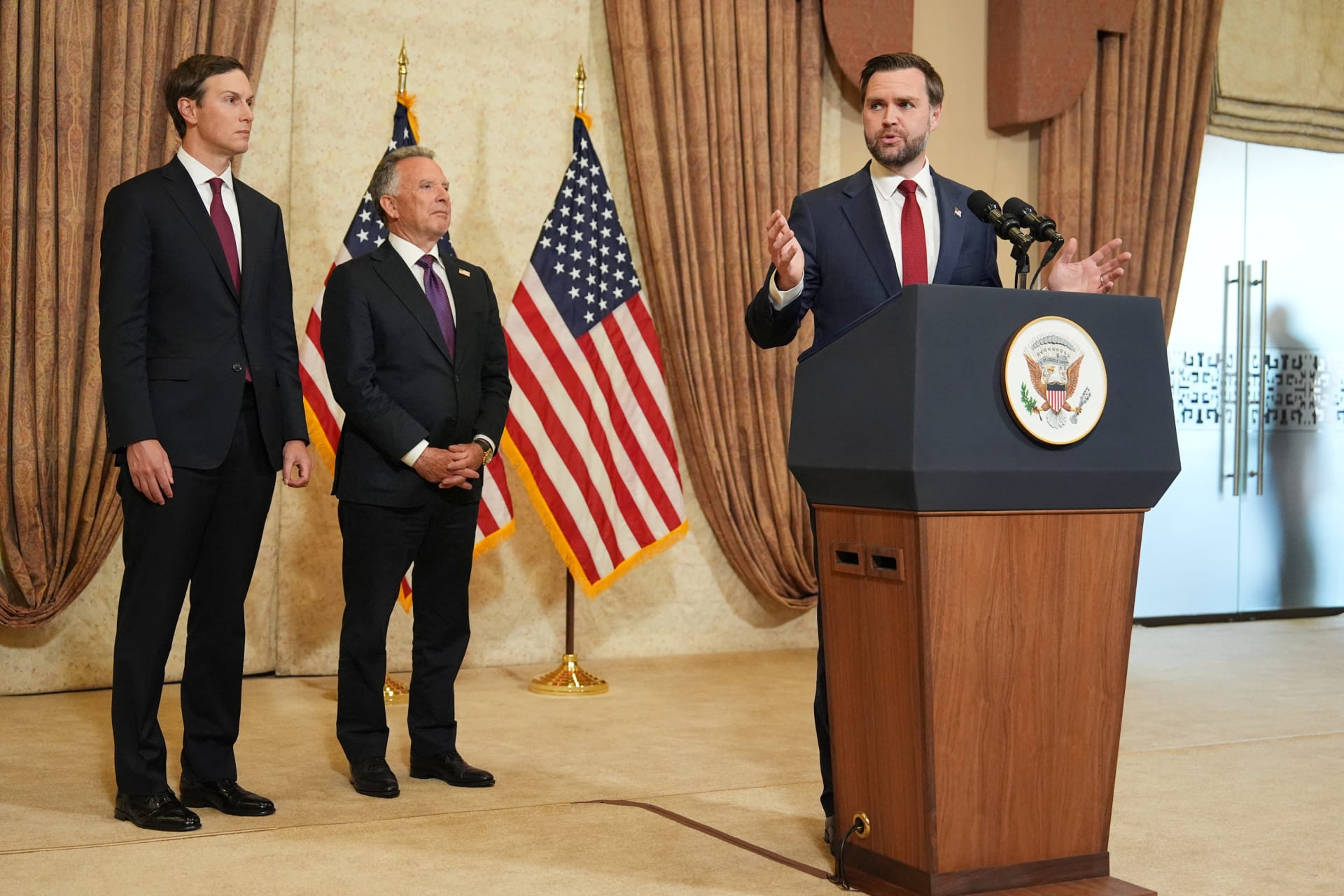
    As prospects for U.S. intervention in Venezuela grow, an already dire humanitarian landscape risks unraveling further, raising urgent questions about whether the military options reportedly under review at the White House account for the human toll that could follow.

Experts in this Topic

Eleanor Atkins

Stanton Nuclear Security Fellow

Richard K. Betts

Adjunct Senior Fellow for National Security Studies

Biddle Headshot
Stephen Biddle

Adjunct Senior Fellow for Defense Policy

Matthew Ferren

International Affairs Fellow in National Security, sponsored by Janine and J. Tomilson Hill

Michael Horowitz Headshot
Michael C. Horowitz

Senior Fellow for Technology and Innovation

Blake Novak

Military Fellow, U.S. Coast Guard

Christopher M. Nyland

Military Fellow, U.S. Army

  • Military Operations
    Civil-Military Relations and the Role of the National Guard
    Play
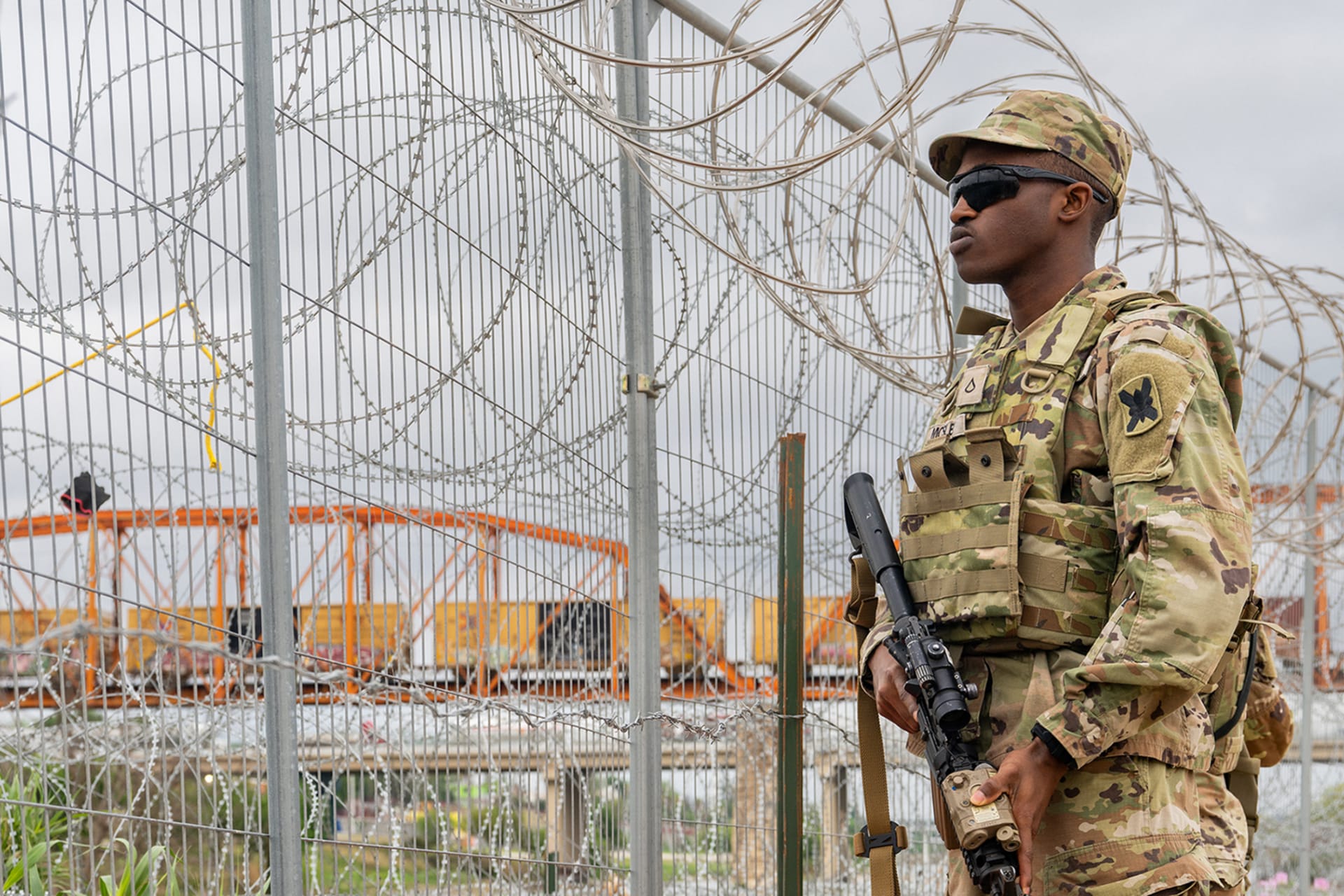
    Max Boot, the Jeane J. Kirkpatrick senior fellow for national security studies at CFR, discusses the evolving role of the U.S. National Guard in responding to state and federal priorities. Marc H. Sasseville, a retired U.S. Air Force general and former vice chief of the National Guard Bureau, discusses his leadership at the bureau and its policies and strategies for supporting local communities across the country. A question-and-answer session will follow their opening remarks.  TRANSCRIPT FASKIANOS: Thank you. Welcome to the Council on Foreign Relations State And Local Officials Webinar. I’m Irina Faskianos, vice president of the National Program and Outreach here at CFR. CFR is an independent and nonpartisan national membership organization, think tank, educator, and publisher focused on U.S. foreign policy. CFR generates policy relevant ideas and analysis, convenes experts and policymakers, and is also the publisher of Foreign Affairs magazine. As always, CFR takes no institutional positions on matters of policy. Through our State and Local Officials Initiative, CFR serves as a resource on international issues affecting the priorities and agendas of state and local governments by providing background and analysis on a wide range of policy topics. We appreciate you all taking the time from your busy schedules to join today’s discussion. We’re delighted to have over 400 participants from all fifty states as well as Washington, D.C. Again, the webinar is on the record. Video and transcript will be posted on our website after the fact at CFR.org, and we will circulate it as well. So, with that, I’m going to introduce our distinguished speakers. We are pleased to have Max Boot and Marc Sasseville with us today to speak on civil-military relations and the U.S. National Guard. Max Boot is a Jeanne Kirkpatrick Senior Fellow for national security studies at CFR. He’s also a historian, best-selling author, and foreign policy analyst. He’s the author of six books including his most recent biography, Reagan: His Life and Legend, which was named one of the ten best books of 2024 by the New York Times. He served as a foreign policy advisor to the presidential campaigns of John McCain, Mitt Romney, and Marco Rubio. He’s also a weekly columnist for the Washington Post and former op-ed editor at the Wall Street Journal. Marc Sasseville is a retired United States Air Force lieutenant general. He previously served as the twelfth vice chair of the National Guard Bureau at the Pentagon. He is currently the executive director of the Rapid Prototyping Research Center at George Mason University, which is focused on national defense and security-applied research areas. He also serves as a senior adjunct researcher at RAND working on critical infrastructure, homeland resilience, and policies that affect the Reserve component. So welcome, both. Thank you for being with us. I thought we would begin first with you, General Sasseville, to give some brief overview of the U.S. National Guard and its dual mandate to serve both state governors and the federal government, and how this unique institution shapes civil-military relations in the United States and, obviously, what we are seeing today. SASSEVILLE: Well, thank you, Irina, and it’s nice to be here with world-famous Max Boot, and it’s a true opportunity that I’m appreciative of to speak with members from every one of the fifty states I understand is represented in some capacity or another. By the way, after being a longtime Guardsman I do believe that the center of gravity of our resilience as a nation lies in the states and at the local level. Sure, there’s a lot of—there’s quite a bit of activity that happens at the federal level but, really, it’s really with all of you and your folks and your staffs and your teams who form the foundation of our great nation. The National Guard—so I’ll spend a little bit of time talking about that because I think there are some misconceptions, and just to level the playing field in terms of basic understanding, there’s the National Guard and then there’s the National Guard Bureau, and when we talk about the National Guard we’re really talking about the 430,000 Guardsmen and Guardswomen, both Air and Army, that serve inside the fifty-four states, territories, and the district, right? And that’s why we call them the fifty-four. Those 430(,000)—and the number changes depending from year to year, depending upon what Congress authorizes—are really all troops, if you will, that are organized at the tactical level. They are all led by a two-star adjutant general—each state, territory, and the district has one, a(n) authorized two-star rank—and most of them are part-timers. So 70 percent of that force is part-time. They have basically two mission sets. We’ll come back to that in a minute. But most of the—most of them, actually all of them, are focused on go-to-war skill sets. The National Guard Bureau, in contrast, is a very small group of people that work here in D.C., some in the Pentagon, some on George Mason Drive, and some at Andrews Air Force Base. That’s only about 3(,000) to 5,000 people who are in Title 10 and federal status. They also come from all states so they have, most of the time, a state background. They understand what happens in there at that level. But their primary job is to, fundamentally, communicate. They are the primary channel of communication between the states and the federal government—the DOD, in that sense. They do policy and they distribute funds and the funds are really funds that are held for training and so forth. There’s also a pot of money called NGREA—National Guard and Reserve Equipment—National Guard and Reserve Equipment Account that Congress appropriates every year just to keep things going. I’ll also add that the whole National Guard Bureau and, to some extent, the National Guard itself—the fielded forces, if you will—are constantly evolving based upon policy that’s put out by DOD and also by legislation that’s put out by Congress. Every year there’s a little bit of nipping and tucking and tweaking that increases, decreases authorities and so forth and so on. What does the Guard do? Well, as already mentioned, they really have two main jobs, right. The first one, they would tell you, is the go-to-war responsibility. That was the grand bargain that was struck about a hundred years ago that the states would give up some authority in return for large amounts of federal funding that suited both entities at the time, and the National Guard really is organized, trained, and equipped fundamentally to fight and win the nation’s wars. Additionally, they are responsive to the states to help the communities in terms of—in times of distress, if you will—national disasters and so forth—and they are responsive to the governors. There are three statuses in which they operate and do those two different missions. On one side you have the state active duty, which is underneath the governor’s control and paid for by state funds. You have the Title 10, which is the go-to-war side of things which is under federal control and using federal funds, and then you have this Title 32 status which is in the middle, which is state authority using federal funds. We can talk more about that in Q&A if there’s some more questions. But those are the different statuses that people get tripped on and even sometimes people in the business don’t fully understand the nuances of when is one status better than the other. I will say before I wrap up here—I don’t know if I’ll get the chance to say it again, but I personally think that in this time, given the geopolitical landscape, the national security environment that we’re in, and after twenty years of being deployed and working very hard I think that we as a nation need to consider moving the needle a little bit in one direction and in another direction, which is to start to prioritize the homeland and not give up on the go-to-war aspects of what the National Guard does. But I think that the needle needs to come back a little bit more in terms of supporting the state. So let me stop there, Irina, if that’s good and we can pick it up in a minute. FASKIANOS: That’s great. So, Max, let’s turn to you to talk about—you know, obviously we’re seeing the National Guard visible to communities in moments of domestic crisis but what is its role abroad and how should state and local officials think about the Guard’s role at this intersection of domestic service and U.S. foreign policy? BOOT: Well, the Guard has an integral role abroad although, obviously, it has an important role in the states. But really the way that the military was designed in the post-Vietnam all-volunteer force era the Guard and Reserve—and we tend to think about the Guard and Reserve, you know, broadly speaking, as since they’re both groups of citizen soldiers, the Guard and Reserve is an integral aspect of all U.S. military deployments overseas. I mean, we basically have sized the active-duty force in such a way that a lot of the support and enablers that it needs to operate are located in the Guard and Reserve, and there was a certain amount of calculation there with military leaders after Vietnam especially thinking, I think, wrongly in retrospect, but thinking that if they integrated the Guard and Reserve more into operations that would make presidents more hesitant to deploy troops overseas because it would have an impact on communities across the nation. That really has not been the case. But what we’ve seen is large-scale deployments have a big impact on the Guard and Reserve. I mean, right now just in very broad terms, I mean, if you think about it the—you know, the active-duty U.S. military is, you know, I don’t know, what, 1.1 (million), 1.2 million, something like that. But there’s, roughly, the same number of Guard and Reserves, and the Reserves are bigger than the Guard but the Guard is still, what, 440,000, something like that. So it’s a substantial force, and just since 9/11 and the post-9/11 deployment something like a million National Guard troopers have been deployed overseas. Obviously, the number is way down since the end of the wars in Iraq and Afghanistan but I think I was looking at a figure from, I think, last year and it was still almost 30,000 troops deployed, you know, in CENTCOM and Europe and other hotspots. So there is an important role to play and I think, you know, one of the—I mean, there are a lot of concerning aspects of President Trump’s deployments of National Guard in areas where governors and mayors have not asked for them to be, and there’s certainly an impact. You know, you have to worry about the impact on our democracy and the impact on the local community, all the rest of it. But there is an impact I don’t think we talk enough about on the Guard and the troops who are being used in this way and for the military in general. I mean, now, you know, President Trump has ordered the Guard to come up, you know, with some kind of amorphous units focused on civil disorder. Clearly, there is a lot more deployment on—within the homeland now and, you know, you have to ask whether this is going to degrade our readiness for warfighting missions overseas. I think there, clearly, has to be some adjustment made and I do have some concerns about the impact of all this on U.S. military readiness for their kind of traditional warfighting missions overseas. FASKIANOS: I think we can open it up for questions from the group. If you want to ask a question you can click the raise hand icon on your screen to indicate you would like to ask a question. When you’re called upon please accept the unmute prompt and state your name and affiliation followed by your question. You can also submit a written question via the Q&A feature in your Zoom window at any time, and if you do so please indicate your affiliation. And, of course, we welcome your comments as well. We’d like to see this space as a place where you can share best practices. So we encourage you to do that as well. So with that, I see we already have three hands raised. Great. Go first to Chairman Doug Stauffer. If you can accept the unmute. There we go. Q: Yeah, it took a—it took a second to come up. I am Doug Stauffer. I’m actually chairman of something else, but the councilman is what I’m calling for. Marc, I appreciate your comment on moving the needle, prioritizing the homeland, supporting the states. I guess my question would be what reforms or policies could strengthen the Guard’s ability to serve as a reliable defense for the state and local communities while ensuring the president still has his constitutional authority intact in times of emergency, and I guess that would have to be it is an emergency—how is it declared. I’m just asking, I guess, basically what reforms or policies do we need to facilitate that? SASSEVILLE: That’s a great question. I don’t—kind of to your point, I don’t think we change the authorities. I think the authorities need to stay in place. That’s a much bigger lift, I would say, if we started to dig into that. I think what—the conversations that will typically happen inside the Pentagon surrounding Title 32 so let’s just set aside Title 10. That’s the federal authority that’s going to—that will be used by the federal authorities when they need it. The governors will use state active duty when he or she sees fit to put Guardsmen to work in a state doing a certain activity, and so I think really this is the Title 32. This is the space for the Title 32 discussion and I think that authorizing different uses for funding to support the states is one line of effort, I think, policies inside the Department of Defense to loosen up the authority to use Title 32 or to approve Title 32. So I’ll say that the biggest recent example where it went very smoothly was COVID. So a lot of—much—the vast majority of the Guardsmen that were employed during COVID were in Title 32 status. The federal government recognized very quickly that the states need command and control. They need to authorize at the operational and tactical level to be able to steer support in conjunction with the medical community within their state, and so forth and so on, and that many of the states didn’t have the funds to accommodate and mobilize all of those Guardsmen at the same time so it worked pretty well. Many times, however, on a much smaller scale event the Department of Defense will have a tough time paying for an event that they see, largely, as state responsibility. So make it a wildfire in a certain state or a territory the conversations will always be, well, that’s a state thing. It’s only inside that state. We should let the state authorities handle it. Sometimes the capacity gets quickly exceeded and so adjusting that threshold of federal support, I think, would be another thing that we should be able to look at. A bad day for America if there are cyberattacks, PNT attacks, electromagnetic spectrum attacks that start to impact America and that will be felt at the local level first. We need to be able to have policies that would allow the Guard to respond quickly so cyber authorities and, you know, I talked about authorities earlier. I really was talking about mobilization authorities. But smaller level authorities to get on keyboard, for example, to help defend a certain network, those are little pieces that need to all come together, I think, to move that needle that we’re talking about. FASKIANOS: Thank you. I’m going to take the next question from Senator Kevin Payne. Q: Hi. Thank you. Can you hear me? FASKIANOS: We can. Q: All right. I’m the chairman of the Public Safety Committee here in Arizona. And we have a serious shortage with our correctional personnel—the staff, the guards, if you will. So what I’m wondering is can we use the National Guard to help with our staffing issues? SASSEVILLE: So can you? Yes. Do you want to? Maybe. Should you? Maybe. So that’s a state by state judgment call. There’s opportunity cost. Every time you use the Guard to do something like that that needs to be an individual call. I’ll say that, and this goes back to my earlier comment, the National Guard, Air, and Army are organized, trained, and equipped to fight the nation’s wars and so very little—zero, probably—capacity exists on the correctional side to do that, right? We don’t—that’s not a core competency of fighting a war. Now, we do have military MPs and security forces—MPs on the Army, security forces on the Air side—that are specially trained and, by the way, Max talked about earlier this idea of increasing the capacity to do that. I’ll say that very—not every state has a military police unit or a security force unit that’s trained to do riot control, for example, and so whenever you see—on the news you’ll see Guardsmen in riot gear those are typically MPs and you’ll see on their arms they’ll say—a patch, it’ll say MP. Those skill sets are specifically organized, trained, and equipped to do that mission but there’s not a lot of them in the National Guard and so this recent decision to robust that capacity is a signal—is basically the requirement which the federal system needs to begin to increase that capacity by—I don’t know exactly how much they are going to do that but begin to train more people, buy more equipment to fit them out, and spend more time and effort building that up. So back to the corrections issue. There’s not a lot of capacity in the Guard to do that. Each governor will have to make a decision, do I use the Guardsmen and spend time and money to train them to do that and once they’re doing that now they’re no longer available to do something else. They’re no longer available to respond to another type of emergency. They would be available to deploy in a federal state because—or in a federal status because that would take precedence, but that’s a judgment call that everybody needs to make. I don’t know if that helps. FASKIANOS: Max? BOOT: One fast point. FASKIANOS: Yeah. BOOT: I think—you know, I’m imagining the general can back me up on this but I think the Guard works best when it works cooperatively with state and local authorities instead of antagonistically and I think, obviously, the Guard has a very long history of working cooperatively with local authorities, getting called up by governors, deployed, you know, on missions, used, you know, with some federal support and authority under Title 32—sometimes, you know, even being federalized at—you know, at the request of local authorities and, obviously, there’s a fundamental goodness to it, you know, the idea of basically neighbors helping neighbors and having this local capacity to deal with emergencies, natural disasters, riots, disorder, whatever the situation may be. But I think what’s new and what’s disturbing about what’s been going on the last few months is President Trump using the Guard kind of antagonistically over the objections of local leaders, which I think is throwing it into kind of uncharted waters here. I mean, the last time that the Guard was federalized over the objections of a state governor was in—prior to this year was in 1965 in Selma, Alabama when President Johnson called out the Guard to protect civil rights marchers in Alabama, and now, you know, President Trump did that in L.A., not only the Guard but also active-duty Marines. We just had a judge who ruled that the legal rationale was invalid. We’ll see how that case proceeds on appeal. But the judge’s ruling was that the military deployment violated the Posse Comitatus Act, the nineteenth-century law which prevents the military from being used in law enforcement functions under most situations and, of course, now. And so, you know, now you have the Guard deployed in D.C. where—that’s an area where the secretary of defense, secretary of the Army, the president, they have a lot more leeway to use the Guard in the District of Columbia than they do in a normal state. But even there it’s, you know, it’s—and there’s a—it’s a complicated reaction from Mayor Bowser and the local leadership. But this is, clearly, not something that they were agitating for and you have to wonder—aside from everything else, I mean, I wonder what is going to be the impact on the morale and outlook of the Guard—of the Guardsmen and Guardswomen who are being deployed on these missions. I mean, we read, for example, in Washington you’re having the National Guard be used, you know, to pick up trash and to engage, basically, in gardening of public spaces which, you know, may be useful missions but I’m not sure that should be what the Guard is doing. I’m not sure that’s why people join the Guard because they want to go pick up trash. And then you also have a situation, like, in L.A. and you hear—again, it’s hard to know how widespread or systemic this is but you certainly hear quotes, often anonymous quotes from disgruntled Guardsmen saying, you know, hey, we don’t want to be put in a situation where we seem like an army of occupation. We want to be helping people. We don’t want to have people, you know, seem like we’re—you know, we’re an alien force imposing somebody else’s will on our community. And so, you know, I just worry about where this is going. There’s so many different dimensions of it—the democracy dimensions, legal dimensions. But, you know, since we’re talking about the Guard here I worry about what is going to be the impact on the morale and outlook and recruitment of the Guard. Are people going to want to continue signing up for these missions if they’re concerned this is how they’re going to be used? FASKIANOS: Thank you. I’m going to take a written question from John Rutherford, a Nashville councilmember and U.S. Air Force veteran: Will we be better served by merging the Guard and Reserves into one reserve force under governors? Does any other nation have two different reserve forces? SASSEVILLE: So I’ll take a stab at it first. This idea of merging the Reserves and the Guard has been a longstanding conversation since actually the Reserves were created back almost, again, a hundred years ago. I think the Reserves and the Guard both have their benefits and their pros and their cons, essentially. The reason—part of the reason that we have the Reserves is because the services wanted to access part-time capacity. They wanted to have some surge capacity. That was the original premise because at some point they discovered that working with the states and accessing—getting a hold of Guardsmen who were either otherwise under the authority of a governor or already committed by a governor was going to be hard to do. So the Reserves are actually Title 10 assets. They can be called up at any time without the checks and balances of having to coordinate and collaborate with state governments. I think there’s room to have that discussion at a national level. What do we—you know, in this environment, this fiscally constrained environment that will continue for the foreseeable future I think that that’s a reasonable question to continue asking, is it time to go in a different direction. I don’t think that we go the other way and give up the Guard and make them all Reservists. That’s, clearly, not in our national interest, I don’t believe. But I think that that does keep coming up as far as what other nations have and don’t have. In my experience as the vice chief of the Guard bureau and working with many other entities I don’t think that they do but they may have some variation. They just give them different names, right? So they have some kind of force that the lore that the services can access, right, below their MOD, if you will—the ministry of defense, our Department of Defense—and then their provinces and states also have access to some capacity in terms of forces that are organized, trained, and equipped that they can access on a regular basis. So I do think that some models exist, although they don’t call them the same thing. Max, any thoughts on that? BOOT: Yeah. No, I mean, I think you’re right, General. I mean, I couldn’t imagine doing away with the Guard because leaving everything else aside, I mean, that’s kind of a bedrock of our constitutional system of government that checks and balances federalism. I mean, this is a tradition that goes back to before there was the United States of America where you had state militias, right? The Guard are the inheritors of the state militias and I think the founders really looked upon those militias as being the guardians of our liberty. So, you know, it would be a massive blow to the federalism in our system if governors lost the ability to have their own military forces for use in their own state. So I don’t think that’s—that’s a complete nonstarter from—you know, from my opinion. But then you can talk about—you know, I think you have to talk a kind of total force construct. You can’t talk about the Guard or Reserve in isolation. You got to talk about it in conjunction with the active-duty force. Again, all this stuff goes back really to the—in our current era it goes back to the abolition of the draft in 1973, the all-volunteer force, the way the military was structured in the post-Vietnam era, and they are kind of interlocking and supporting with the active-duty component with the Guard and the Reserves. So if you start, you know, adjusting one you’re going to have big impacts on the rest and so you really have to—this is just very hard to untangle this or to fundamentally change the way it’s been constructed over the last fifty years because if you’re changing capacity in the Guard and Reserves then you’re affecting what’s in the active-duty force and then you’re raising questions, like, are you going to have more active-duty forces or, you know, who’s going to take over those roles and missions. And I think that becomes very quickly very costly and something that Congress probably does not want to address. You know, I’m not—you know, I’m not an expert on how other nations structure their reserve components but I will say just based on my own personal observation, you know, just knocking around Afghanistan and Iraq and places like that other nations do have other capacities and one of the big ones is interior ministries, which we really don’t have in the same way, although there’s a lot of federal police forces. But, for example, I know, like, in places like Iraq the Italian Carabinieri was a very valued component because it’s this federal paramilitary police force that’s very useful for—some of that capacity that General Sasseville was talking about like the MPs, I mean, it’s kind of MPs on steroids. And so they have a lot more capacity that they can bring to bear for mission sets like training foreign police forces, vice training foreign militaries, and we don’t quite have those same—we don’t have those same capacities within our government and those are, I mean, legitimately things that could be developed somewhere. But often in other countries they’re developed outside the military sphere altogether with a more paramilitary or interior department focus. FASKIANOS: Thank you. I’m going to take the next question from Wyoming Representative Nina Webber. Q: Hello, and thank you for hosting this. This is—I’ve heard a lot of great information. I know in the state of Wyoming there’s a lot of talk about the National Guard as well as a state guard or militia, as Max had mentioned. And I know that it’s getting a lot of ground here for the specific topics that you all are talking about, which is, yes, we need to protect the United States of America, and yes, the president has the right, the ability to send our Guardsmen and -women anywhere and everywhere. I get that. But if something happens here, which—I know that you all probably feel the same way I do, which is this, and that is we probably will have an event. Will it be cyber? I don’t know. Will it be chemical? Maybe. Will it be nuclear? I really don’t know. But if we’re not ready to protect our own state with a state guard—which I do understand that that could be as easy as a governor saying, hey, we are going to allow this, and let’s get this task force up and going, and see how it’s ran. We need to protect both. There were some earlier comments about, you know, are the Guardsmen wanting to pick up trash in D.C. You know, from the Guardsmen and -women that I have talked to, they honor America, and if the president wishes us to go do that, then that’s what we do. And we support the president. Period. But how many states—I don’t know this—but how many other states have a state guard or militia that’s in place that will protect their own state in the event actions come our way? Do you know that? SASSEVILLE: So the last time I looked at this, I want to say that there were between a dozen—between a quarter 50 percent of the states have a state defense force or a state guard. The lexicon is a little confusing here. And I, for one, am a huge fan. I would caveat that with it needs to be organized, trained, and equipped—and you’ve heard me say that quite a few times. It needs to be properly organized, trained, and equipped, and resourced to be effective. But I think that that is something that every state, given their resources and their situations, ought to take a look at. Now, for those of you who might not be familiar, basically it is a force, authorized by the state, right, so that’s a key element. I’m not a lawyer, but I’m sure there are plenty on this call, and I think that probably everybody would agree that it needs to be an authorized force by the state—not to be confused with unauthorized militias, right? I think we saw that a few years ago and the confusion caused by that. They are uniformed, they are organized, they have a chain of command, and I think one of the biggest differentiators is they don’t have a wartime mission, right? They are not funded by the DOD. They don’t receive federal funds. They all receive state funds, and they are unarmed, which is a key component. And then, again from our recent experience, they are easily identified differently. So they—when you see on TV or the pictures, their name tapes will be a different color, they’ll have a different hat. I think the uniform can, should, may be largely the same, but the identifications, the markings would make them easily identified as state defense force. And they can fill that gap where, yes, we need somebody to do X, but we don’t need to take a go-to-war capacity and have them do that. We can keep the go-to-war capacity in reserve—we, nationally—in case they do need to get build a runway someplace or set up a communications node in a foreign environment. So I think that is another tool in a governor’s or a state’s tool kit that should be looked at very hard. FASKIANOS: Max, anything to add or shall we go on? OK, we’ll go to Vermont Representative Jed Lipsky next. You can unmute yourself. (Pause.) OK. Q: This is Representative Jed Lipsky. FASKIANOS: Right. Q: Thank you. I serve in the Vermont state legislature, and serve on the—among other things—the National Guard and Veteran Affairs Caucus. And my question—we’ve been challenged. We have a tremendous Guard—both an Air Guard and an Army National Guard here. But recruitment and retention has been a challenge for us. So my question really has to do with—pardon me—(pause)—you know, the deployments ordered by the Commander-in-Chief, President Trump, against the will of governors or mayors I feel strongly would impact morale of our Guard. Our Guard has responded to COVID, flooding events, and other natural disasters, but has an outsized role in supporting our active duty troops from Iraq, Afghanistan, and other places throughout the last two decades. So I’m concerned that perhaps Max Boot is best—might be best prepared to answer about the constitutionality. We’re the only state where the legislature elects the adjutant general. The adjutant general is not appointed by our governor. But my question is really constitutional. Thank you. BOOT: I mean, I think President Trump’s actions are raising a lot of legal and constitutional concerns with how he is employing the military. And beyond the legal and constitutional, I think there is just the prudential and issues about whether the military is getting politicized. I mean, that’s something that obviously goes way beyond the Guard and Reserve. But, I mean, anybody who has been following this stuff knows that the director of the NSA, the director of the DIA, the chairman of the Joint Chiefs, the Chief of Naval Operations, and many other senior officers have been summarily fired without obvious explanations. And sometimes the explanation one reads is that they, you know, got into the crosshairs of some internet conspiracy theorist and so were let go. And I think that—you know, that sends a concerning message to the men and women of the military because I think, you know, when people raise their right hand, and swear the oath, and join the armed forces, they view themselves as being part of this apolitical force dedicated to defending the Constitution and the country, and not being used in a political or partisan manner. And I think certainly some of President Trump’s actions are raising those concerns. Again, as I said, you just had a federal judge in California who ruled that the deployment of the Guard and the Marine Corps to Los Angeles was a violation of the Posse Comitatus Act. Again, we’ll see how that works on appeal. We also had a situation last week—which I’m very concerned about—where the military blew up a speedboat somewhere in the Caribbean, off of Venezuela. We don’t know a lot of details. We do know that eleven people were killed, and the justification for this was that this was supposedly a boat that was smuggling drugs. But, you know, this has been—drug interdiction has been a very longstanding mission for the Coast Guard and Navy. And typically when the Navy is in this role, they have Coast Guardsmen on board in their law enforcement capacity, to carry out the law enforcement mission so they can interdict these boats, they can impound the cargo, they can arrest the crews. But in this case, they didn’t do any of that. They just blew the boat out of the water. And so the question is what is your legal authority for doing that. When did Congress authorize the use of lethal force against so-called drug cartels? It hasn’t happened, to the best of my knowledge. And I’m reading a lot—I mean, I’m not an expert on the laws of war, but I’m reading a lot of people, more experts in the laws of wars, saying they don’t understand how this is legal. And this is taking the military into new, and uncharted, and dangerous legal waters. And so all of that is of serious concern to me, watching the way the military is being used. And I’m sure it’s of—ought to be of concern to folks in the military. And I think it’s—as the questioner was raising, I think this is going to raise issues about recruitment and retention because, again, I mean, maybe some members of the military want to be used this way, but a lot of them don’t. And I think it’s going to cause some real problems down the road if this kind of behavior continues. I think it’s going to be—again, some people might want to sign up for that, but others will not. And I think—you know, especially going back to the subject of our call, the use of the Guard over the objections of local and state elected officials, I think is a very corrosive message to send to currently serving Guardsmen and -women, and also to individuals who might be considering joining down the line. FASKIANOS: General Sasseville, do you have any data, or is it too soon to see what the knockdown effects are? SASSEVILLE: I would—I think it’s a little soon. I think that—I know part of the topic here is civil-military relations. It ebbs and flows as the environment changes, as the politics change. I would say that as long as we, as a nation, agree that our military needs to remain apolitical, we can center back towards that. If we start to lose agreement on that, then I think that we will be in trouble. And this is, again, beyond the Guard and the Reserve but, you know, the current chairman of the Joint Chiefs of Staff is—it may be unstated, but certainly working towards this centering back to an apolitical environment. And I think that this is a pillar that we cannot give up on ever as a nation. That’s the direction that we need to continue in and center back on that. FASKIANOS: Thank you. I’m going to take the next question—written question from West Virginia Delegate Rick Hillenbrand, who is the chair of the Veterans Caucus and retired U.S. Navy: Would you comment on your thoughts regarding state legislation proposals that seek to prevent the president from federalizing the National Guard unless there is a declaration of war? SASSEVILLE: Over to you, Max. BOOT: OK, sure. I mean, I think declaration of war is a little bit restrictive because, you know, when was the last time the U.S. actually declared war on somebody? I think it was World War II. We’ve certainly had authorizations for the use of military force. Maybe if—you know, I don’t know. I’m not—quite honestly, I’m not a lawyer. I haven’t thought deeply about, you know, what kind of legal restrictions states can place on the use of their Guards—the state Guards. But I think, you know, to the extent that there is discussion about that, I think it reflects a concern with how the current administration is using the Guard as a desire to maintain some guardrails. You know, I think—you know, unfortunately, I mean, I think there has been in general—one of the basic guardrails has been, not a law, but simply a common understanding that the president, except in the most unusual and extraordinary circumstances, will not federalize the Guard and deploy them within a state over the objections of that state’s governor. Again, before this year, the last time that happened was 1965. So, you know, I—you know, this is not something that is normal, but when you have a president who is willing to shatter norms, then you have to ask, you know, is there some way to restrain that with the use of—through, you know, legislation. I think it’s very hard just because, you know, the authority the president has under the Constitution, as commander-in-chief, and the—and the evident leeway that the Supreme Court is willing to give the president in the exercise of that authority, I think it will—again, I’m not an expert, I’m not a lawyer, but I think it will be very hard for state legislatures to constrain that. But it’s—but clearly the—but I think there are, even with President Trump, I think there are some constraints which are operating, and you see that in the fact that, you know, with the deployment to D.C.—I mean, yes, he is—you know, the president is basically is in direct—or the secretary of the Army is in basically direct control of the D.C. National Guard, but the other Guards that are there are there voluntarily, with the governors of those states volunteering to do that. And it—you know, President Trump has threatened to deploy the Guard to Chicago where the governor in Illinois has made clear that they don’t want the Guard there. And so, you know, he seems to be—you know, this could be invalidated tomorrow, but at the moment he seems to be hesitating in deploying the Guard to Chicago over the objections of the governor. And I think, you know, General Sasseville was talking about the Title 32 authority and some of the—I mean, even within the existing statutes, there—and constitutional constraints, there are obstacles that exist for the president to use the Guard in these domestic missions. And I think some of those obstacles are constraining even what President Trump is doing so far. SASSEVILLE: The only thing I would like to add to that is I’m aware of a—not a movement, but an effort , I think—to protect the state Guards. And I think it’s called the Defend the Guard Act. There are some states that are interested in promoting this idea that, while the federal government really doesn’t have supremacy in this case and in trying to rebalance in that sense. I think that if—and there’s two schools of thought. I think that there is a honest one which is, hey, you really need to have a bigger conversation with the state if you’re going to federalize and mobilize troops to go overseas because we have either needs or commitments back home that need to be tended to, right—again, in the bad-day-for-America scenario where we need to do both—do robust homeland offense and we need to project forces. And so I think there’s a way to get at that conversation in a more meaningful and productive way. If the Defend the Guard thing is really just a political pushback on the federal, I’m not sure that that’s very helpful because, fundamentally, as I said, we really need an apolitical force, both, you know, on the federal side and in the reserve component as much as we can. I think there is some inherent political aspects of the Guard because, obviously, they work for the governor, and when mobilized, they work for the president. And so there is that angle. But I think fundamentally—again, I go back to we need to be as apolitical as possible. FASKIANOS: Thank you. I’m going to take the next question from Commissioner Jeremy Gordon, who is of Polk County, Oregon. OPERATOR: Irina, Jeremy Gordon is no longer on the queue. FASKIANOS: All right, so we will not go there. We’ll go next to New York Assemblyman Tommy Schiavoni. Q: Good afternoon, everyone. And that is Tommy John Schiavoni. Thank you for having this important discussion. My question focuses on the ability to declare an emergency on the part of the governor or the presidency. Are there—is there any parameters or criteria on declaration of emergency? And, you know, I think with some hurricanes and natural disasters, you know, it was pretty clear. However, if you could give us some feedback and thoughts on that. And also, where do the funding streams come from, depending on who declares a state of emergency? SASSEVILLE: So I am not—I don’t know that there is an established criteria. Again, I’m not a lawyer, and I’m not in that business. But I think there are some basic issues that would need to be addressed that people would look at. But I think past—an event that could be argued one way—I think largely it’s a judgment call, and what the attorneys surrounding the decider would advise, and what they think would be appropriate, so I think there is quite a bit of latitude in how an emergency gets to be declared. As far as funding streams, I think it depends at what level, right, so state versus federal, and I think that whole discussion of federal declaration obviously opens up federal resources that then get flowed, as we know—Stafford Act and so forth and so on. And so that’s all I have on that topic really. Max, anything to add? BOOT: Well, just to state the obvious, which is that President Trump is declaring an unprecedented number of, quote, unquote, “emergencies” in order to justify executive actions that he wants to take. And basically the answer to your question, I think, is it will be determined by basically two individuals, and those two individuals are Justice John Roberts and Justice Amy Coney Barrett, who are basically the swing votes on the Supreme Court who will determine if his use of emergency powers is constitutional or not. I mean, just—the Court just I think a day ago agreed to fast-track an appeal involving President Trump’s imposition of tariffs on pretty much every country in the world based on a use of the Emergency Economic Powers Act, which two courts have already found to be a violation of the law and not authorized in the law. But ultimately, you know, what’s authorized or not authorized, it’s a subject of interpretation. And you’re going to see the same thing with the—with the case involving the L.A. deployment where, again, as I mentioned, Federal District Judge Breyer rules that it’s a violation of the Posse Comitatus Act; that President Trump is trying to suggest that there was an emergency in effect and there really was not. It’s going to be determined at a higher judicial level. So, ultimately, I think all of this stuff is very much in flux in terms of what is an emergency and what isn’t. But I will just say that, you know, President Trump’s attempts to use those emergency powers is an unprecedented expansion of executive authority. FASKIANOS: Great. Thank you. There are so many questions, looking through. Sarah Arbuckle, I just wanted to raise her comment. She’s chief of staff in the Oregon House of Representatives, said that: Oregon recently introduced legislation to restrict the president’s use of the Oregon National Guard. And then Issac Evans-Frantz, a board member from Brattleboro, Vermont, said: The Defend the Guard initiative that Delegate Hillenbrand referenced has passed the New Hampshire House, the Virginia House of Delegates, the voters of Texas, and beyond before president took office in January. What do you think has caused such interest in this initiative among veterans, constitutional conservatives, and antiwar groups? SASSEVILLE: Yeah. So that’s the same legislation that I talked about before. I think that people are concerned, especially coming on the heels of twenty years of war overseas and all the national treasure in terms of dollars and lives that were affected by that. I think there’s some genuine concerns about the need or the desire to really do that again, or more of it, and the desire for a broader conversation about what’s appropriate and what’s not appropriate. And an undercurrent, I think, is what I mentioned—also mentioned about the idea that we really need to bring some homeland defense capacity back to the conversation and how do we increase that, because I think word is getting out about how the—our adversaries, our pacing challenge the Department of Defense would call them—now the Department of War—our pacing challenge, what they intend to do and how they intend to get there really involves taking actions here on our homeland. So I think that’s really part of it. Again, there may be political angles on top of that, but I think that’s the bottom line. FASKIANOS: Jeremy— BOOT: Just very quickly, that’s another— FASKIANOS: Yeah, go ahead. BOOT: That’s another example of, to my mind, excessive executive authority, because Congress named the national military establishment the Department of Defense by statue in 1949. The president does not have the power to rename the department by executive order. So if it’s going to become the Department of War, we’d better see some legislation from Congress. FASKIANOS: Yes. I’m going to go to Jeremy Gordon. I think his hand is back up. Q: Thank you so much, and thank you to the speakers. FASKIANOS: Great. Q: This is a fascinating conversation. And apologies for the mishap earlier. But I’m a county commissioner, as was stated, in Polk County, and recently the federal government cut funding for emergency management for counties and we are facing big budget constraints there. And so just along the line of opportunity costs, deploying for really unnecessary—(laughs)—in my opinion and others’, immigration enforcement or whatever is happening in the cities, is there a way for the U.S. Congress to sort of prioritize funding for defense of the homeland? You know, I’m thinking, obviously, of a military attack of cyberattack, but also emergency preparedness to sort of spread the benefit of the National Guard’s expertise and joint training opportunities with local governments, with local communities in times between emergencies. It just seems we ought to prioritize where the most bang for the buck can be—can be had, and there’s a limited resource here with the Guard. So just curious about any thoughts there. SASSEVILLE: I think now is the time to have that national-level conversation with every state’s representatives in D.C., right, at that level; communications with the governors into D.C., and giving their opinions and their priorities and their concerns. I think that’s a very healthy discussion to have right now. And I think the Guard, from a—from an institution, would also welcome that because there is a little bit of a concern, again after twenty years of fighting a very long war, do we need a reset? What does our future mission look like? What is the—there are so many variables that are happening right now in the calculus of force structure. How big does the Army need to be? There’s a significant conversation happening in the Department of Defense on end strength there. What does the Air Force need to be looking at? We saw the attacks in Ukraine that were facilitated by drones. We’re watching Putin bombard Ukraine with ever-increasing salvos. So the world is changing at a very fast clip and we need to change along with it, and a big part of that is what Congress decides to do, what they decide to authorize. And the states need a(n) ever-expanding voice in that area, in my opinion. FASKIANOS: Max? BOOT: Just quickly, I mean, I will say that what happens in Washington with the federal budget has knock-on effects, obviously, on the states but also on the National Guards. And for example, you know, President Trump has been out to slash the funding of the Federal Emergency Management Agency and also, as was alluded to in the question, you know, federal funding for emergency management at the—at the state and local level. And so if those funds are truly slashed—and we’ll see what happens with the budget which is now in Congress—but if those funds are truly slashed long term, what that means is there’s going to be a huge lack of capacity to deal with various contingencies that may arise. And guess who’s going to have to deal with them if they arise? It’ll be the Guard. It’s basically, you know, this is, you know, kind of the same thing that’s been happening in Washington where, you know, funding for the National Park Service has been slashed, and so that’s part of the reason why you have Guardsmen out there picking up trash and, you know, planting flowers or whatever in the—in federal parks in Washington, because the people who normally do that no longer have a job. And so, unfortunately, this is what happens in our—in our system of government, basically, because when federal civilian workers or local civilian workers, or federal funding for local civilian workers, but all that stuff gets slashed and there’s a pressing demand for somebody to do something, the easiest recourse for any governor or president is to order the military to go out and do it. And so that’s going to, unfortunately, place another major burden on the armed forces across the board on top of all the other mission sets they already have to deal with. FASKIANOS: We’ve come to the end of our time. And we had so many questions, both written and raised hands, we obviously need to continue this discussion again, have another one, maybe looking at the legal aspects of it. But we appreciate all of you joining us for this call. And a special thanks to Max Book and General Marc Sasseville for being with us today to share your insights. We really appreciate it. Again, we will send a link to this webinar recording and transcript so you can listen to it and share it with your colleagues. As always, we encourage you to visit CFR.org, ForeignAffairs.com, and ThinkGlobalHealth.org for the latest analysis on international trends and how they are affecting the United States. And do feel free to email us, share suggestions for future webinars by sending an email to [email protected]. So, again, thank you all for joining us. We really appreciate it. (END)
  • United States
    U.S. Military’s Boat Strike Escalates Tensions With Venezuela
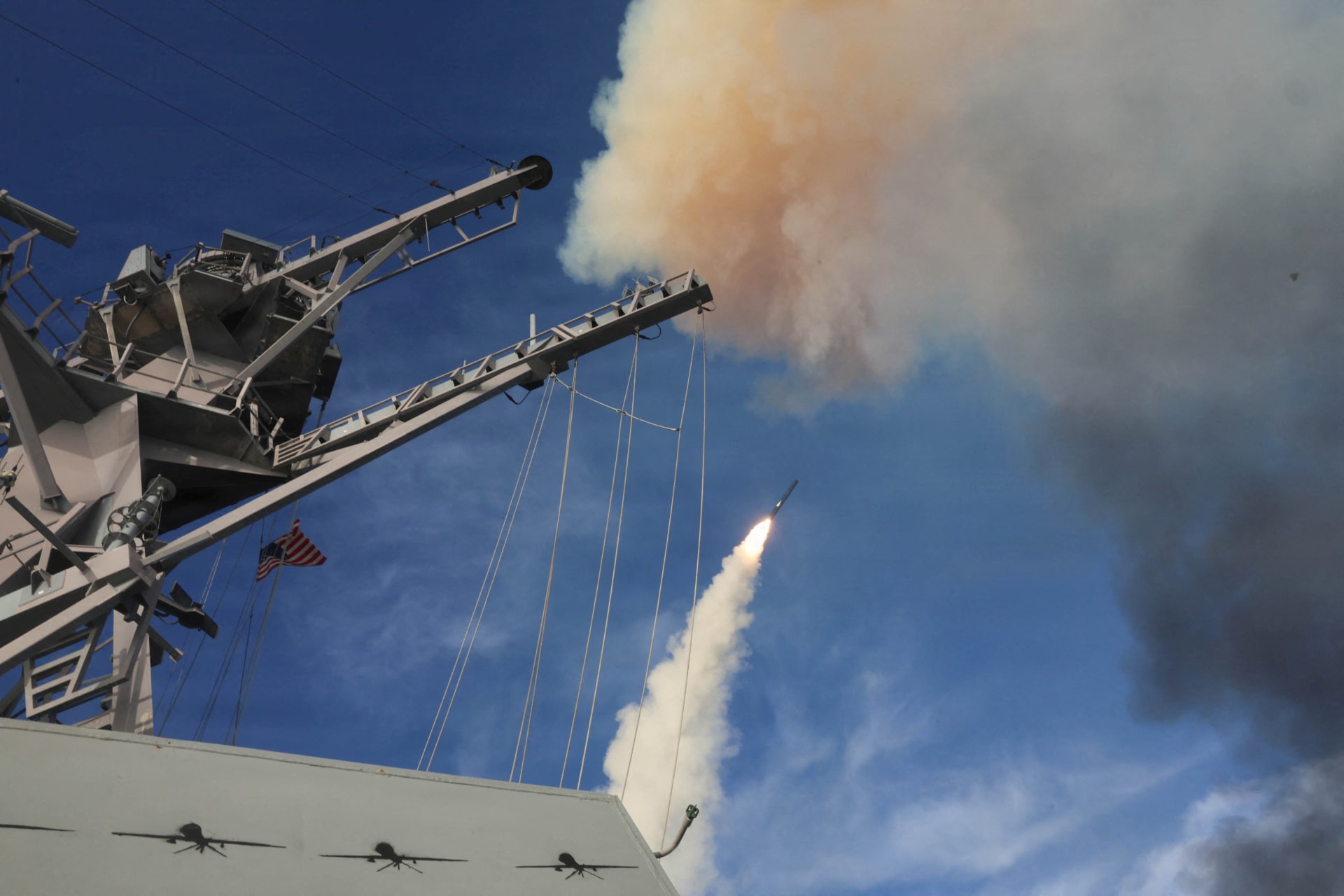
    The Trump administration has ramped up pressure on Venezuela through an unprecedented military deployment and use of force in international waters off its coast. Concerns of further escalation have mounted as U.S. officials signal more strikes are likely to come.
  • Ukraine
    Here’s How Much Aid the United States Has Sent Ukraine
    Ten charts illustrate the extraordinary level of support the United States has provided Ukraine in its war against Russian invaders.
  • Military Operations
    Women This Week: Denmark to Expand Open Lottery to Draft Women
    Welcome to “Women Around the World: This Week,” a series that highlights noteworthy news related to women and U.S. foreign policy. This week’s post covers June 28 to July 3. 
  • Peacekeeping
    Women This Week: Indigenous Women Fight Wildfires in Bolivia
    Welcome to “Women Around the World: This Week,” a series that highlights noteworthy news related to women and U.S. foreign policy. This week’s post covers June 21 to June 27.
  • United States
    Assessing the Effect of the U.S. Strikes on Iran
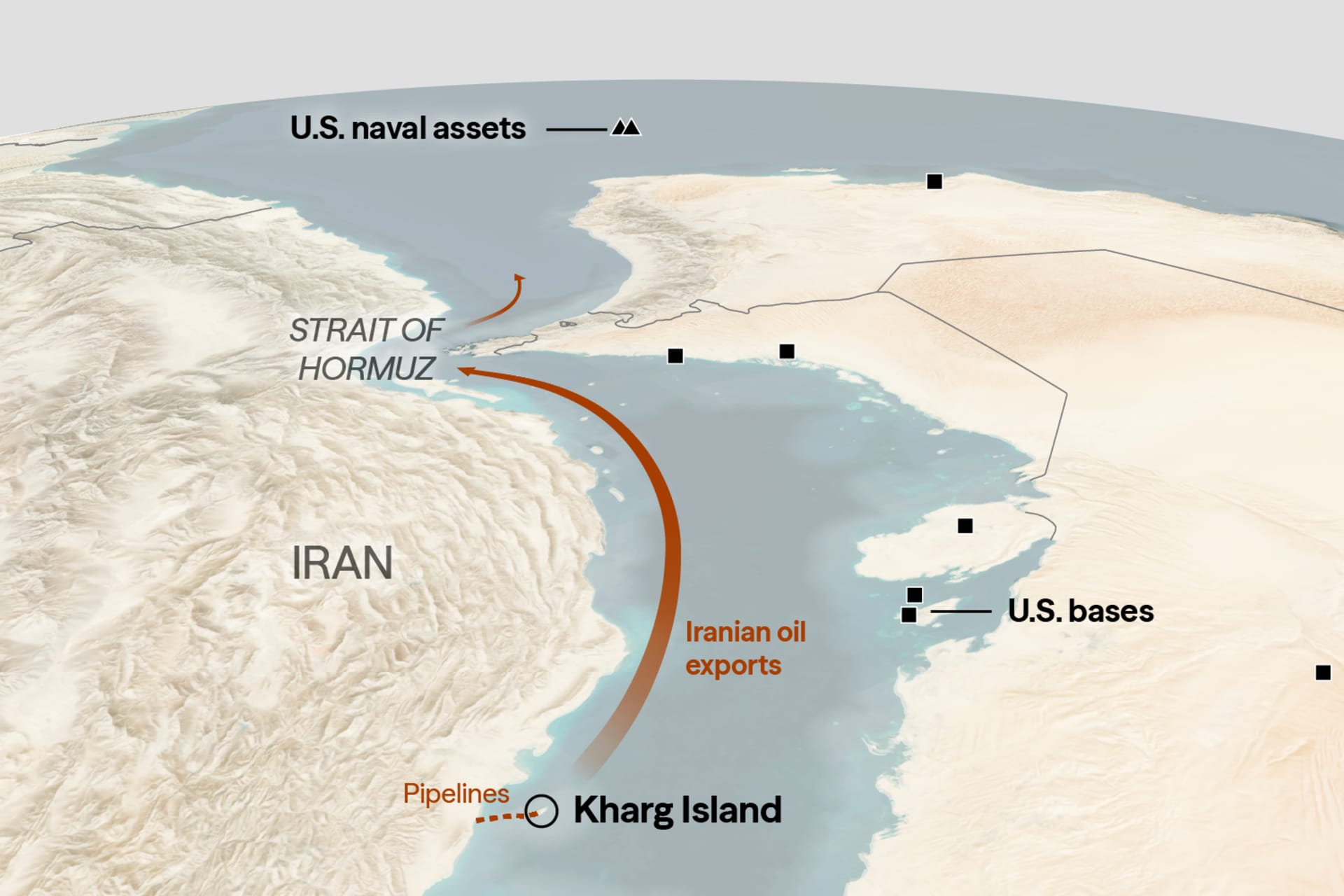
    As the dust settles over the American missile and bomb craters in Iran, questions are already swirling about the success of the U.S. operation and the ripple effect it could have on the region and beyond.
  • NATO (North Atlantic Treaty Organization)
    What Is NATO?
    The alliance continues to bolster its military deterrent in Europe amid Russia’s ongoing invasion of Ukraine and has expanded its membership in recent years.
  • Iran
    Trump’s Iran Attack Was Impressive, but Airpower Has Its Limits
    Despite the impressive advances in airpower since the 1950s—like the precision-guided munitions employed in Saturday’s attack—there is only so much airstrikes can accomplish. 
  • Maternal and Child Health
    Women This Week: British Vote to Expand Abortion Rights
    Welcome to “Women Around the World: This Week,” a series that highlights noteworthy news related to women and U.S. foreign policy. This week’s post covers June 14 to June 20.