Trade, Tariffs & Trumponomics
Trade is a central pillar of President Donald Trump’s foreign policy. CFR experts provide timely analysis on the trade-offs and costs involved as they explore the ripple effects on U.S. relations with allies and competitors alike and broader impact on the global economic system.
Framing the Debate
 Expert Take
 Expert Take
 Expert Take
 Expert Take
 Expert Take
 Expert Take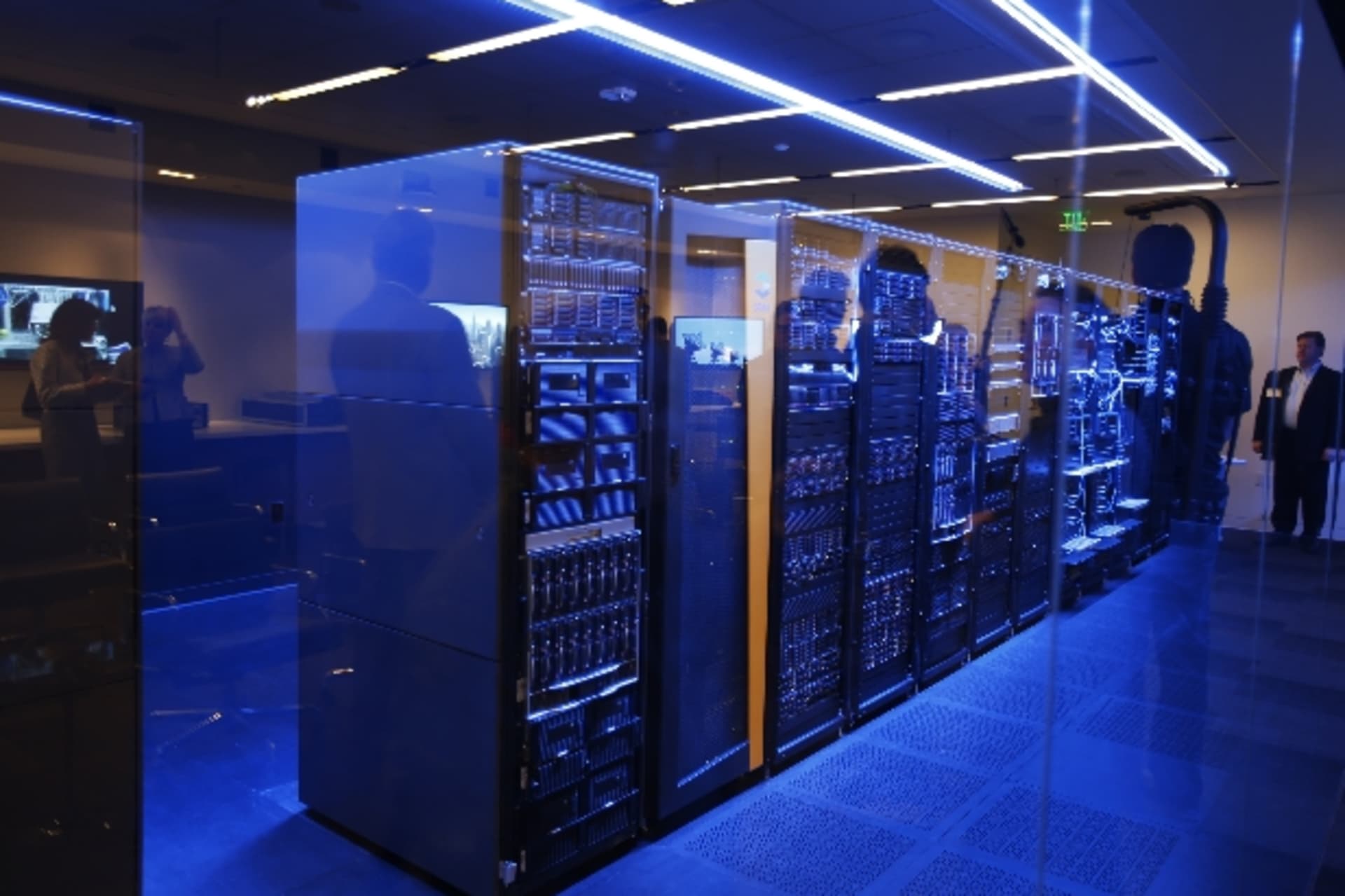
Winning the Race for Tomorrow's Technologies
Leading in artificial intelligence, quantum, and biotechnology will bolster national security and allow the United States to shape global rules and standards in competition with China. CFR’s new Task Force Report explains how.

Can the President Actually Do That?
Though Congress holds power over regulating commerce with foreign nations, it has incrementally delegated significant authority to the president, giving him broad discretion to take trade actions.
Ways the President Can Raise Tariffs
| Tariff Act of 1930 (Smoot-Hawley Tariff) – Section 338 | Grants president authority to raise tariffs up to 50% of the product’s value if a country is found to have discriminated against US commerce. |
| Trade Expansion Act of 1962 – Section 232 | Permits the president to use tariffs on a particular import that threatens “national security.” |
| Trade Act of 1974 – Section 122 | Permits the president to impose tariffs of up to 15 percent for 150 days (unless extended by Congress) in response to specific “fundamental international payments problems”. |
| Trade Act of 1974 – Section 301 | Allows USTR, under the president’s authority, to take retaliatory tariff actions against countries discriminating against US commerce. |
| International Emergency Economic Powers Act (IEEPA) | Allows the president to “regulate” international economic transactions to deal with a “national emergency” from threats emerging outside the US. |
Our Trade Experts

Edward Alden
Senior Fellow
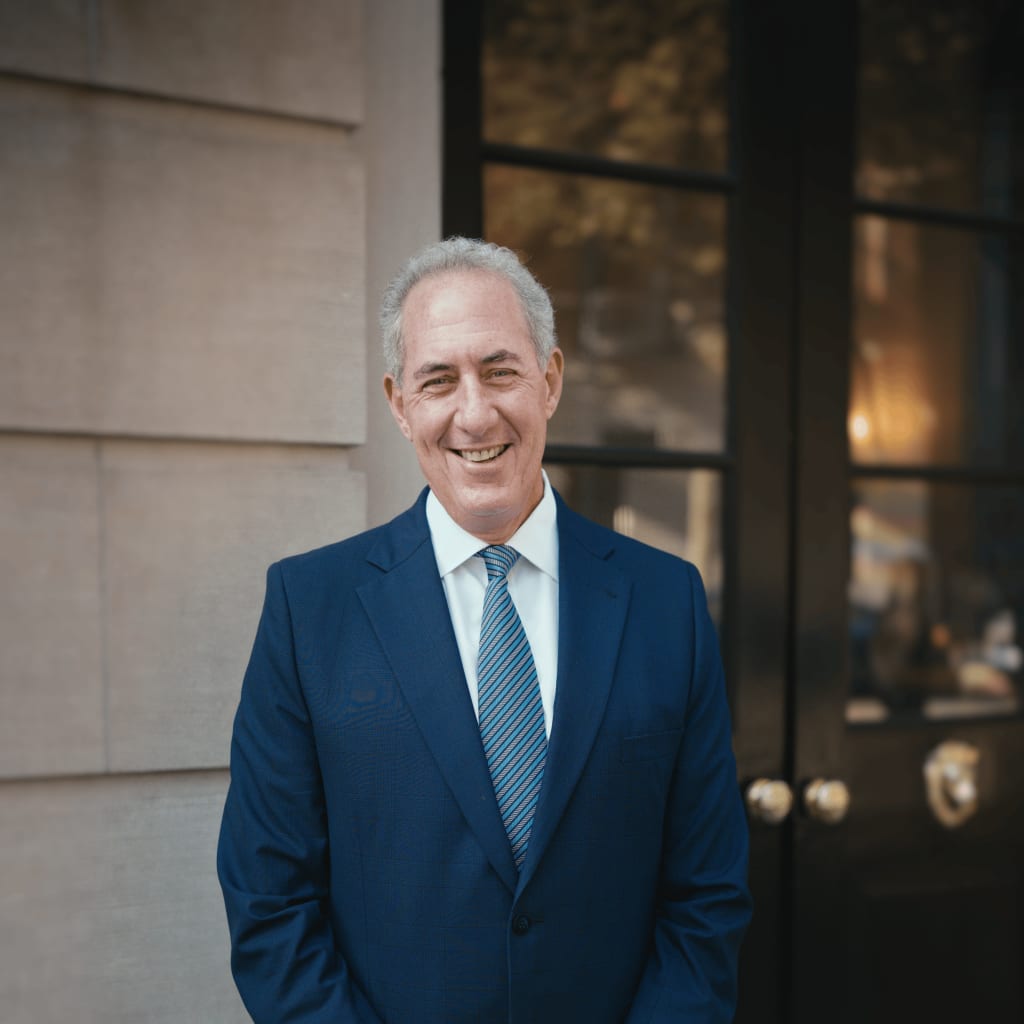
Michael Froman
President, Council on Foreign Relations

Jennifer Hillman
Senior Fellow for Trade and International Political Economy

Jonathan E. Hillman
Senior Fellow for Geoeconomics

Zongyuan Zoe Liu
Maurice R. Greenberg Senior Fellow for China Studies

Inu Manak
Senior Fellow for International Trade

Shannon K. O'Neil
Senior Vice President of Studies and Maurice R. Greenberg Chair

Rebecca Patterson
Senior Fellow

Brad W. Setser
Whitney Shepardson Senior Fellow

Benn Steil
Senior Fellow and Director of International Economics

Pierre Yared
Senior Fellow
Tariffs Timeline
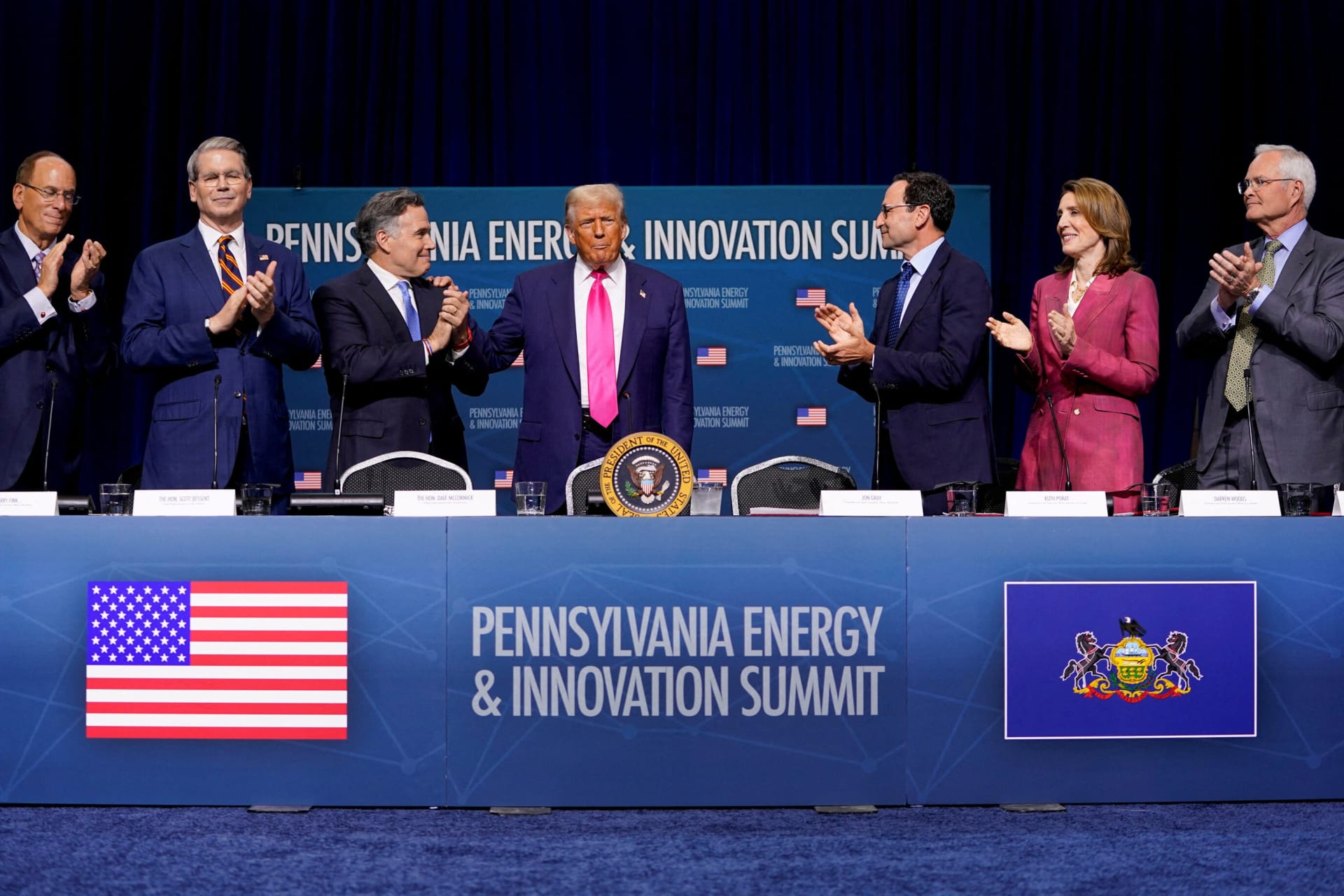
Missing the Mark: Trump Investments Not Likely to Help Those Most in Need
The Trump administration says its trade and investment policies are aimed to help struggling Americans. However, a preliminary look at recently announced investments shows that the administration may be missing its target.

President Donald Trump has begun his second term imposing tariffs against some of the United States’ leading trading partners to correct what he says are decades of imbalances harmful to the U.S. economy. Here’s how these taxes work.
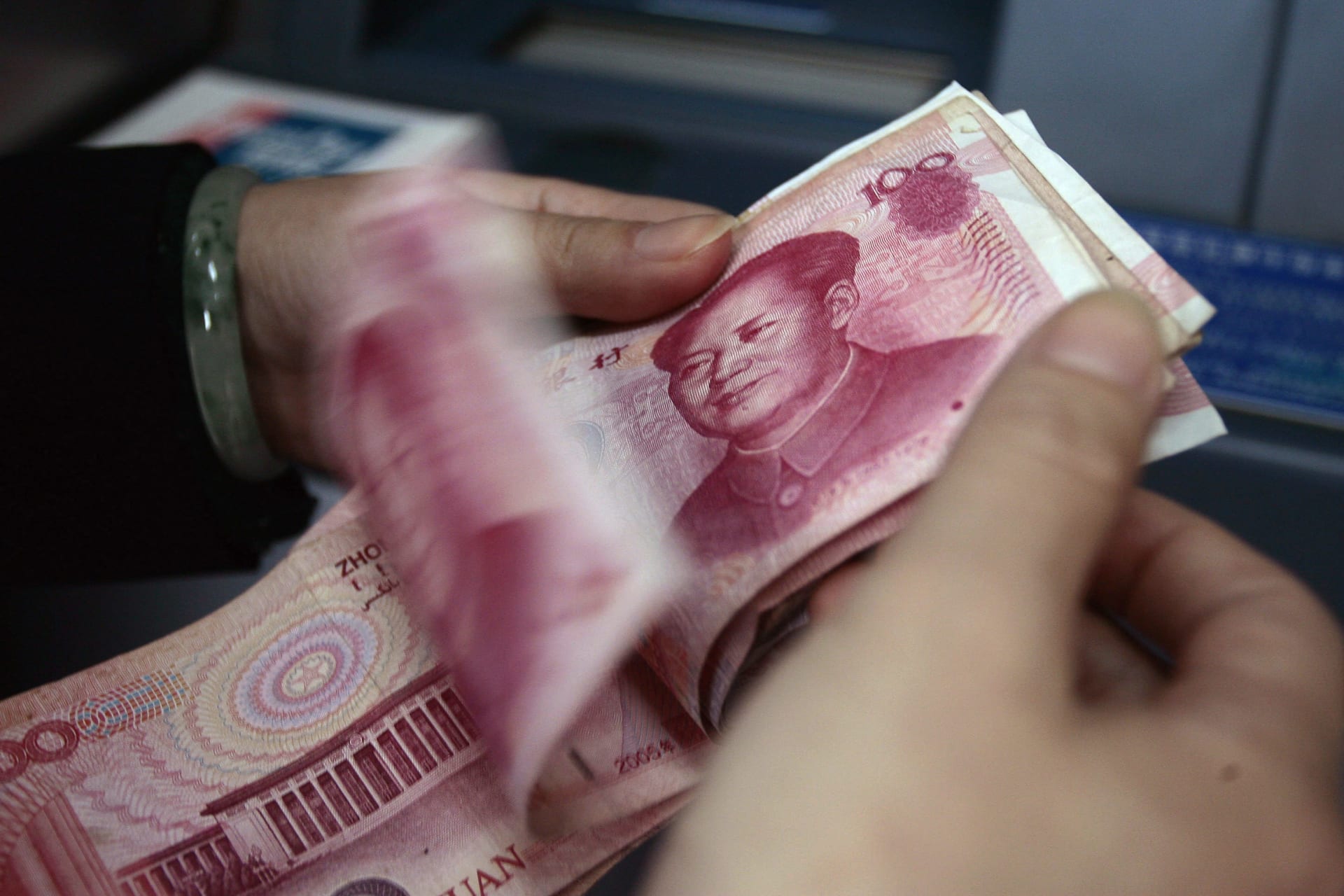
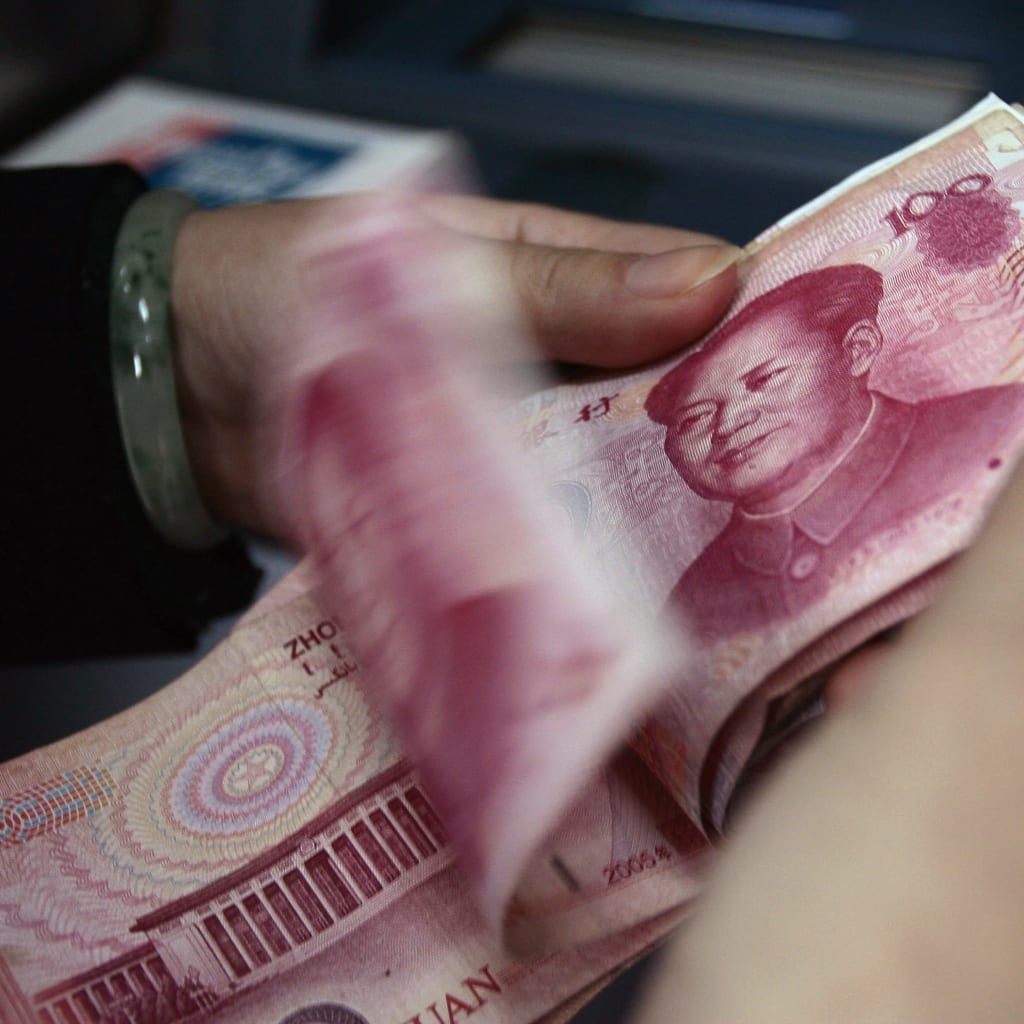
What’s the Renminbi Got to Do With it?
By Brad W. Setser
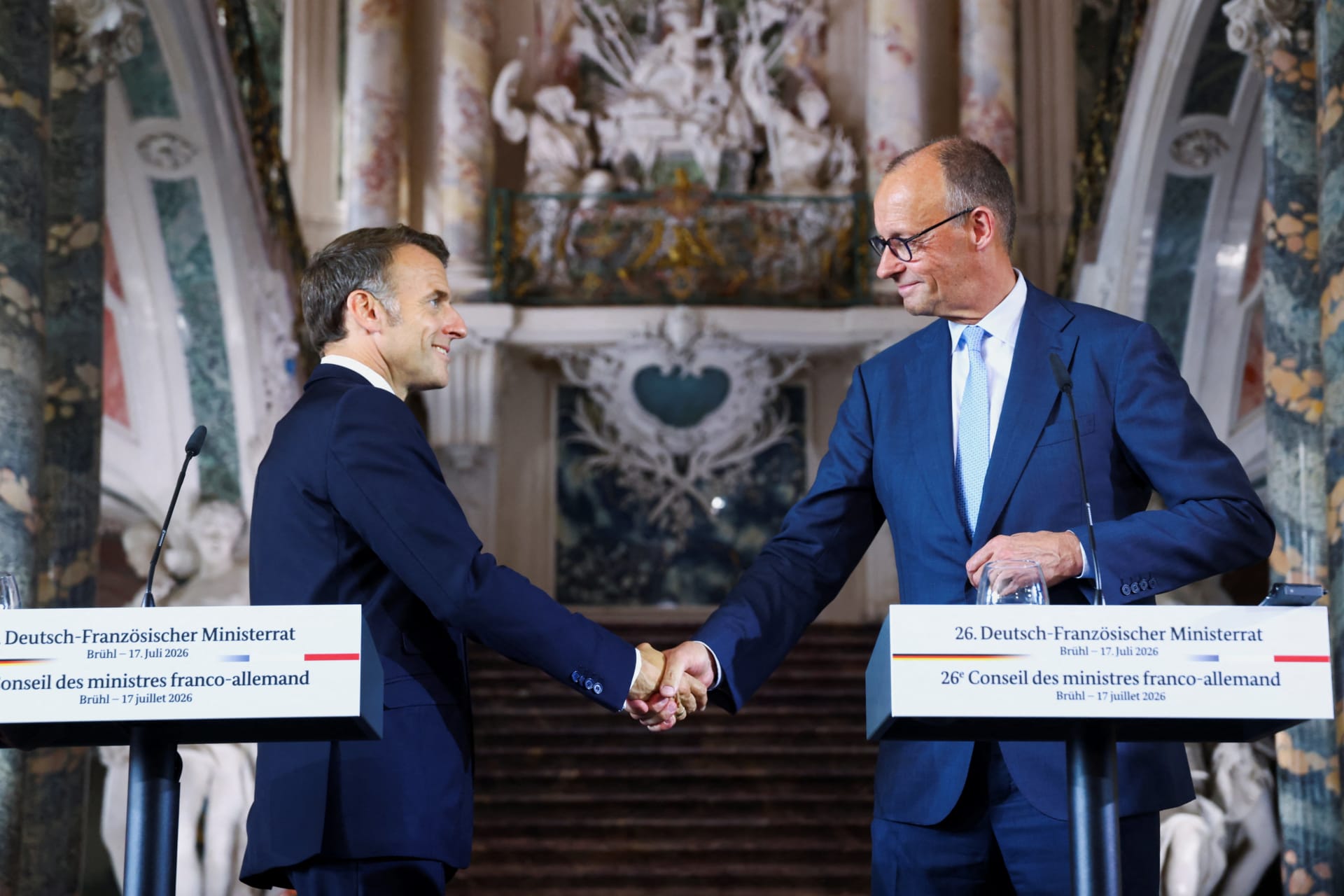
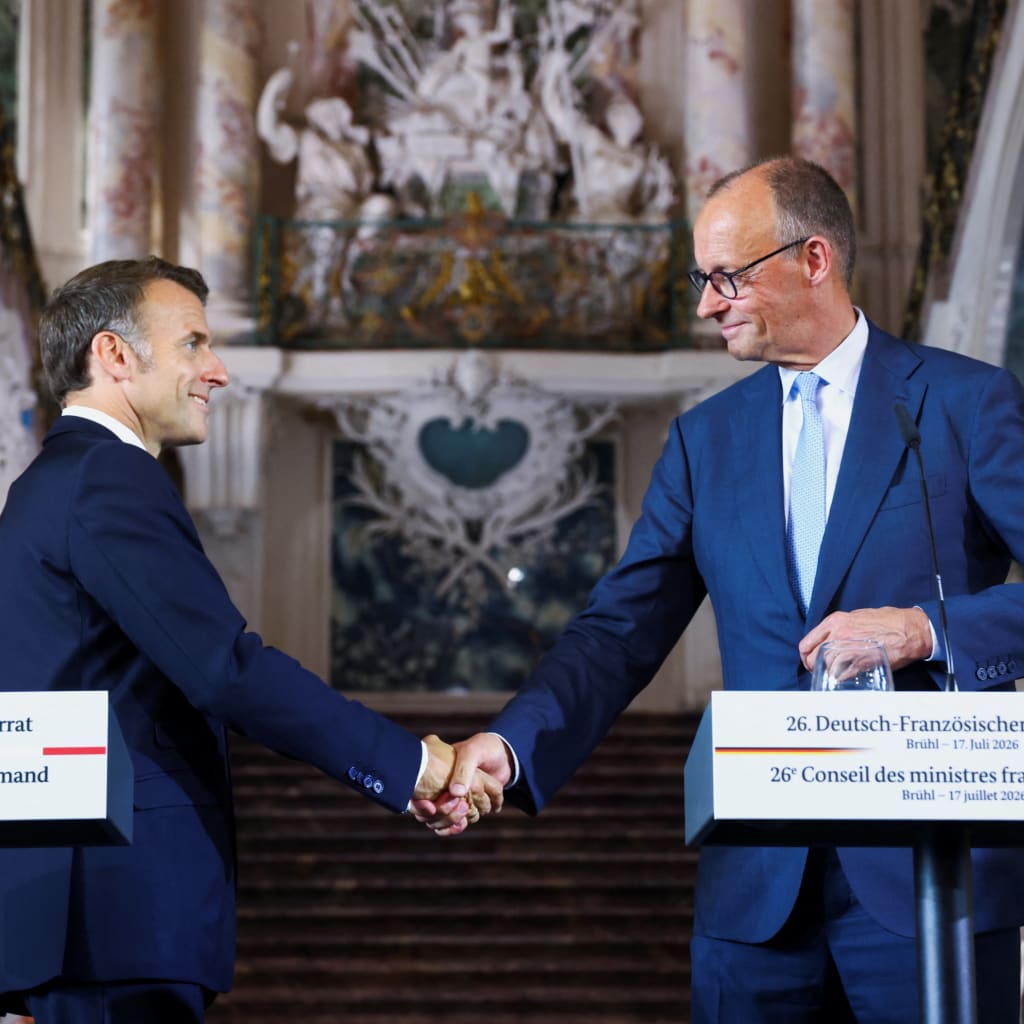
Trading Places: The U.S. and Europe on China and Russia
By Michael Froman
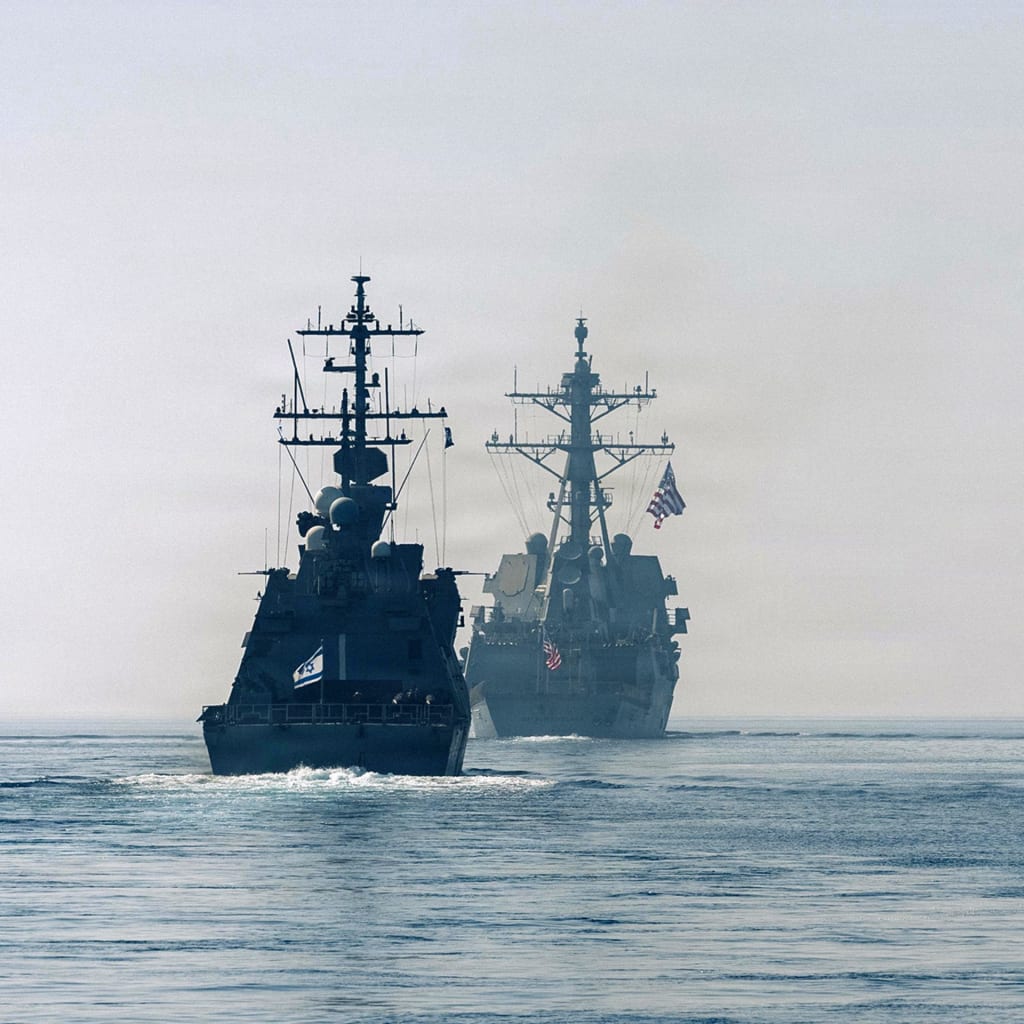
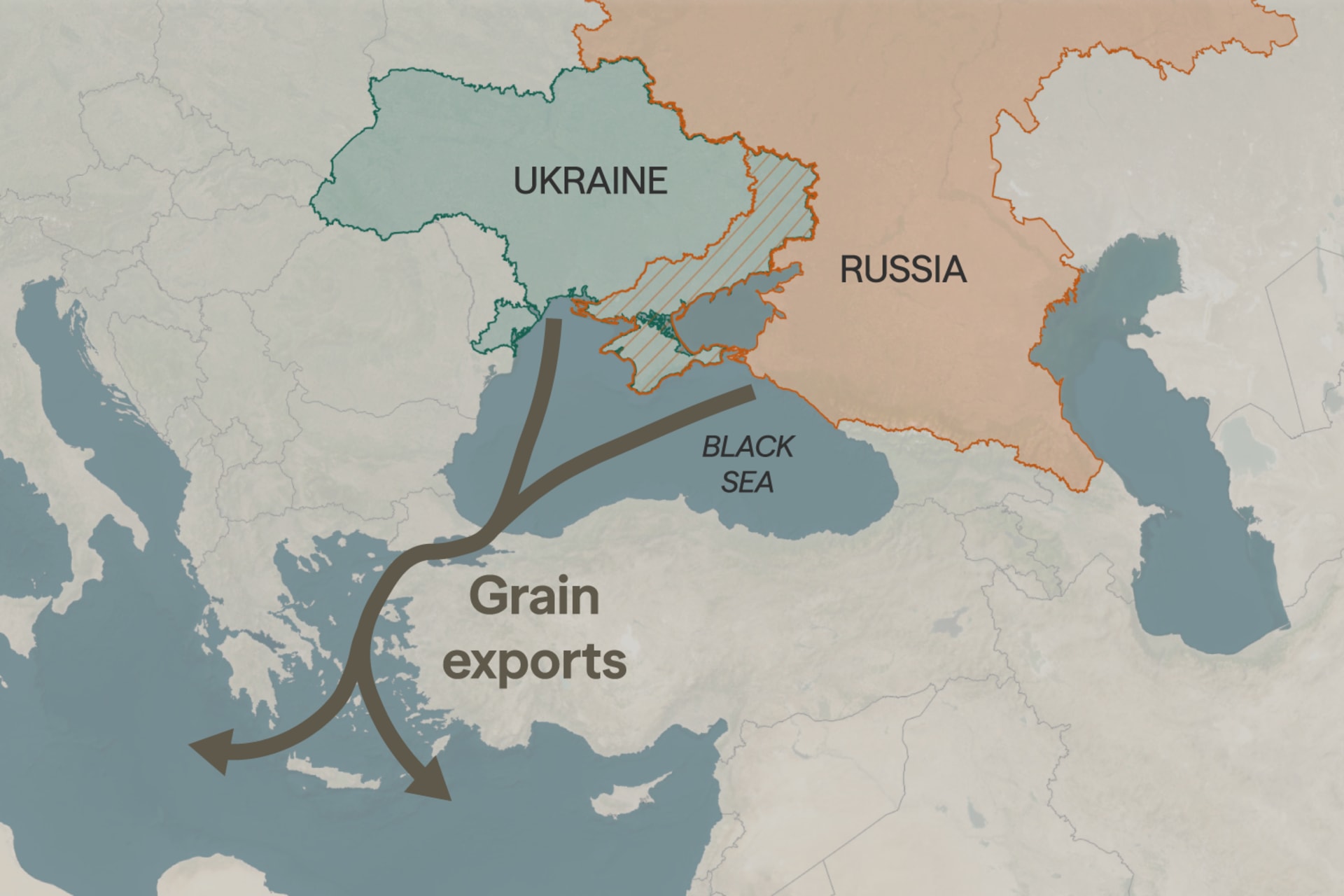
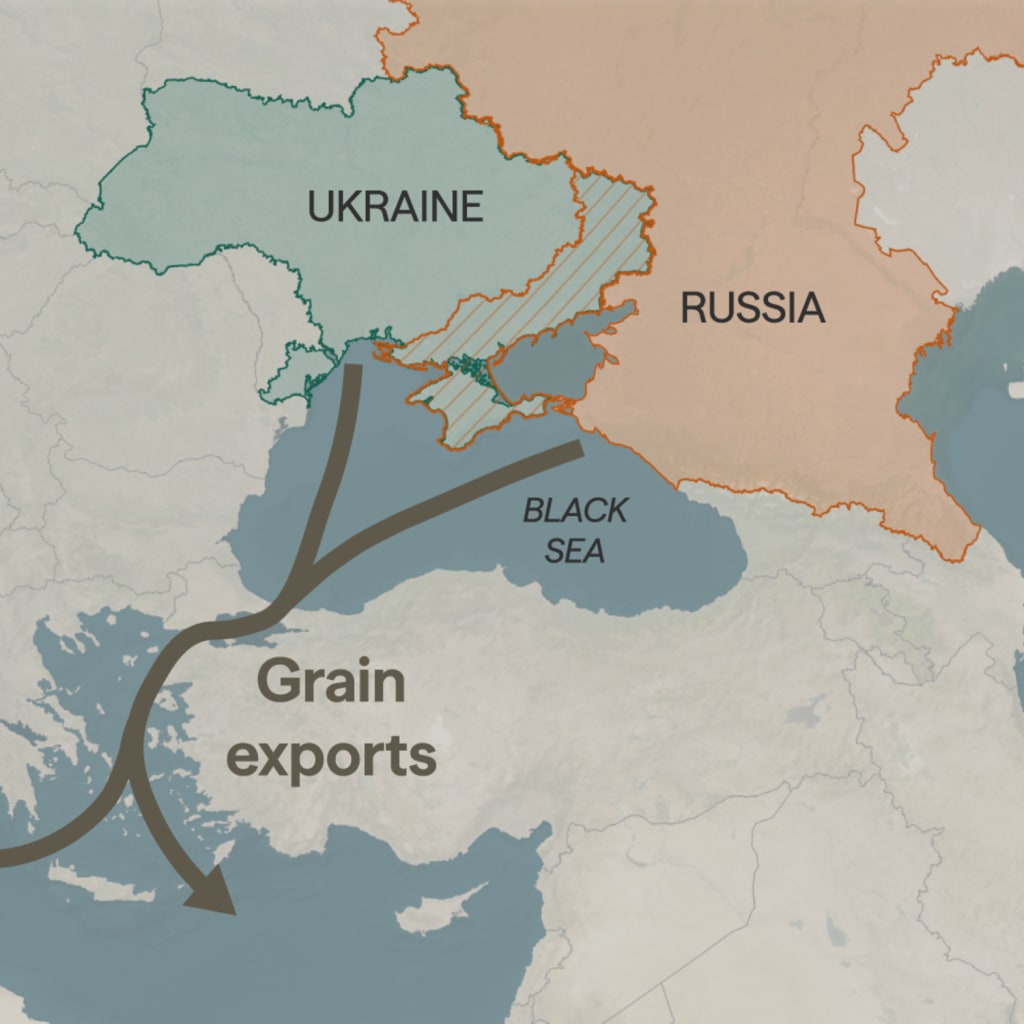
Hunger on the Horizon: The New Black Sea Grain Crisis
By Samuel Henry Lazarus
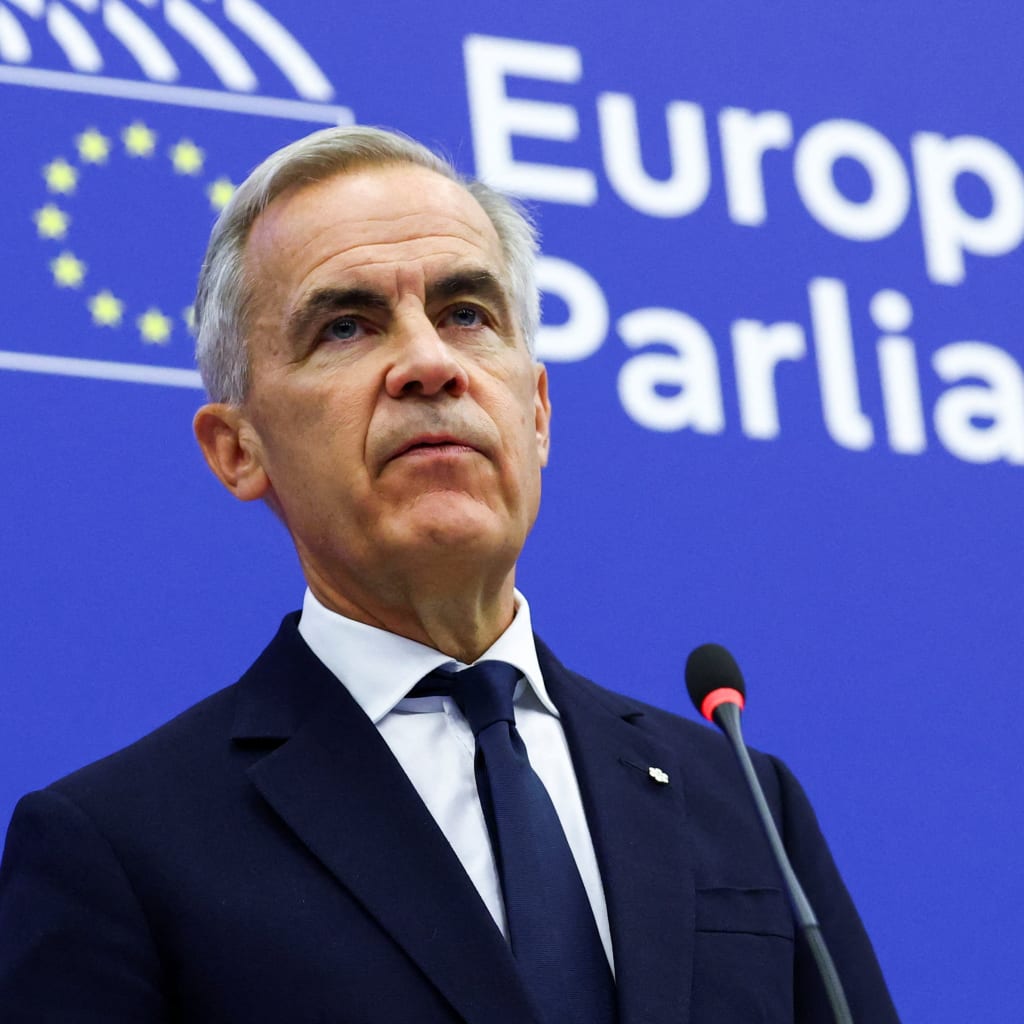
What Can Europe Really Offer Canada?
By Matthias Matthijs
A Guide to Trump’s Section 232 Tariffs, in Maps
By Shannon K. O'Neil, Julia Huesa and Gabriela Paz-Soldan
Latest Articles
Expert TakeExpert TakeExpert TakeExpert TakeExpert TakeExpert Take Expert Take
 Expert Take
 Report
 Expert Take
 Expert Take
 Expert Take
 Expert Take
 Expert Take
 Expert Take
 Expert Take
 Expert Take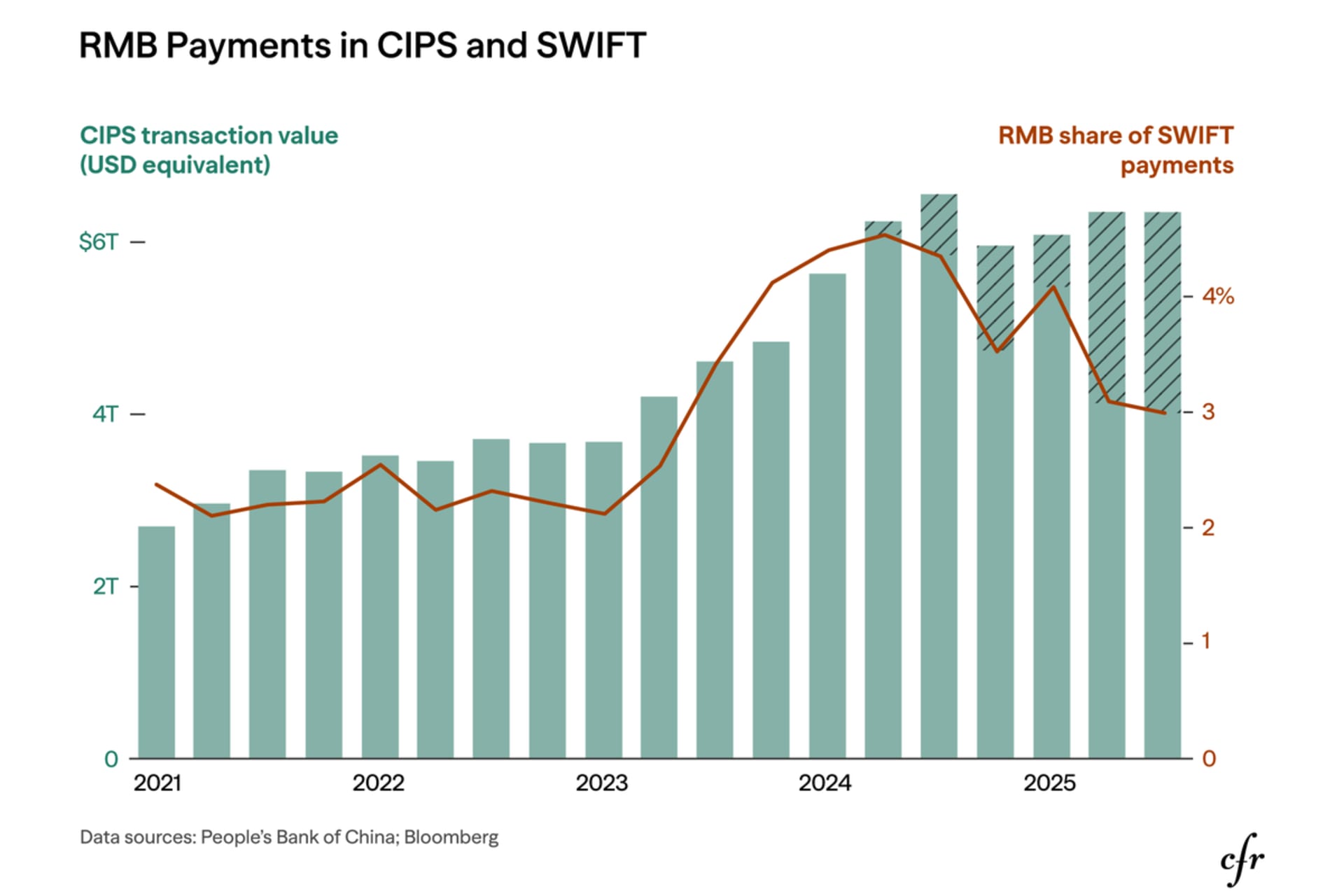
 Expert Take
 Expert Take
 Expert Take
 Expert Take