 Council of Councils
 Think Global Health
 Online Store

Leonardo Fernandez Viloria/Reuters
The closely watched elections on Sunday will determine whether incumbent President Nicolás Maduro wins a third term or allows a democratic transition.
Autocrats have fumbled rigged elections in the past. Here’s why Venezuela’s might be next.
The United States should try to find out if an offer of amnesty will persuade Venezuela's dictator to permit and respect the results of a free election on July 28.
Olympics
As the Paris games begin, get the history of protest at the world’s largest international sporting event.
French authorities are particularly vigilant of the terrorist threat to the games posed by Islamist extremists, a danger the country has endured for decades.
The costs of hosting the Olympics have skyrocketed, while the economic benefits are far from clear. The 2024 Paris Olympics could be a test of whether reforms to the process have made hosting a better deal.
United States
President Joe Biden ends his bid for reelection having revived American leadership in Asia and Europe and secured significant investments in the domestic economy, but his achievements will only last if his successor picks up where he leaves off.
Vice President Kamala Harris is seeking the 2024 Democratic presidential nomination in the wake of Joe Biden's exit from the race.
Sudan
Since conflict erupted in Sudan on April 15, 2023, between the Sudanese Armed Forces and the Rapid Support Forces, Sudan has become the site of the world's worst humanitarian crisis. Over 10 million people have been displaced, over half of the population needs humanitarian assistance, and over 750,000 people are facing a catastrophic level of hunger.
Panelists discuss ongoing humanitarian efforts, the challenges faced by aid workers, and potential solutions to mitigate the worsening crisis in Sudan.
Michelle Gavin, the Ralph Bunche senior fellow for Africa policy studies at CFR, sits down with James M. Lindsay to discuss the ongoing deadly conflict and humanitarian crisis in Sudan.
Bangladesh
Student-led protests in Dhaka demonstrate popular discontent toward Sheikh Hasina’s repressive governance.
Bangladesh’s unfree election is part of a larger trend of democratic regression in South and Southeast Asia.

CFR mourns the passing of Martin S. Indyk, a CFR Distinguished Fellow and veteran diplomat who devoted his career to pursuing peace in the Middle East.
Events
Since conflict erupted in Sudan on April 15, 2023, between the Sudanese Armed Forces and the Rapid Support Forces, Sudan has become the site of the world's worst humanitarian crisis. Over 10 million people have been displaced, over half of the population needs humanitarian assistance, and over 750,000 people are facing a catastrophic level of hunger.
Panelists discuss ongoing humanitarian efforts, the challenges faced by aid workers, and potential solutions to mitigate the worsening crisis in Sudan.
Panelists discuss the Silicon Valley’s role in the future of war and whether or not the Pentagon is successfully innovating rapidly enough to keep up with the technological changes facing the military.
Copies of Unit X: How the Pentagon and Silicon Valley Are Transforming the Future of War will be available for purchase.
Jay Shambaugh discusses U.S.-China macroeconomic engagement and dialogue with Chinese leadership on overcapacity and economic imbalances.The C. Peter McColough Series on International Economics brings the world's foremost economic policymakers and scholars to address members on current topics in international economics and U.S. monetary policy. This meeting series is presented by RealEcon: Reimagining American Economic Leadership, a CFR initiative of the Maurice R. Greenberg Center for Geoeconomic Studies. This meeting is also part of CFR’s China Strategy Initiative.For those attending virtually, log-in information and instructions on how to participate during the question and answer portion will be provided the evening before the event to those who register. Please note the audio, video, and transcript of this meeting will be posted on the CFR website.
CFR experts discuss the results of presidential elections in France and the United Kingdom, as well as what to expect from the 2024 NATO Summit in Washington, DC.
Explainers
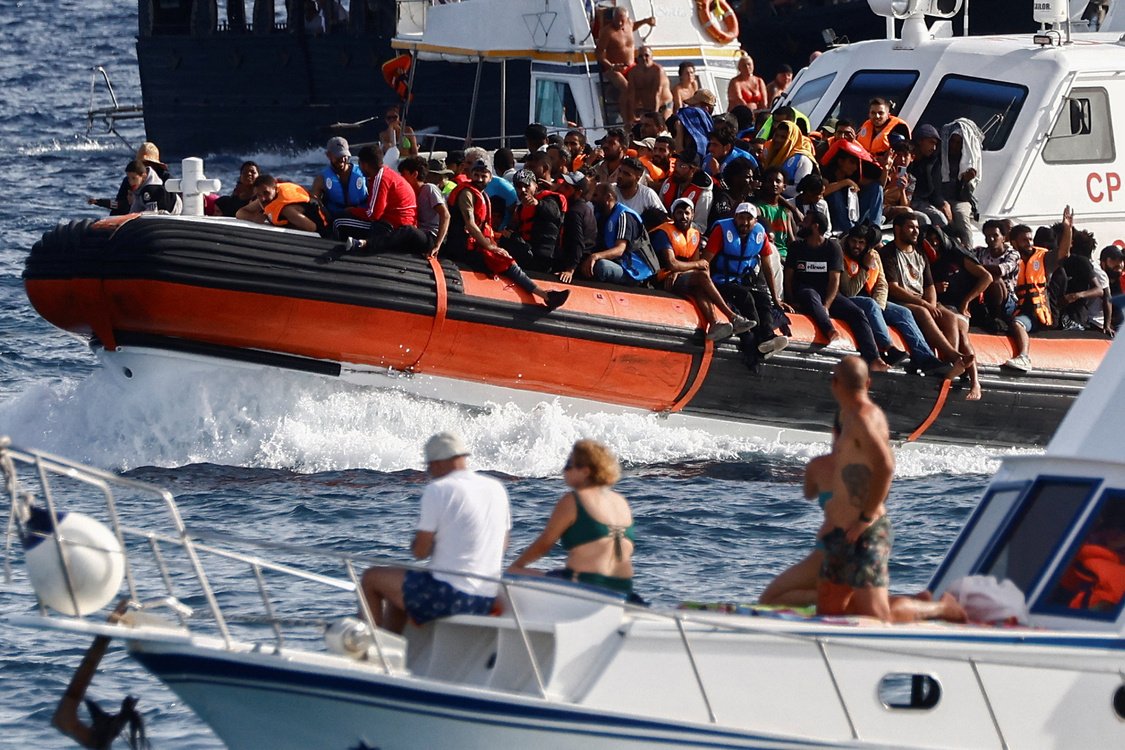
Europe’s Migration Dilemma
Hundreds of thousands of migrants made the dangerous journey to Europe in 2023, fleeing war, poverty, and natural disasters. The increase in arrivals has fueled support for far-right political parties.
Expert Spotlight



Featured Publications
Robert D. Blackwill and Richard Fontaine evaluate the limitations of the Pivot to Asia and offer a compelling vision for the future of U.S. foreign policy in the Indo-Pacific.
A clear-headed vision for the United States' role in the Middle East that highlights the changing nature of U.S. national interests and the challenges of grand strategizing at a time of profound change in the international order.

Paul J. Angelo provides the first headlining case studies of Plan Colombia and the Mérida Initiative.